Free Pattern Friday – Playtime Blankie

It’s Free Pattern Friday!

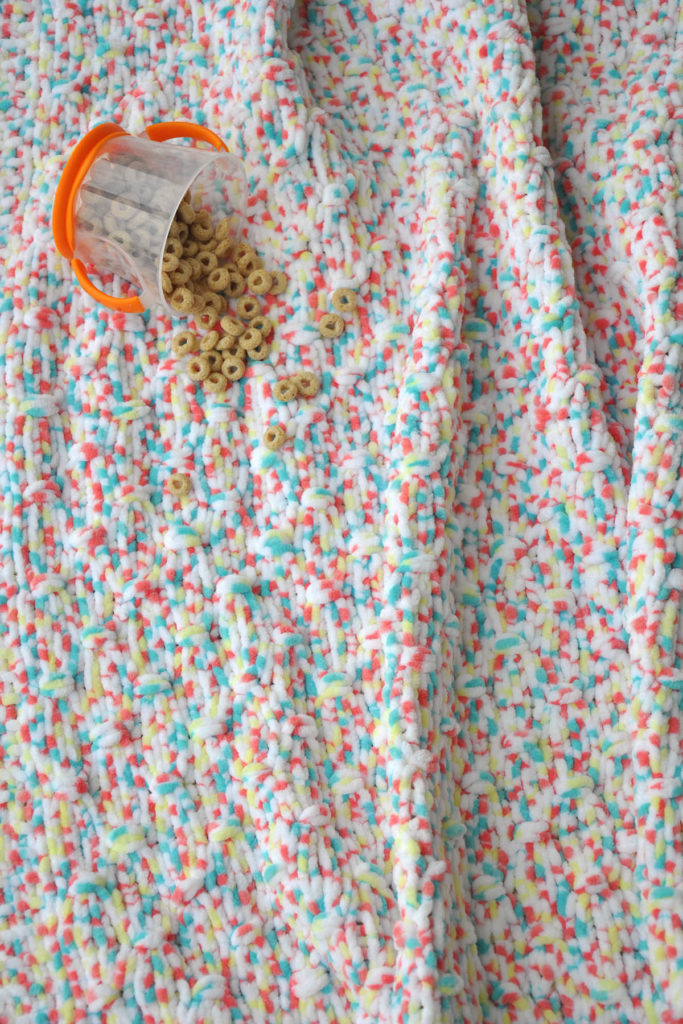
Knitted baby blanket with dry Cheerios spilled on it

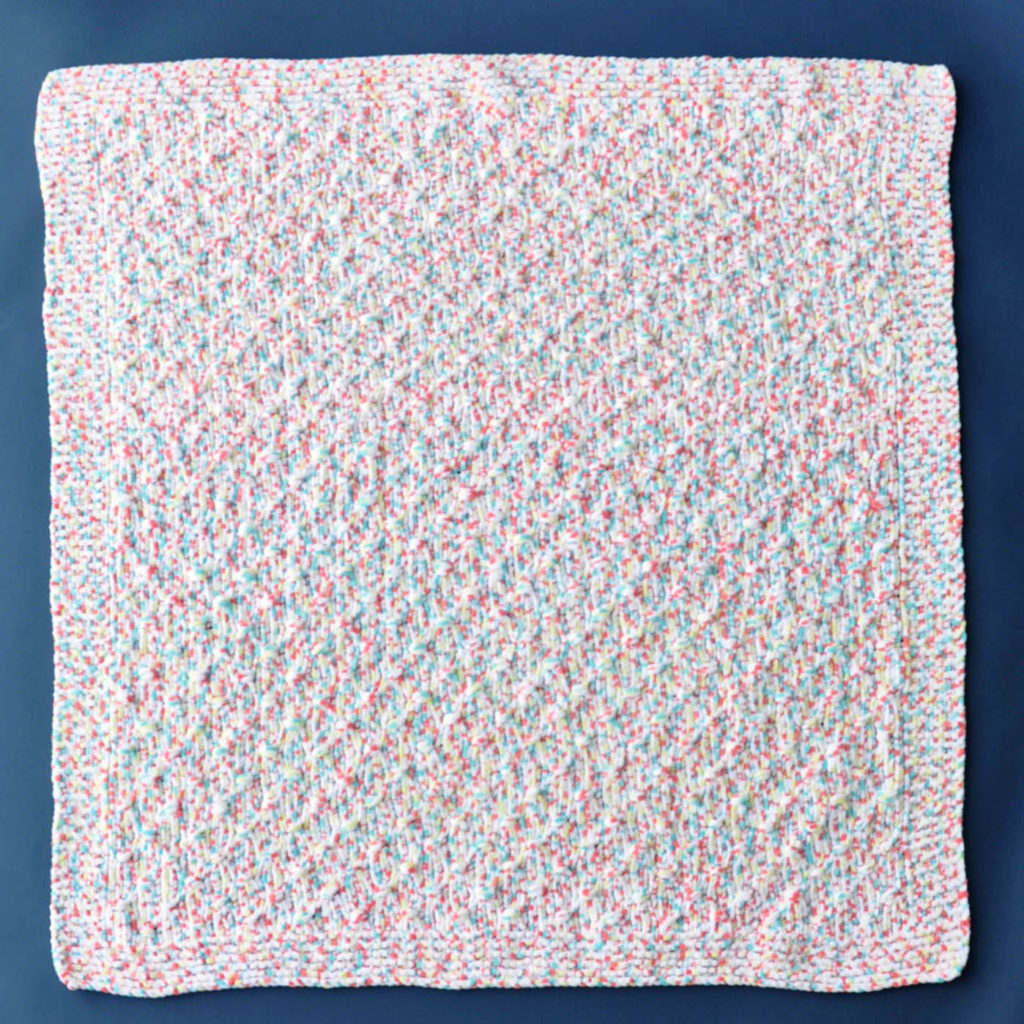
Today, the Playtime Blankie in Bella Chenille Multi (pattern link).

This soft, squeezable square 38″ x 38″ blanket is perfect for tender-skinned babies.

Square white speckled baby blanket knit in Bella Chenille.

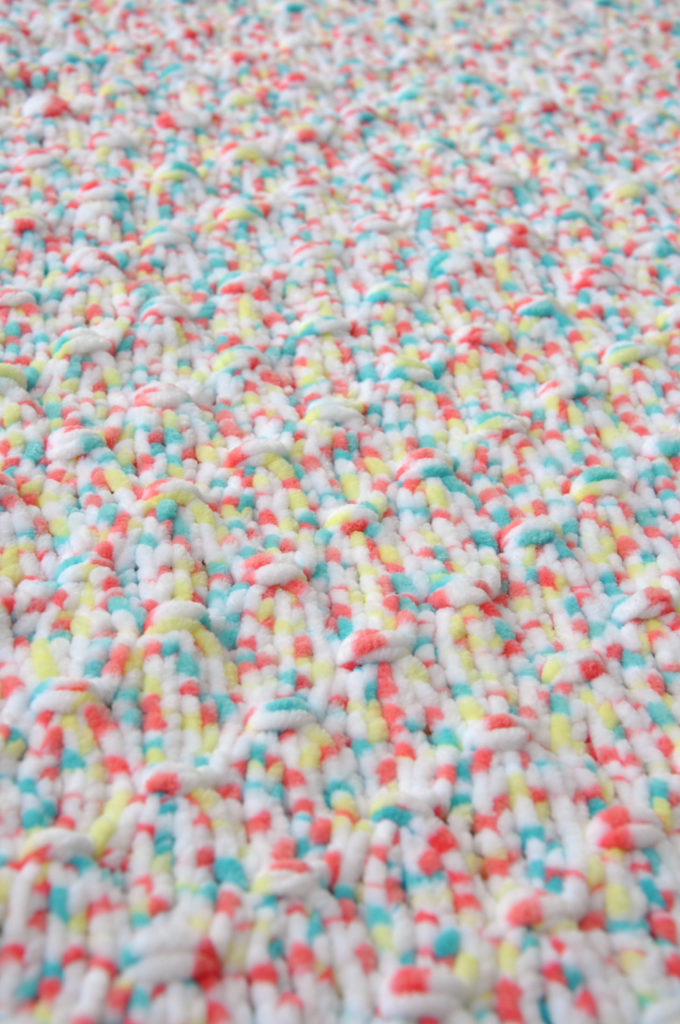
I wish you could reach through the screen and feel how soft the Bella Chenille Multi is. The wrapped stitches give it just a little extra thickness and texture.

White blue and orange speckled baby blanket fabric knit in Bella Chenille
Pet me.

Tip: Because Bella Chenille is a bulky weight yarn, you may wish to securely sew down ends with matching sewing needle and thread. In our experience, the fabric is quite sturdy, so you should be fine just weaving in ends, but it’s another way to finish if you think your project might get a little tough love.

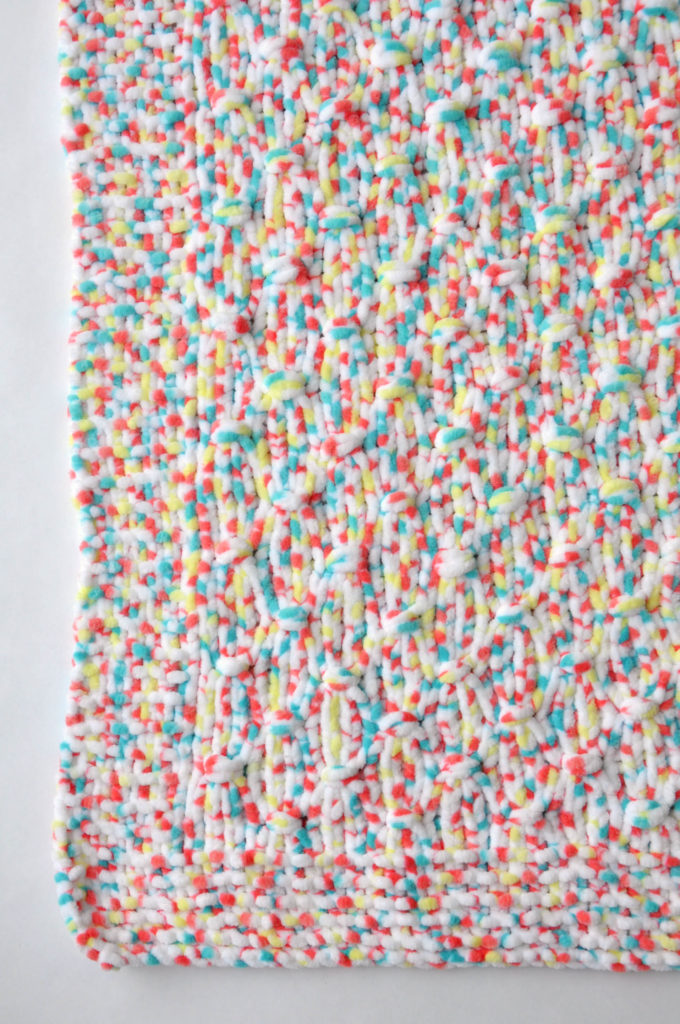
Corner of knitted chenille baby blanket

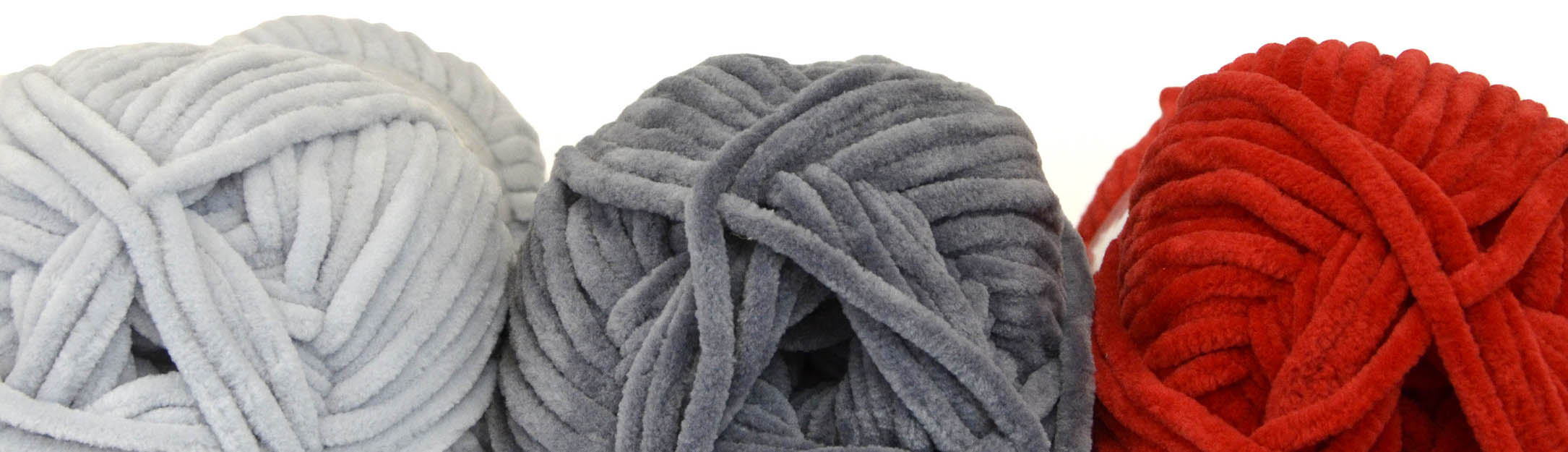
There are plenty of solid Bella Chenille options too, if you want to mix and match or give a different feel. Maybe “bold” is more your style.  It’s up to you!

Gray and red balls of Bella Chenille yarn.

We hope you have a fantastic weekend.

Happy crafting!

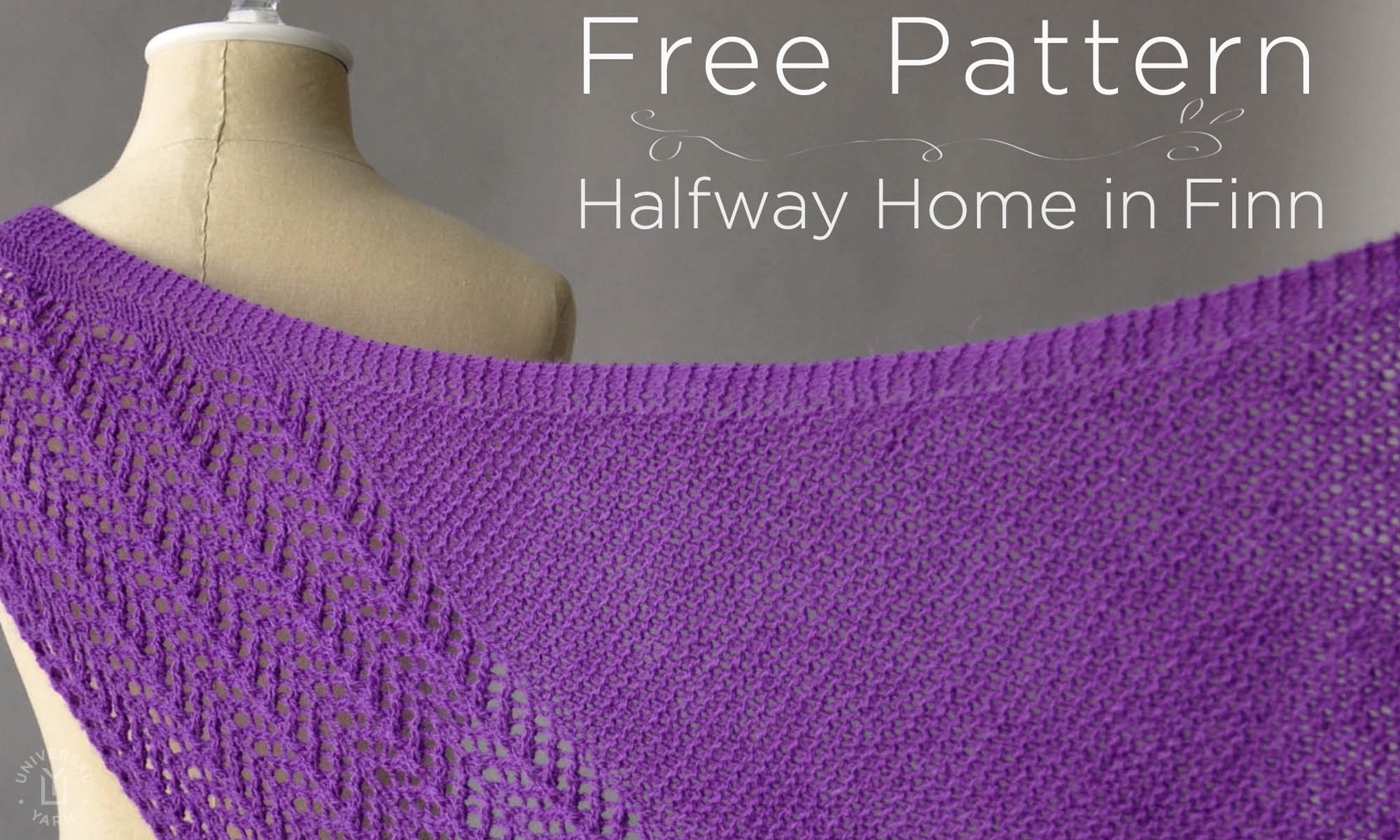
Free Pattern – Halfway Home Shawl

When we launch a new yarn, as we did this year with Finn, we also publish free patterns made in that yarn so that crafters can have instant inspiration.  Halfway Home was one of several published this Spring that never got their day on the blog.  Time to fix that!

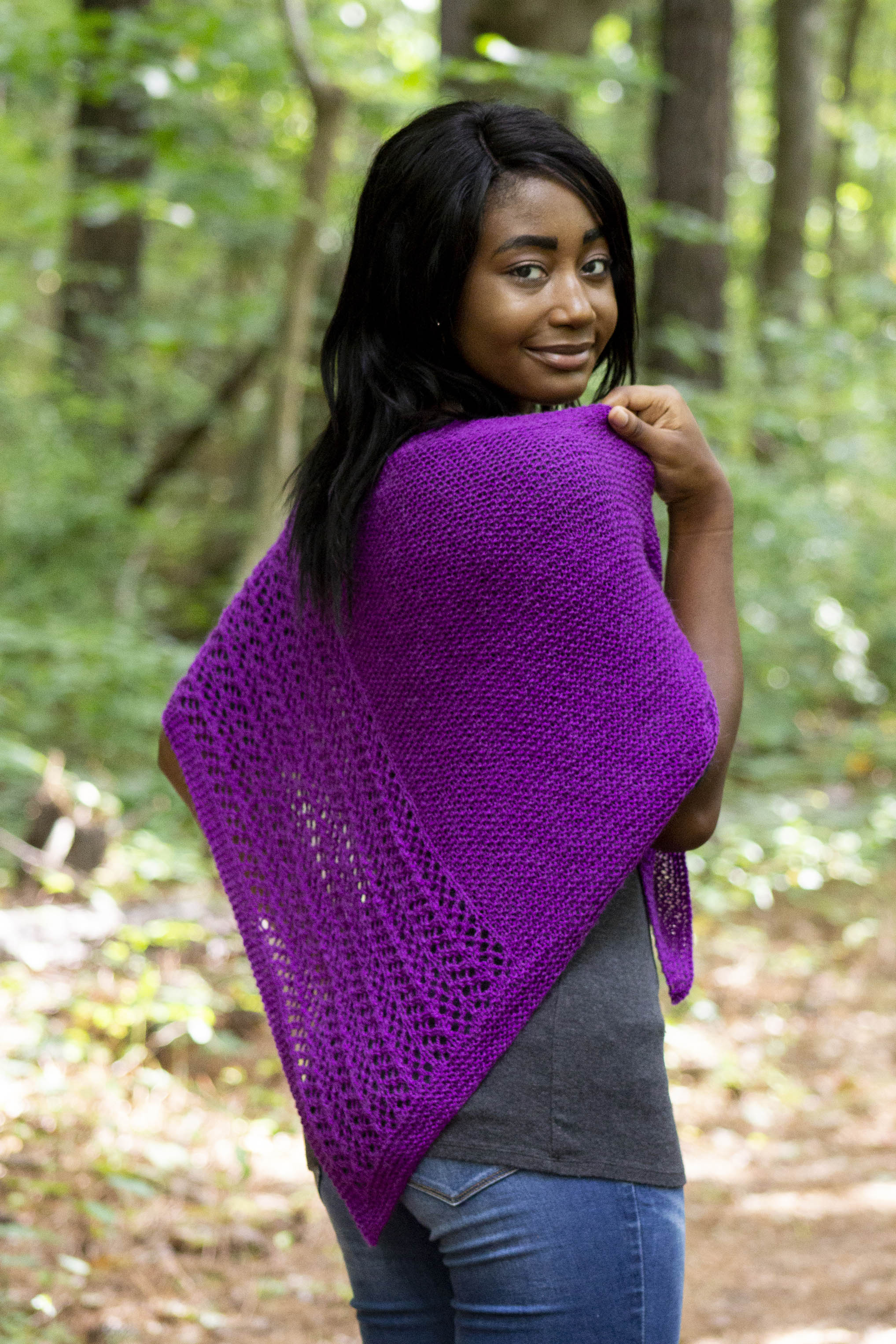
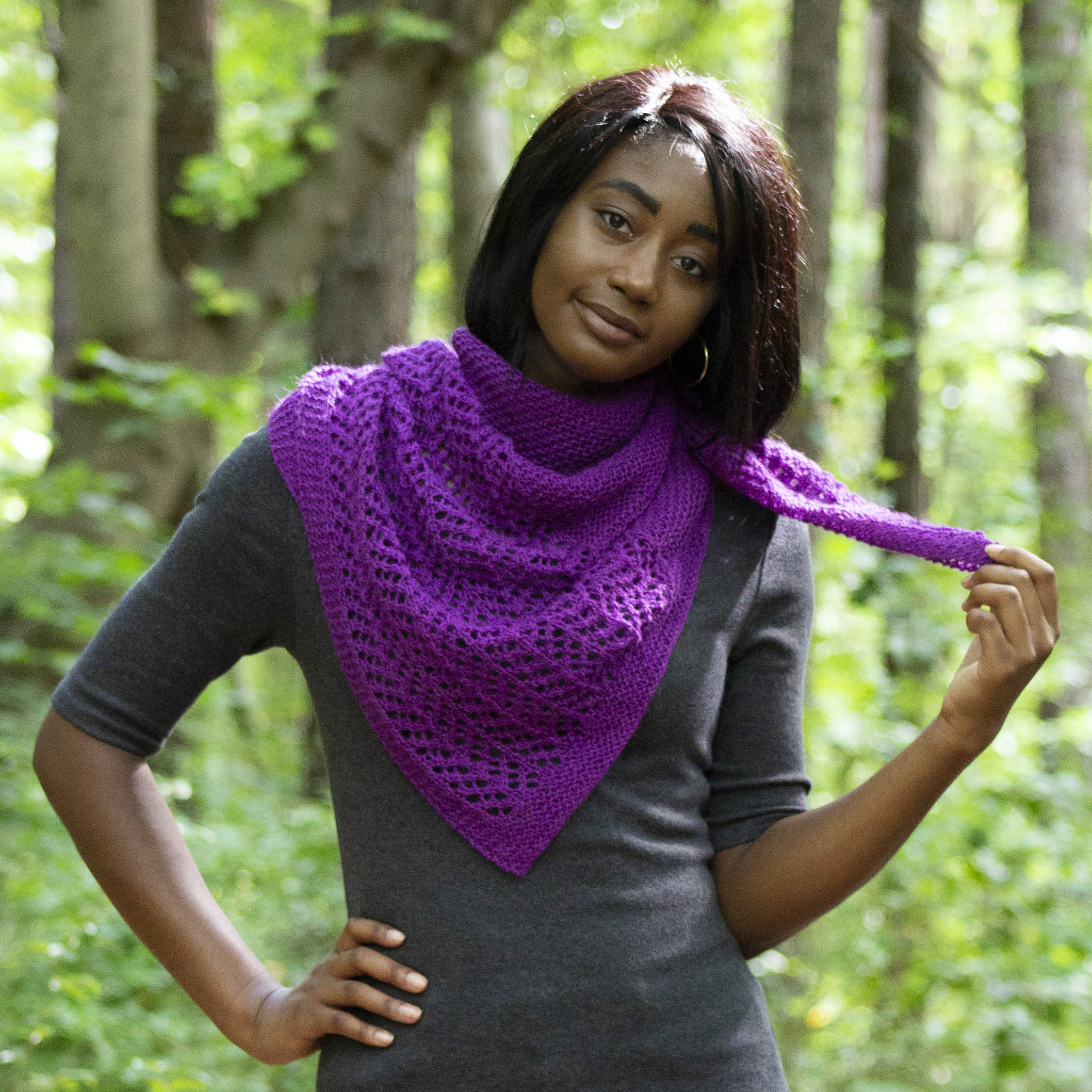
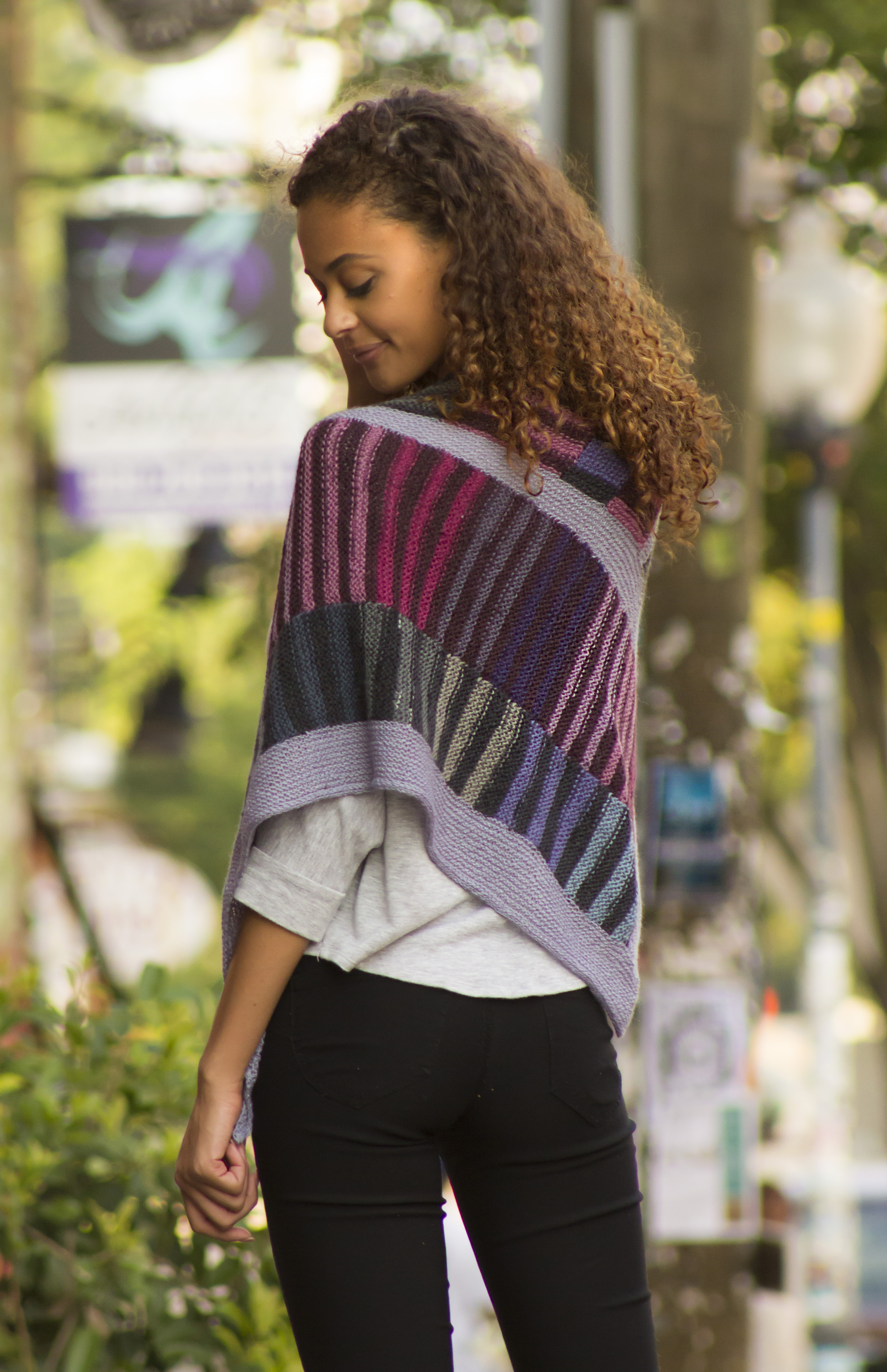
Woman looking over shoulder wearing purple knit lace shawl

This is Amy Gunderson’s Halfway Home Shawl in Finn (pattern link).

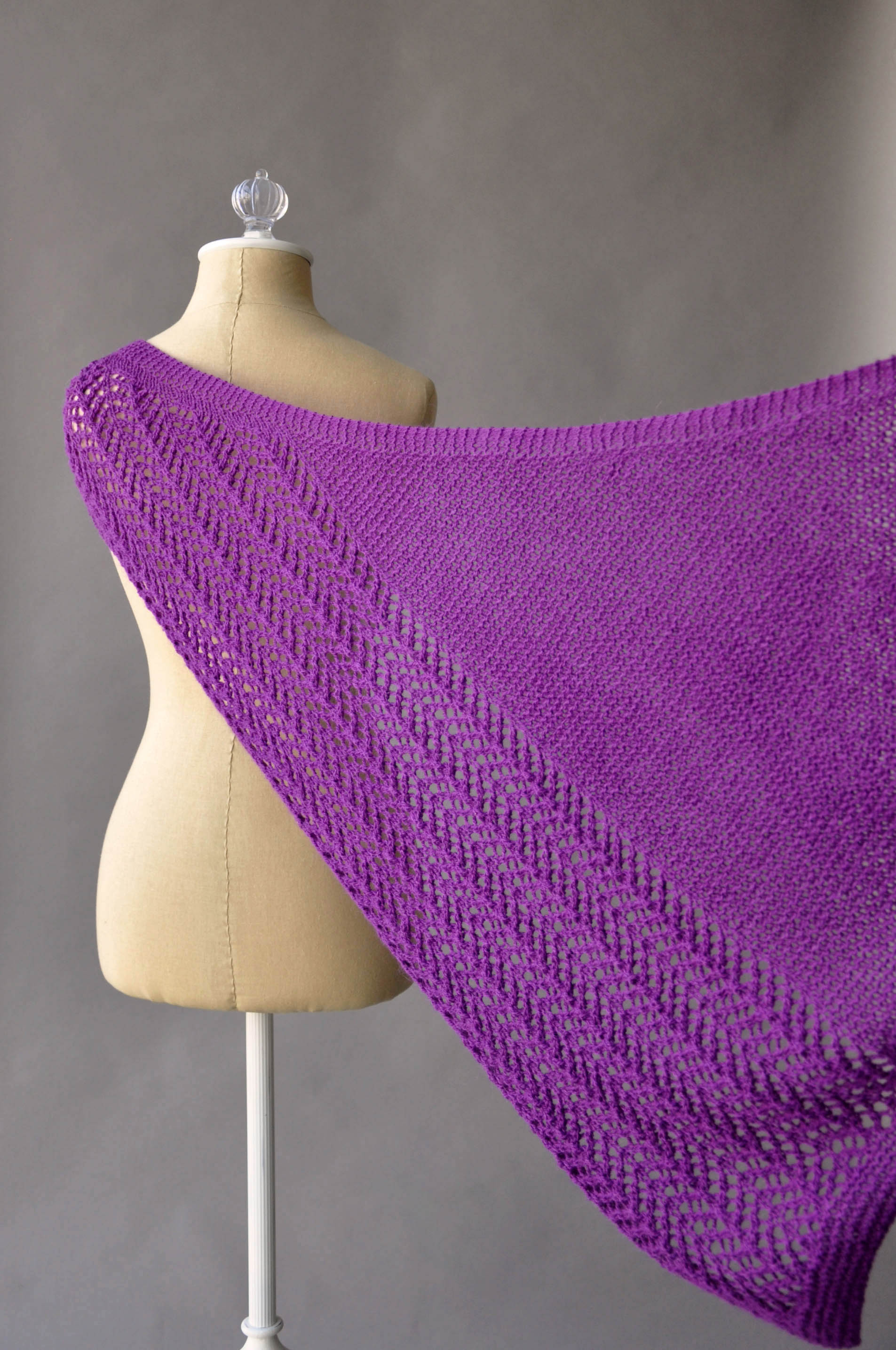
Violet shawl knitted in Finn yarn.

It’s lovely worn, but I also had to take a picture of it here in the studio just to show its striking shape.

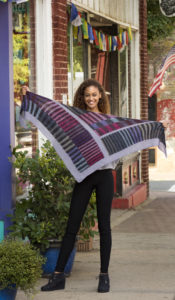
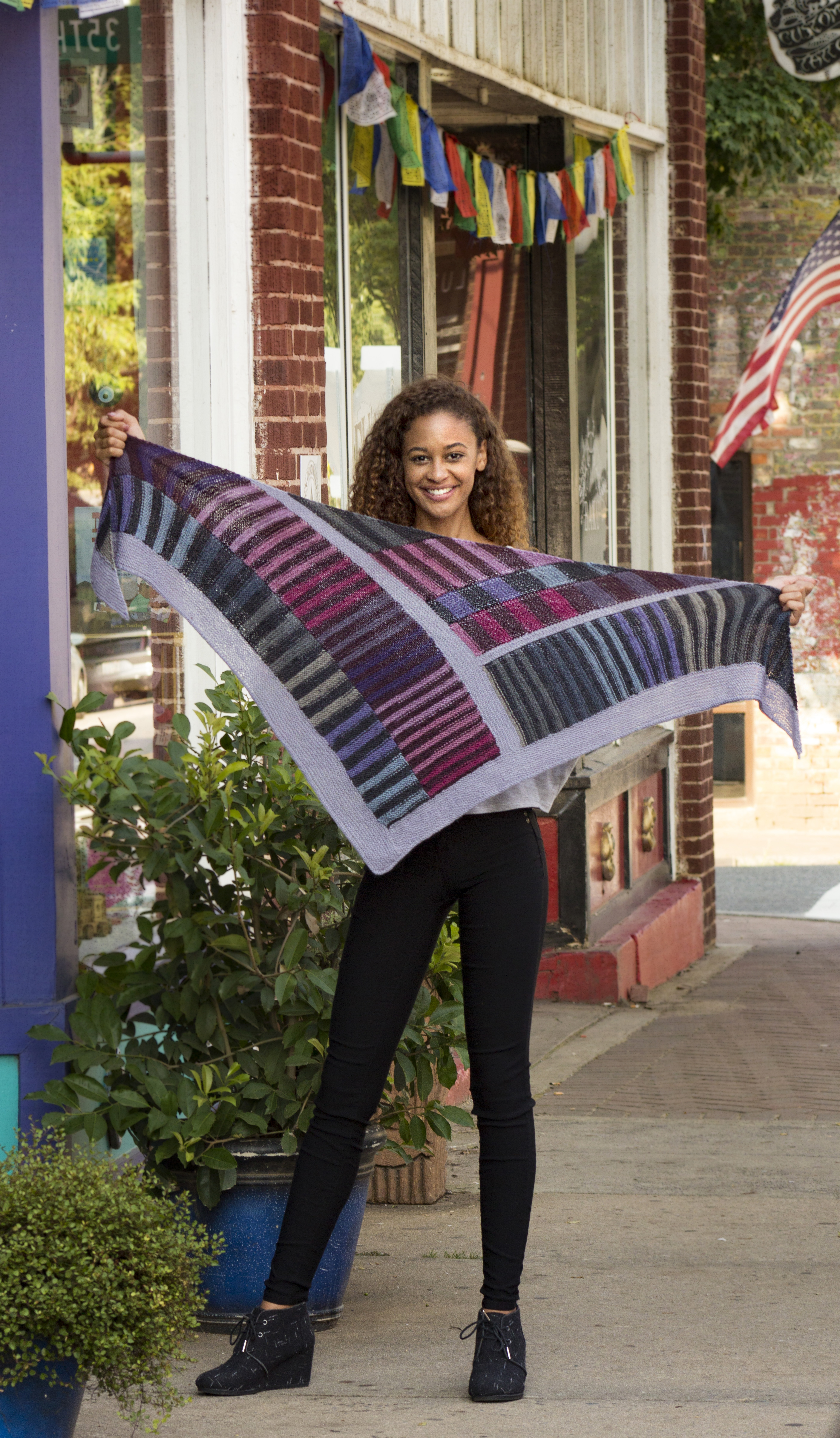
Woman outdoors wearing garter stitch and lace knit shawl

The corner that the model is holding is the starting point for this slightly oblong shawl.  It begins with just 7 stitches. Five Herringbone Lace Columns grow out of the left side of the shawl and are continued up to the top edge.

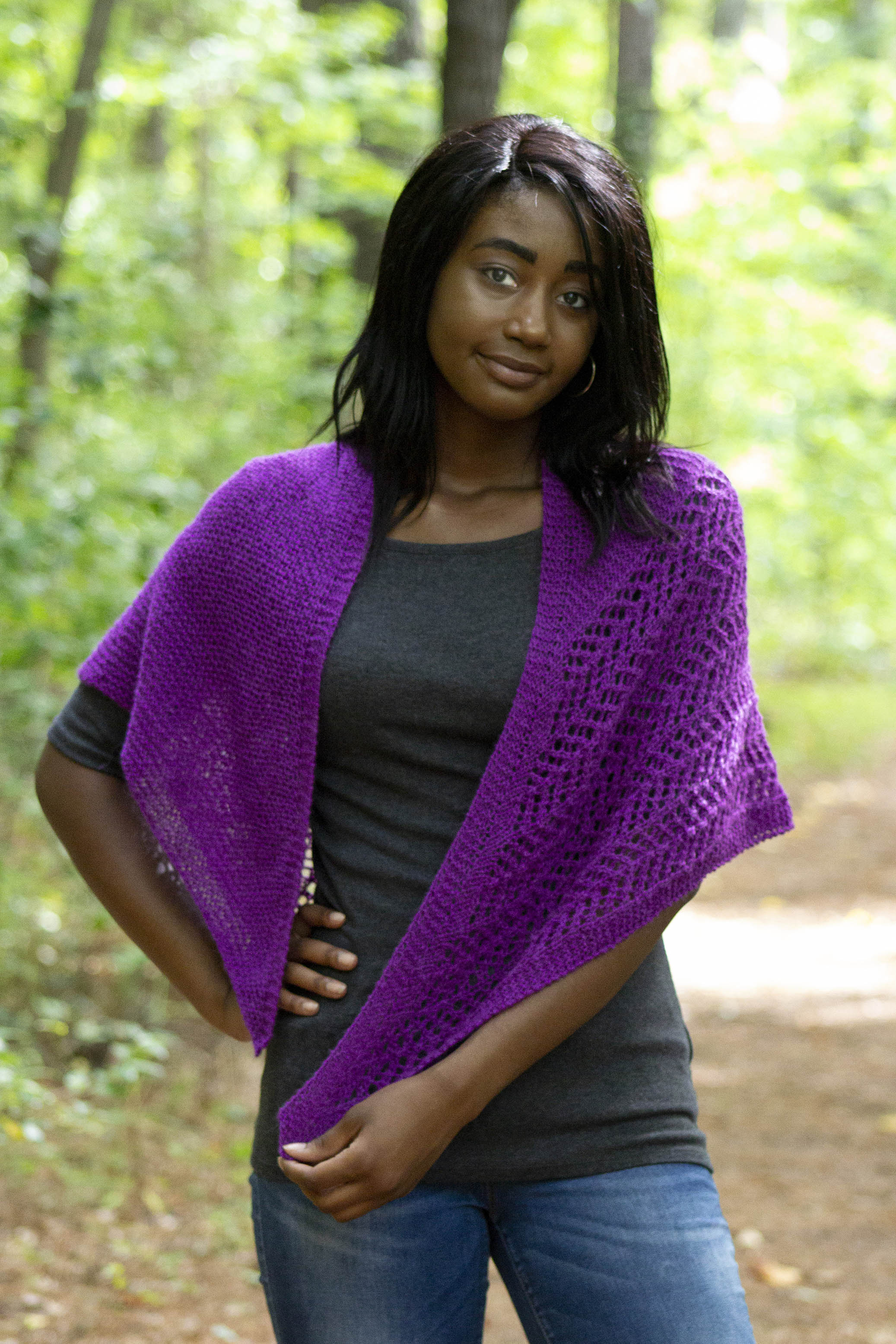
Young woman modeling knitted triangular purple shawl

Increases occur only at the left side of the piece, creating a right triangle shape. The lace pattern is an easy-to-memorize 4-row repeat.

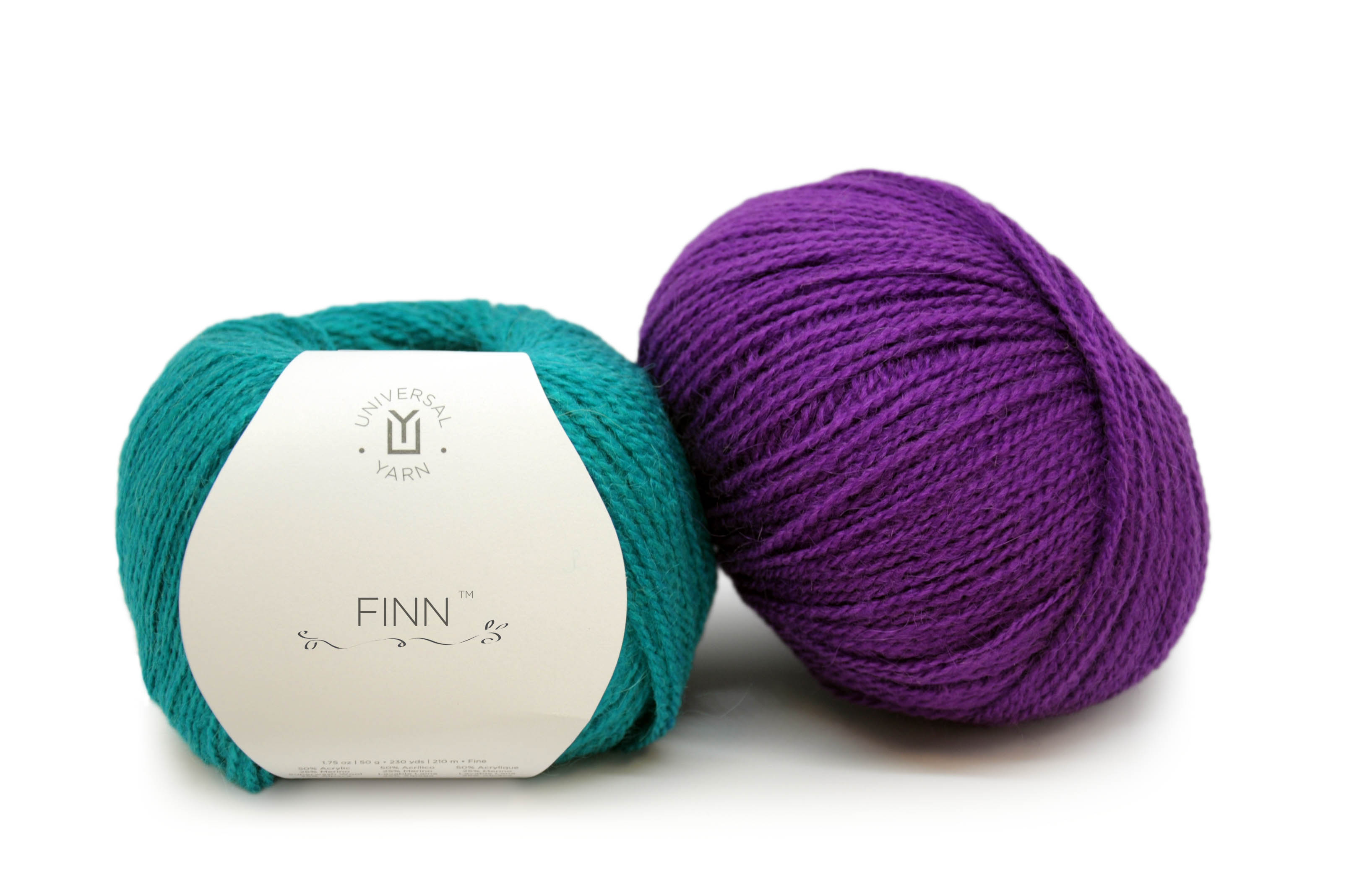
Two balls of Finn yarn from Universal Yarn

We use Finn, a blend of acrylic, superwash merino, and enough alpaca to give it a bit of a halo.  It’s a nice touch of luxury.

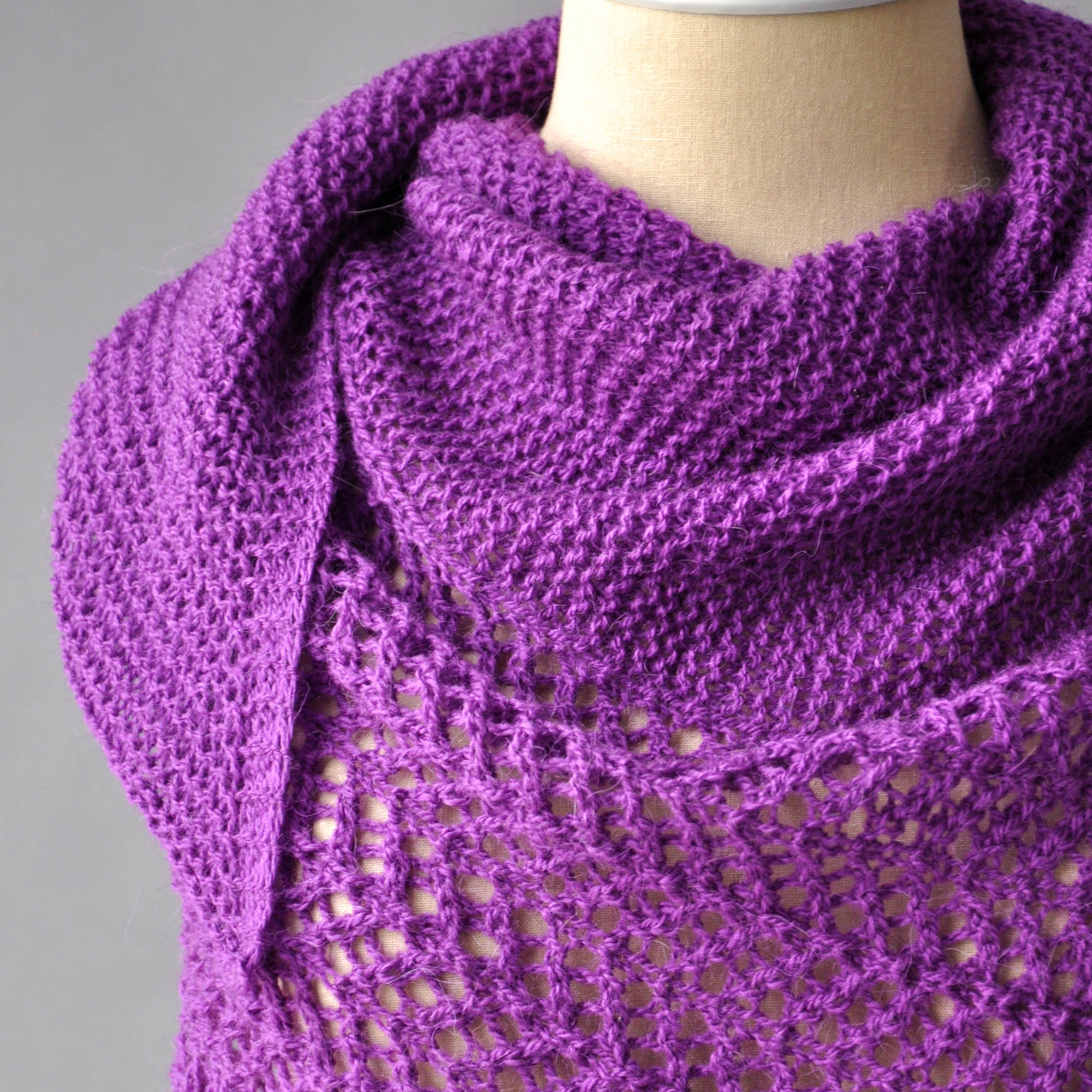
Detail closeup of purple shawl crafted in Universal Yarn Finn

It’s easy to customize size in this shawl, as most of the body is maintained in garter stitch. Just be sure to reserve enough yarn for the final 10 rows of garter stitch and you’re good!

Have a great week – and happy crafting!

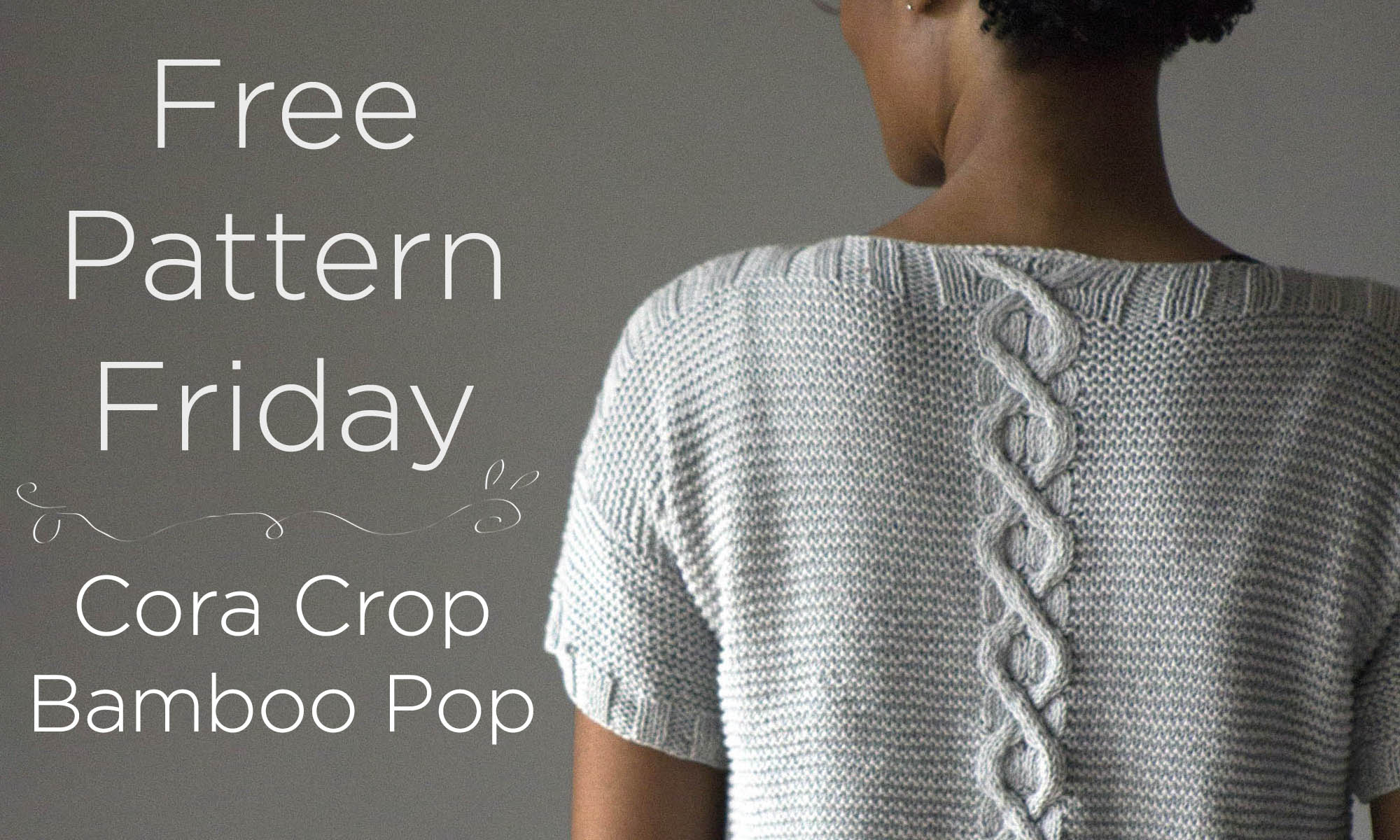
Free Pattern Friday – Cora Crop

It’s Free Pattern Friday!

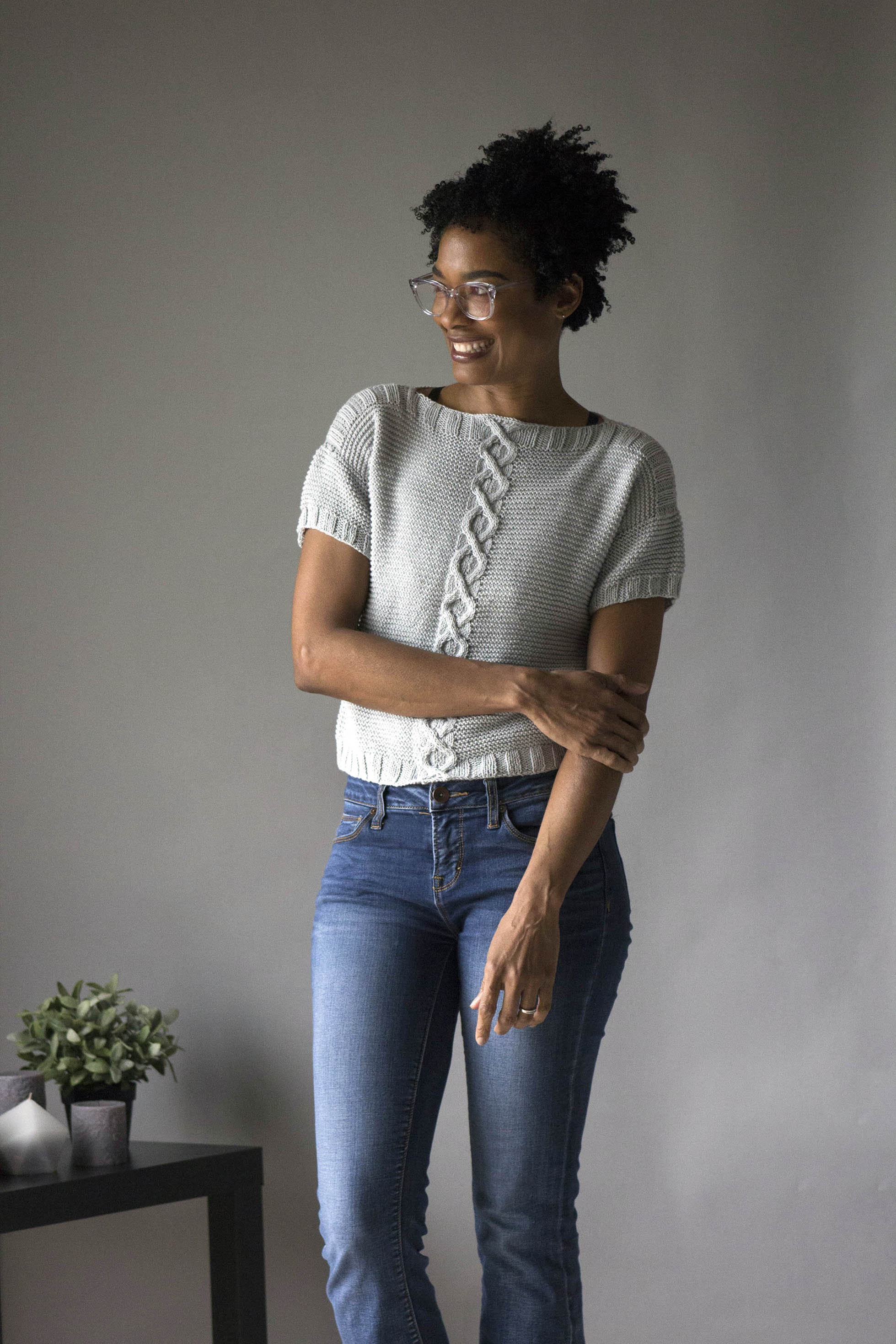
Smiling woman wearing light blue knitted Cora Crop tee in Bamboo Pop yarn

Today, the Cora Crop in Bamboo Pop (pattern link).

Well, if this isn’t perfect for summer, I don’t know what is.

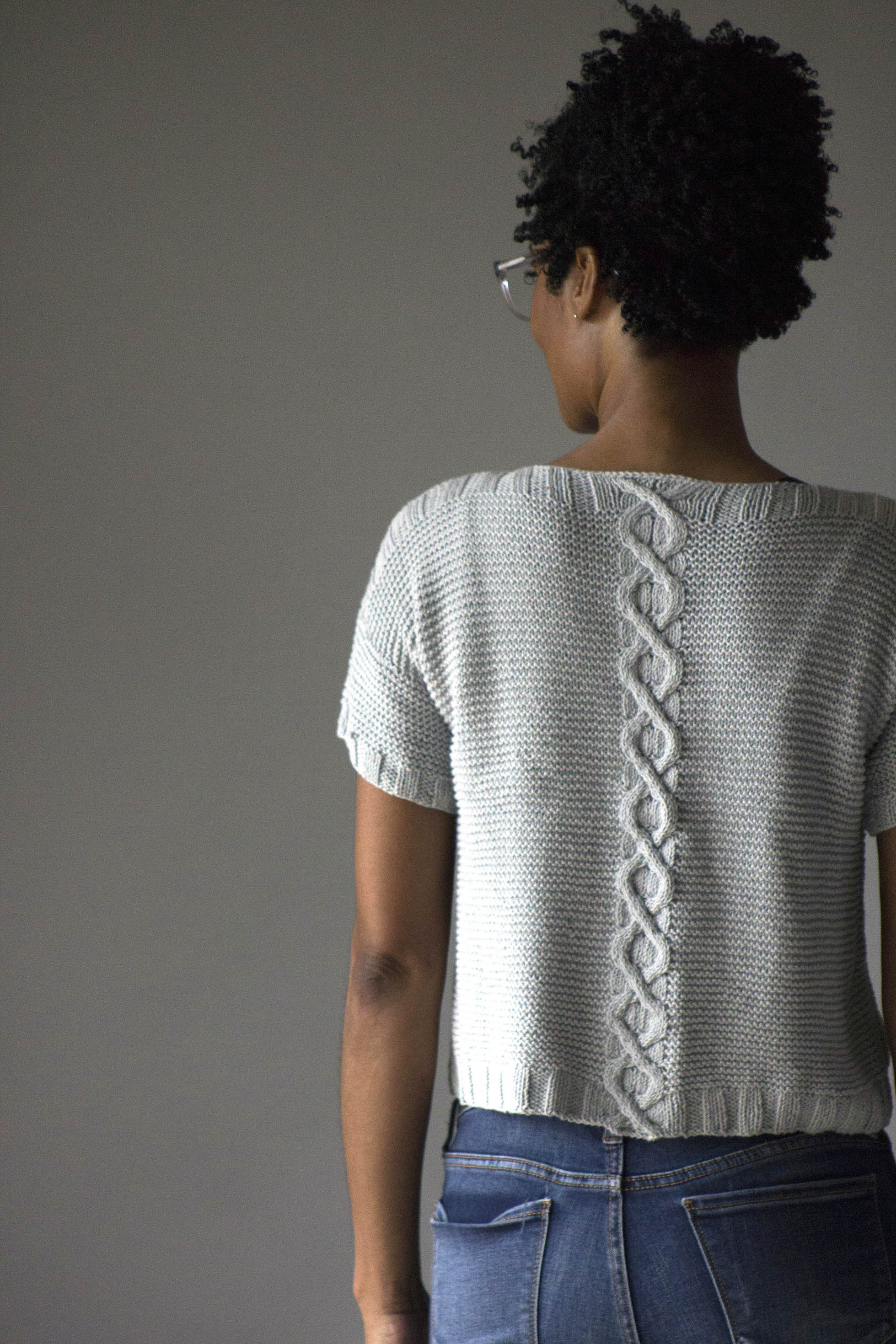
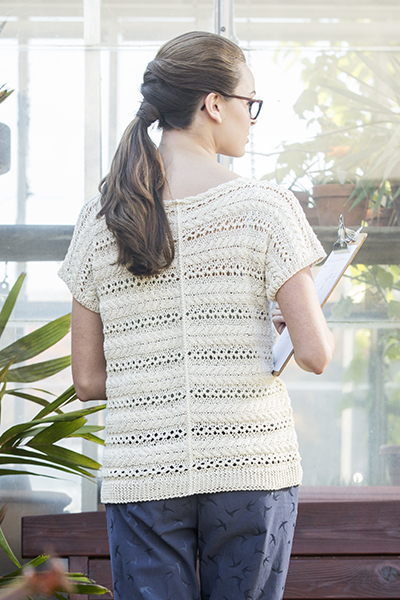
Rear view of cabled Cora Crop knit in Bamboo Pop yarn

This is a surprisingly simple knit with no shaping.  The cable is centered front and back.

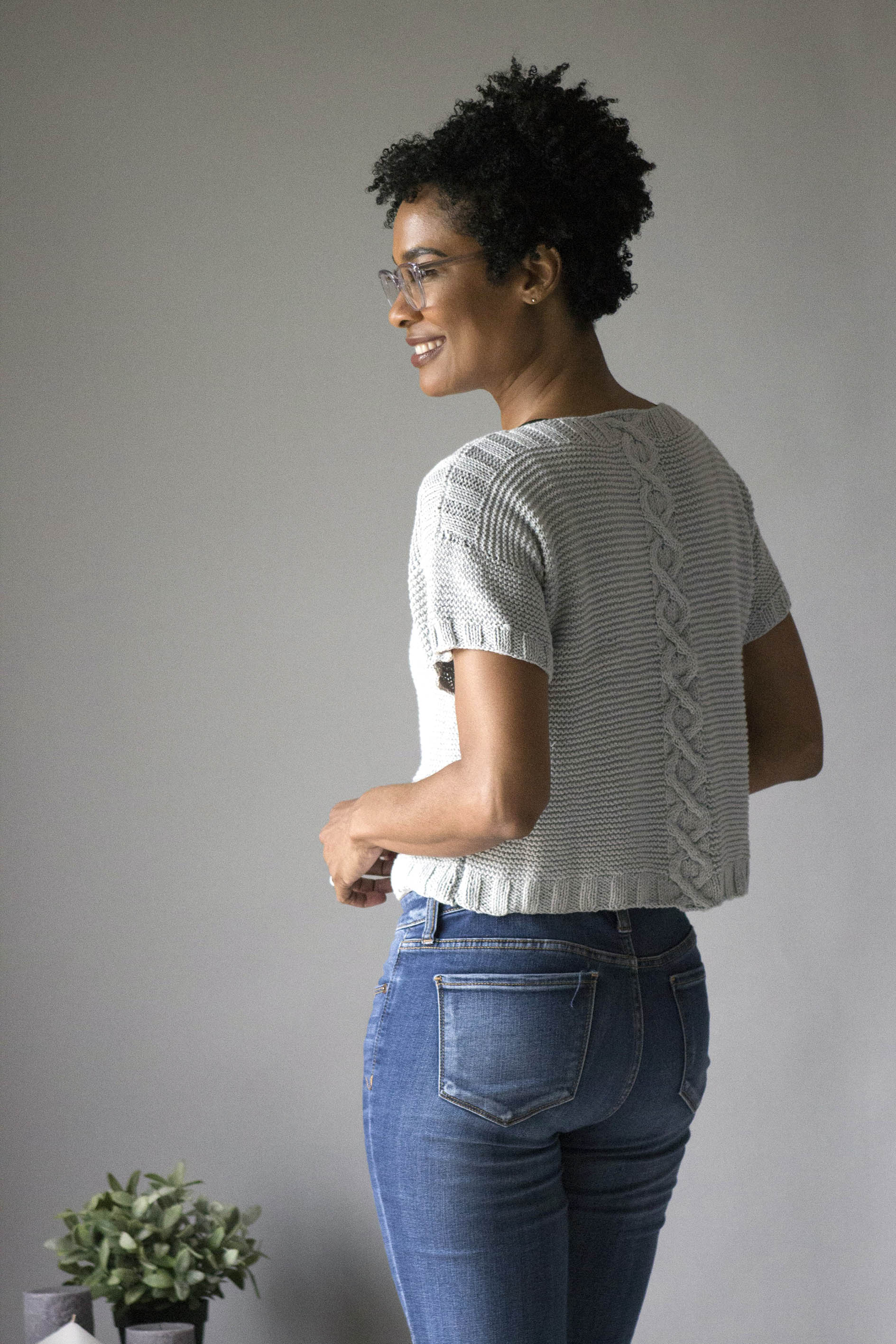
Rear view of woman in cabled Bamboo Pop tee

Front, back, and sleeves are knit flat from the bottom up. 3×3 ribbing is a great detail at the edges and shoulders.

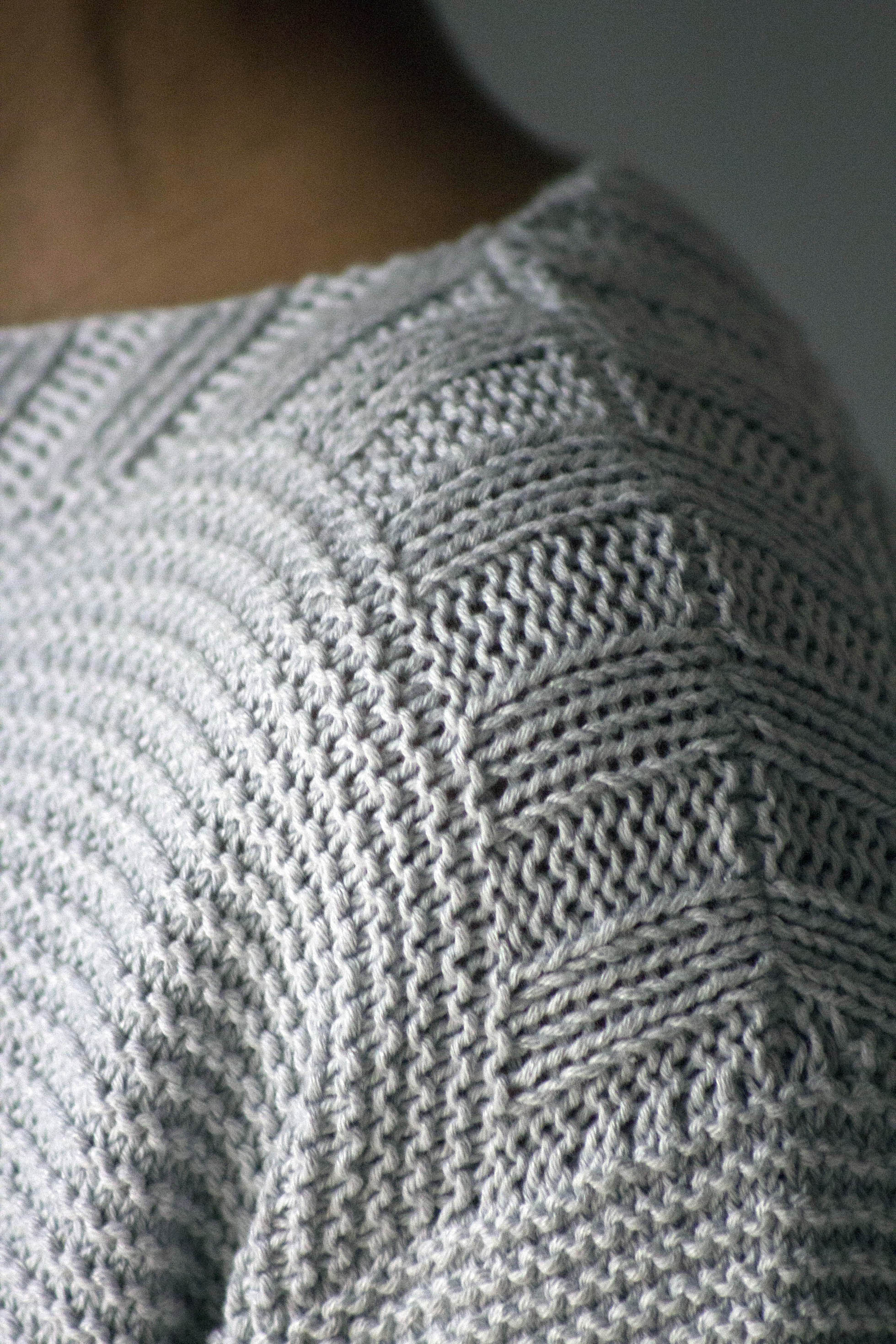
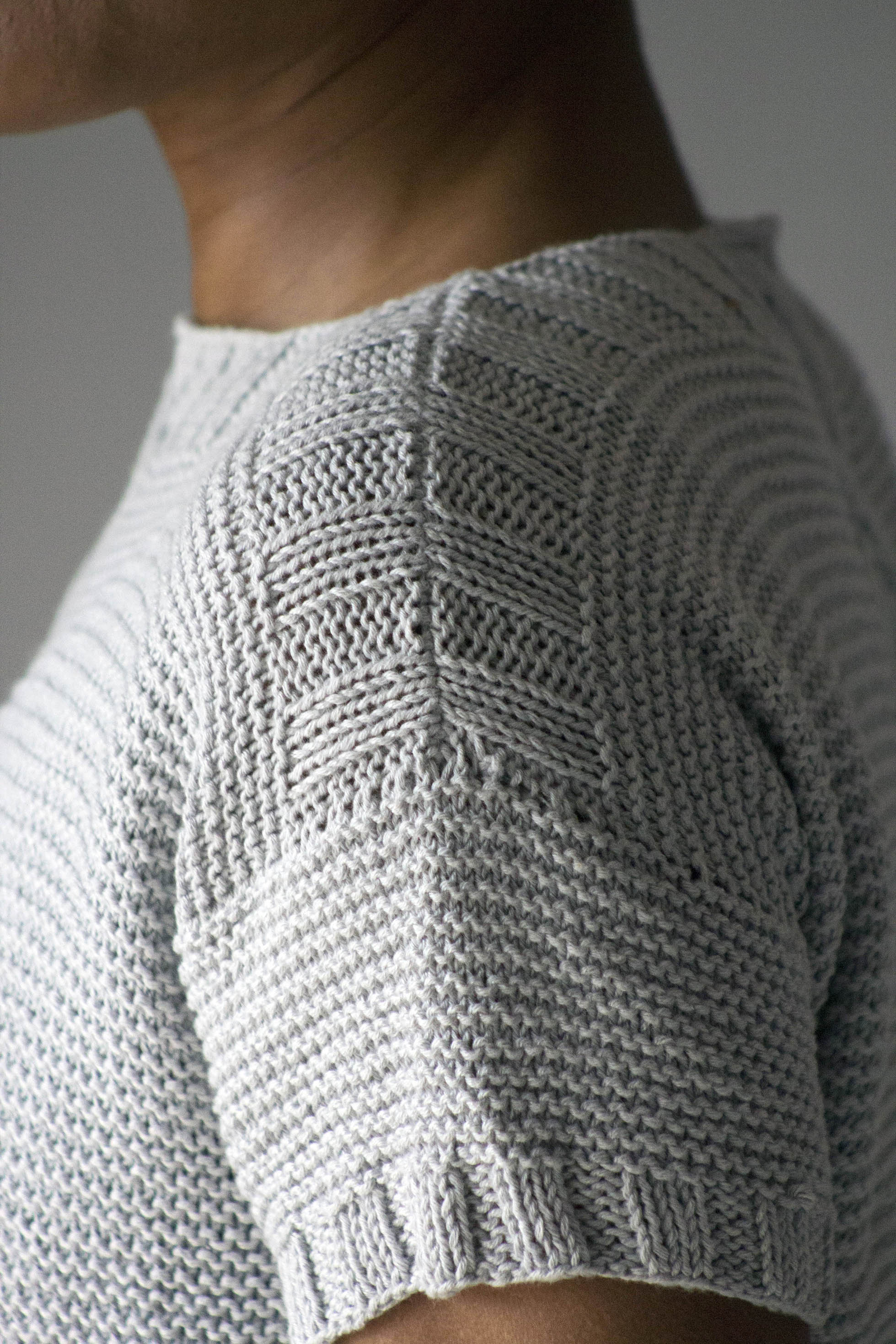
Closeup of seam at shoulder of knitted top

Shoulders are joined with a three-needle bind-off for stability in this seam, also ensuring that the ribbing pattern lines up perfectly.

Detail of sleeve on light blue short sleeve knit pullover

Bamboo Pop, a bamboo/cotton blend that’s a favorite for lightweight projects, gives a bit of shine to the clean lines of this top.

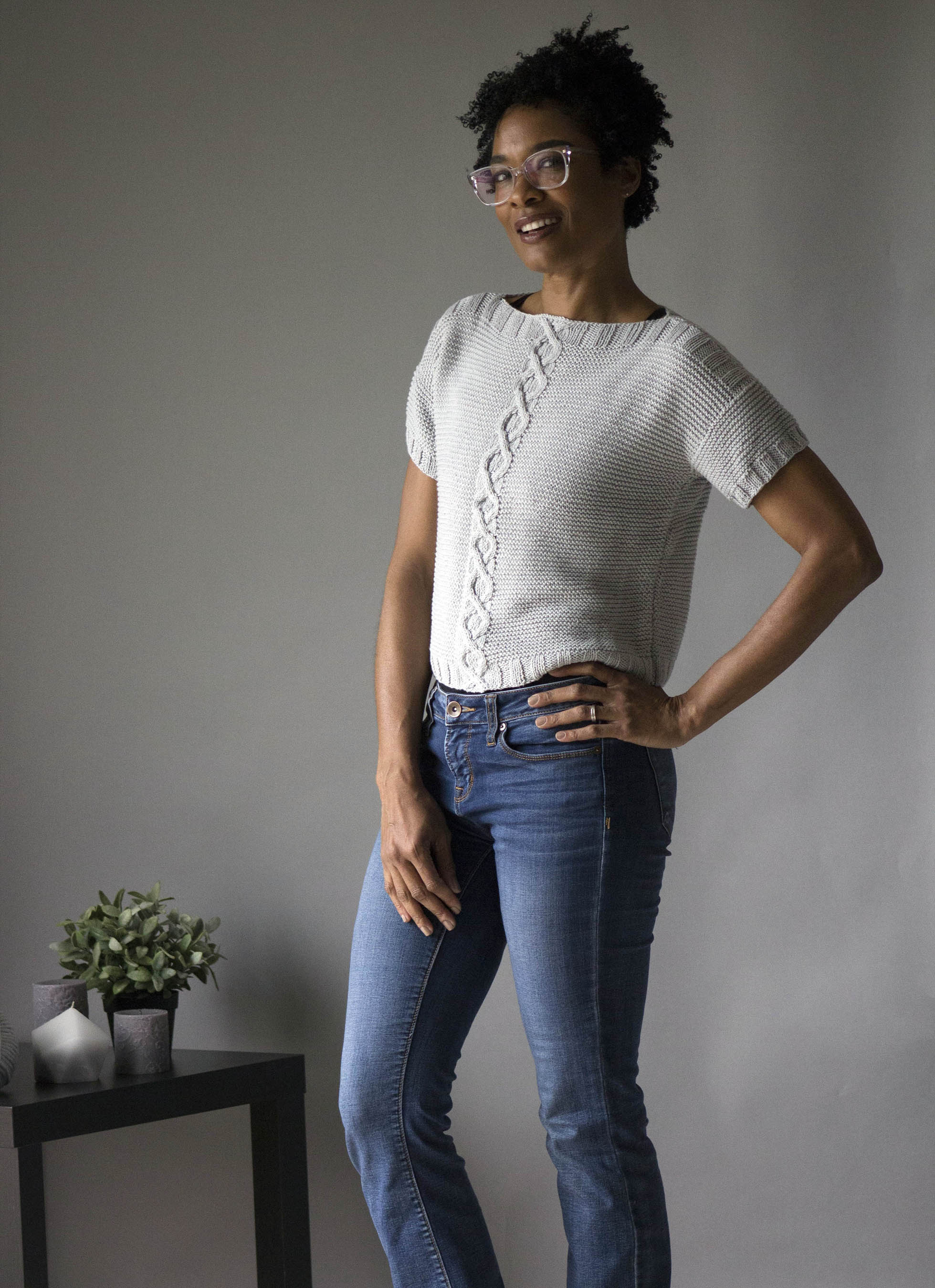
Woman with hand on hip modeling knitted tee

We hope you have a fantastic weekend.

Happy crafting!

Light & Shadow: Design Highlights

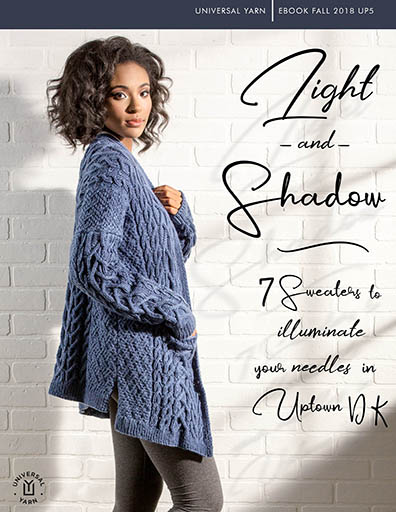
Perhaps my favorite collection we’ve released for fall so far is Light & Shadow. It’s a collection of gorgeous, incredibly wearable patterns knit in anti-pilling Uptown DK.

Universal Yarn Uptown DK

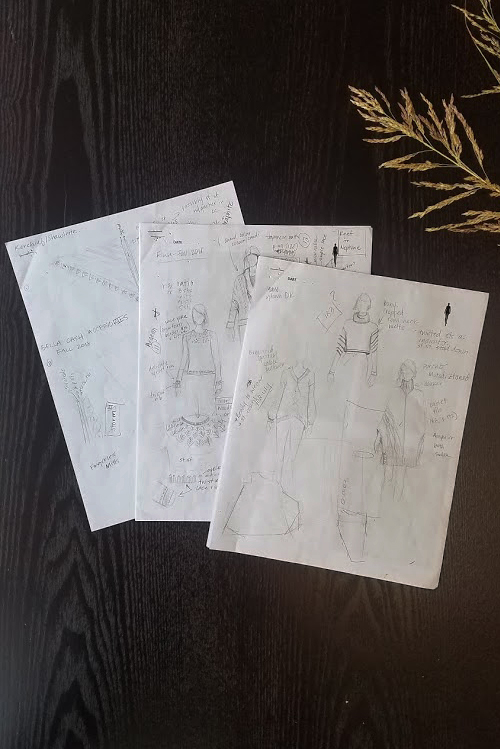
A lot goes into planning our pattern collections, and it’s always so exciting to see designs develop. Amy and I begin with a mood board. Then we move on to creating rough sketches. You can see a few of mine from our recent collections below:

From left to right: Small Pleasures using Bella Cash, Vibrance in Lace using Finn, and Light and Shadow using Uptown DK.

Naturally not every sketch makes the final collection. Amy and I work on numerous ideas separately, then we meet to share our ideas, select the designs that will be a part of the collection, and choose colors. Then we get hard to work on making these ideas a reality.

So, which designs made the final cut for Light & Shadow?

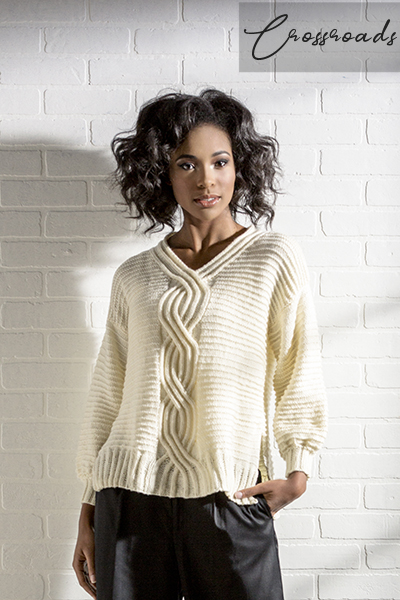
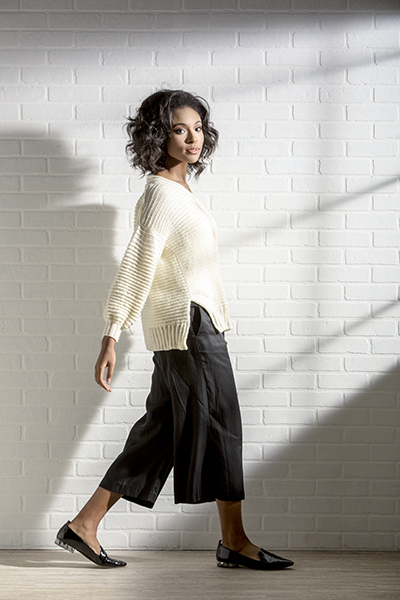
I have three designs in the collection. First up: Crossroads.

Universal Yarn Uptown DK

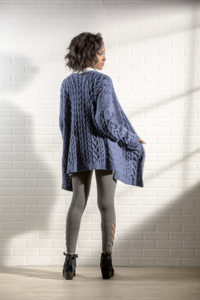
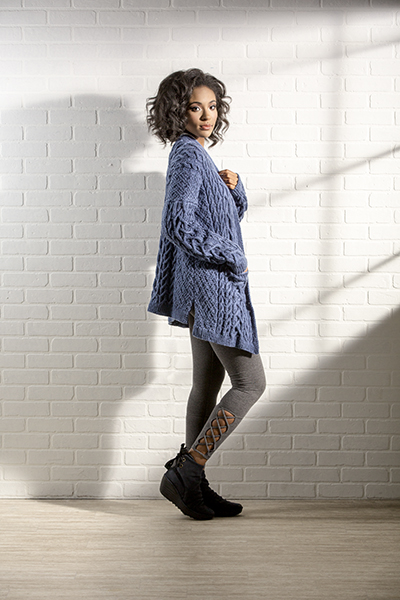
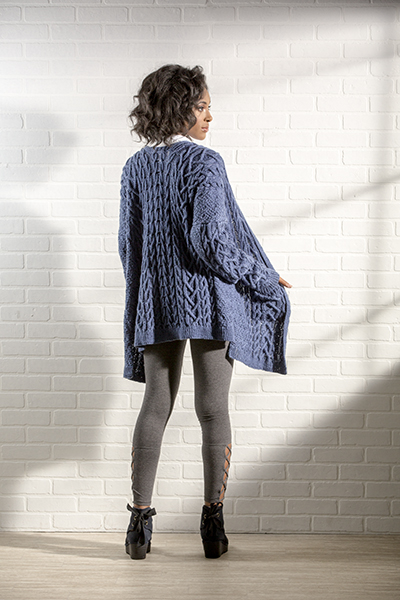
If I had to choose a favorite, this might be it. This design started with a bold cable from Norah Gaughan’s Knitted Cable Sourcebook. I didn’t want to just slap the pattern onto a sweater. I opted for a relaxed, cozy fit with drop shoulders, garter ridges, a split hem, and understated bishop sleeves.

The sleeves sit at bracelet length on our fantastic model, Jarin, however; it’s super simple to lengthen them as the shaping occurs just before the cuff.

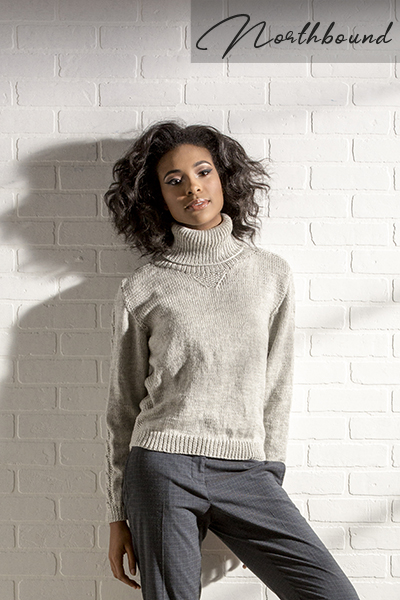
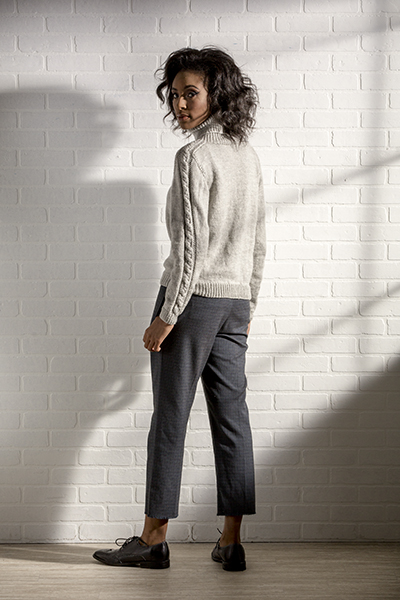
Next, we have Northbound.

I wanted to create the perfect, infinitely wearable turtleneck. I know not everyone loves turtlenecks, but I sure do! Northbound was initially imagined as a proposal for a print magazine before I started working at Universal. I loved it, so I held onto the idea – the Light and Shadow collection seemed to be a perfect match.

Northbound has some of my favorite design elements: set-in sleeves, saddle shoulders, seed stitch, and cables. If you love a simple design with thoughtful details, this pattern is for you.

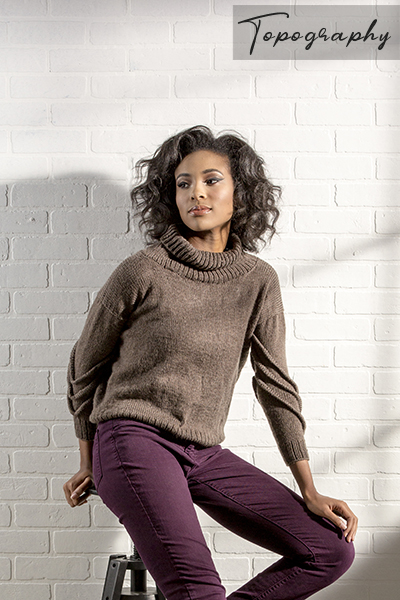
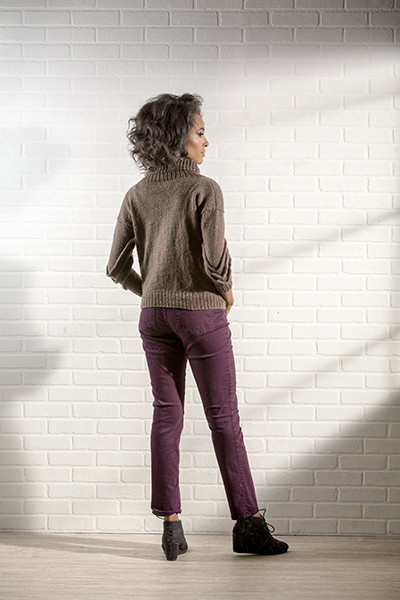
My final design is perhaps the most unique: Topography.

Topography features sculptural welts that move diagonally across the sleeves. The effect is simpler to construct than you might expect.

The sleeves feature traveling twisted stitches that are used as a guide to creating the welts. After you’ve knit the sleeves, stitches are picked up stitches along the legs of the twisted stitches. Then you simply knit and graft. Easy-peasy. Not a fan of the welts? Just stick with the twisted stitches and you have a simple wardrobe staple.

Free Pattern Friday – Little Hoodie

It’s Free Pattern Friday!

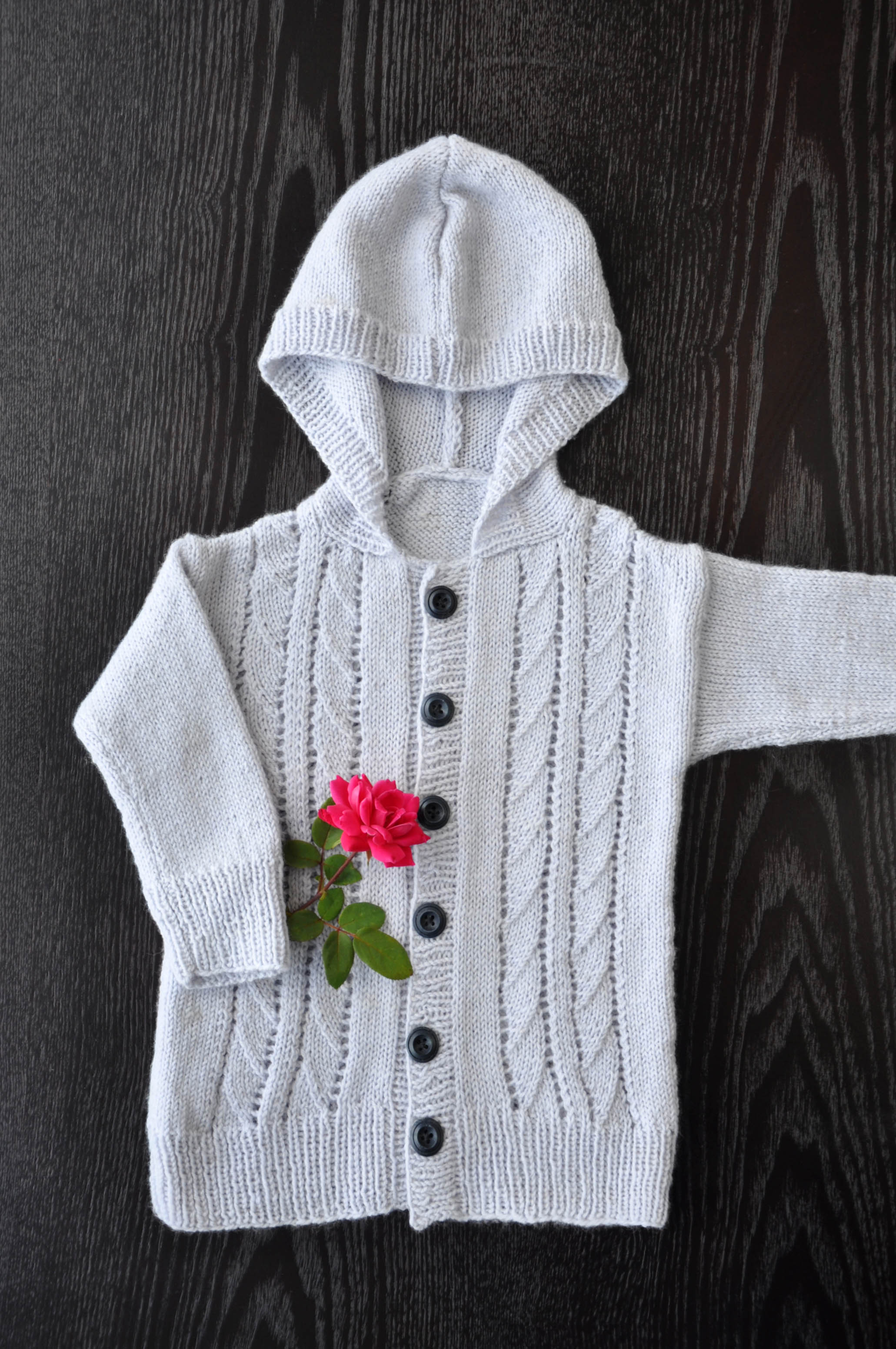
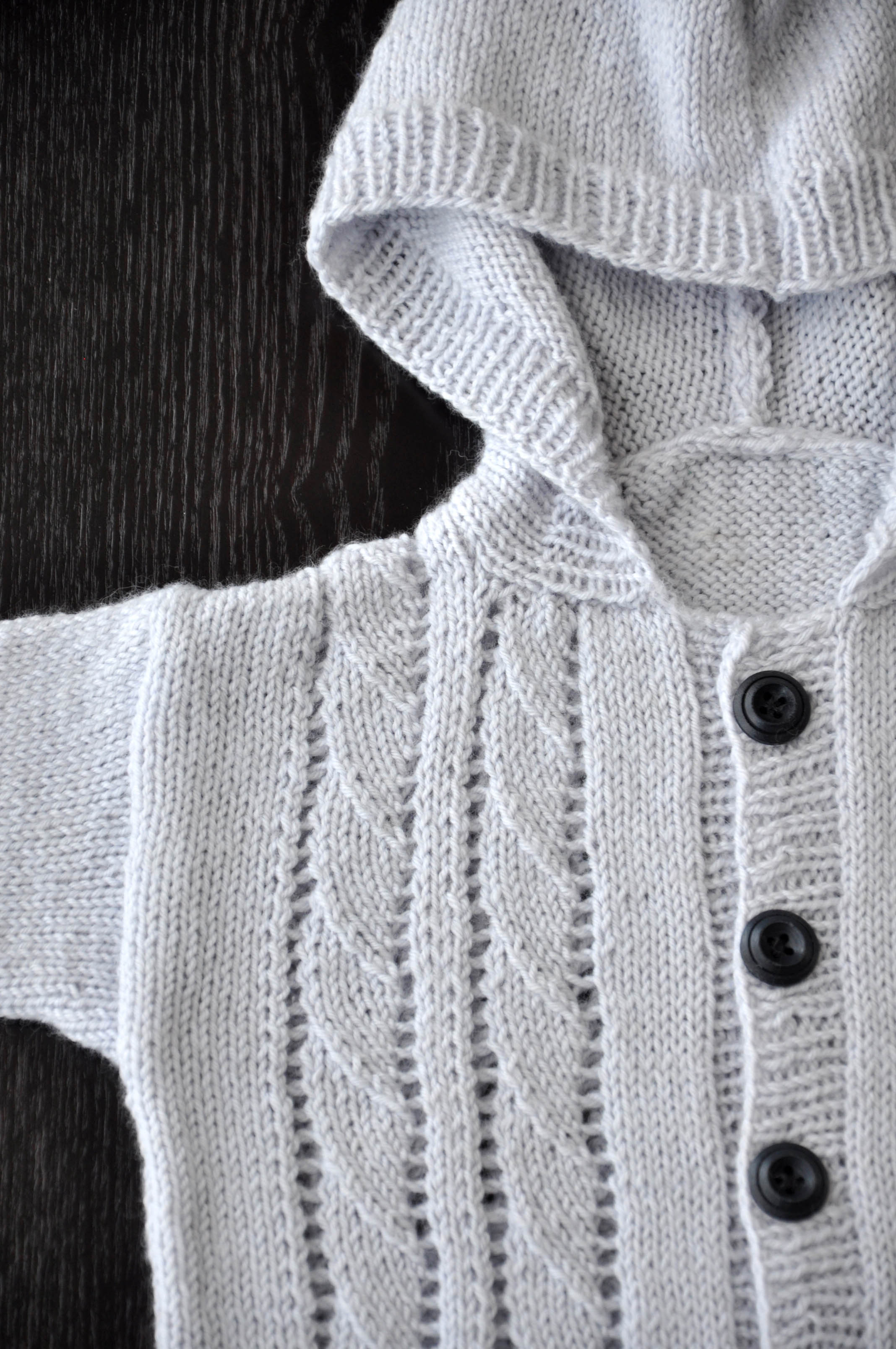
Gray knitted child-sized hoodie on black background

Today, the Little Hoodie in Bella Cash (pattern link).

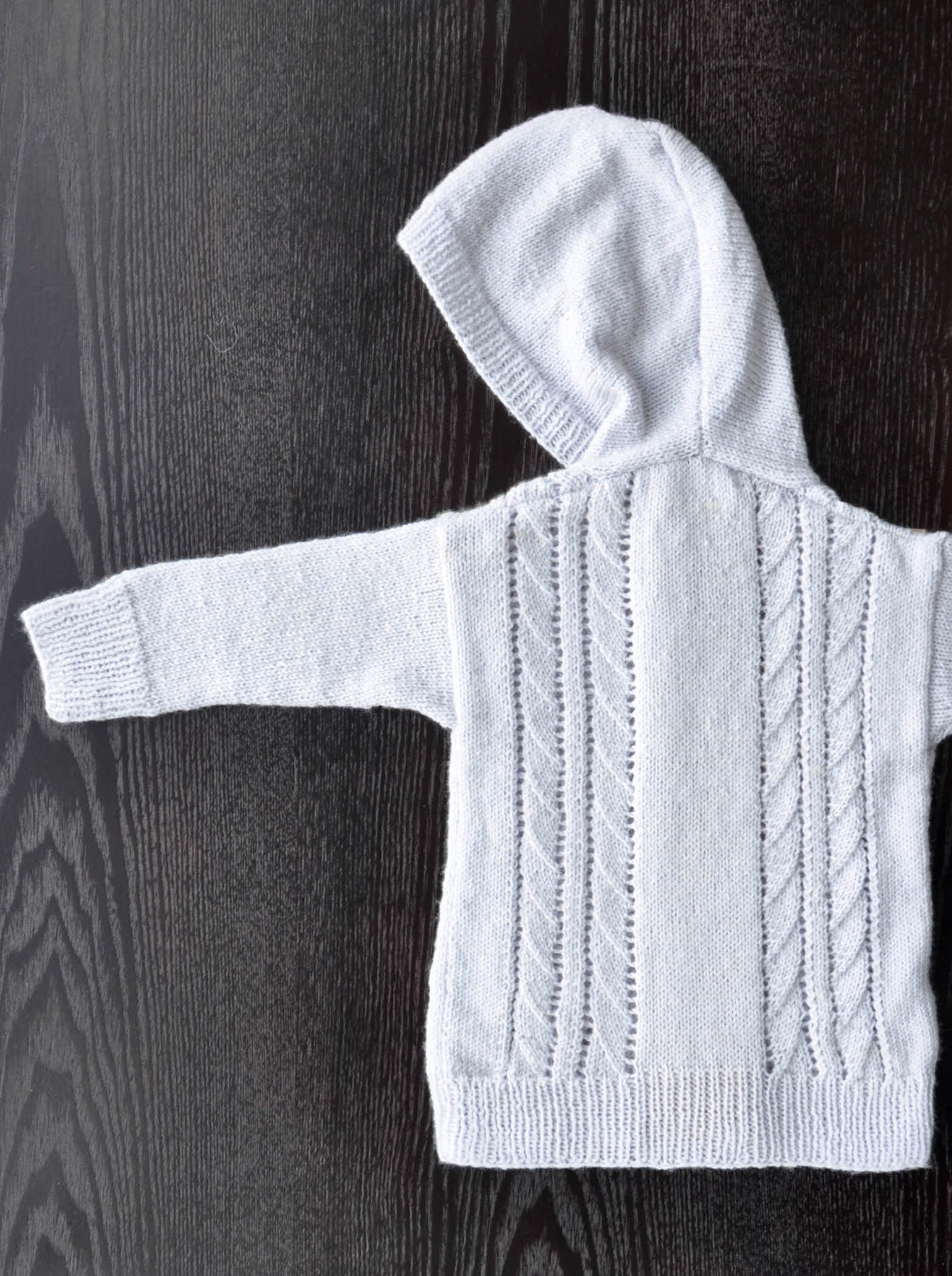
We love a classic with a twist.  This hoodie is constructed traditionally, in pieces and seamed, but two things make it special: one, the balanced panels on front and back – the ssk and k2tog on right and left panels add a nice symmetry – and two, the yarn.

Back side of knit gray child hoodie

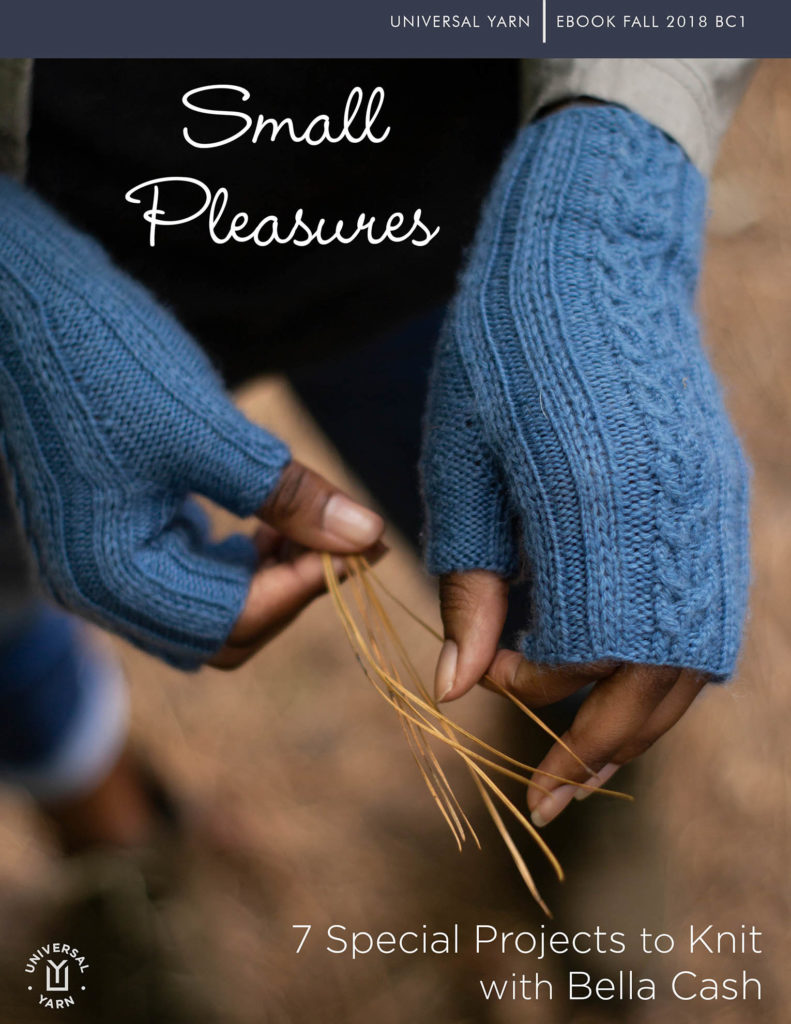
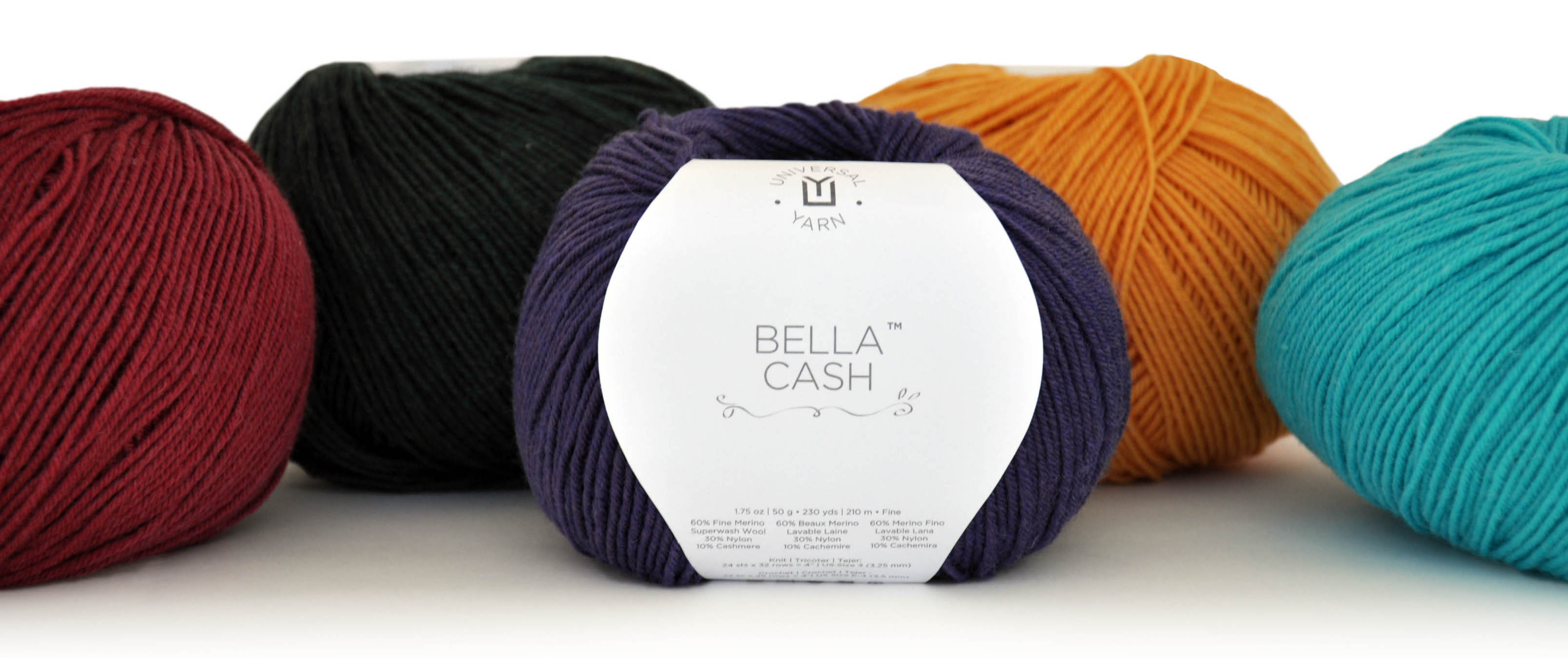
We’re big fans of Bella Cash (230yds/50g).  Its softness and machine washability make it perfect not just for baby garments, but also for adult projects and accessories.  (In fact, in a bit of a coincidence, we released our newest pattern collection today – Small Pleasures, featuring 7 knit accessories in Bella Cash.)

e-book cover titled Small Pleasures showing hands wearing blue knitted fingerless mitts

We’ll be talking more about these beauties in the days to come.  For now, back to today’s free pattern!

Gray children's hoodie knitted in Bella Cash yarn

We’ve sized this from 0-10 years, so you might choose to go with the classic pastels…

or something a little bolder.

Whatever you choose to do, we hope you have a great time knitting this fun hoodie.

Happy crafting!

Schematics 101

Most knit and crochet garment patterns contain a super helpful thing in them called a schematic. Every garment pattern we release contains one of these. If an accessory has a unique construction, we’ll add one there, as well. A good schematic should at minimum incorporate these elements:

  • measurements for most, if not all, lengths/widths/circumference, etc of the item
  • be drawn to proportionally to scale (of course, as garments get larger in size, these proportions will change. I personally draw my schematics based on the smallest size)
  • show a single line drawing/piece for a seamless garment, or separate pieces for a seamed garment, or some combination of the two, depending on construction
  • bonus points for arrows or indications of what direction the various pieces are worked

I’ve had a few recent conversations with knitters who either completely ignored the schematic in a pattern, or were unsure about how to interpret the measurements and other details in them. With this uncertainty, things either went awry, or they lacked the confidence to feel like they were on the right track with their projects.

Right here, right now, I very passionately would like to clear some things up about the Mighty Schematic.

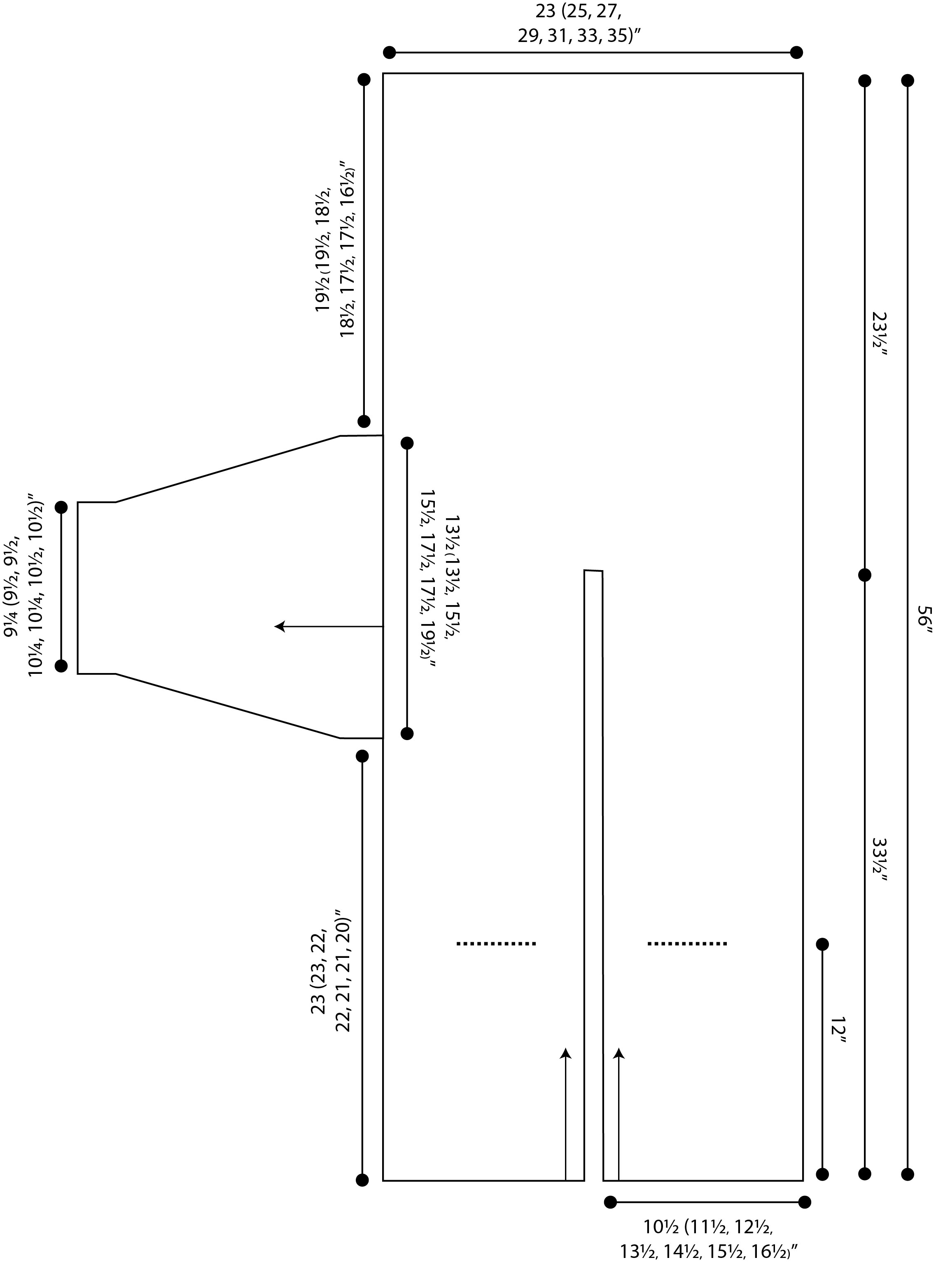
Example #1: Brook Cardigan:
It might be a little overwhelming at first with so many numbers and arrows and lines. But each of those things has a reason for being there, and it’s to help!
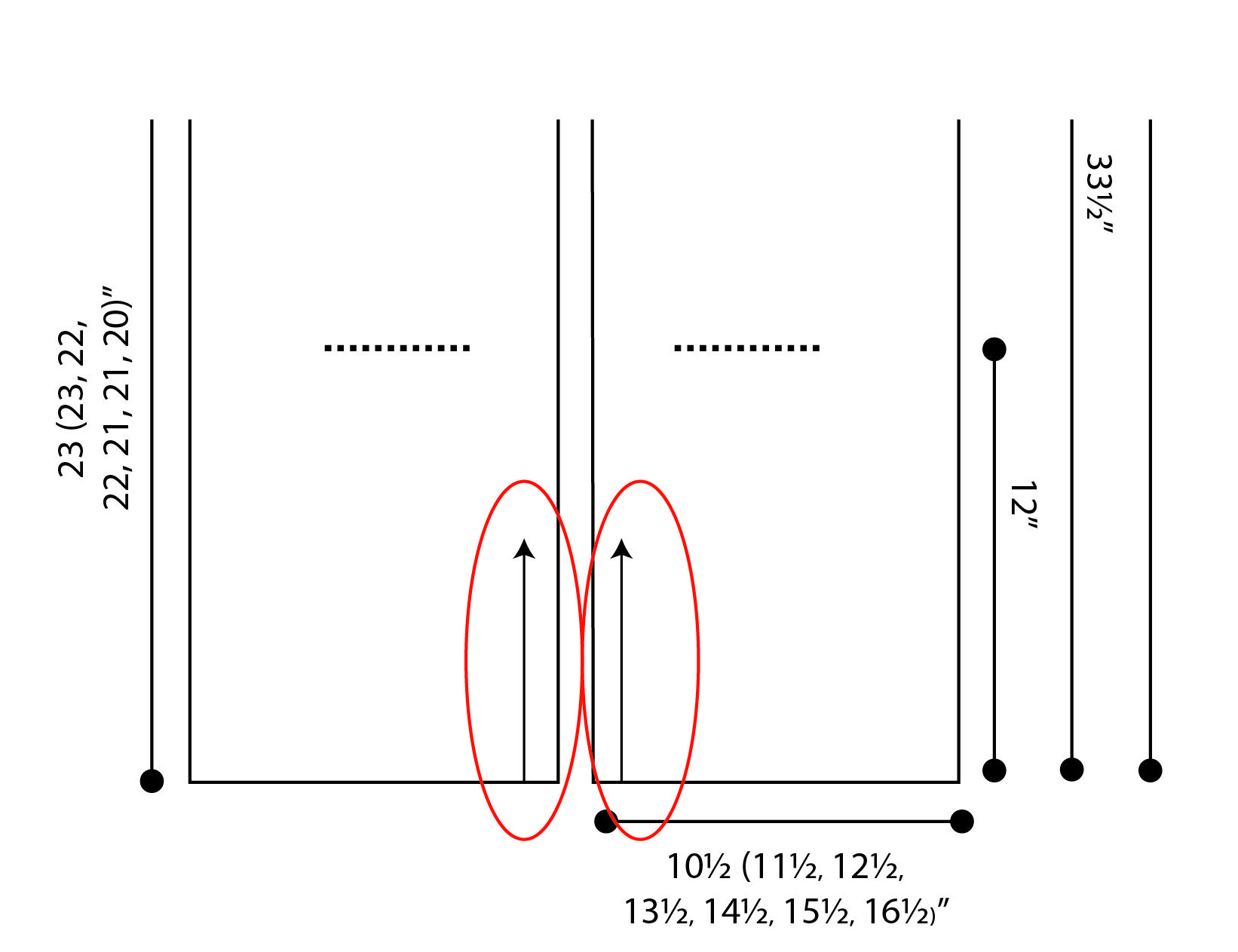
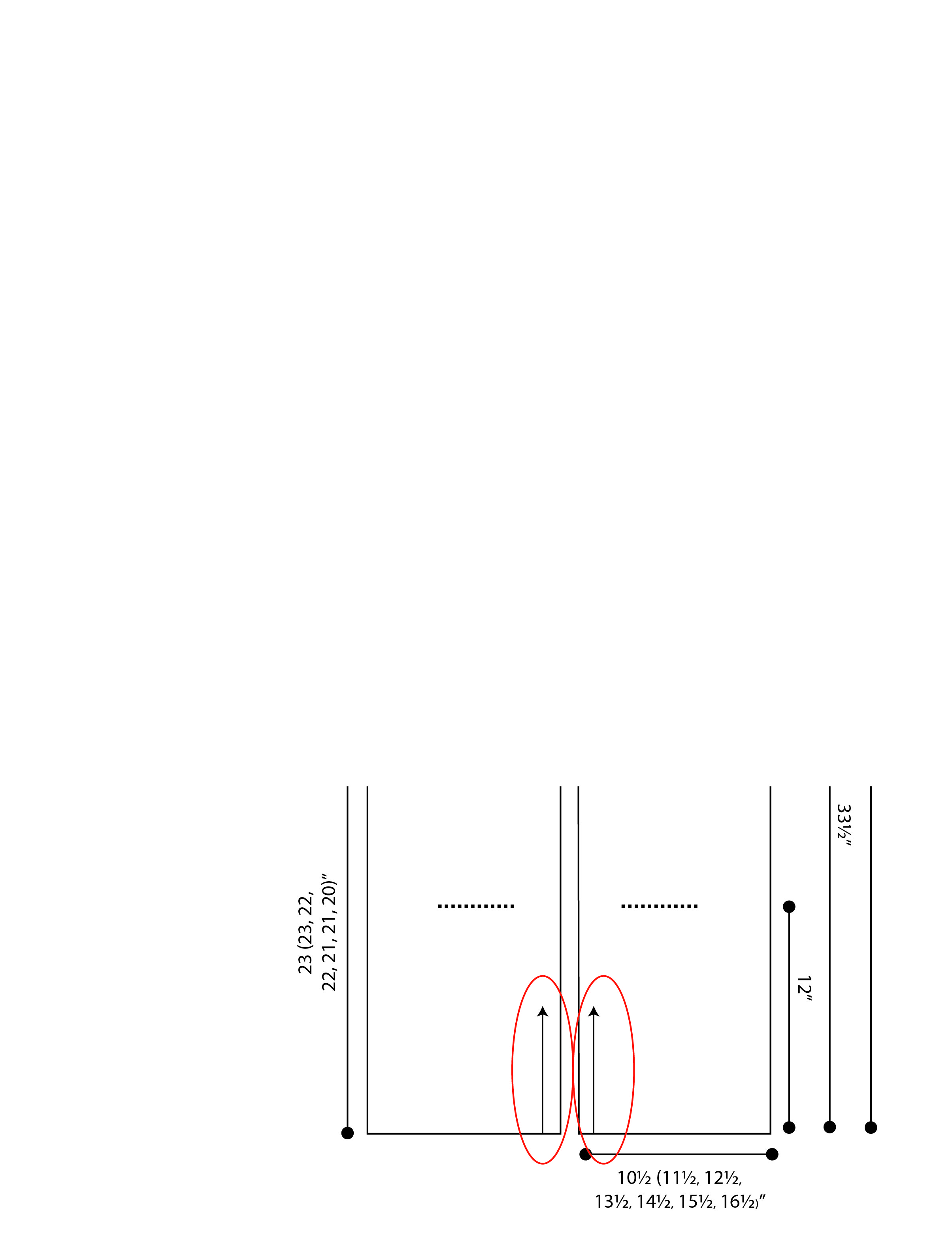
First, let’s take a look at the arrows on the drawing. At the very bottom edge, there are two arrows pointing upward. These arrows indicate the direction of knitting. It means you will knit the two front pieces separately to start. And see how they’re joined with a solid line at the neck? At this point you will join the two sides, and knit the back downward in one piece.
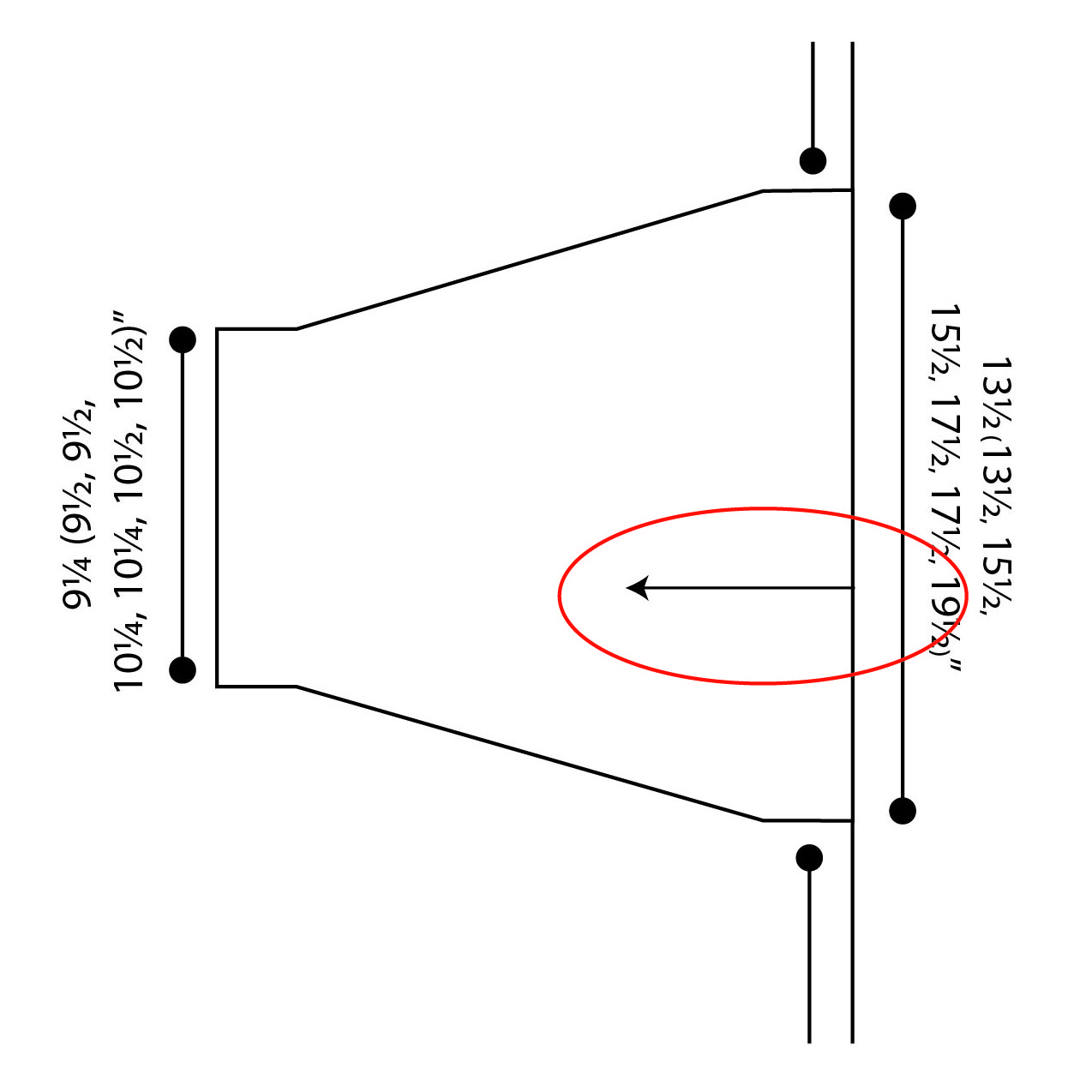
Likewise – see the sleeve with the arrow on it? This indicates that stitches are picked up along the side of the body, and the sleeve is knit outward from there.

The pattern notes are another place in a pattern where you can pick up helpful information about the construction of the item. It’s a good idea to read through these in addition to consulting the schematic.

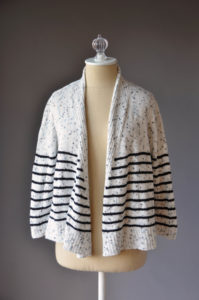
Example #2: Grand Staff Cardi
I’m not going to name names (ah-Krista-em), but one of the folks in customer service is knitting this project in Bamboo Pop, and came to me with concerns a couple of months ago. In fairness, there is a lot going on in this schematic. But the issue Krista was having wasn’t particularly with the construction, as it’s clear from the pattern and pattern notes itself how the construction works.

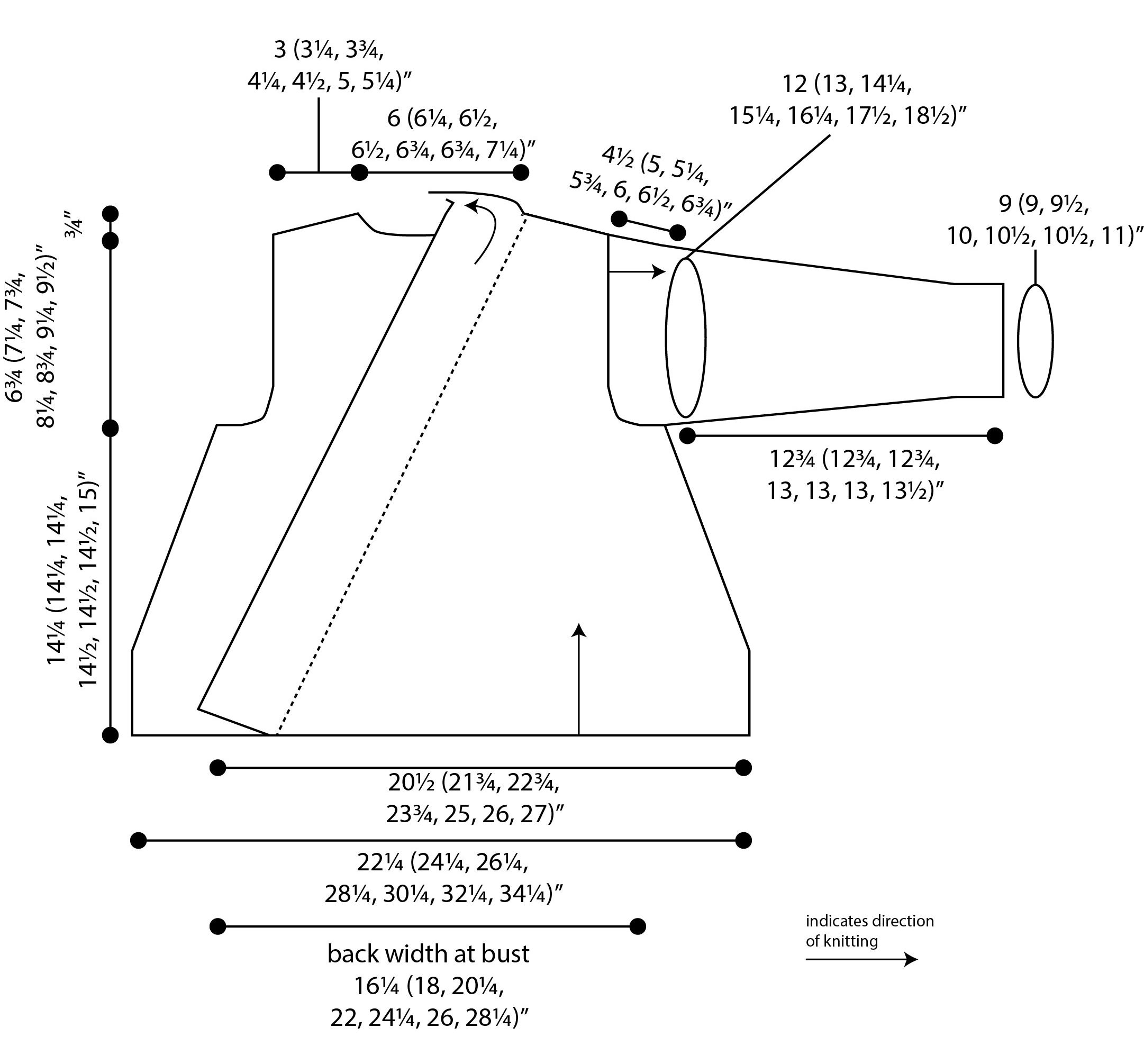
Krista is a petite thing, so she’s making the small size, which has a finished bust of about 35″. Her concern was that as she was working on her back piece, it was measuring 24″ after casting on. This could be a valid concern – after all, 2 x 24″ would make for a whopping 48″ cardigan which would be much too large for Krista.

She measured gauge and was spot-on, so it wasn’t making sense why her stitches measured so wide on the needle. The detail that eluded Krista: this cardigan is A-line, which means it is wider at the hem than it is at the bust line.
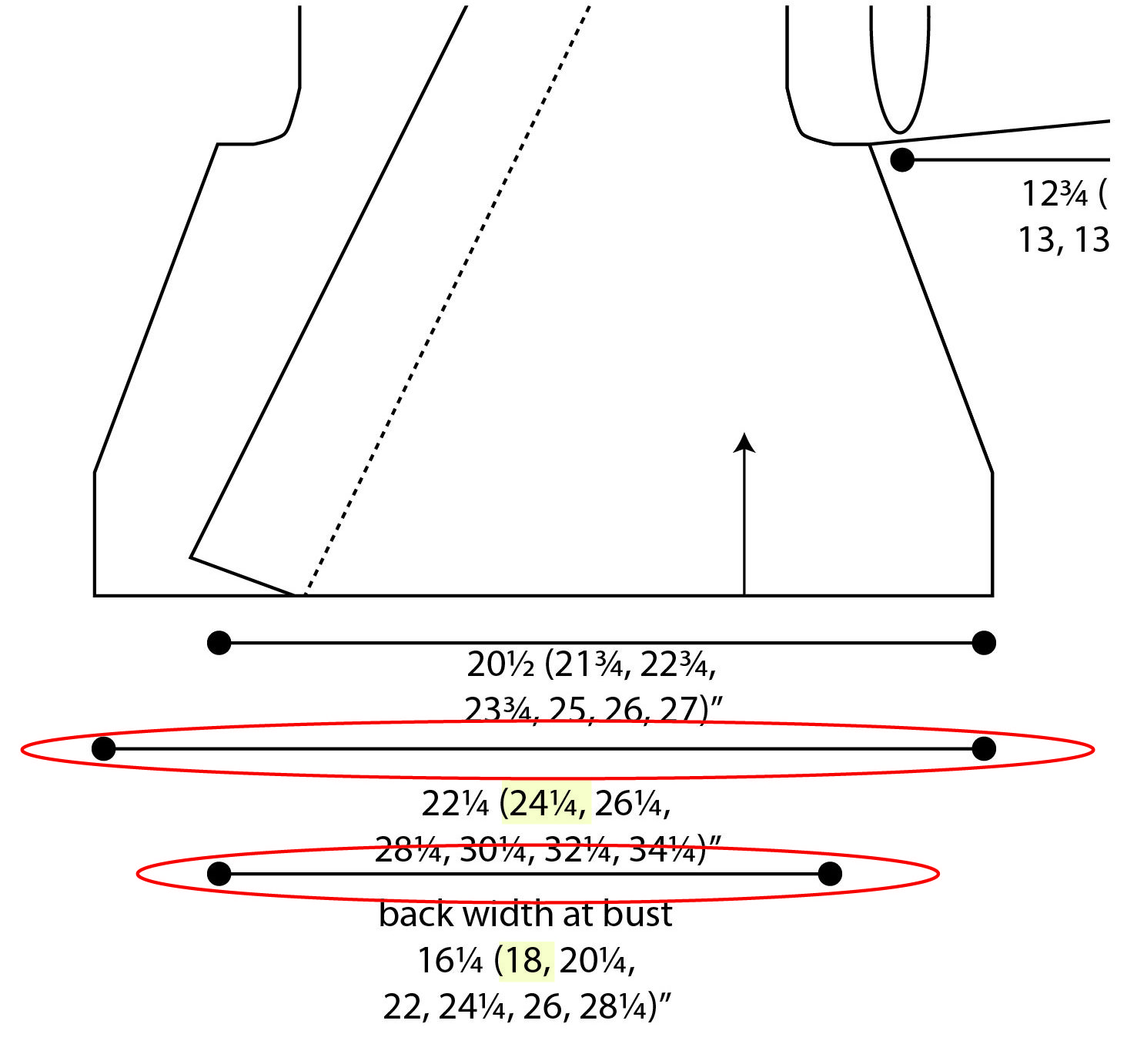
That wide line that’s circled up there – that is the measurement of the back at the cast-on edge. We know this because the line travels the full width of the back. The shorter line below it is the back width at the bust, which is 6″ less wide. Krista had not consulted the schematic, hence her panic. Once we took a look and I assured her she was on the right track, everything went swimmingly. And I can’t wait to see her FO!

Example #3: Tranquil Tee
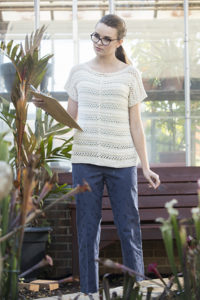
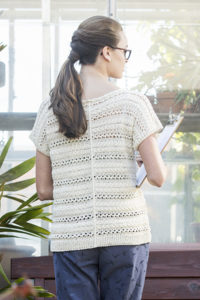
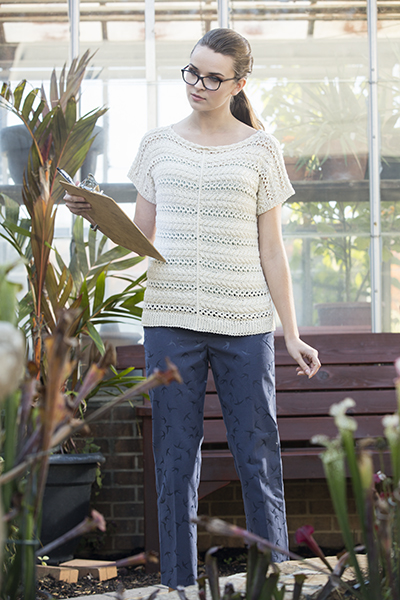
If you take a close look at the stitch patterns on this tee, you can probably figure out that it’s knit sideways. And if not, no worries – the pattern notes tell you so.
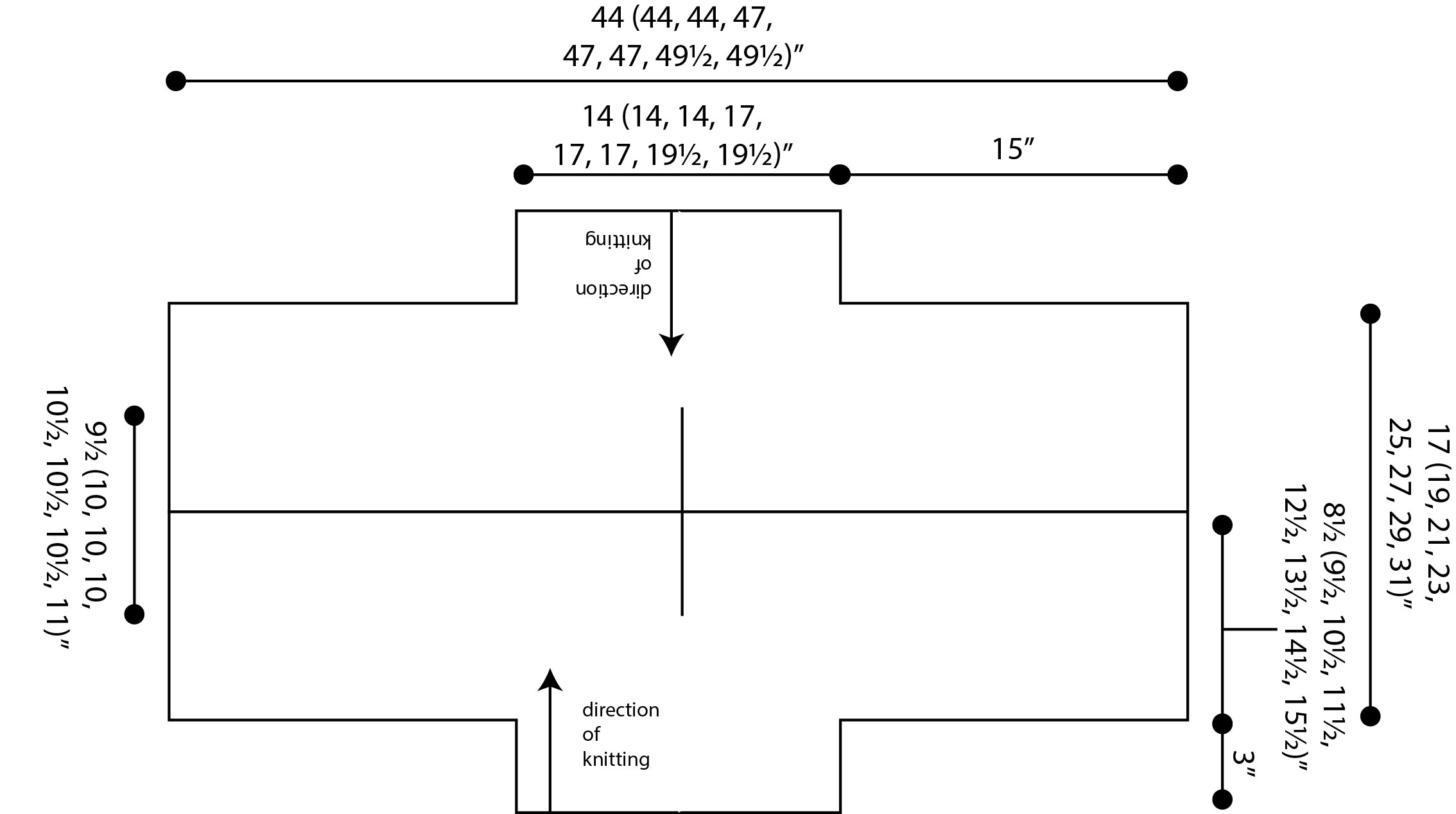
Additionally, the schematic shows exactly how your piece of knitting should look as you’re going along. You start by casting on with a sleeve, which is that rectangle at the bottom (and top) of the above schematic, knitting for 3″, and then casting on more stitches for the front and back of the sweater. The solid horizontal line indicates that this garment is knit in two pieces, and we can see that each piece is identical.
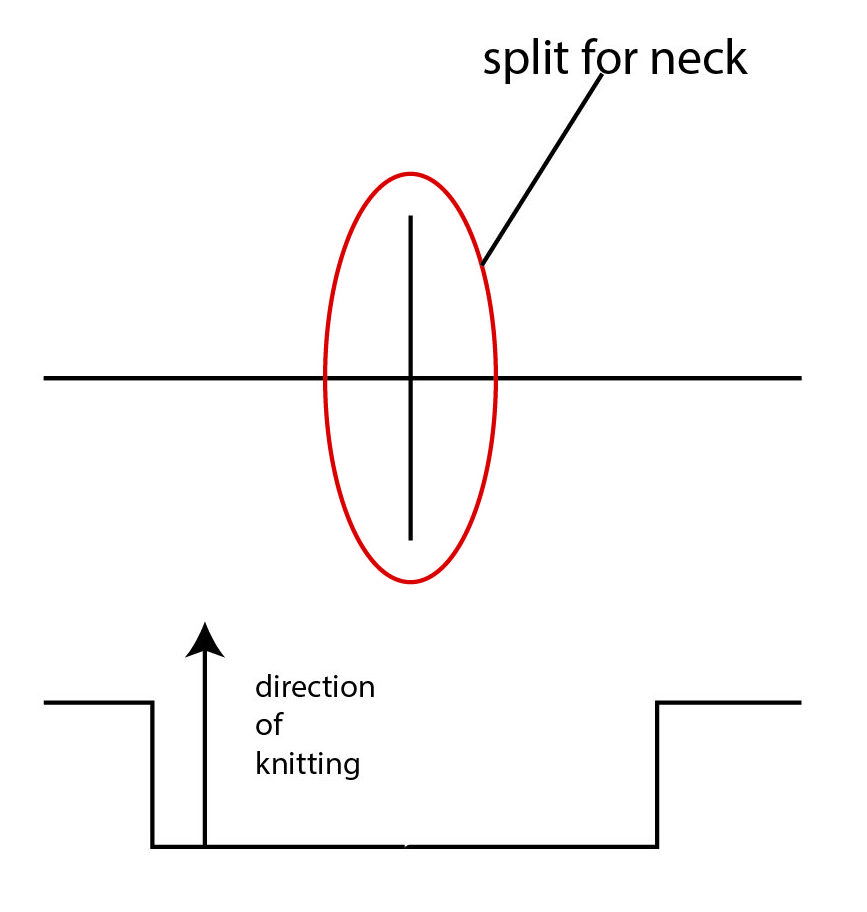
The solid vertical line right in the center is where each half is split for the neck. If you’re knitting along with this project, it might not make sense to split your piece right in the middle and knit the two sides separately. But with the help of the schematic, it helps to make sense of instructions that might not otherwise.

Example #4: Exhilarate
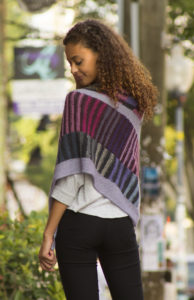
This is a garter stitch shawl, worked modularly. The knitting itself is not difficult, but without a diagram or schematic, it could be confusing to know where to pick up stitches for successive sections.
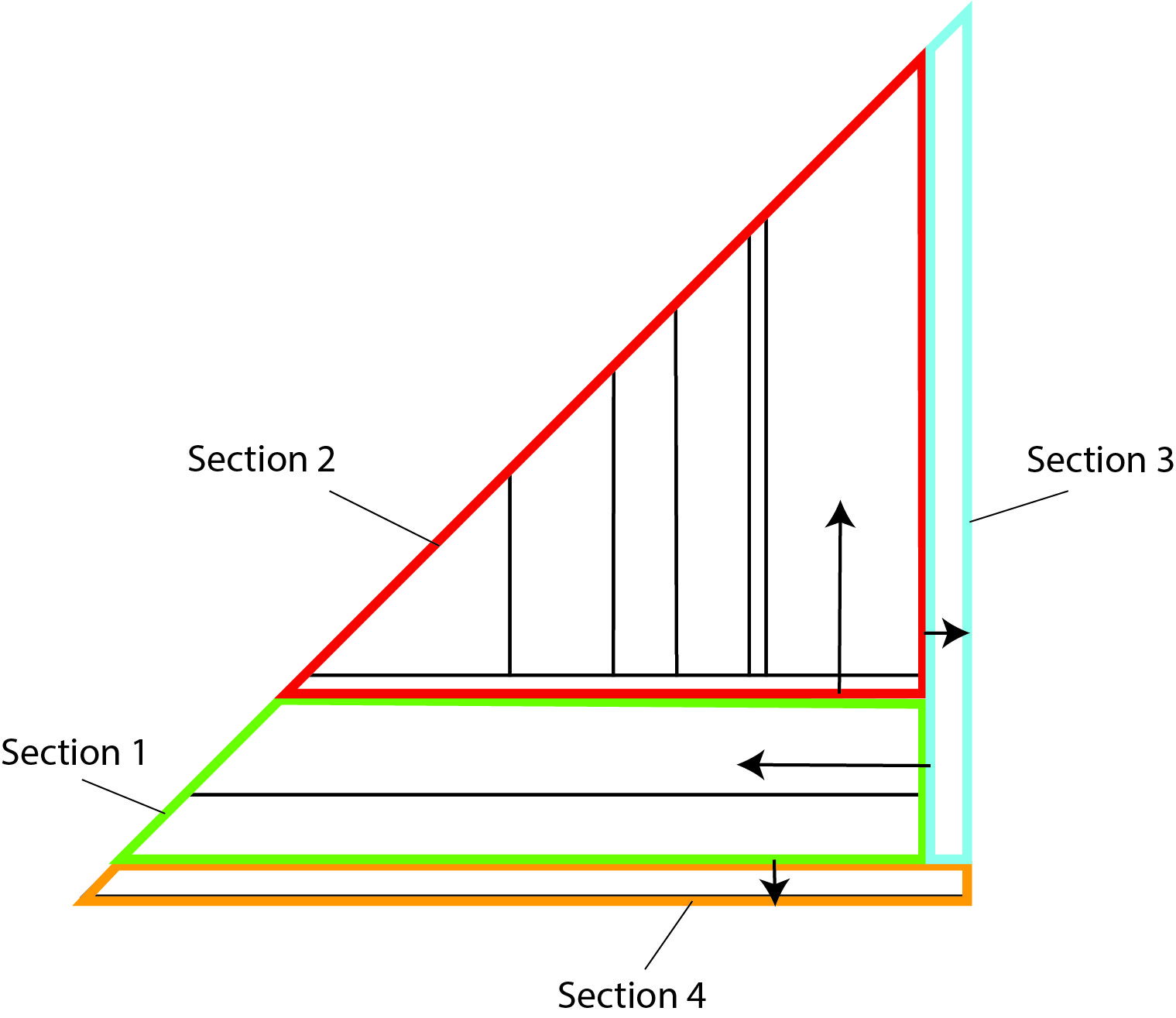
This drawing is really more of a diagram than a full-on schematic with numbers and things, but I wanted to include it anyway because it illustrates the construction of the piece.

In conclusion: Please don’t forget to look at your schematic! It is there to help, and it wants you to successfully knit your garment.

Do you have any other questions about schematics not mentioned above? Have a frustrating experience of your own about a schematic? I’d love to hear from you!


Free Pattern Friday – Double Square Pillow

It’s Free Pattern Friday!
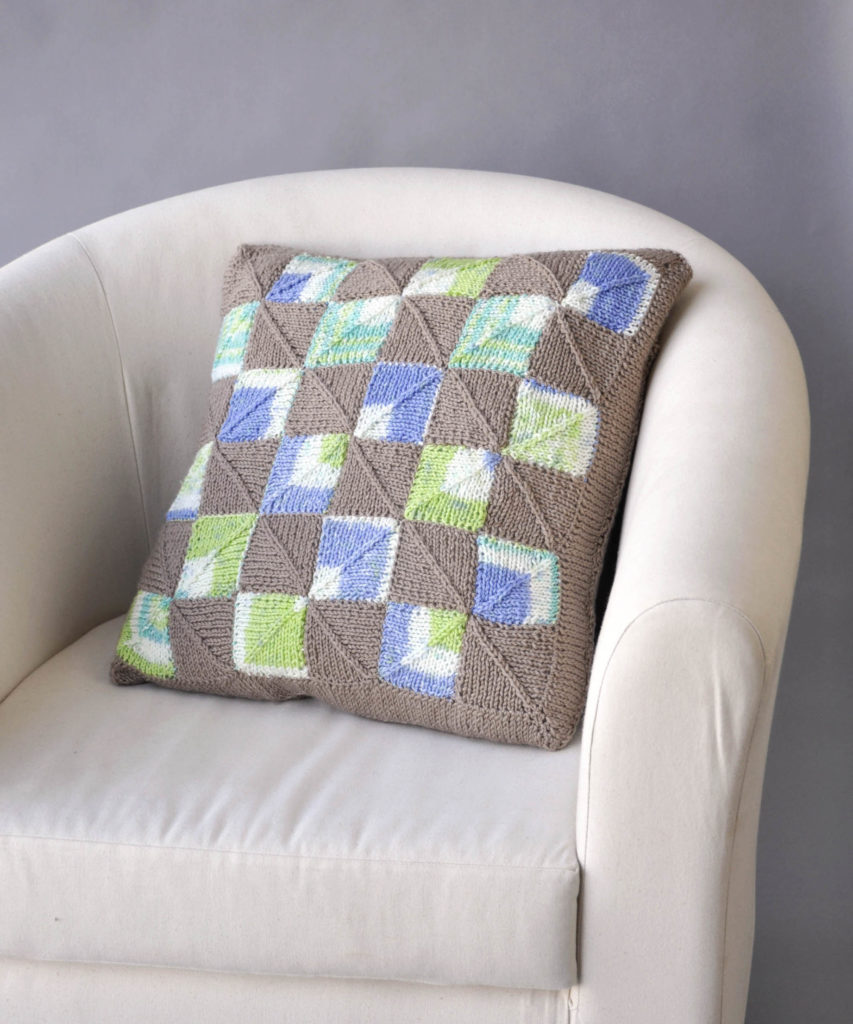
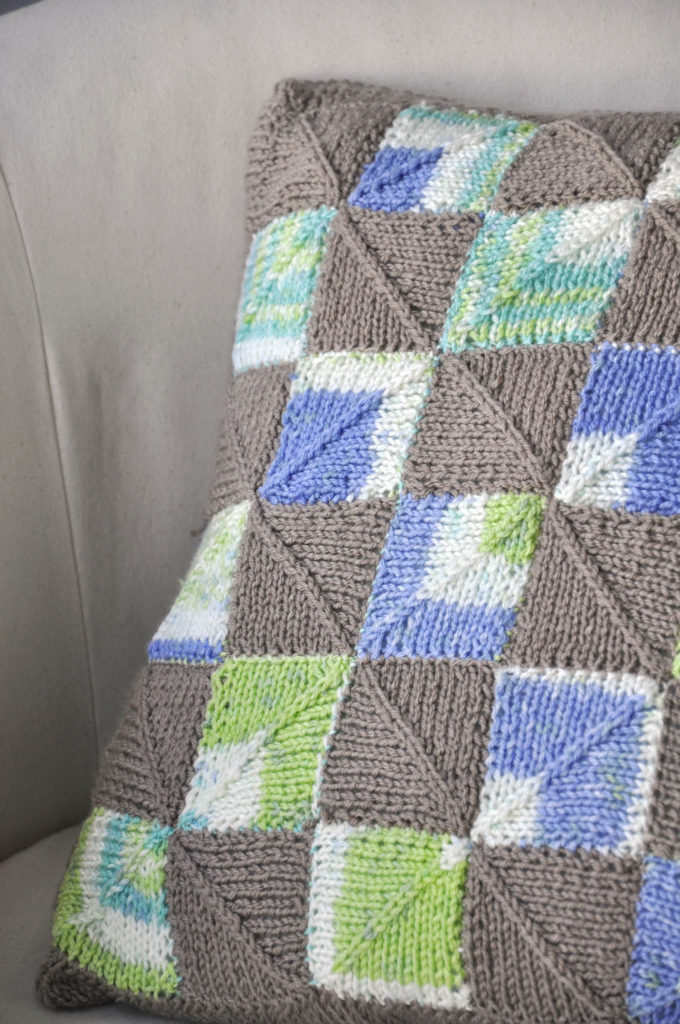
Tan, light blue, white, and light green mitered square pillow

Today, the Double Square Pillow in Uptown DK Magix (pattern link here).

Many of our LYSes feature an extended family of crafts.  We love seeing the embroidery, weaving, and quilting that’s going on out there.  And it was with quilting in mind that we created the mitered square Double Square Pillow.

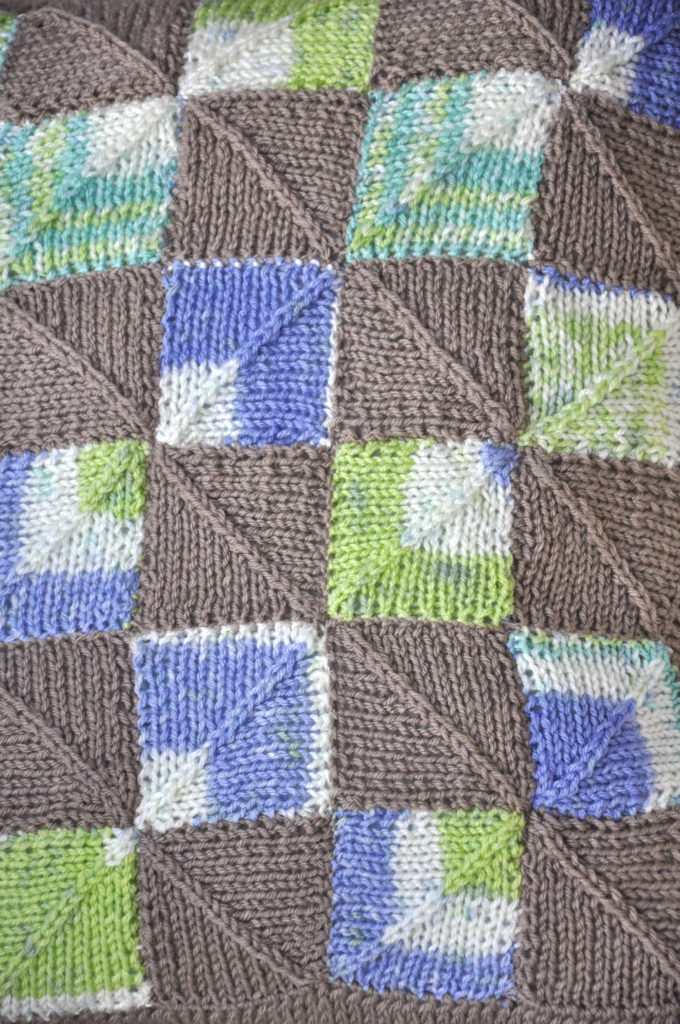
Mitered square pillow knit in Uptown DK Magix yarn

Self-patterning Uptown DK Magix adds a modern look with the splash of color changes, while the strong diagonal line of the centered double decreases look like crosshatch quilted lines. You can try planning the color changes specifically to correspond with each mitered square, but we think it’s more fun to just let the colors land where they will. In the sample shown, no care was given to color placement of the Magix color changes.

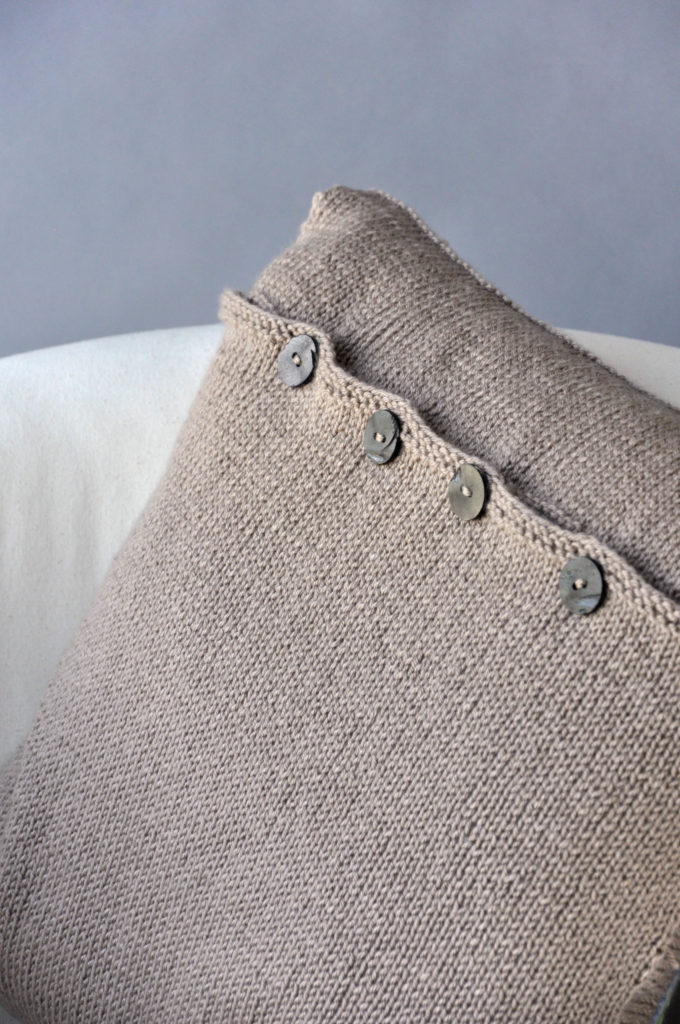
Tan knitted pillow showing button closure

Solid Uptown DK in stockinette backs the pillow, fastened with buttons for easy removal.  A lovely, easy-care home decor project.

Detail of knit mitered square knitting pattern on pillow

We hope you have an excellent and relaxing weekend.

Happy crafting!