There’s just something magical about Spring. It’s hard to resist the call of the outdoors when the first blooms are poking up. It always puts us in mind of growing things, including the little people in our lives.
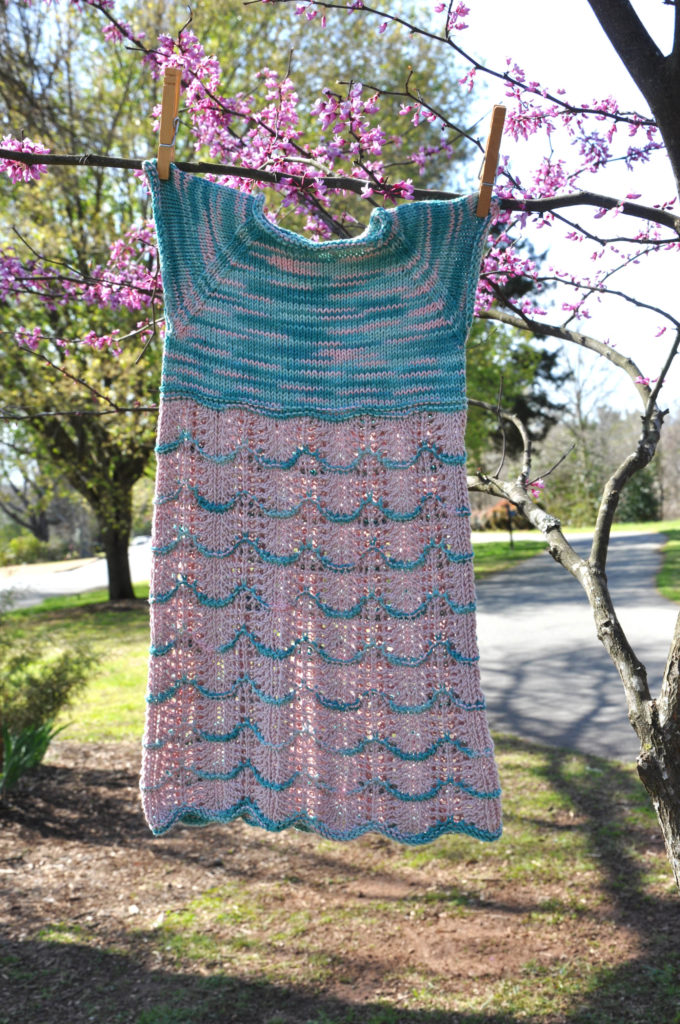
Enter the Sakura Dress.
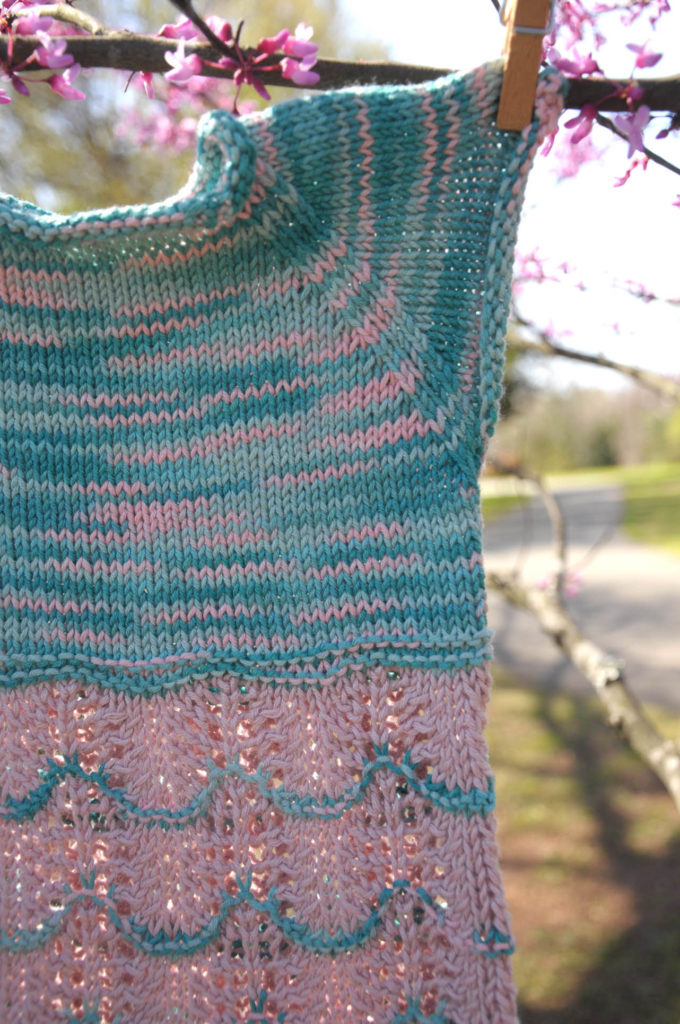
This lightweight raglan-style piece is sized from newborn to 4 years. Worked in the round from the bottom up, this sweet little knit uses one of my favorite warm-weather yarns, Bamboo Pop, in two coordinating colors, 215 Soothe and 125 Darling Pink. I’m already thinking of what other colors might work – maybe light green with variegated 209 Jungle Life? Or a lavender with purple? These are the tough decisions, folks!
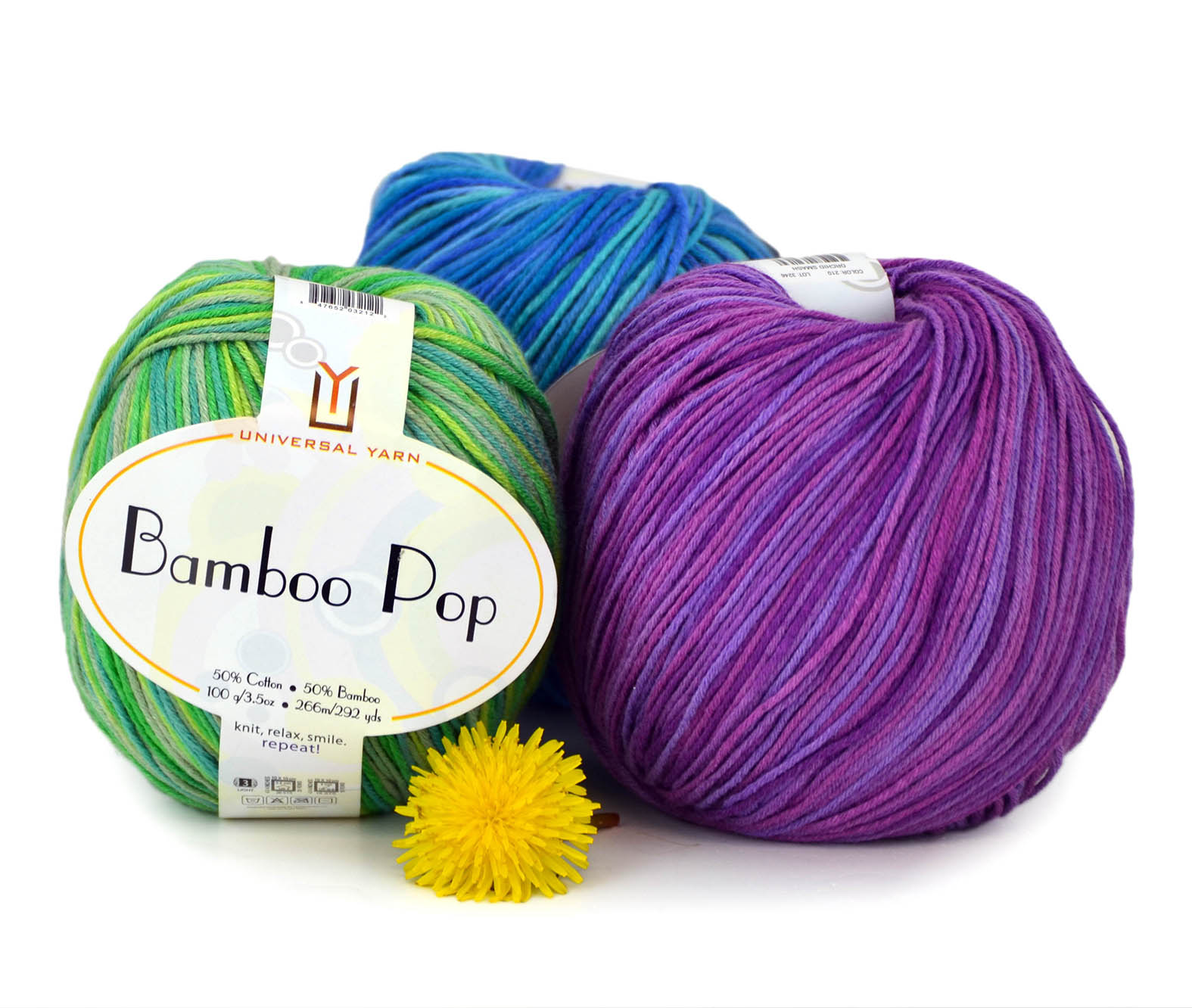
Greetings, yarn enthusiasts! Some of you may have seen our newly rebranded Universal Yarn label. It looks a little something like this:
Snazzy.
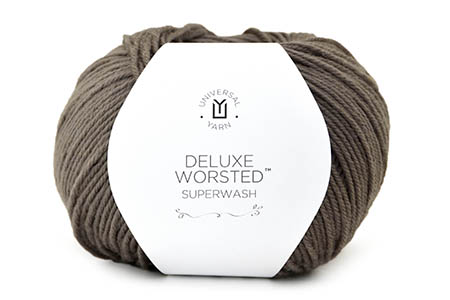
And this:
Though our label style has changed (for the better, amiright?), the same very useful information about each yarn can still be found on the label.
Let’s go over how to read one of our labels step by step:
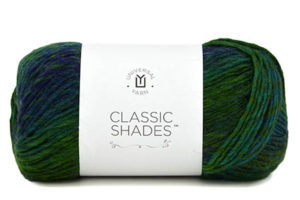
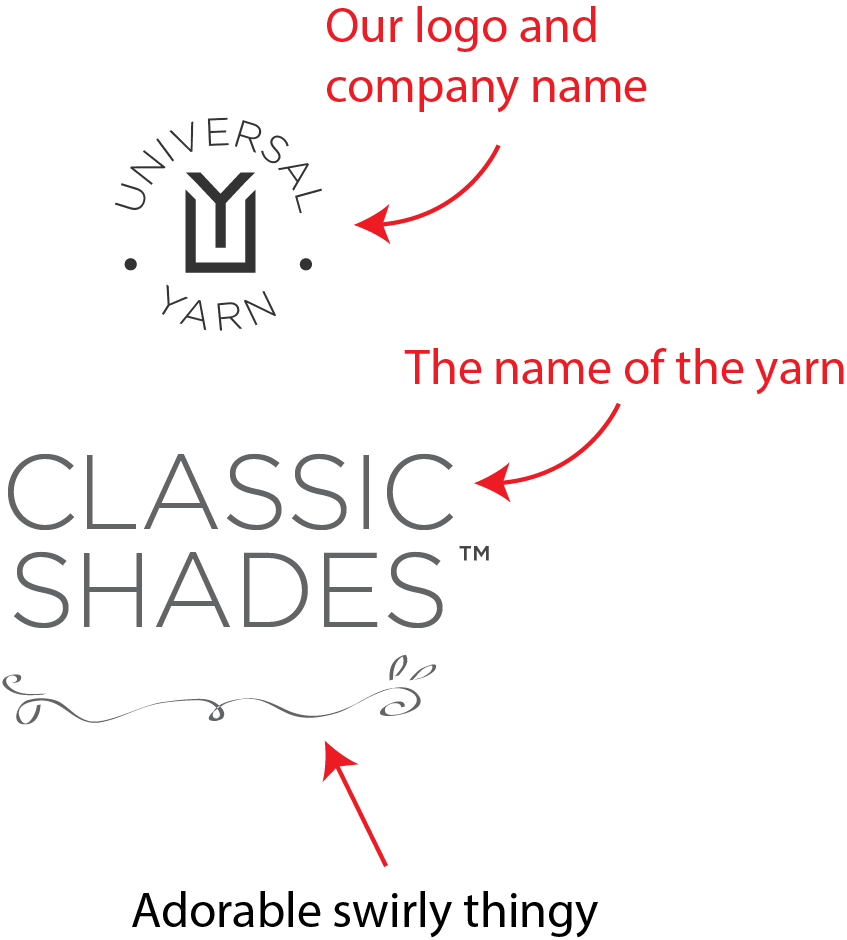
First, let’s take the front side. This is what you will probably see if you encounter the yarn as it’s sitting on the shelf in your local yarn store.
Part of my job is to take customer service calls regarding pattern issues, or sometimes folks with yarn questions. Often when I ask a knitter what the name of the yarn she/he is working with, they are not able to answer.
The name of the yarn will always be the most prominent text on the front of our label, and the same is true with most other companies. Knowing the name of the yarn is helpful in many ways, not the least of which is logging onto Ravelry and seeing what fabulous projects other people are making with that particular yarn.
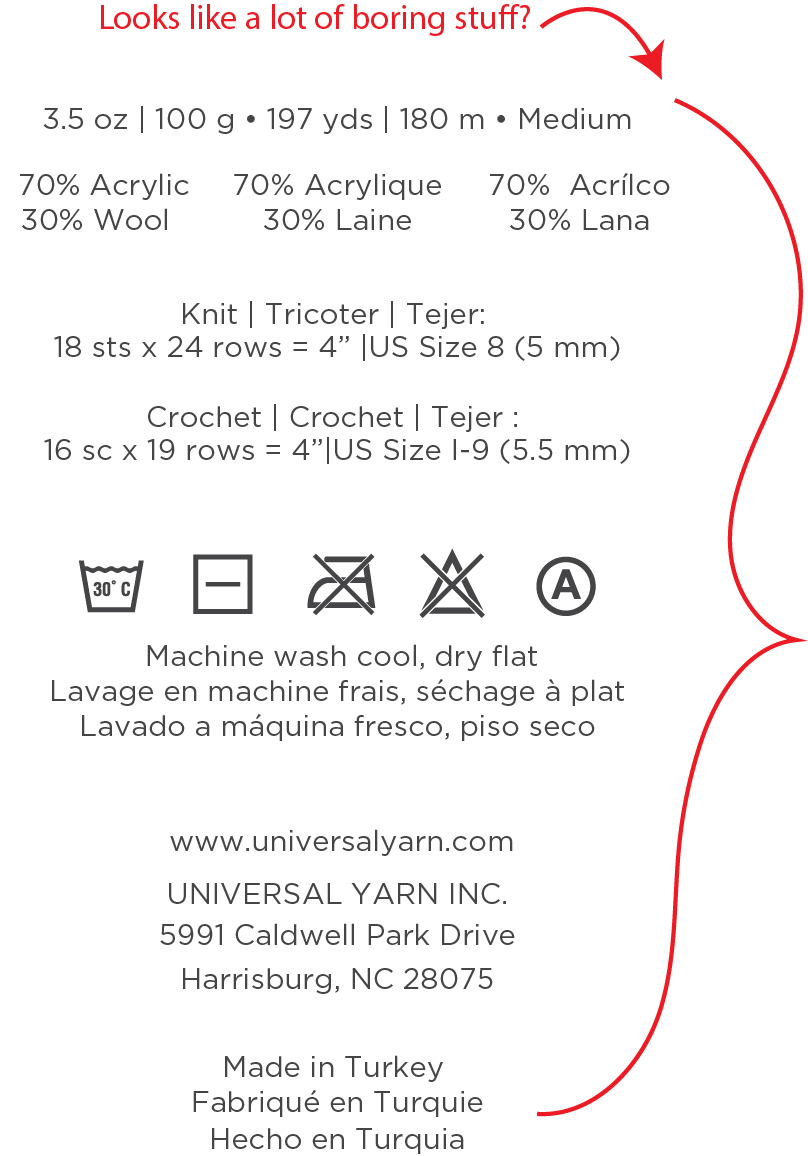
Next, we’re going to explore the real meat and potatoes of a yarn label, section by section. Here’s what the back side of our labels look like:
So most of the things on your label are actually pretty important, though I understand if your eyes might glaze over at the wall of text.
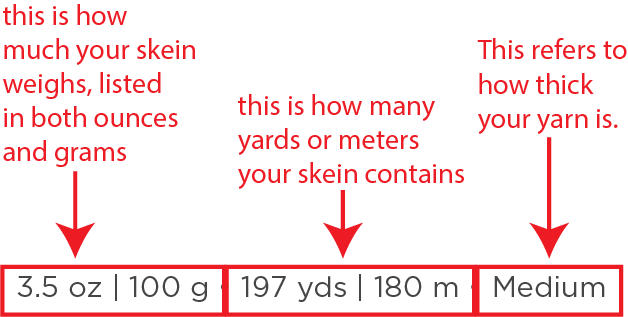
Let’s take the first line:
I think the first two are pretty self-explanatory – how big is your ball and how long is the yarn. The thickness or yarn weight, in this case medium/4, refers to a standardized system of classifying yarn thickness. There is a great reference page over at the CYC (Craft Yarn Council) that has a table (link) of all yarn weights and their corresponding gauges, recommended hook and needle sizes.
When we add a new yarn and are determining what yarn weight to assign to it, I always consult this table when doing so. The yarn weight is determined by gauge, not yardage. One example of this might be Classic Shades (which is the label we are examining) vs our Deluxe Worsted, another medium/4 weight yarn.
Both yarns are listed as worsted weight, yet Deluxe Worsted contains 220 yards/100g while Classic Shades contains only 200 yards/100g. Because both yarns produce a gauge that falls within a 4-weight category, they are both classified as such.
If you take a look at that table over at the CYC, you’ll see that a 4-weight yarn has a knit gauge range of 16-20 stitches over 4 inches. Classic Shades, with 18 stitches/4″ falls right in the center of that range. You might hear people sometimes refer to a “heavy worsted” or “light worsted”. What these people are referring to is gauge. If a worsted weight yarn produces 16 stitches/4″, then it would be considered a heavy worsted.
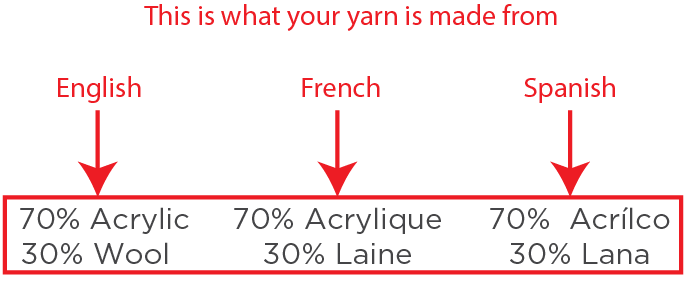
Next:
Again, this is pretty self-explanatory: what’s in your yarn. Most of the words on our label are “3T”, or have been translated into three languages. Our yarn is distributed throughout North America, including Spanish-speaking Mexico and French-speaking parts of Canada.
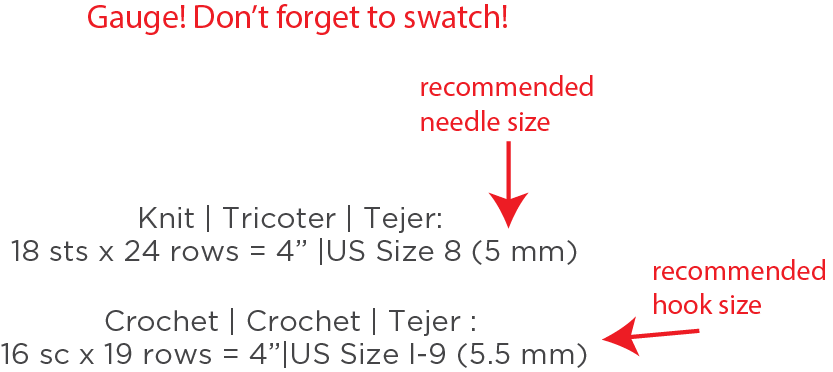
And then, a topic about which I am quite passionate, particularly when having knitting discussions with my office mates (translation: I am a gauge Nazi):
It is standard to talk about gauge, or number of stitches over 4″ or 10 cm. It is important to know approximately what gauge your yarn can get if you’re substituting yarn in a pattern. This is something I could write a book on, or at least a blog post. And I will. But for now, let’s just say that it’s very pertinent information.
Something to remember about gauge listed on a label is that we’re talking hand knitting, folks. When a new yarn is born, a person, usually me here at Universal, has sat down with a ball of yarn and a pair of needles or a crochet hook, and has made a gauge swatch. With their hands. It is not an exact science!
If I like the resulting fabric from my swatch, it becomes the recommended gauge. If it’s too dense or too loose, I change needle size and start again.
I consider myself to be “average” when it comes to tension. But I do want to remind you that your gauge is unique. With the same size needles and yarn, you may get a different gauge than me. To achieve the same gauge, you may need to go up or down a needle/hook size.
Next up:
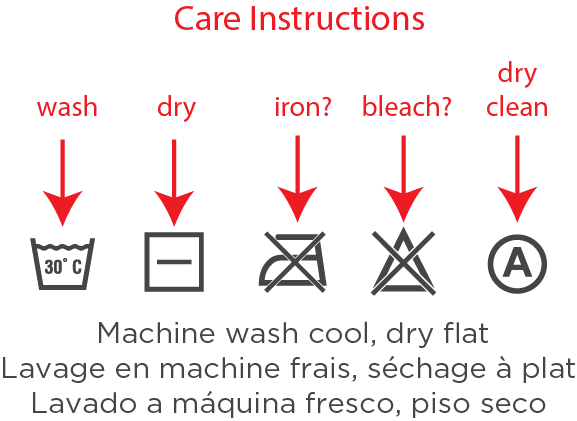
Also very important – how to wash your newly created masterpiece. All knit and crochet items can be washed, it’s just a matter of how. Some fibers shouldn’t be machine washed because the agitation would be too much for them. Others can be machine washed, but to err on the side of caution, we might recommend air drying instead of using a machine.
Some companies use text care instructions and symbols, or just one or the other. If those little symbols are like a foreign language to you, just google it! (yarn care symbols Google search result here)
I know a lot of knitters who are reluctant to throw any handmade item into the washing machine. Personally, I machine wash with abandon. I do it whenever possible, and I do it frequently as I own a lot of knitwear! Lace is another story – most lace I will hand wash, regardless of fiber. But I digress.
We’re on the home stretch here. We just have a couple more things to cover:
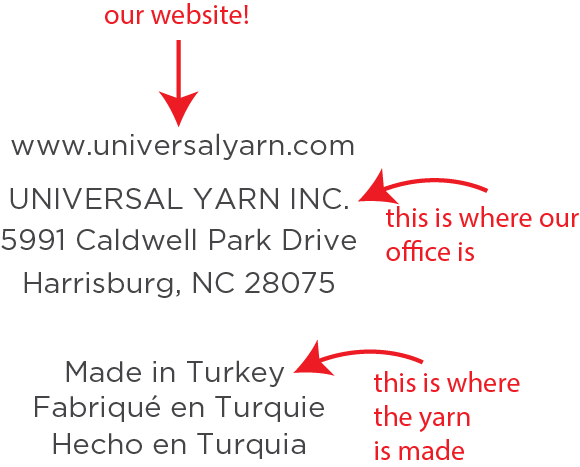
There’s not much to add here. It is a requirement for products to list country of origin. In case you’re curious, our yarn is manufactured specifically in Bursa, Turkey which is about a two-hour drive south of Istanbul. And it’s beautiful there!
And last:
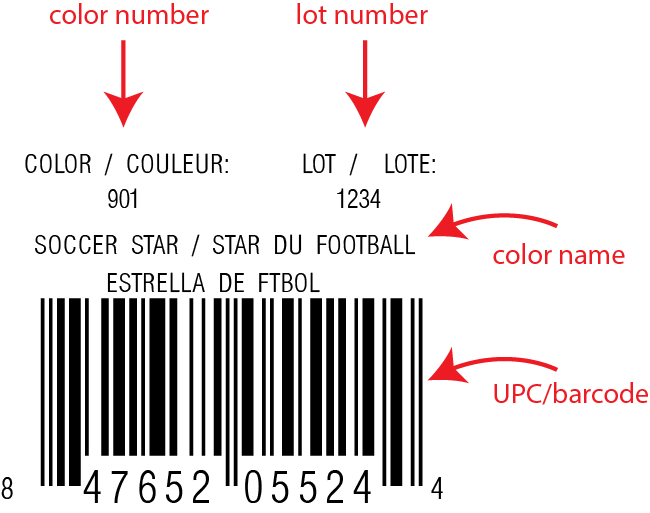
Any given colorway of your yarn should have a name, and hopefully it’s an interesting one. That can be a fun part of this job – naming colors. This color will usually also have a number associated with it, and also a lot number.
Lot numbers can be important if you happen to run out of yarn in your project and need to buy more. Some yarns can vary from dye lot to dye lot, so if you need to buy more, be sure to get the same dye lot if possible.
If you’ve been unsure about yarn labels before, I hope this has made things clearer. Have another question? Let me know!
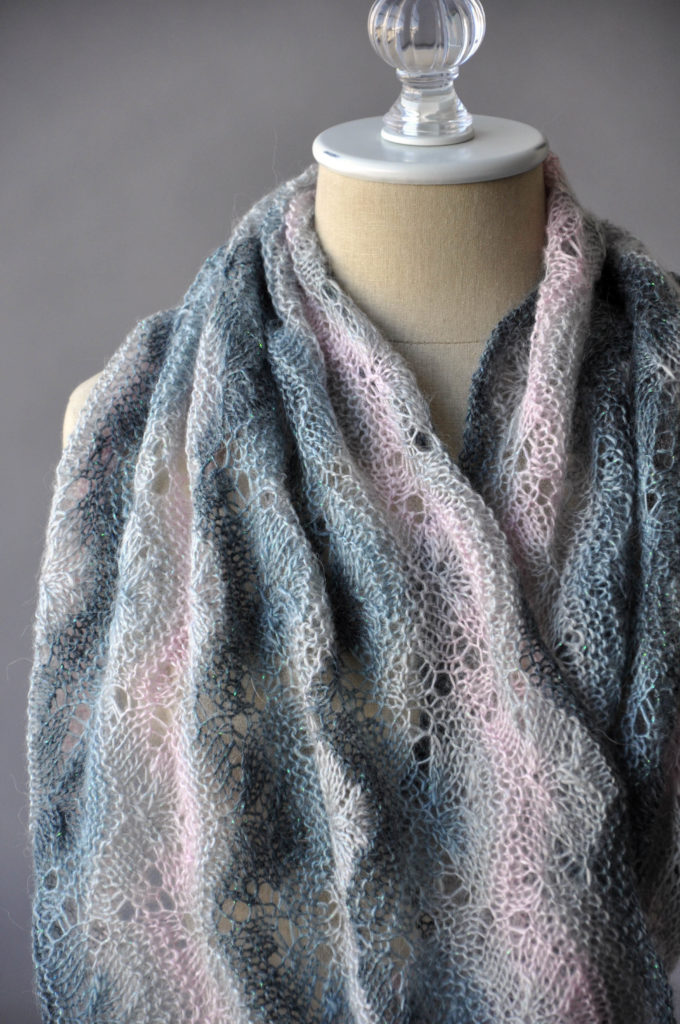
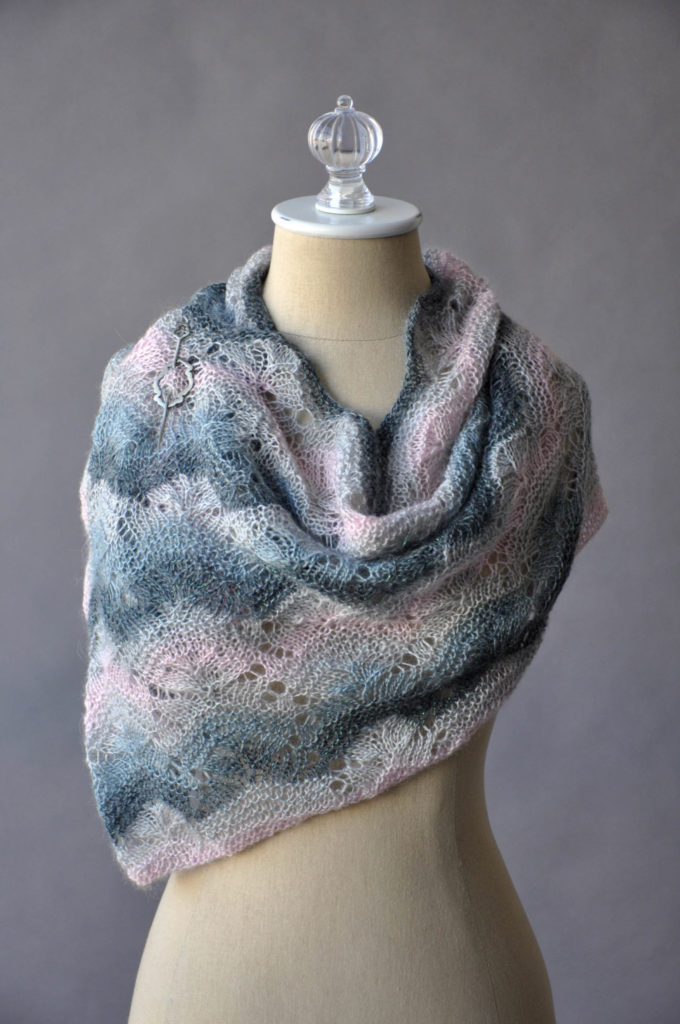
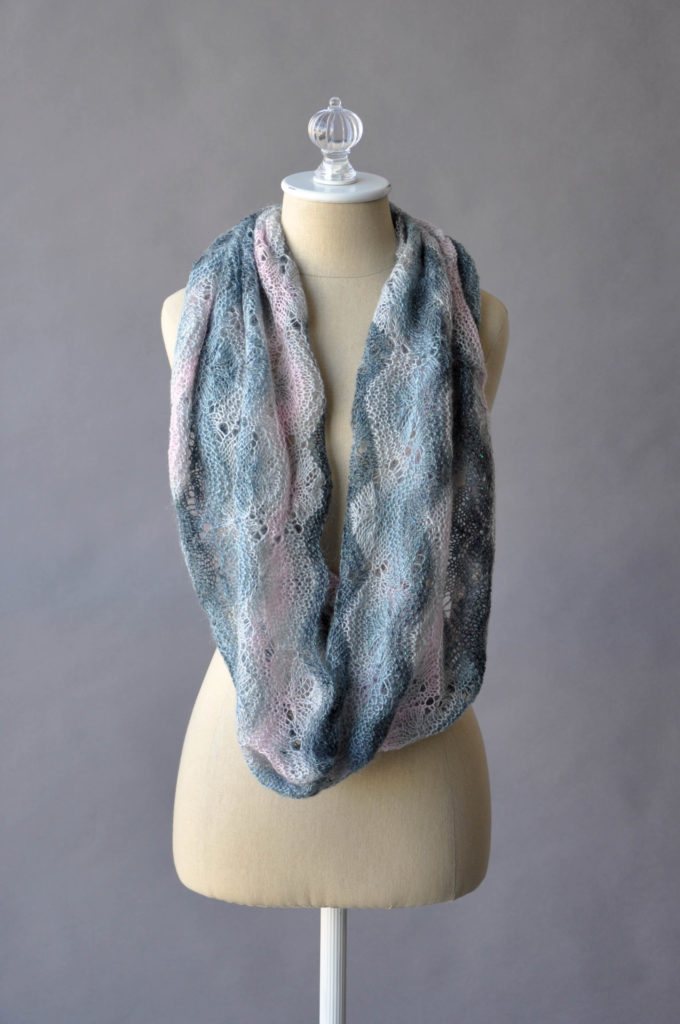
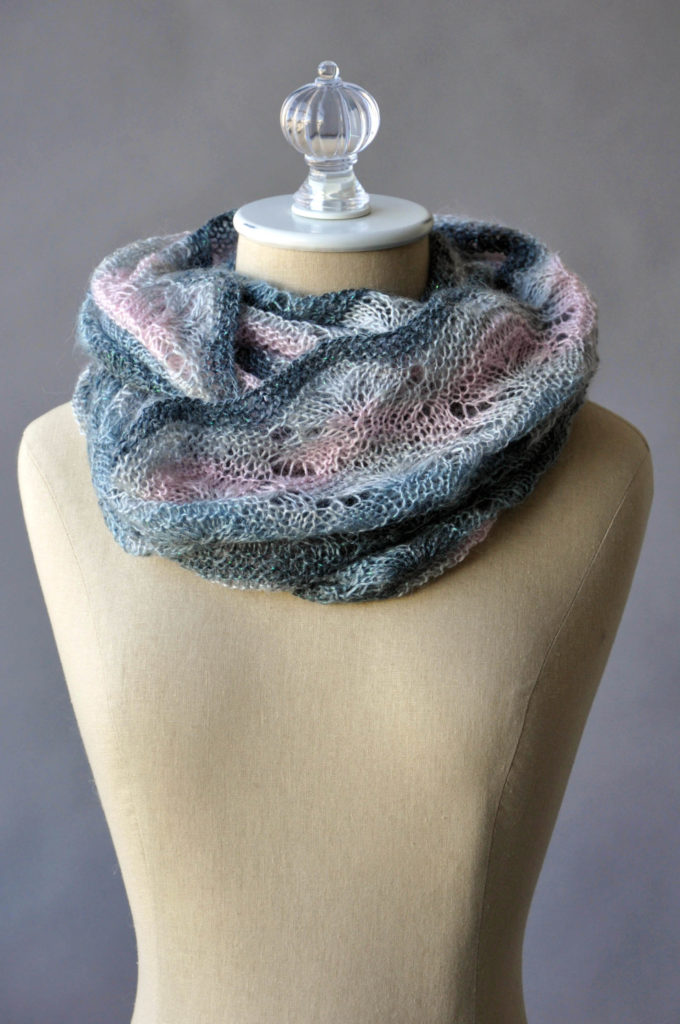
An easy-to-memorize lace pattern in a single skein of soft, shimmering Alpaculence creates a beautiful, lightweight cowl that can easily be dressed up or down.
Be aware: the cowl shown took 92 grams of a 100 gram ball. Be sure your gauge is correct to prevent the possibility of running out of yarn! Swatching in advance can prevent trouble at the finish.
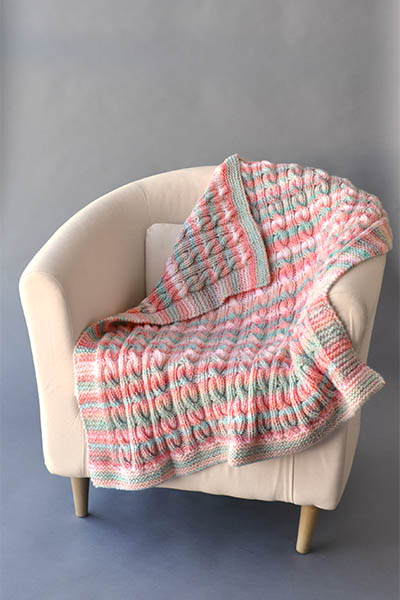
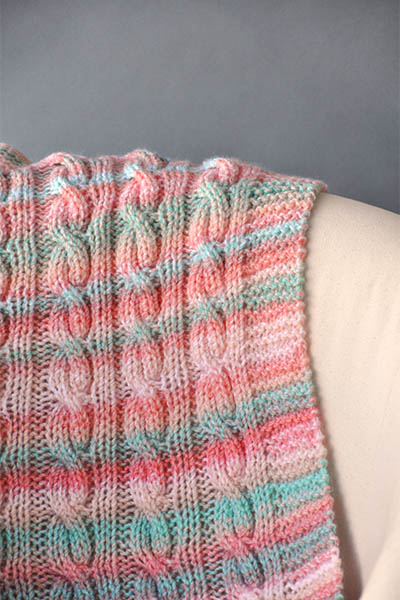
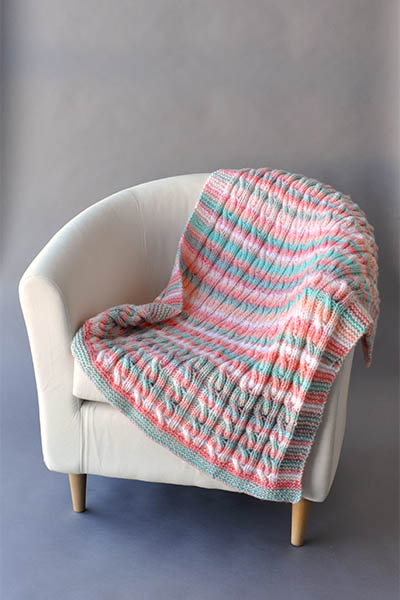
If you’re like me, you love cables. Cables are especially exciting when the fabric is reversible. Yep, the Reversible Cable Blanket really is reversible (did you think we were kidding with that name?).
The backbone of this pattern simply is K2, P2 Rib framed by a border of garter stitch. Every 8 rows two sets of K2, P2 stitches are crossed, creating an elegant cable and reversible fabric. That’s really all there is to this pattern!
Cables, glorious cables!
Major is a perfect medium for this pattern. It’s quick to knit, incredibly soft, and easy to care for. Major is a bulky weight, 100% acrylic yarn that comes in a generously sized 200-gram ball. There are many beautiful, self-shading colors of Major ranging from perfect pastels to bold, vibrant beauties, and no-nonsense neutrals. It’s no wonder that this yarn is a customer favorite.
Better yet, this pattern is written in two sizes: a baby blanket and throw blanket size. Make one as a gift and another to keep for yourself. After all, you surely deserve to cuddle up to a squishy, cabled blanket.
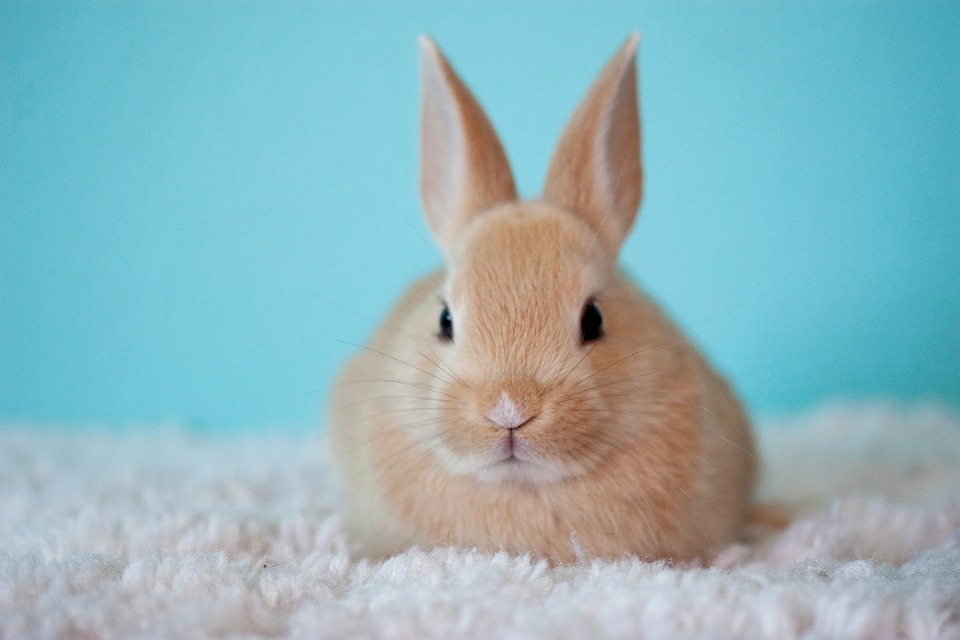
There are so many things to love about Easter: dip-dyed eggs, the first blooms of the year, chocolate filled baskets. And really, Easter candy is the best seasonal candy of the year as far as I’m concerned. But for me, the overwhelming bunny imagery is my favorite part of this spring holiday.
I had a pet bunny as a child named Fuzzy. What can I say? Toddlers are not always great at naming things. But Fuzzy was a great bunny. She hopped around the house, snuggled, and got along great with our dog, Fluffy (do you see a trend in pet naming here?). As a young adult, I had a mini lop bunny named Emma and even managed to litter-box train her.
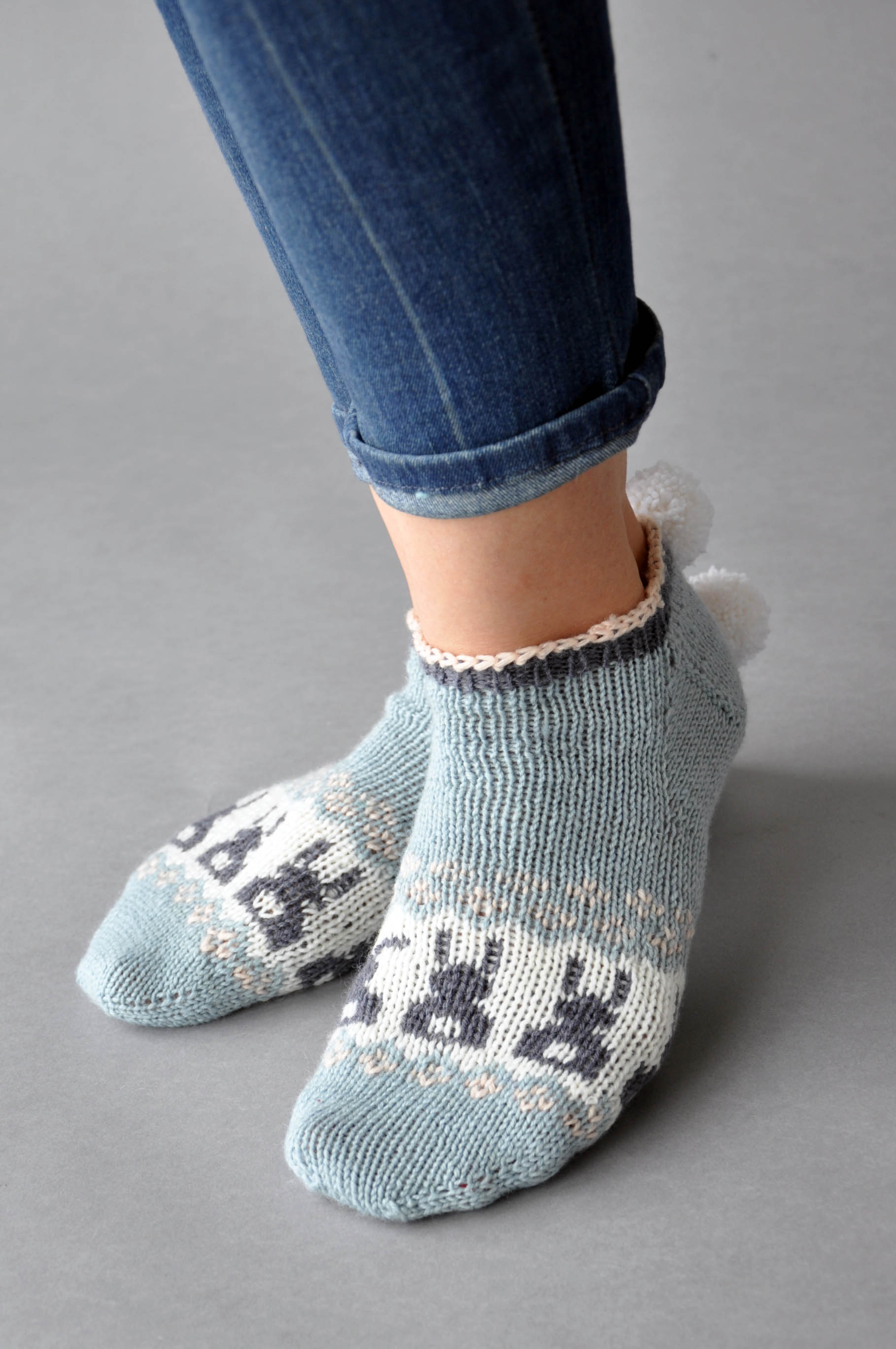
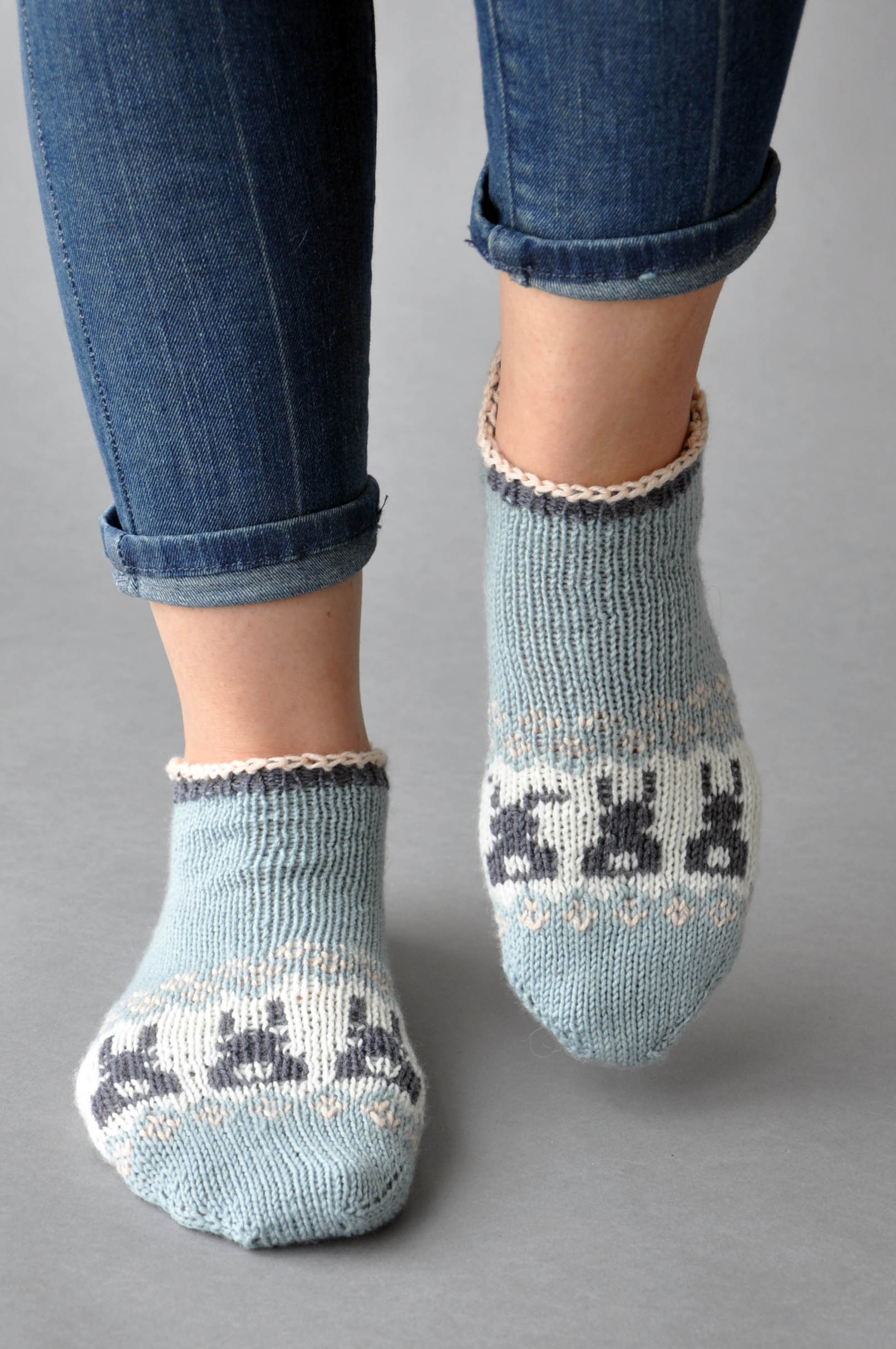
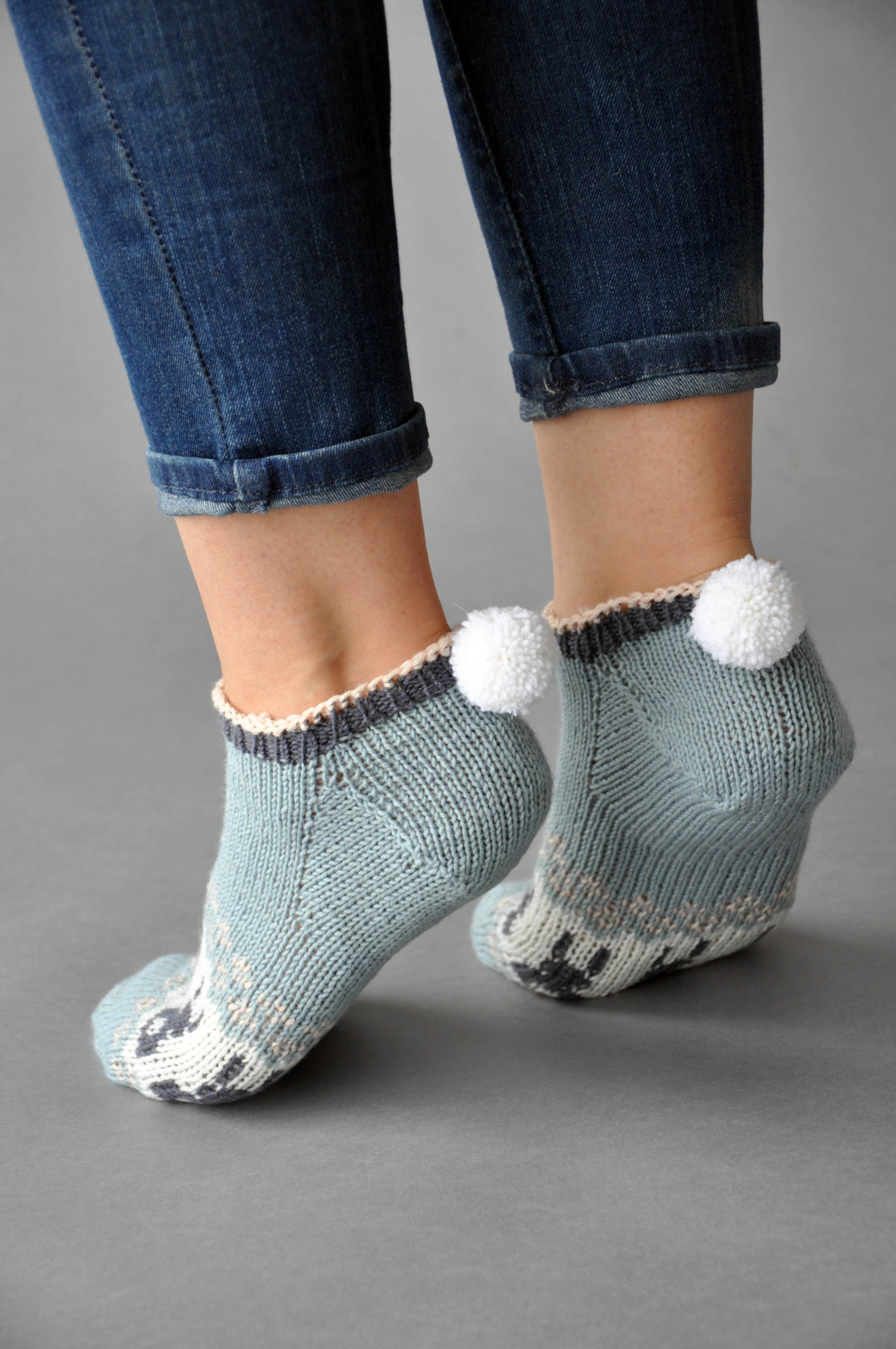
I gave just one of my bunnies a floppy ear. Customize these and make them your own!
Bunny Got Back socks (pattern link) are my homage to Easter and to my dear departed pet bunnies. They are knit toe-up and it’s easy to customize foot length. I kept them anklet length in order to add useless but adorable pom-poms to the back, but you could easily keep on knitting for taller socks.
I thank Rachel Brockman for her superb foot modeling skills, and Heather Hill for her masterful flavor text at the beginning of the pattern:
I! Like! Warm! Toes and I cannot lie!
You other knitters can’t deny!
When you go toe up with a little short cuff
And a cottontail full of fluff…
BUNNY GOT BACK!
This pair is knit in one of our newer yarns, sport weight Bella Cash. It works wonderfully for socks. Bella Cash is a blend of washable fine merino, cashmere (mmmm), and nylon for strength and elasticity. We’ve been mostly using this yarn in kid projects, but I see sweaters in my future and definitely more socks using this scrumptious blend.
I hope you enjoy this gift for spring. Happy Easter!
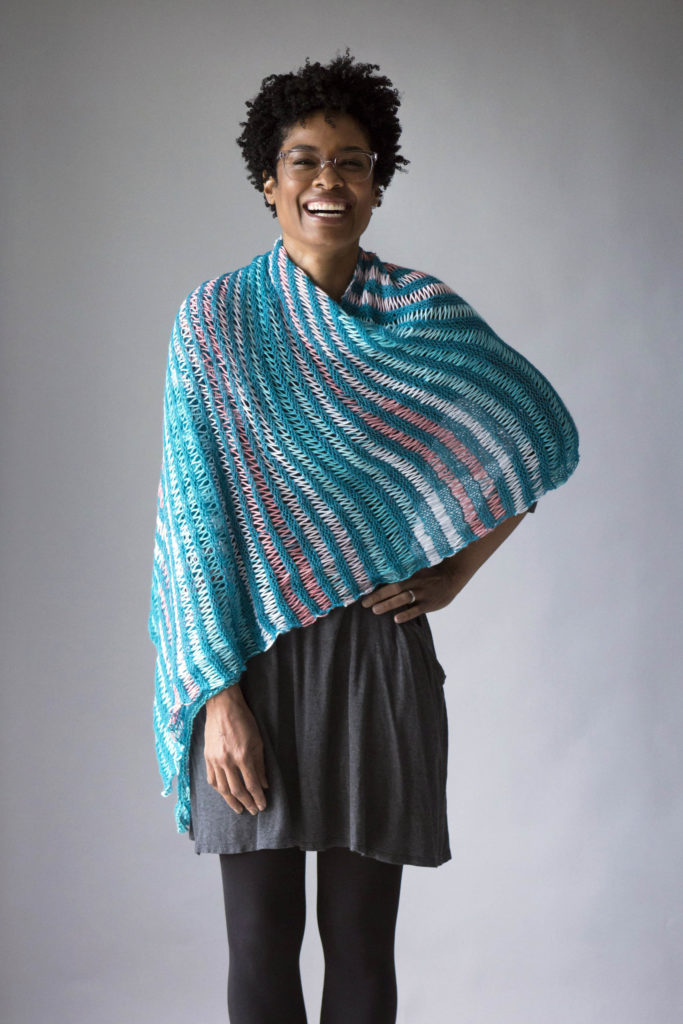
Look at how simple that is. This is exactly the kind of pattern that I would have loved as a beginner, and that I still love when I want to make something beautiful and not look away from binge-watching Jessica Jones.
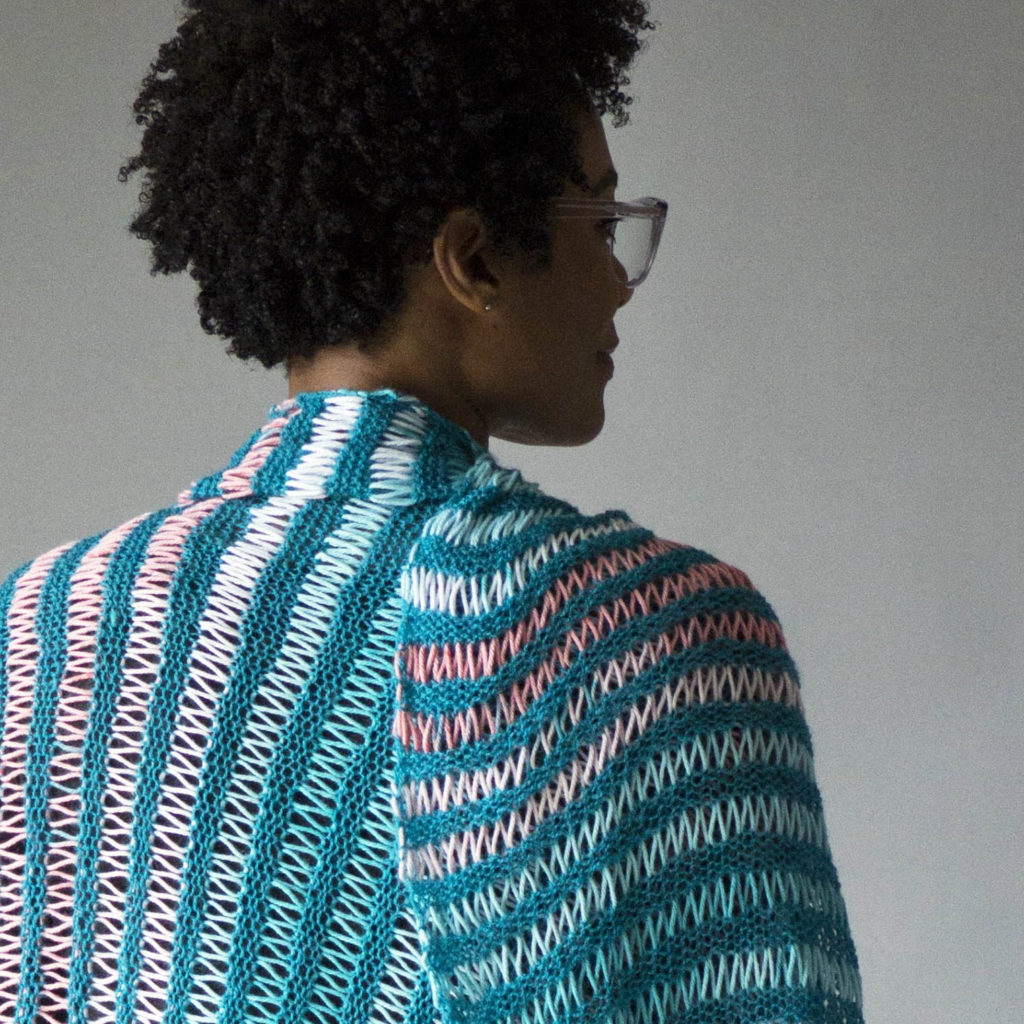
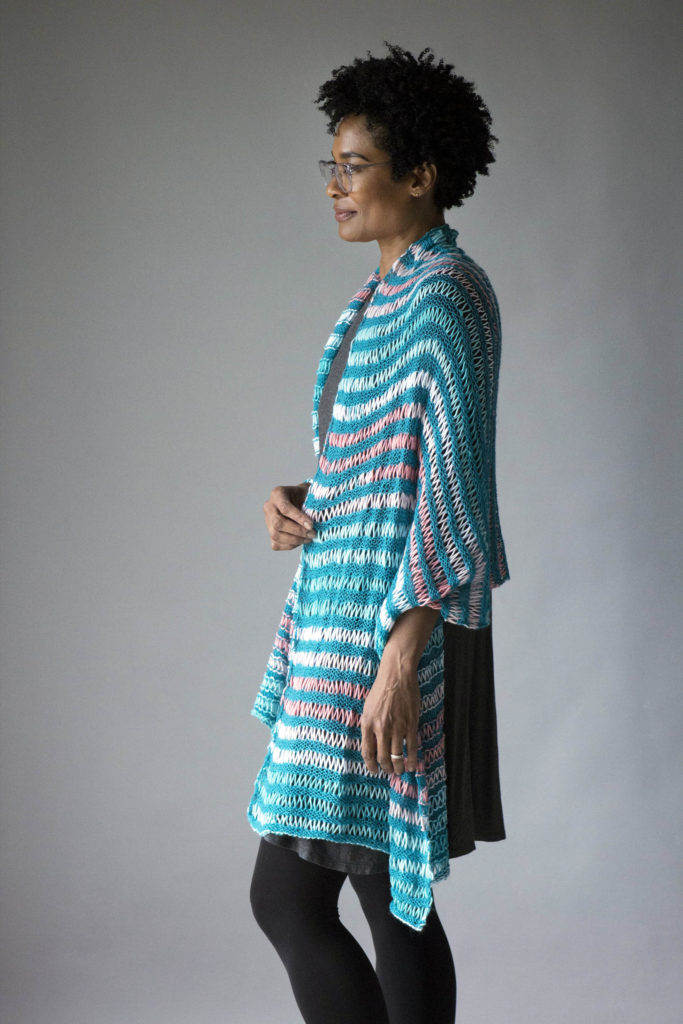
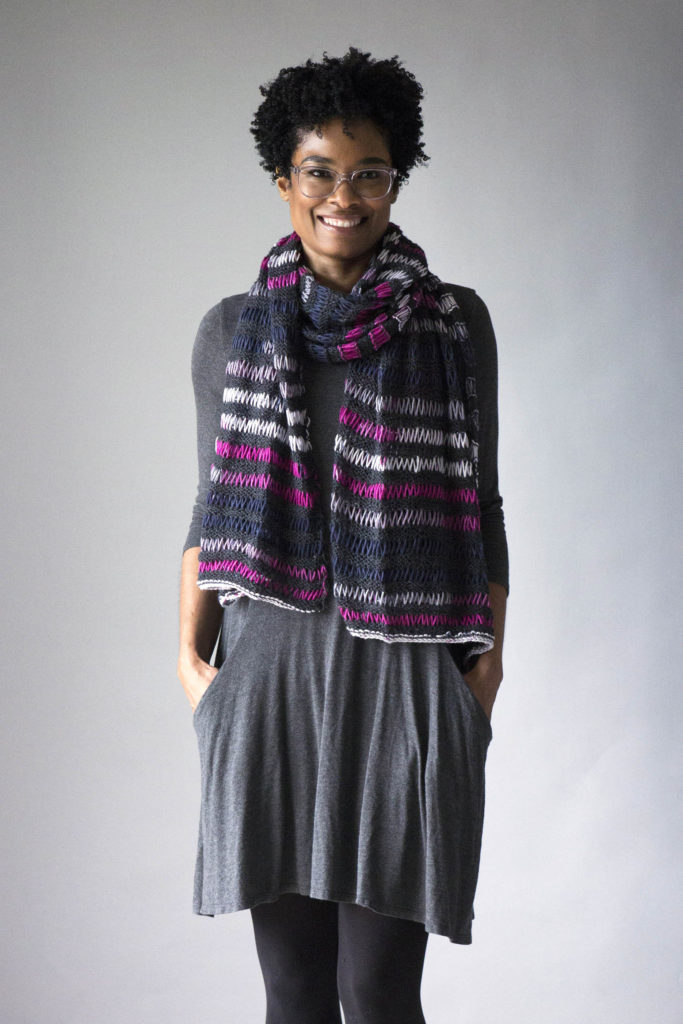
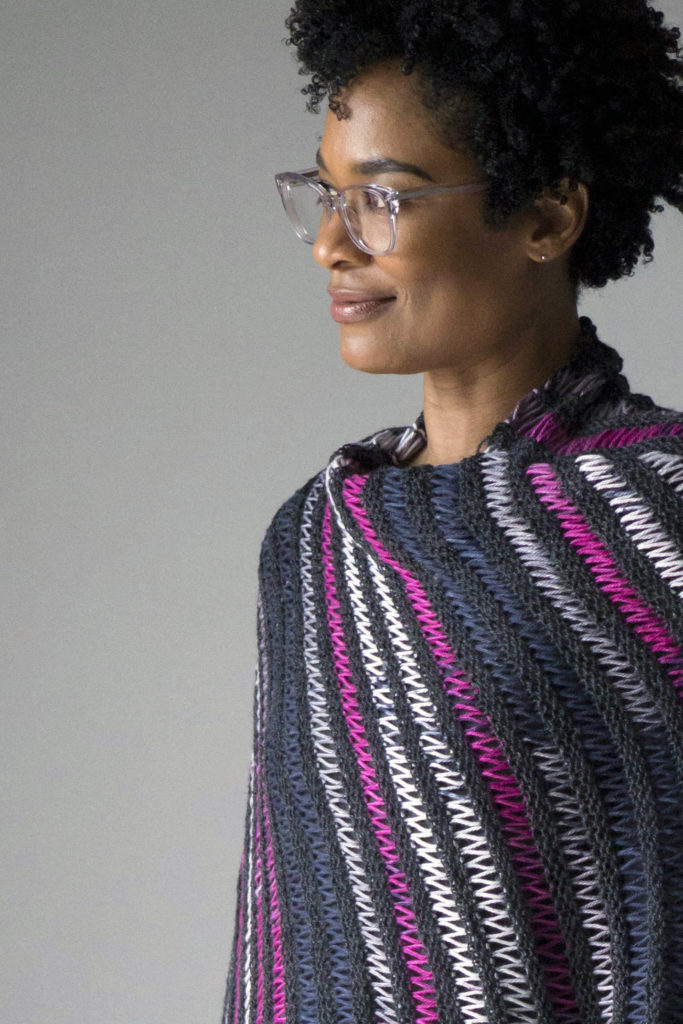
Because it’s dropped stitches on a larger needle (US size 10 1/2), this pattern makes the yarn go a long way. One ball of Whisper Lace wool/silk for the solid bands, two balls of self-striping Cotton Supreme Batik for the wider variegated stripes.
Because the fabric is so loose and drapey, it scrunches up effortlessly – hence the name Scruncher Scarf. Here it is in an alternate colorway, folded in half and wrapped for an accessory that straddles “skinny” and “full.”
Obviously, this would be a great one to experiment with, colorwise. I’ll bet your LYS could put together some fantastic color combos.
It’s Amy Gunderson’s birthday today, and we’re celebrating!
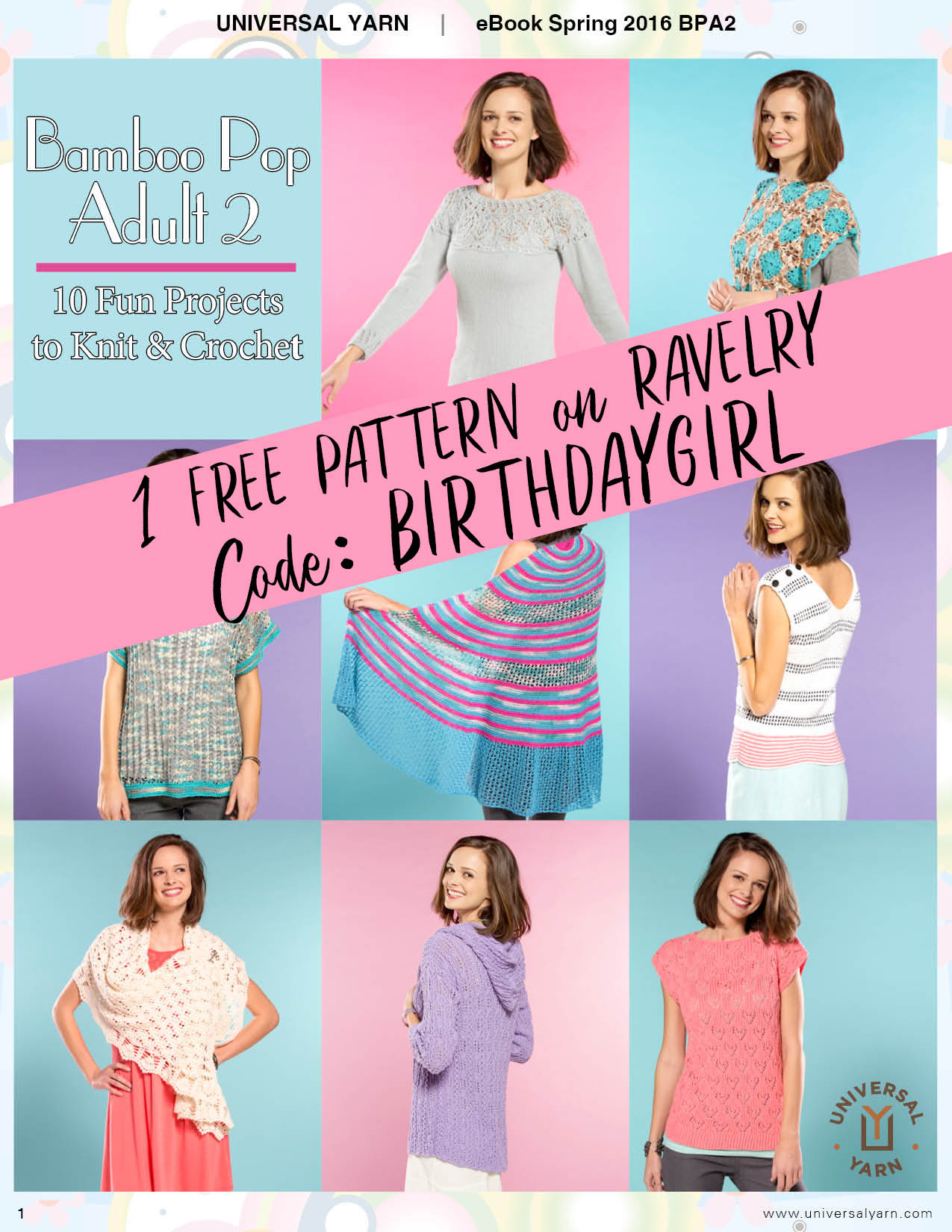
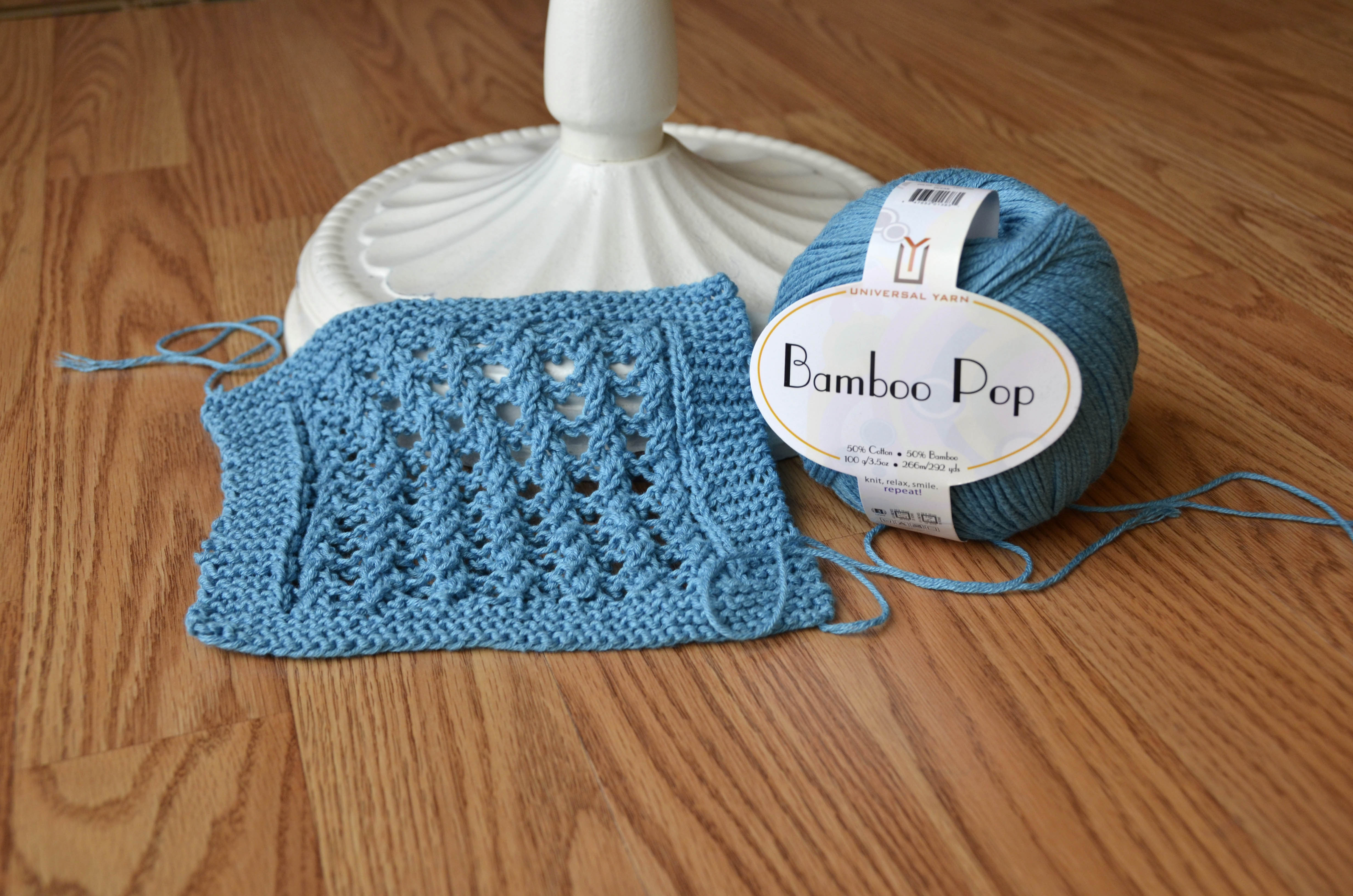
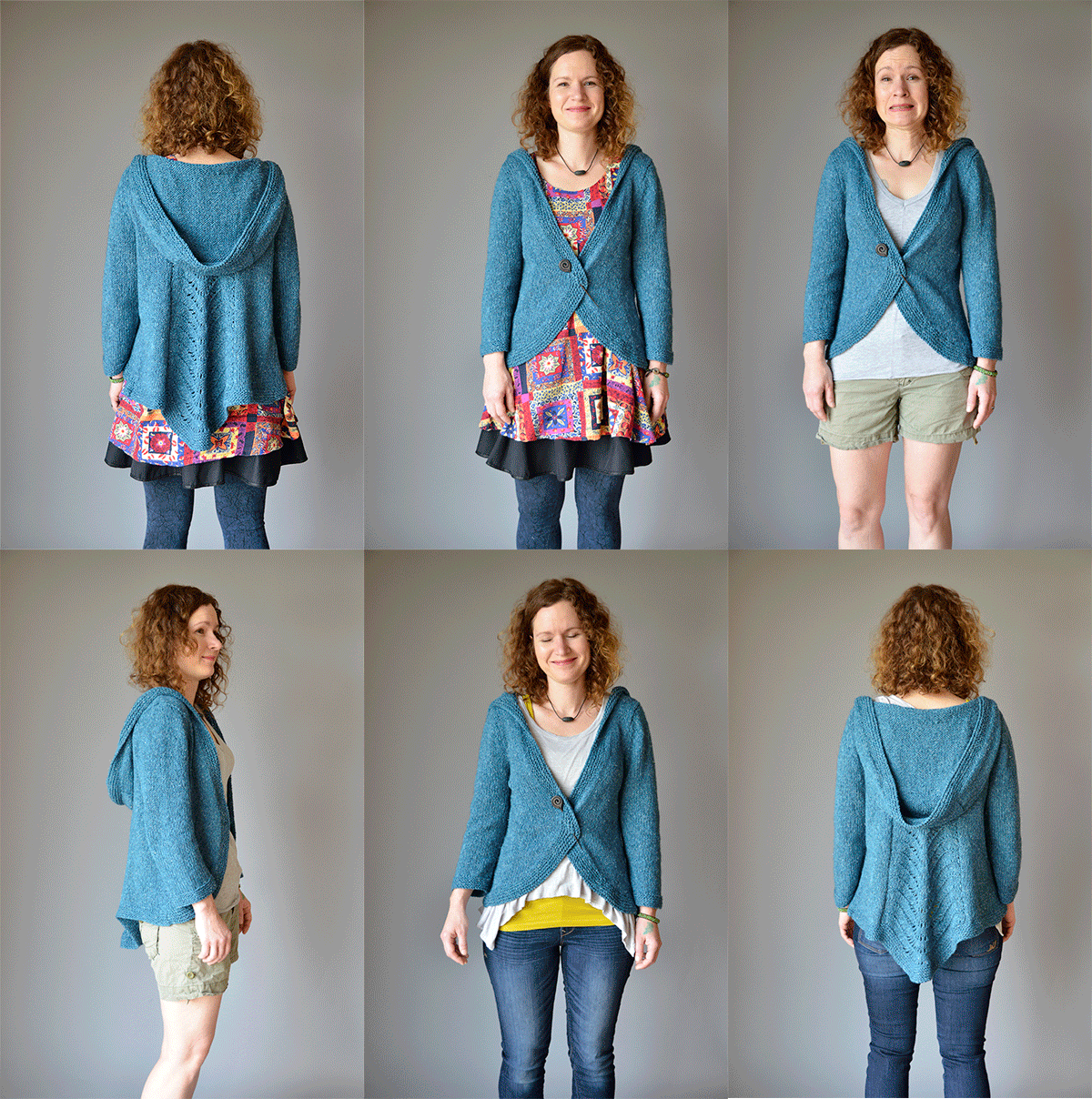
From now until Monday 3/26/18, grab one pattern from her e-book Bamboo Pop Adult 2 for free on Ravelry! Just use codeBIRTHDAYGIRLat checkout, where it asks if you want to apply a coupon. This is a great collection of knit and crochet designs for Bamboo Pop, a lightweight bamboo/cotton blend perfect for (hopefully) warming weather.
Why are we doing this?
Amy’s the driving force behind our creative team – not only does she knit, crochet, weave, and sew, but she goes out of her way to nurture new talent and form partnerships that help bring our crafting community closer. We want everyone to appreciate her as much as we do!
(Plus, she’s travelling to Germany for the H+H handcrafting show right now, and every time someone downloads one of her patterns it sends a message to her phone, and I think it’d be funny to blow up her inbox while she’s on the road. )
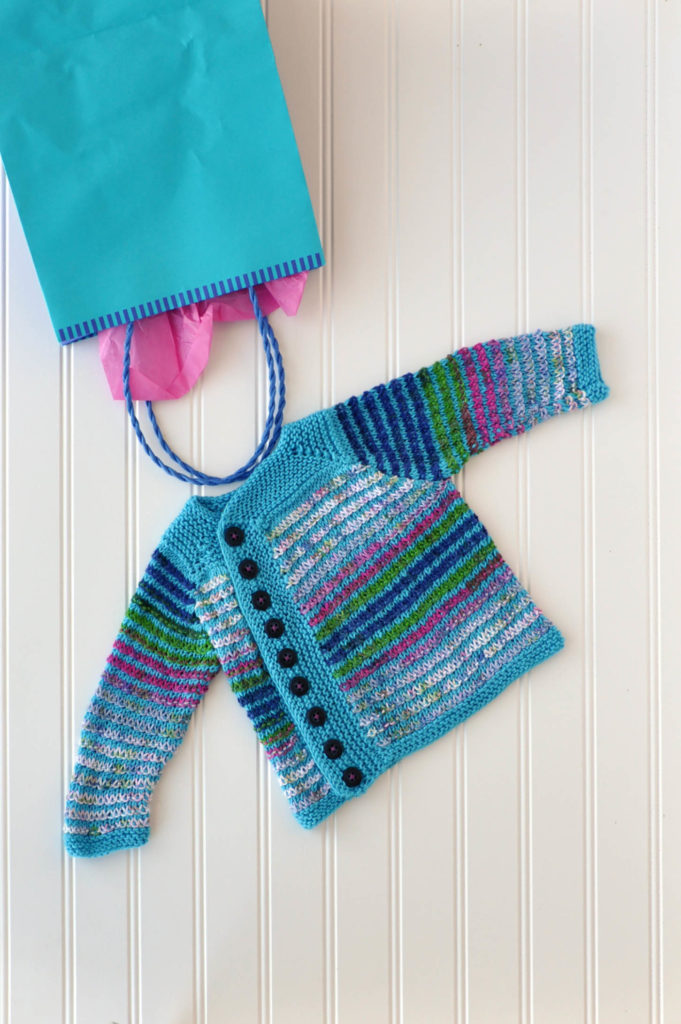
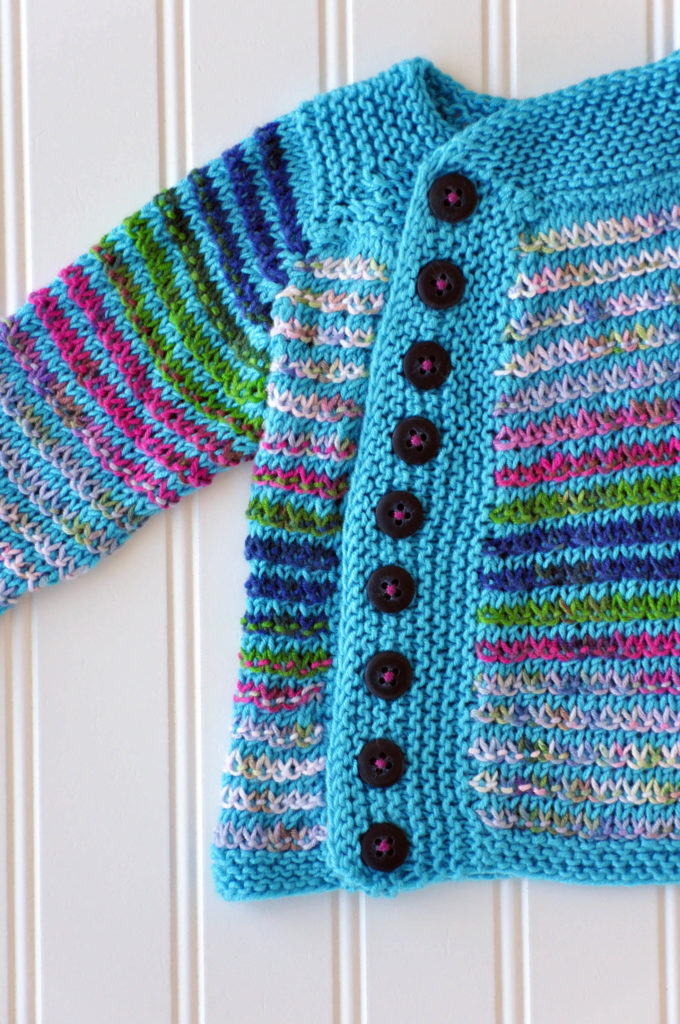
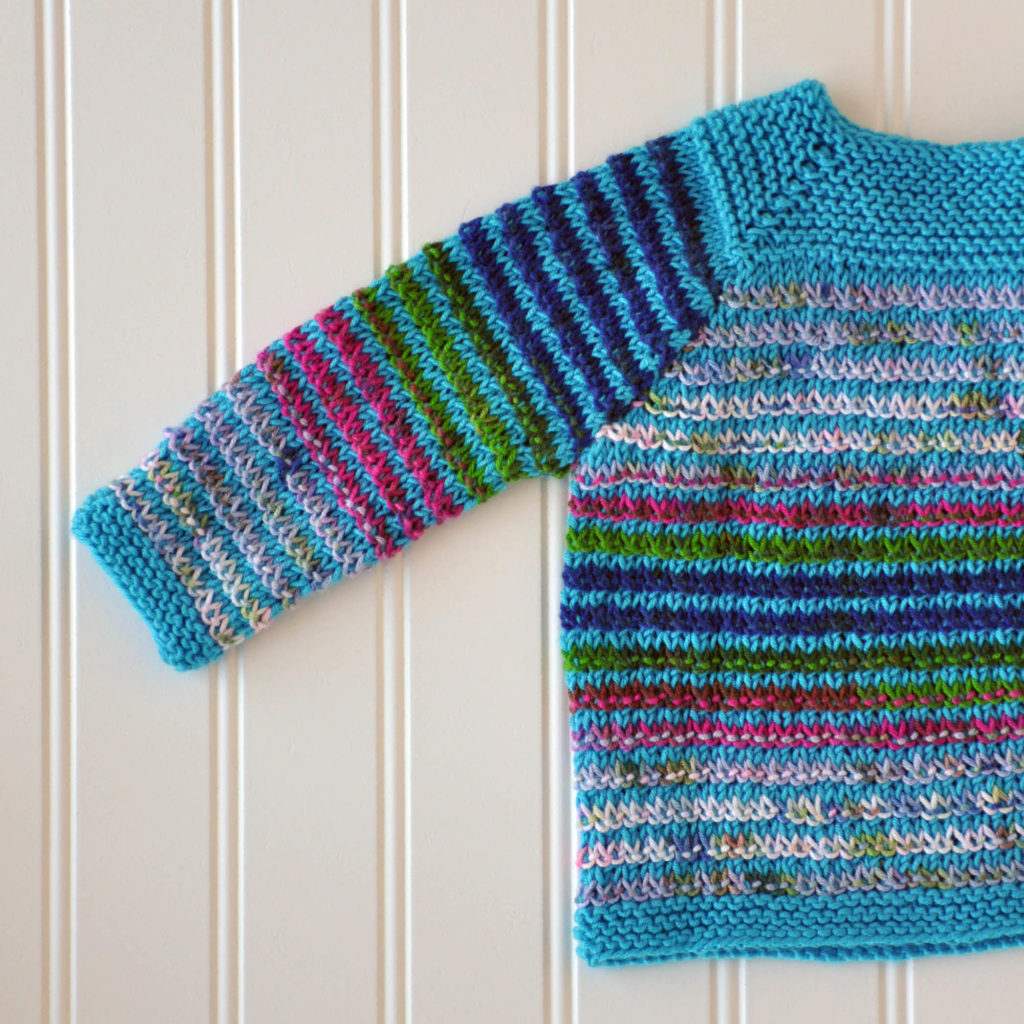
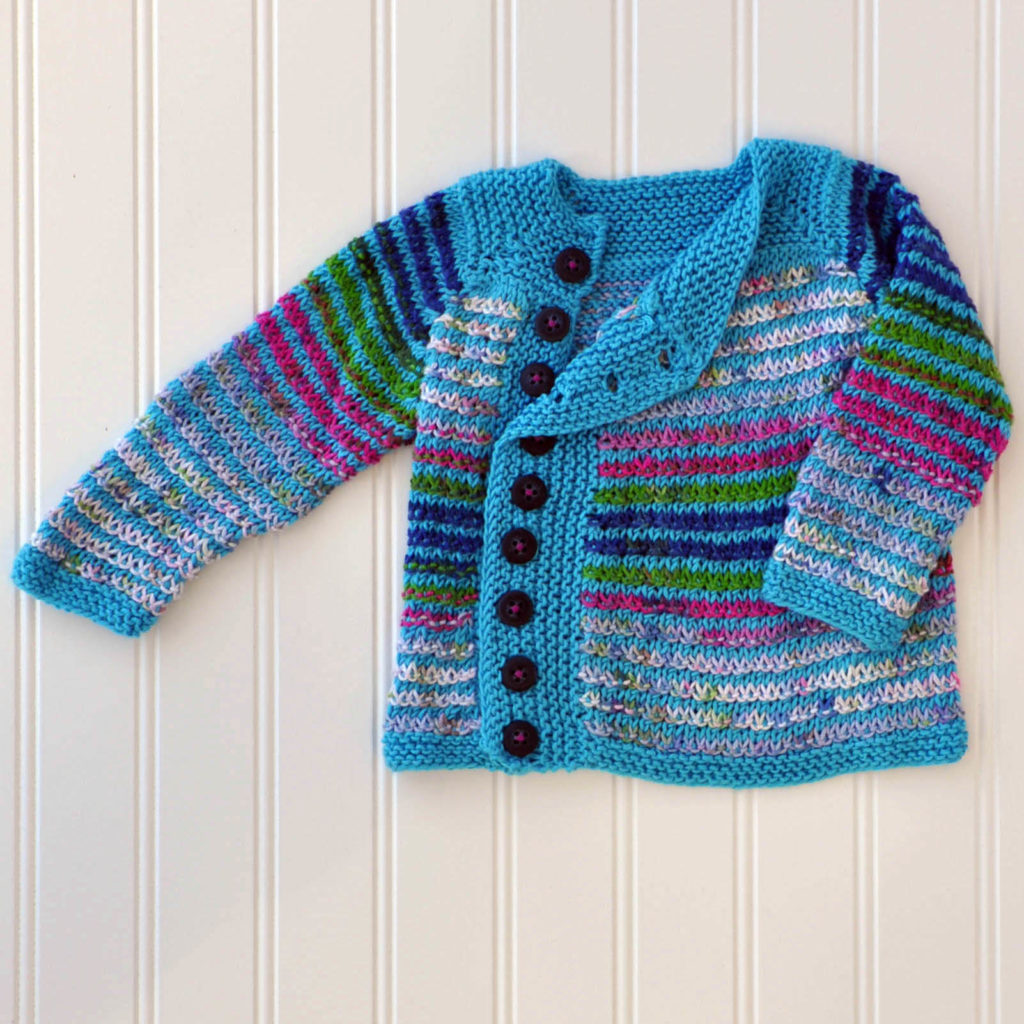
Sized from 3 months to 2 years, this clever cardi uses machine washable Little Bird and its self-striping sibling Little Bird Colors to easily create a bright little jacket for baby.
The front and back are knit flat, as are the sleeves. Then, they’re seamed together.
Add the edging, and your favorite buttons, and you’re ready to go.
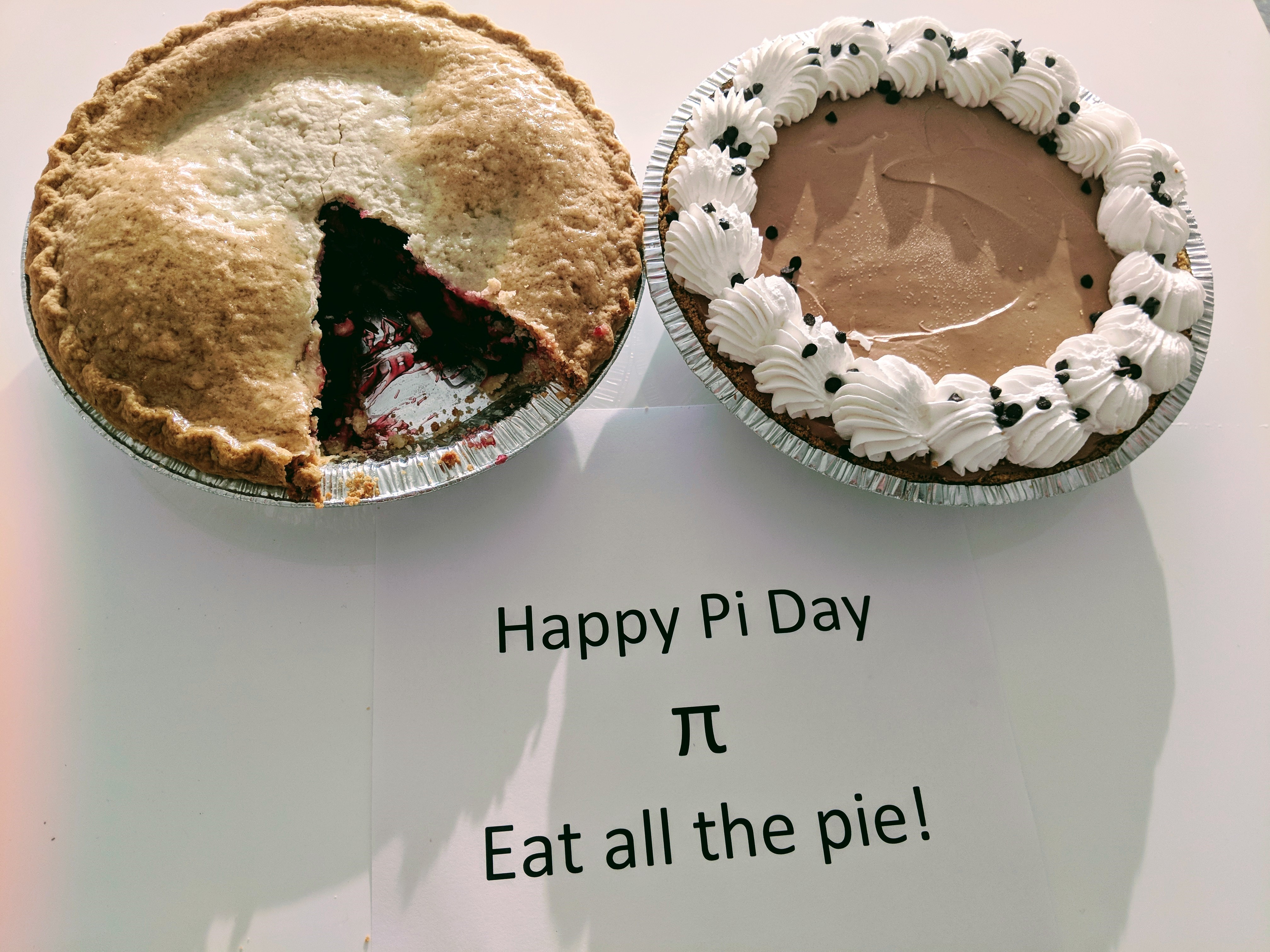
Though we like to celebrate Pi Day with a slice of cherry here at the office, that’s not actually what this math holiday is all about. But I will take any excuse to eat pie. Not that I need an excuse.
But seriously, Pi day is the annual recognizing of the awesome constant number we know as Pi, and that is recognized by this Greek symbol: π. Pi is approximately 3.14, and is the ratio of a circle’s circumference (the length around the entire outer edge of a circle) and the diameter (the width of a circle).
I am a pretty big math geek. Math is logical, useful in so many facets of life, and it never lets you down. Pi is especially cool because it helps to solve the mystery of the unknown. For example, by knowing the formula for pi, and, say, the diameter of a circle, you can calculate the circumference of said circle.
As a knitting designer, I have relied upon Pi on many occasions. Here are a few examples:
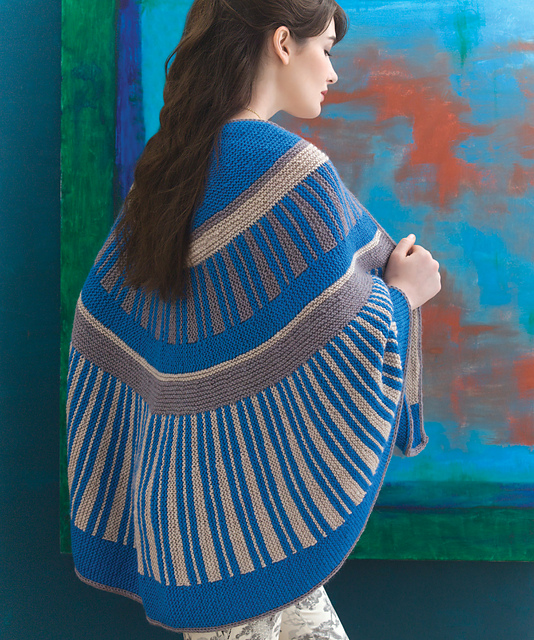
The semicircle shawl in Deluxe Worsted begins with a sideways, short-row lower edge, and is then worked upward from there. In order to make a half circle shape considering all of the other aspects of this piece, I applied my love of Pi and magic was made.
Perhaps the most common and well know way of shaping a circular shawl is called the Pi method. Developed by knitting genius Elizabeth Zimmermann, this shape is worked from the center outward and involves only a handful of increase rounds. The basic principle involves doubling the stitch count as the diameter of the circle increases. Typically, a pi constructed piece of knitting begins with 9 stitches, doubles to 18 on round 3, doubles to 36 on round 7, up to 72 stitches on round 13, and so on.
The Burst blanket is purely pi knitting. There are just 6 increase rounds in the entire thing, allowing you to focus solely on the repeating stitch patterns.
I actually have a lot of thoughts about this pattern, because
1) I love cables, and
2) I heard the “colorful language” around here as the pattern swelled to 4… 5… and finally to 9 pages. That’s what happens with extended sizing (although we don’t really consider it “extended”), and full charts and written instructions.
The consensus is that it was worth it.
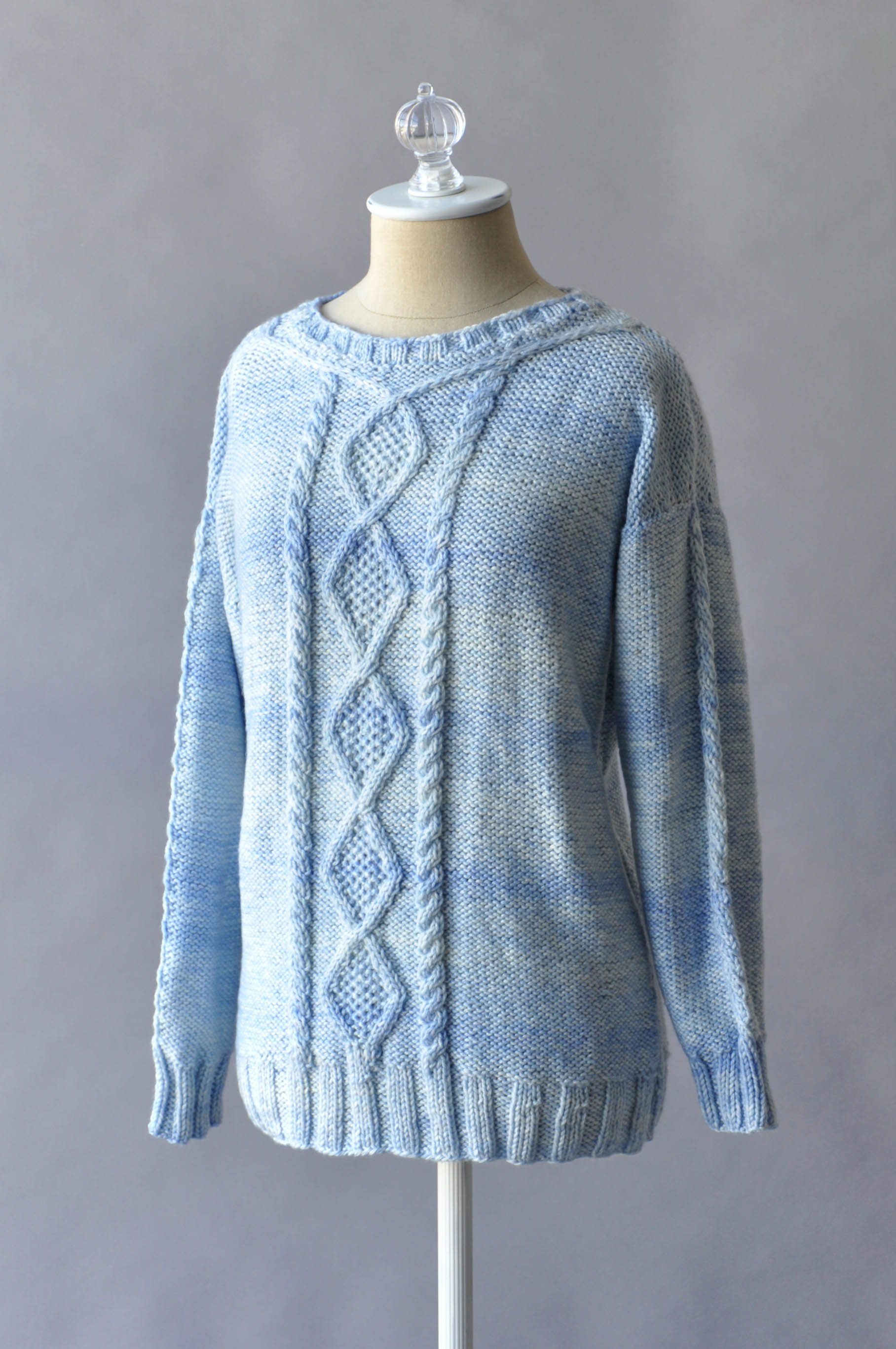
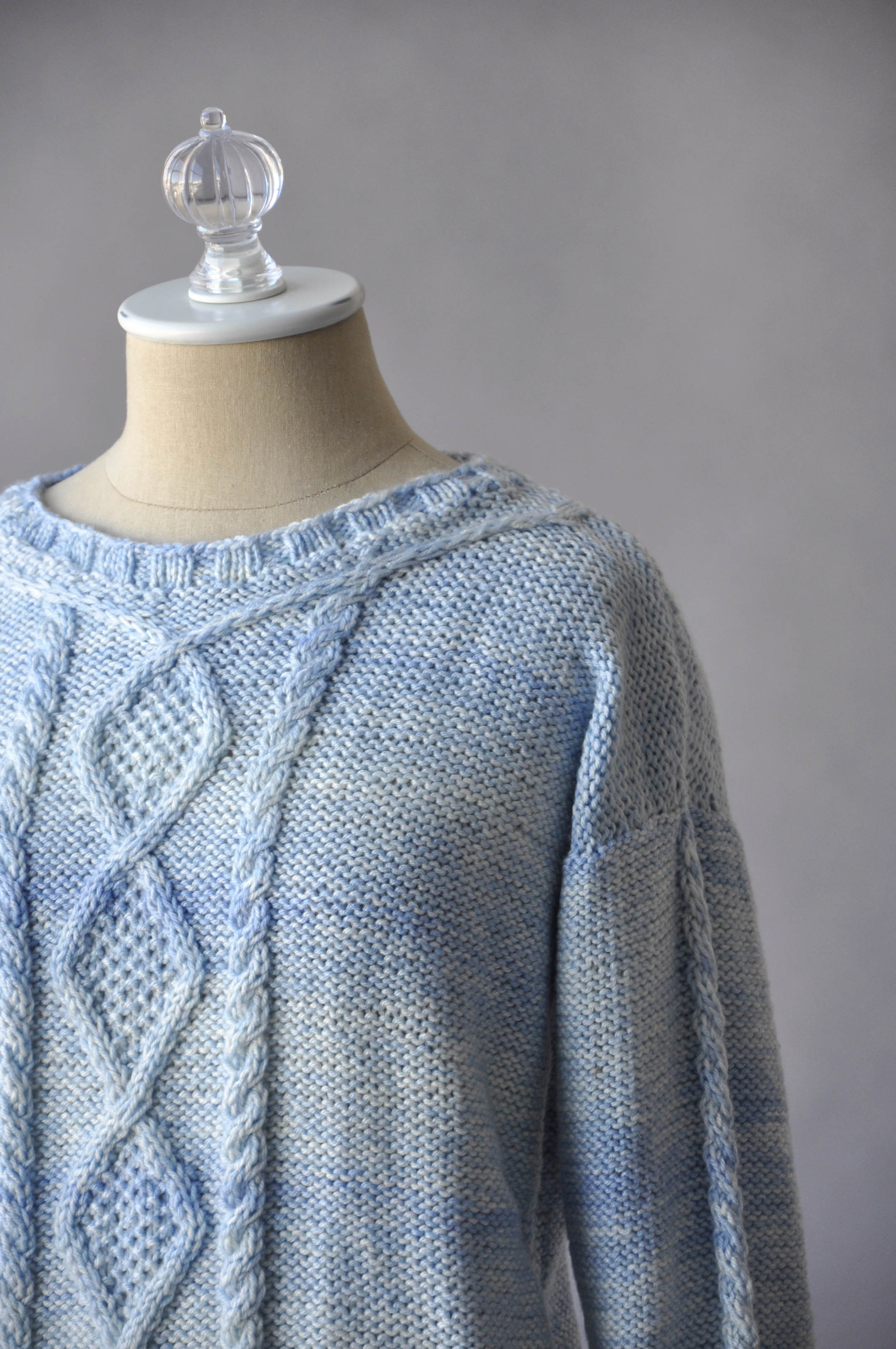
There are quite a few things to love here, like sizing from Small to 4X in the pullover…
detailing like twists along the sleeve and texture within the front cables…
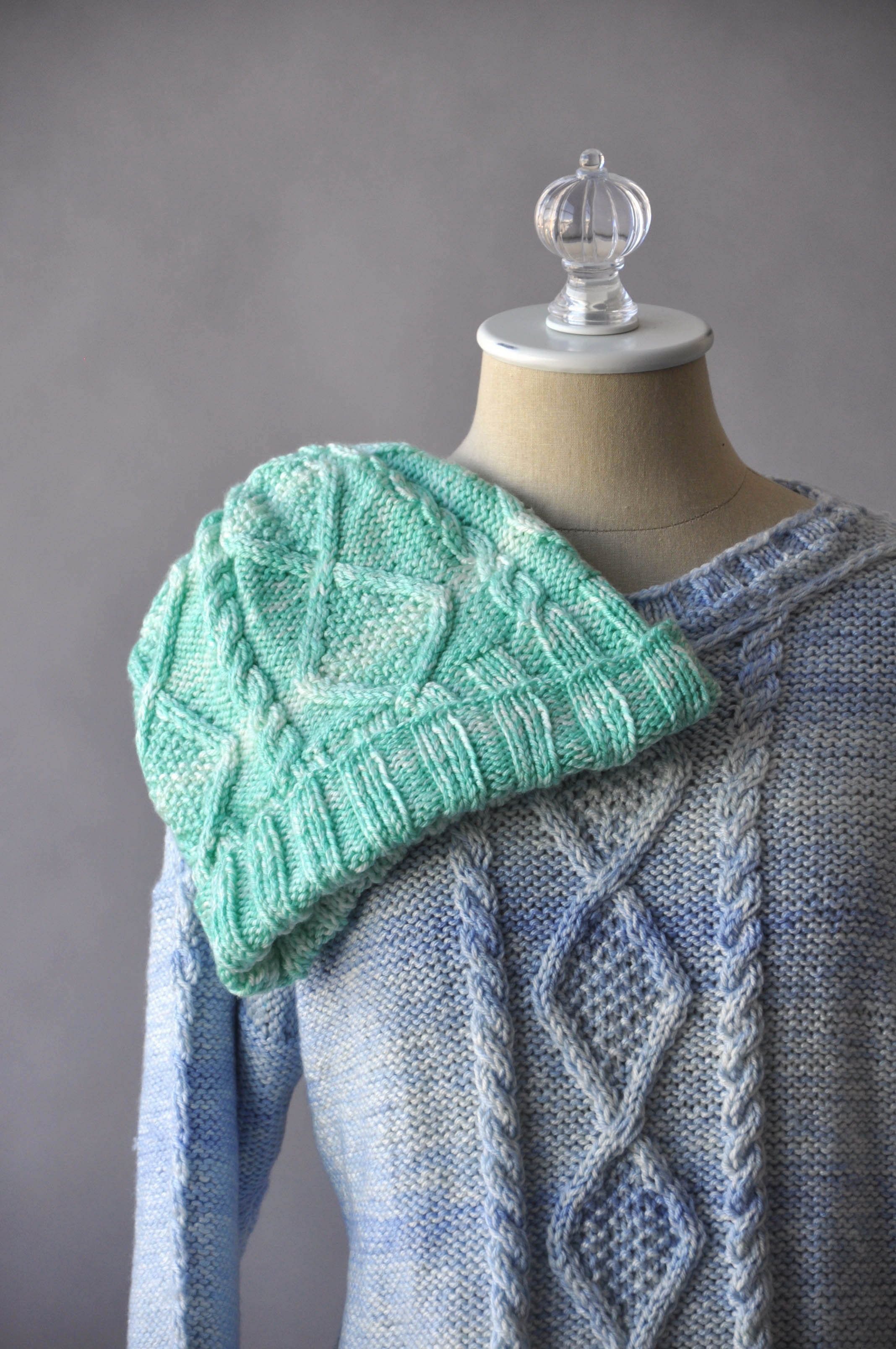
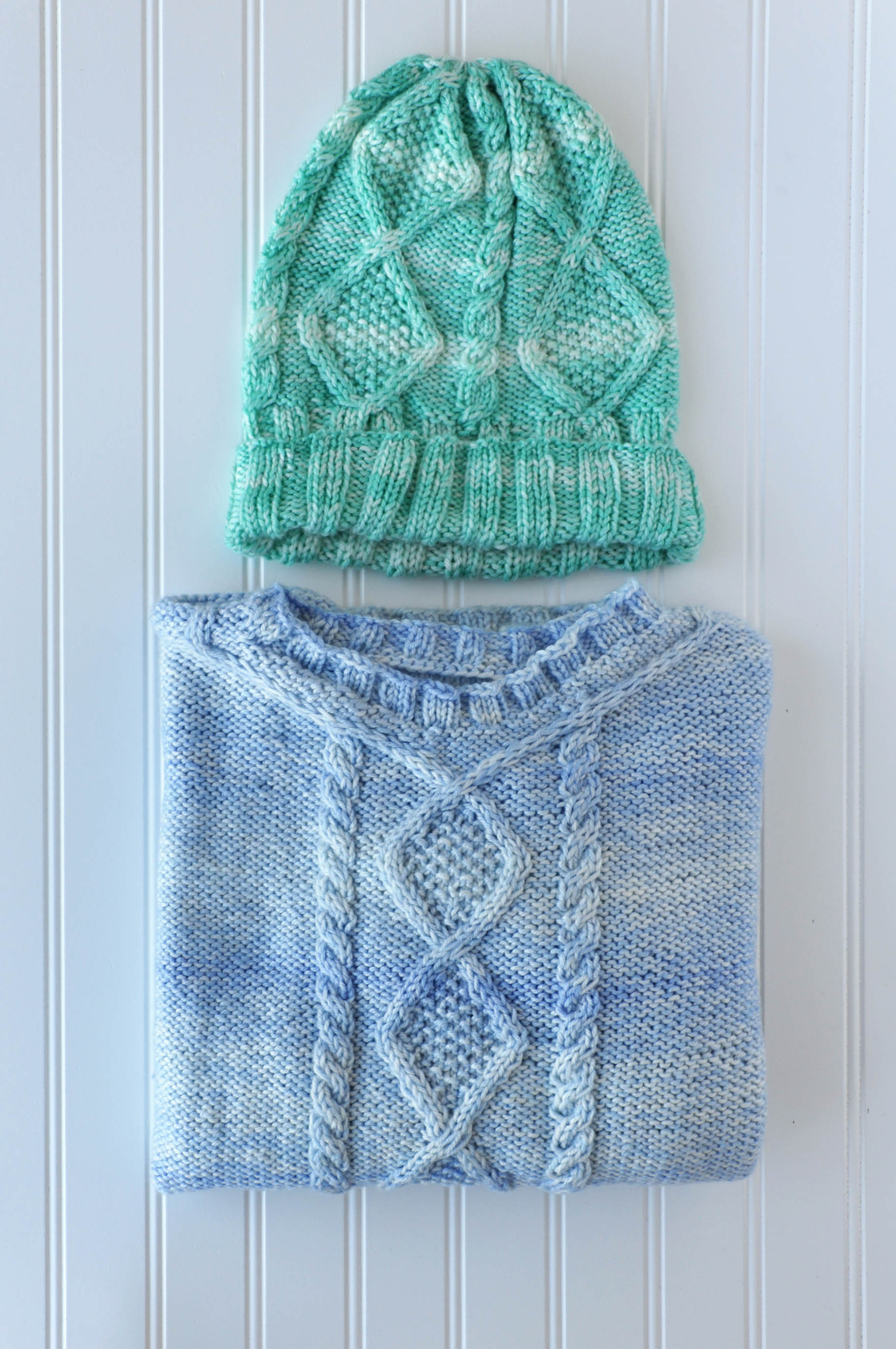
and how nicely this does in Uptown Worsted Mist, which is variegated enough to add interest but not so much that it overwhelms a lovely design.
We hope you have a wonderful weekend, and that you take time to do something for yourself.