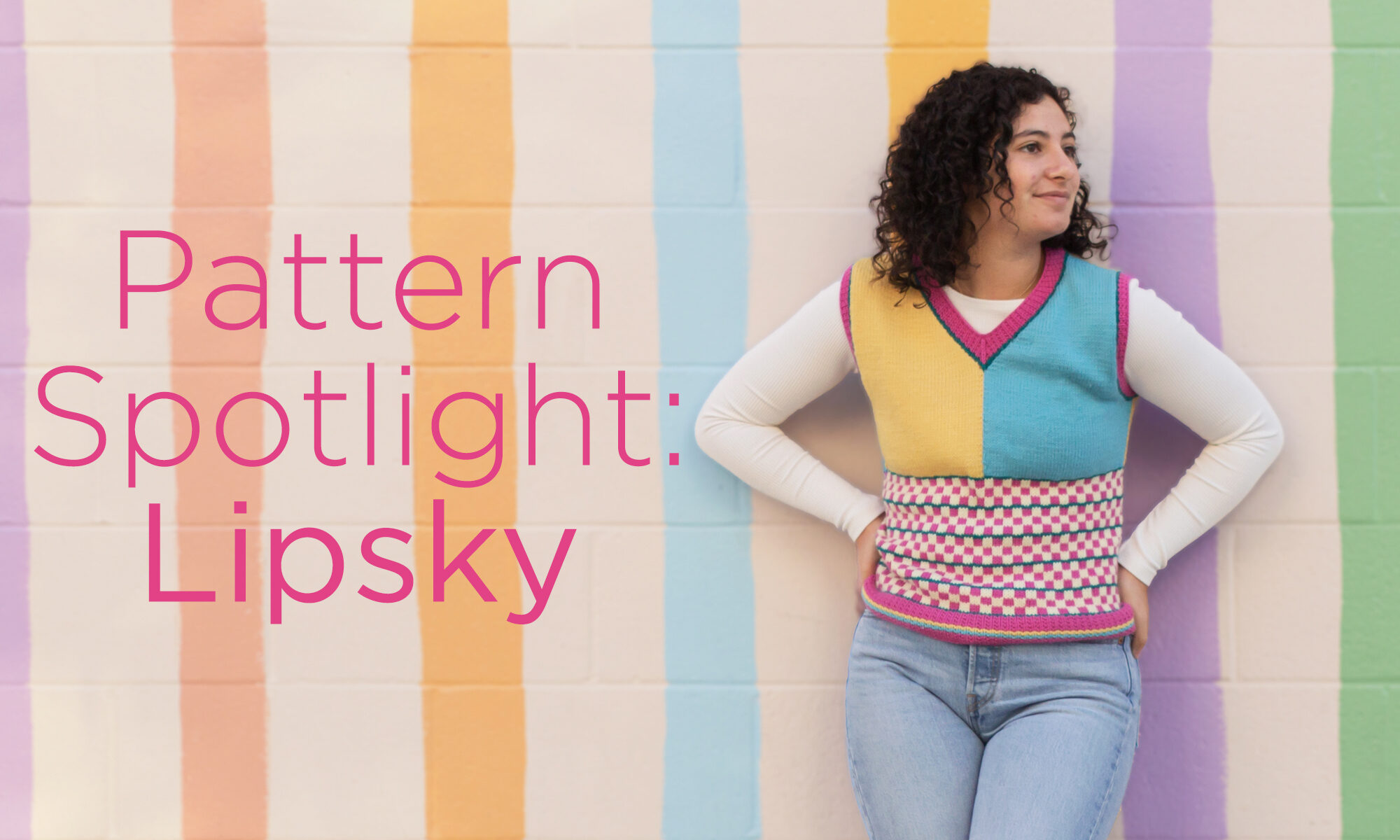
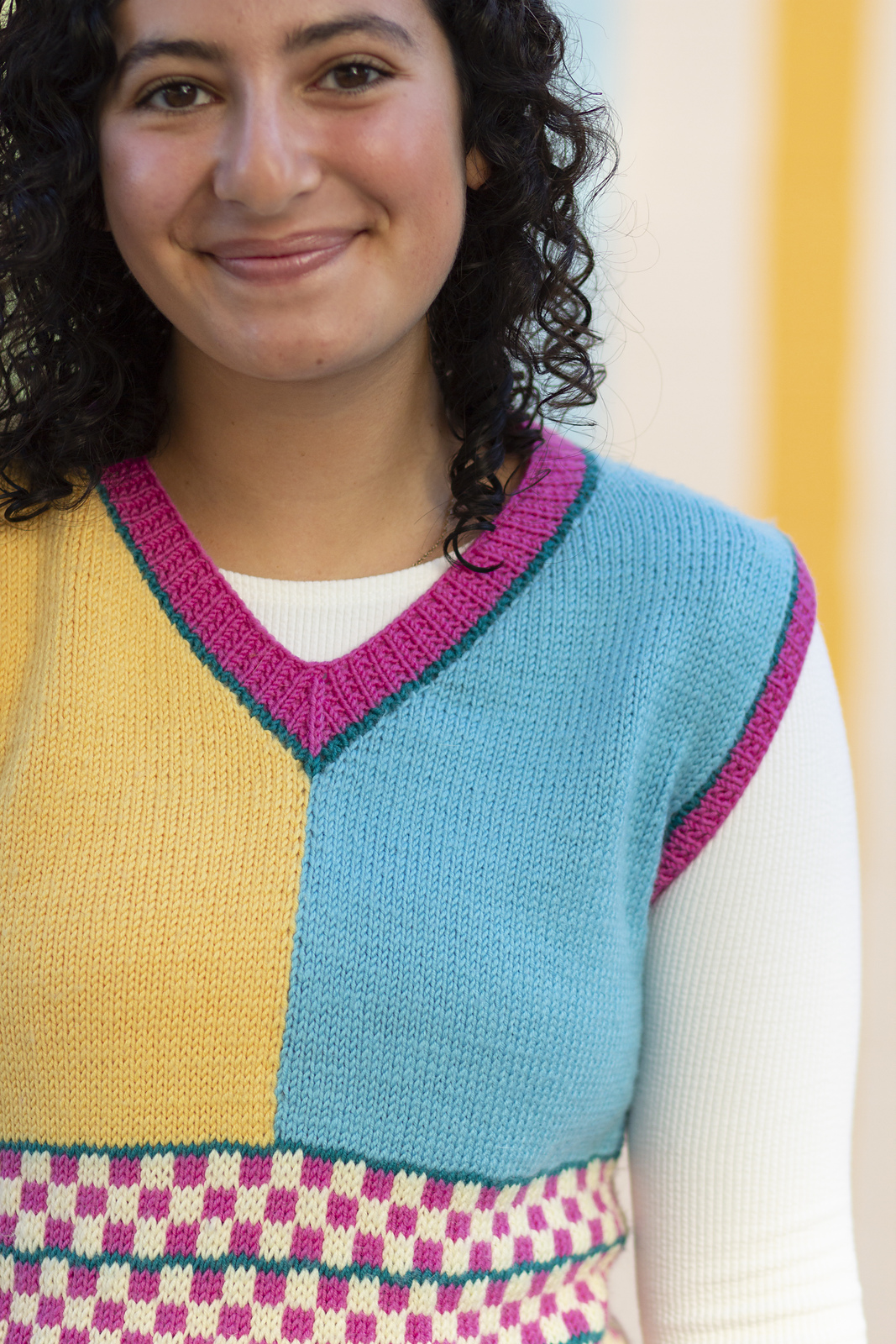
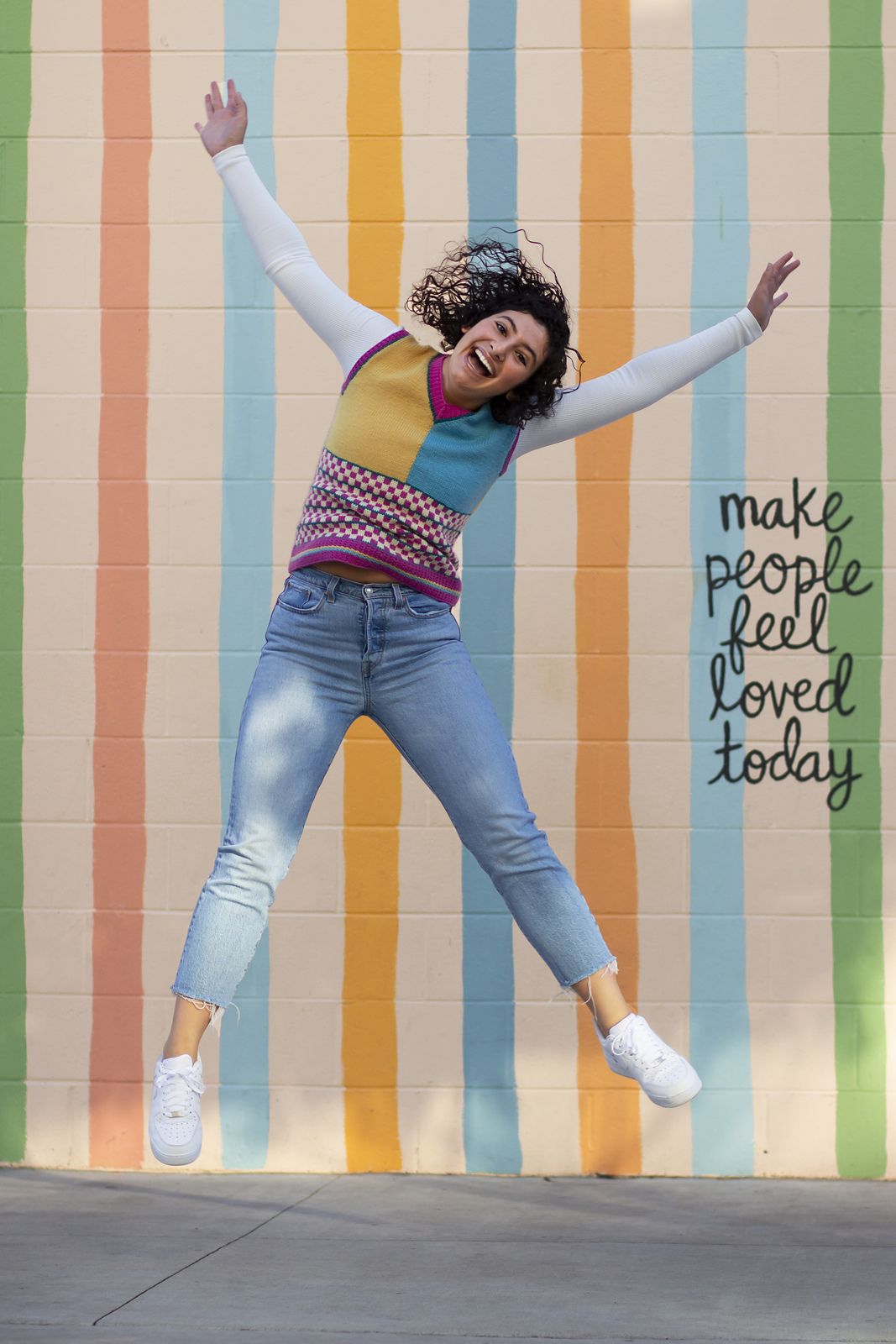
Happy Thursday! Today I’d like to spotlight a pattern I designed that was recently published in the Deep Fall 2021 issue of Knitty. It’s bright, a little quirky, and a ton of fun to knit. Say hello to Lipsky!
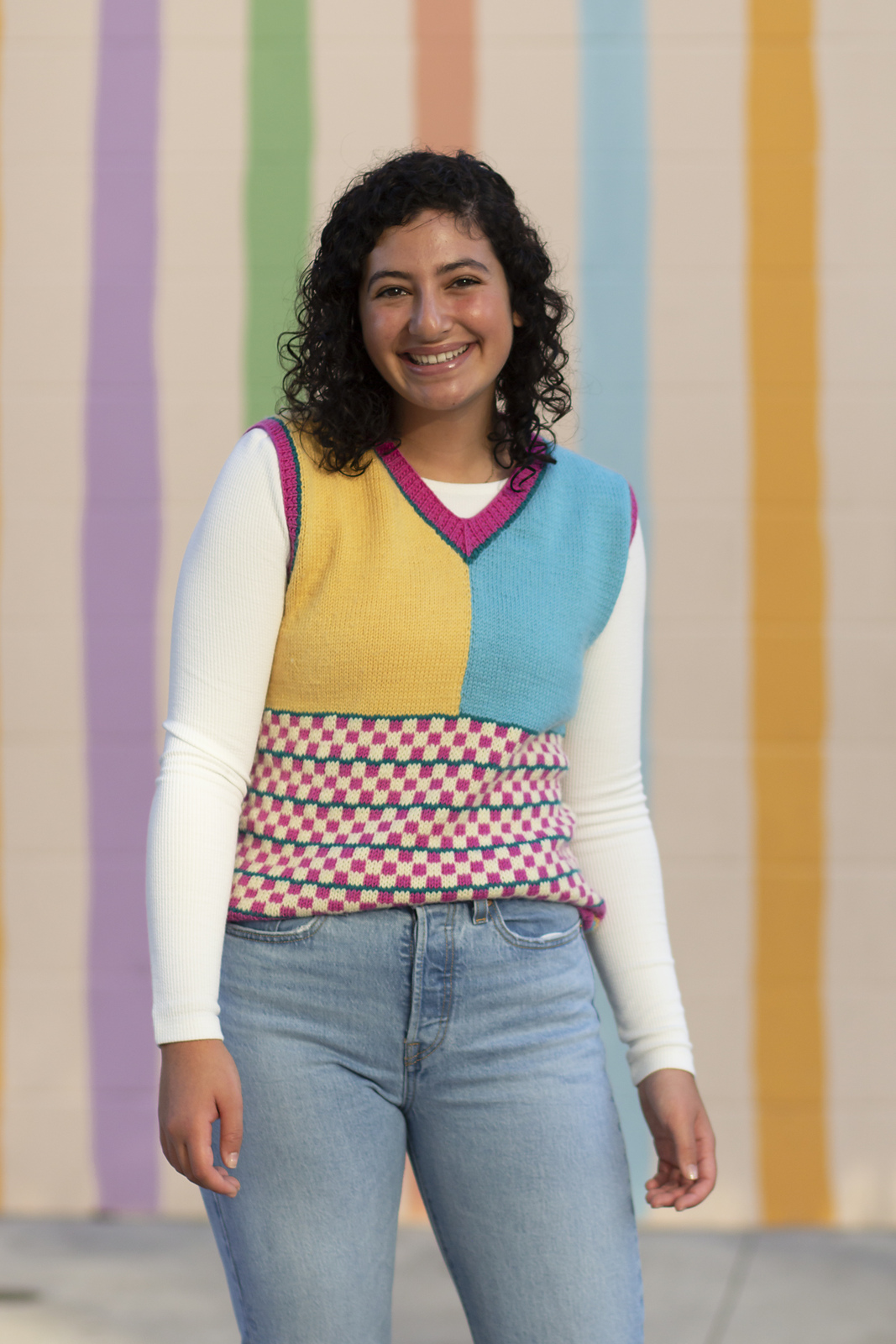
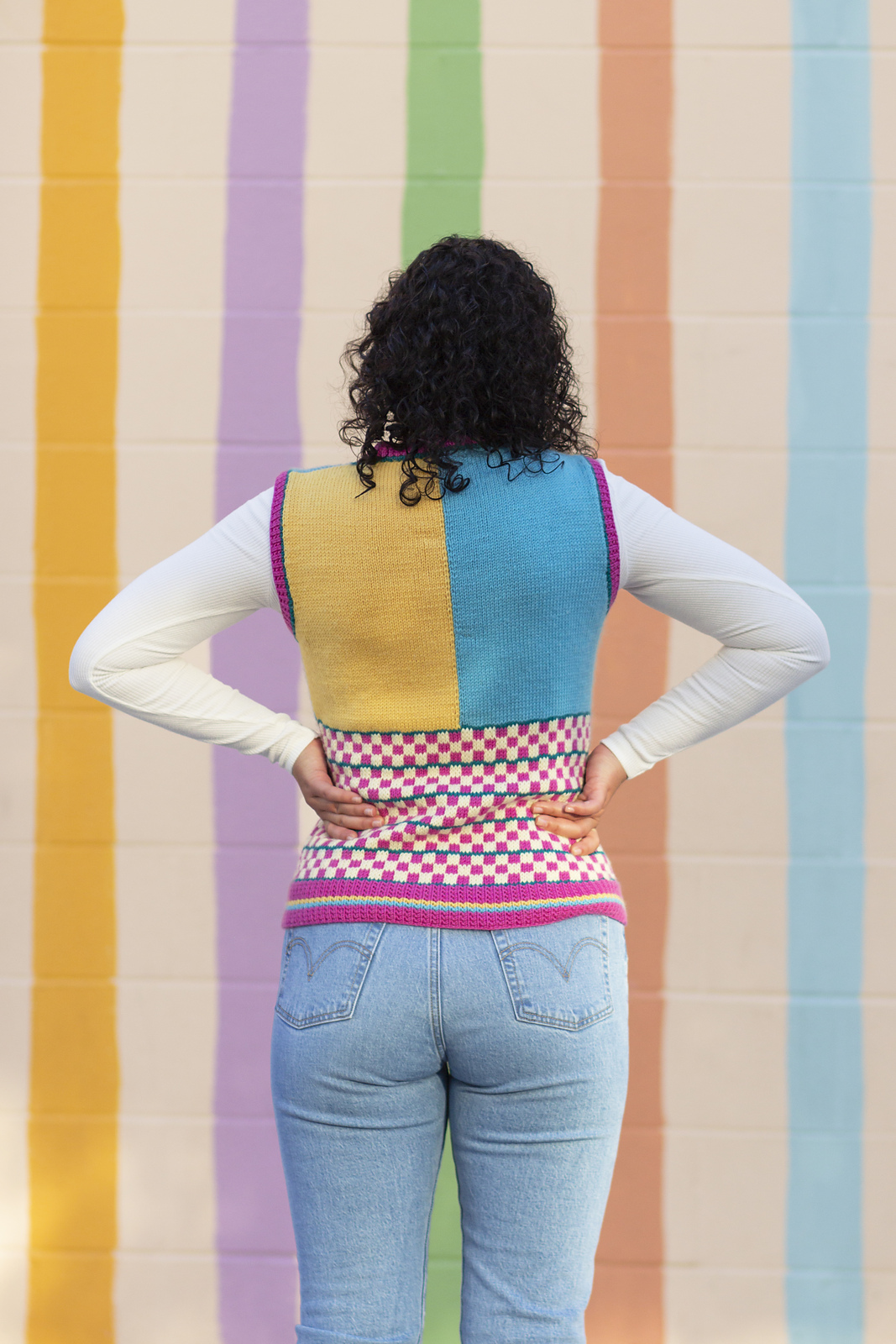
I designed the Lipsky (pattern link) vest in late June and knit this baby in less than two weeks. Sure, part of this was due to a fast-approaching deadline, but it’s also because it’s simply a fast project! Amy Singer and Jillian Moreno, the geniuses behind Knitty, asked me to create a vest that’s perfect for layering. While vests have traditionally been worn in more preppy or minimalist fashion, the Lipsky vest is quirky and contemporary. A leading trend this fall is the statement vest and Lipsky celebrates it by incorporating other trends such as color blocking and checkerboard patterning.
I chose DK-weight Fibra Natura Dona for the project. This plump and super soft extra fine superwash merino yarn features a broad palette of deeply saturated colors. I whipped up a quick sketch with colored pencils, but I wasn’t confident in my color selection. I asked Talya, the creator of our videos, TikTok content, and Reels, to give me her opinion. Together we came up with the combination of #102 Daffodil, #119 Clear Day, #127 Real Teal, #114 Camellia, and #135 Buttercup.
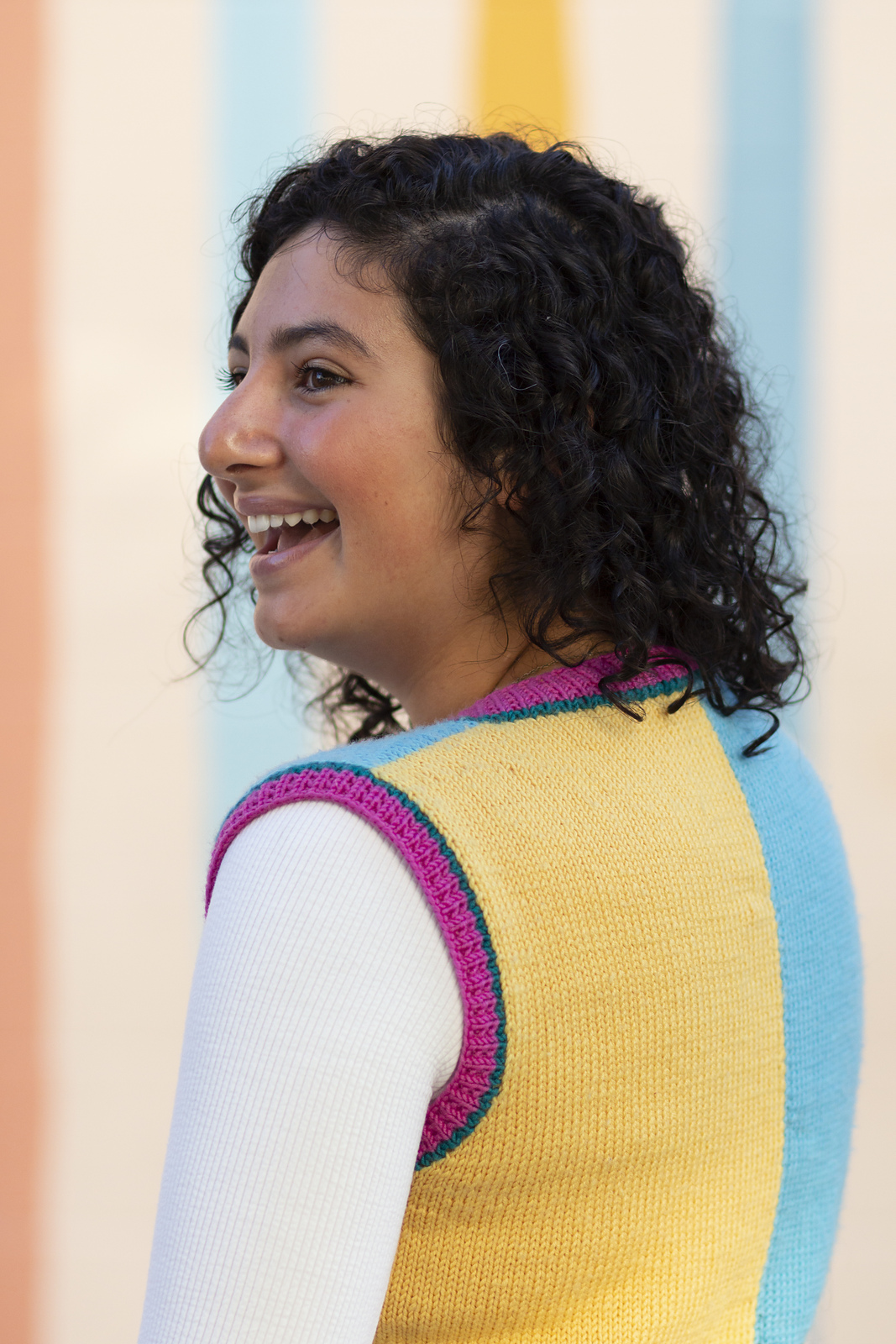
This vest incorporates a variety of colorwork techniques. You’ll pretty much get to dip your toes into everything! It includes intarsia worked flat and in the round, stranded knitting, and a touch of stripes. Don’t be intimidated, though! The intarsia is completely uncomplicated and the stranded colorwork is a breeze to memorize.
One concern I had while designing was that the intarsia portions at the top would be jarring with the different colors used in the stranded colorwork portion. My solution to this was simple – pepper the edgings with the teal and vibrant pink, and add stripes of sky blue and yellow to the hem. Incorporating these colors together in this manner helped to create harmony throughout the piece. It’s those details that really make me love this vest.
While I tend to be partial to seams because of the structure and longevity they provide, I know that many knitters prefer seamless, top-down sweaters. I wanted to give the people what they want, so I switched up my norm and designed Lipsky to be top-down and seamless. You start at the shoulders, working the back first and then returning to the shoulders to pick up stitches for the left and right front. After you complete the neck and armhole shaping, you’ll join the fronts and back, then work in the round for the rest of the vest.
And there you have it – a quick rundown of my new pattern! I’ve been so excited to share this project with you and hope you find it to be just as playful and fun as I do!
Do you love statement projects like this one? What colors would you choose? Let me know in the comments!
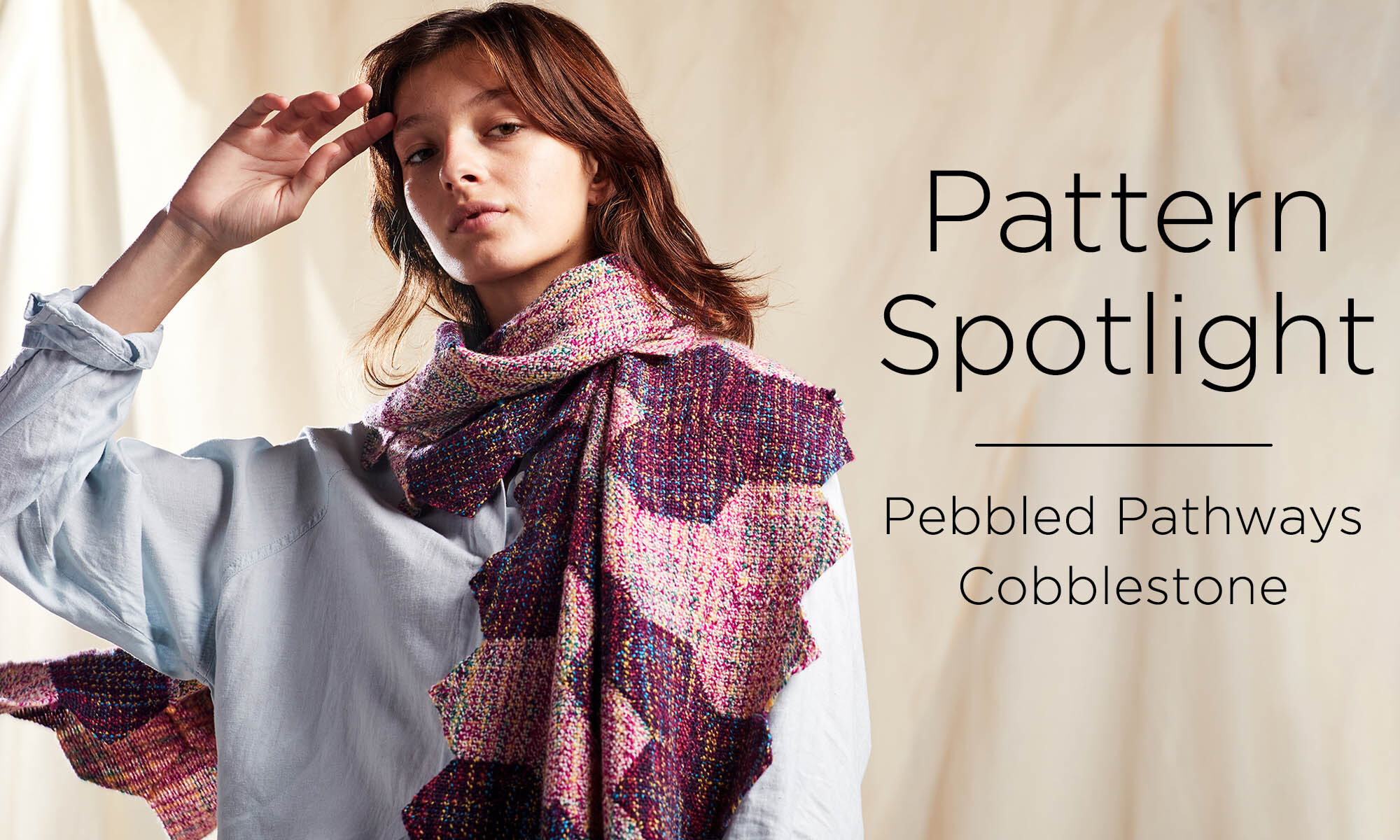
Have you seen our recently published free pattern, the extra special Pebbled Pathways in Cobblestone? Well, today we’re going to give it some well-deserved spotlight!
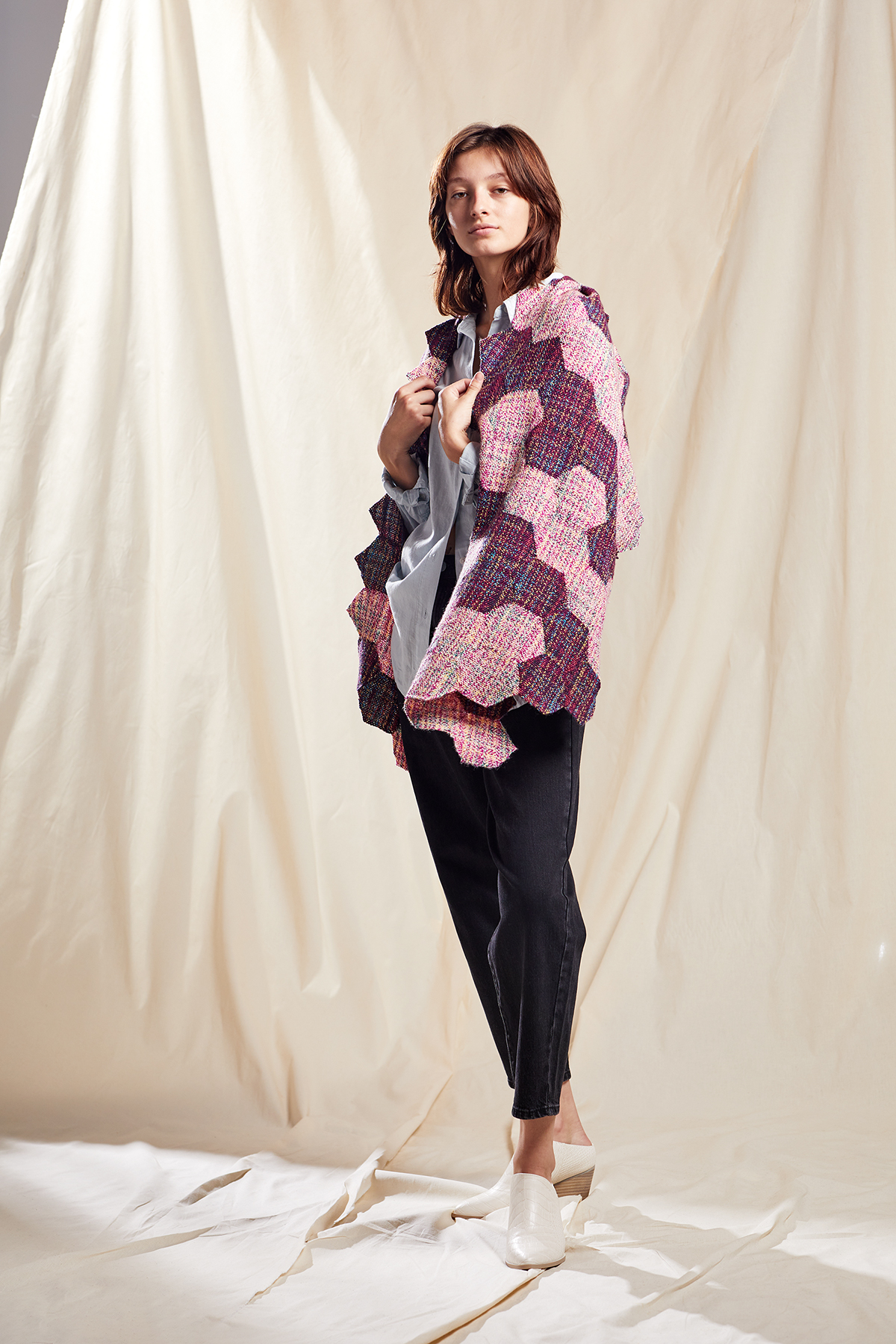
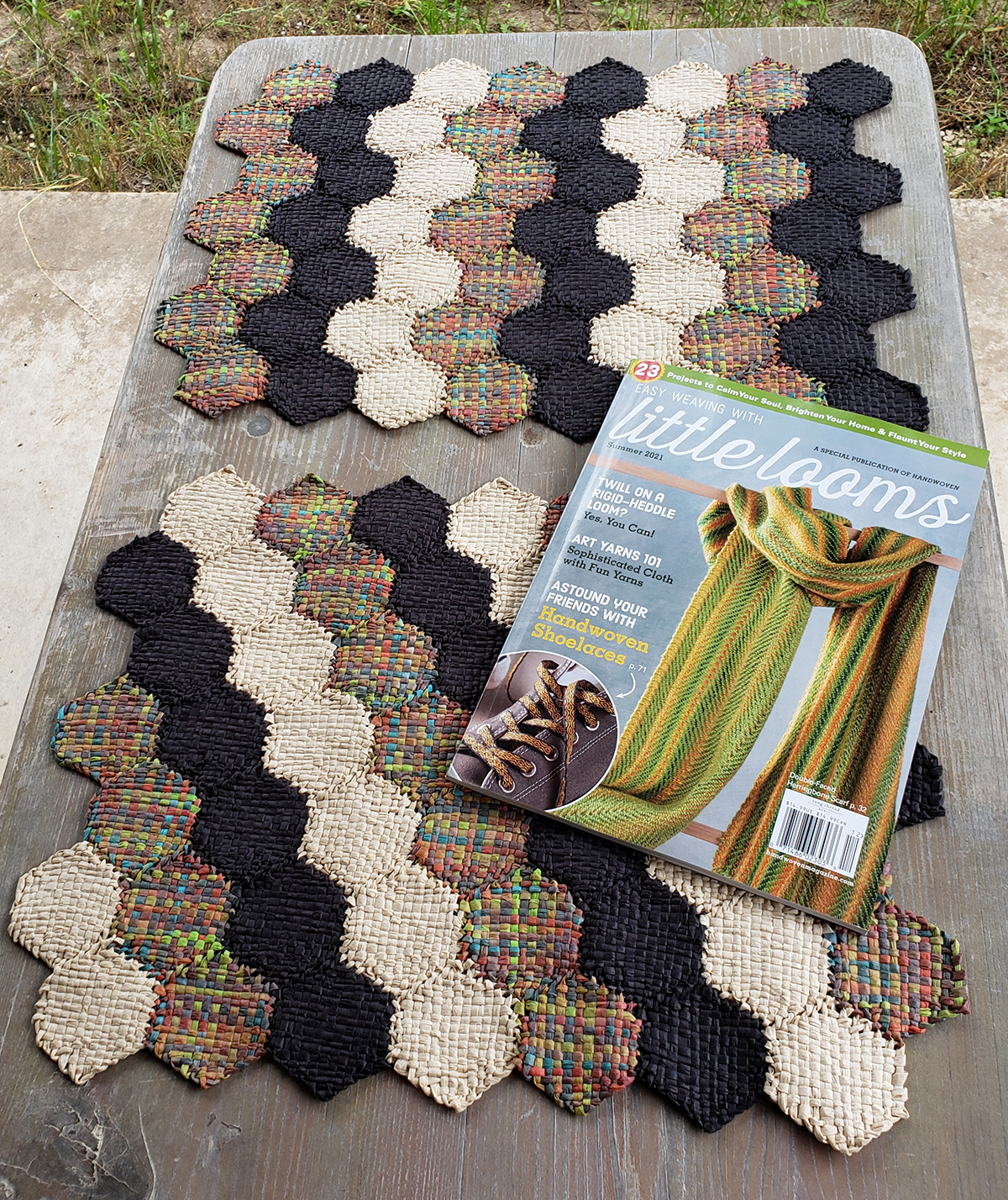
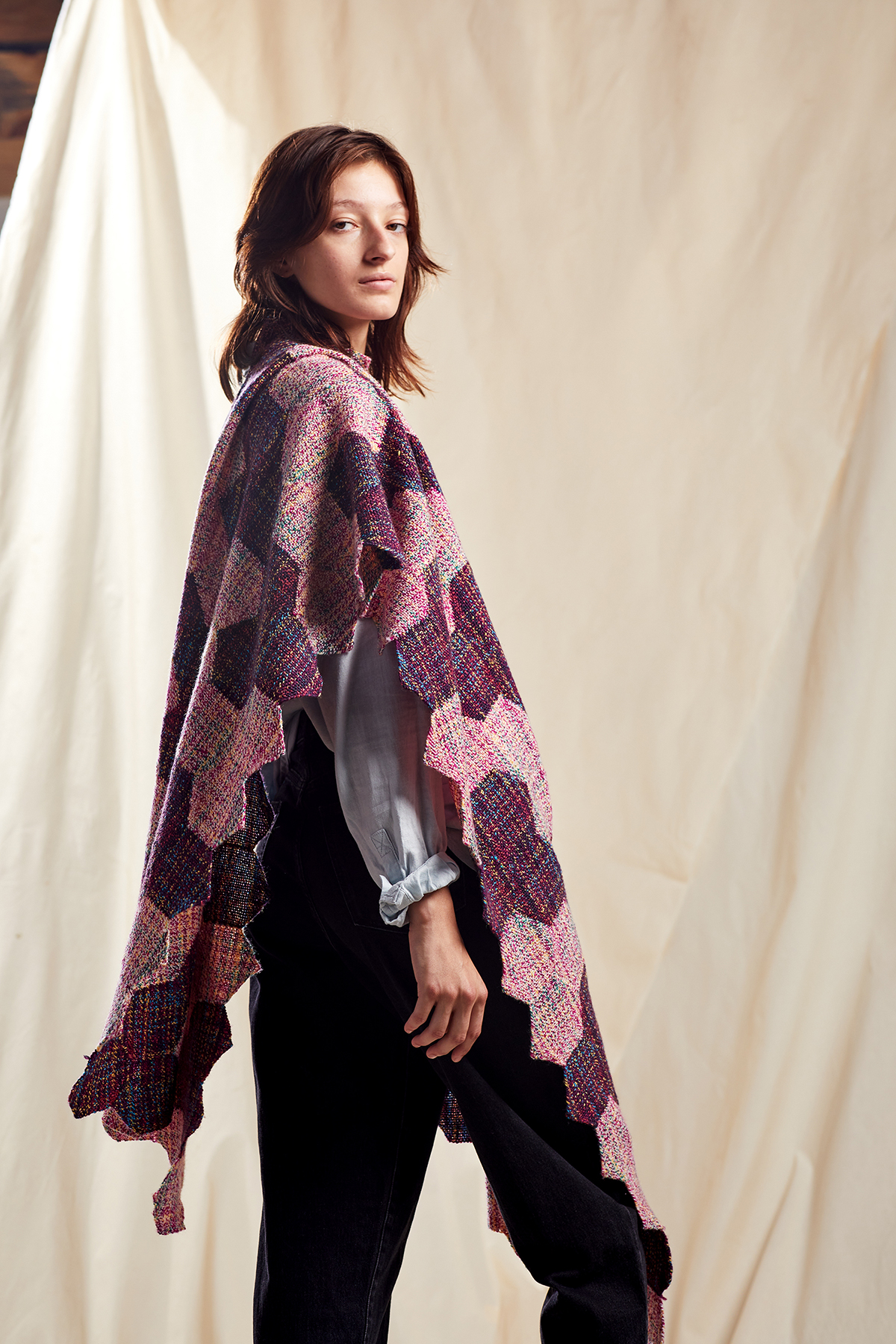
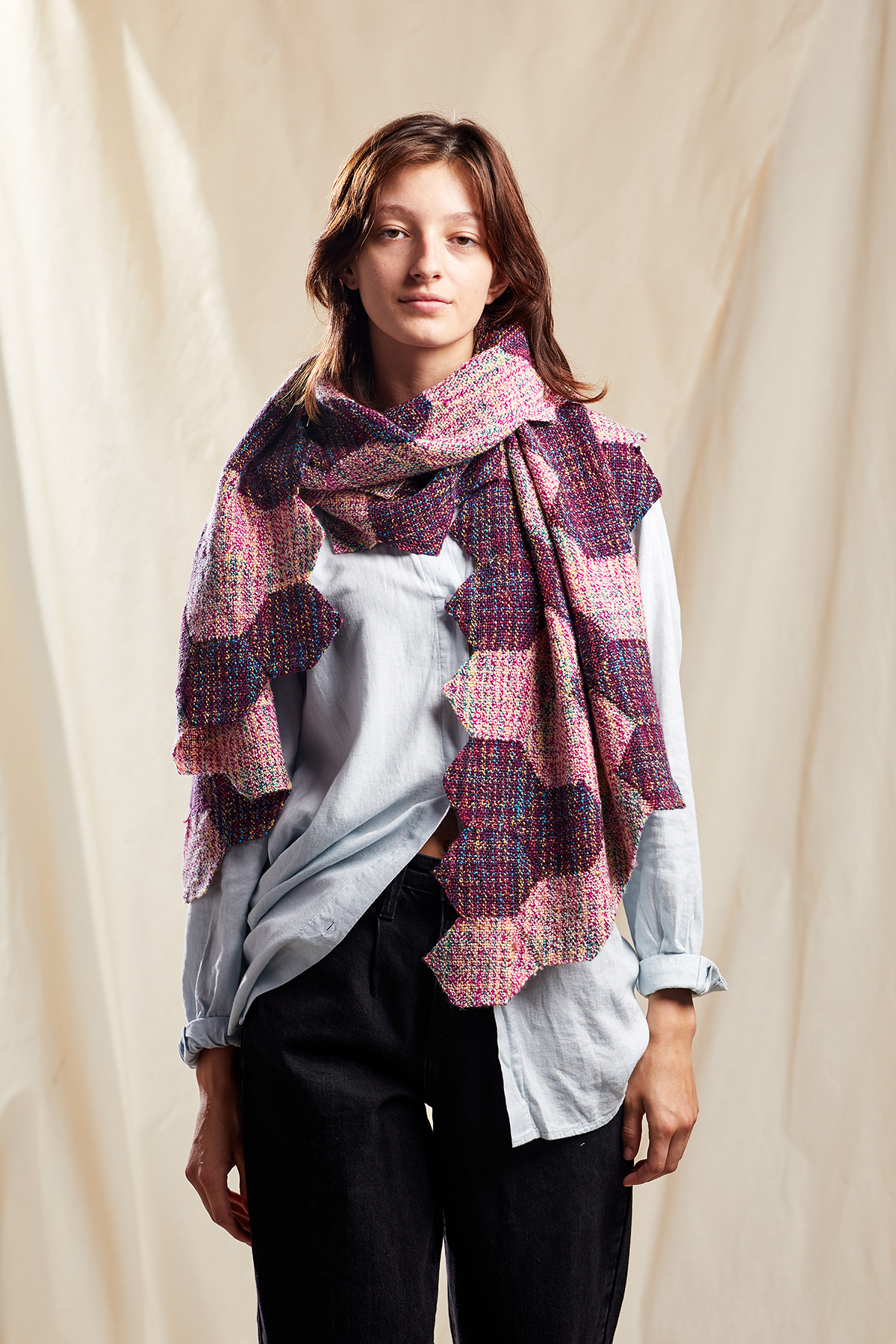
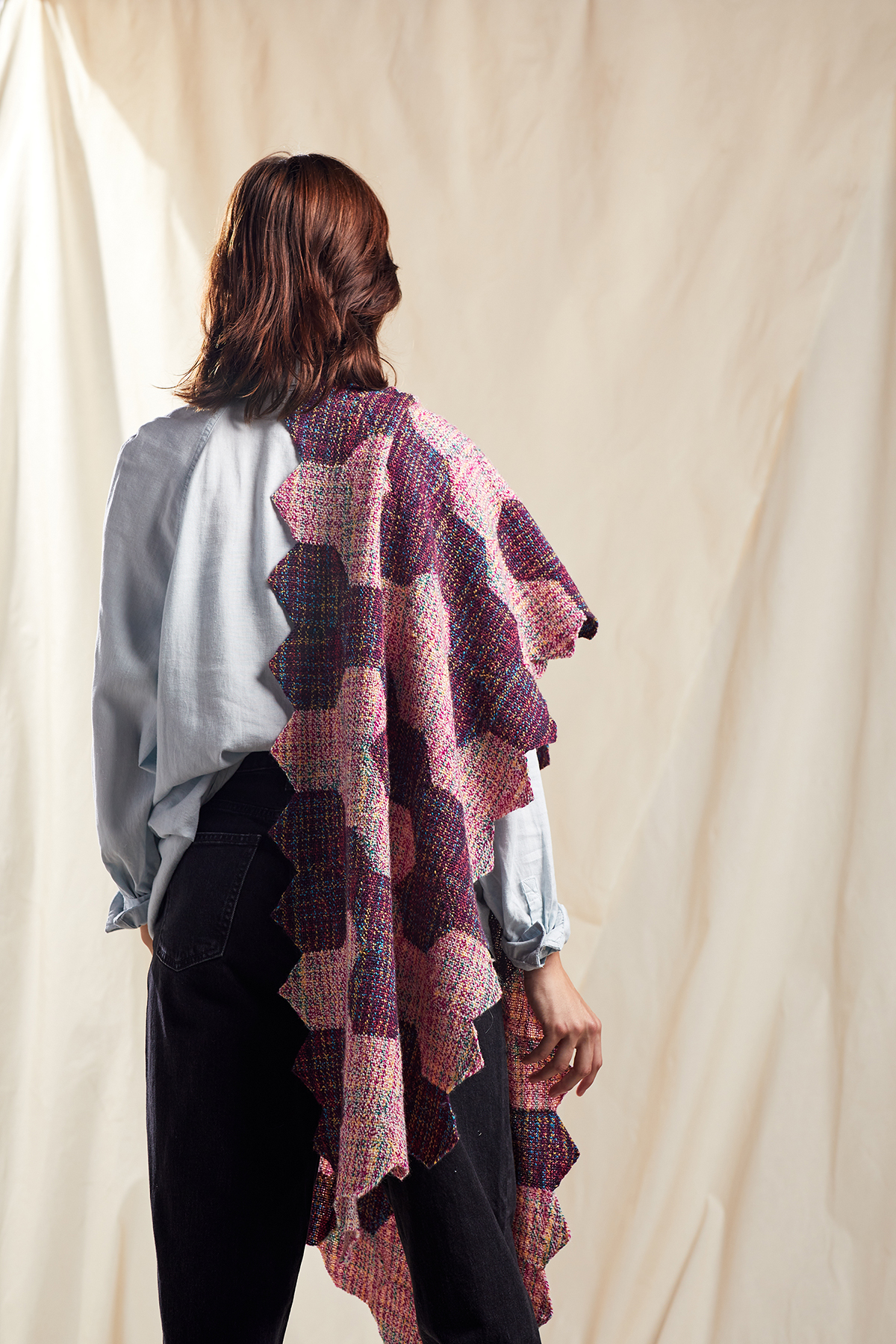
Pebbled Pathways (pattern link) has been in the works since late Spring, and I am so excited to finally be able to reveal this unique, gorgeous pattern! It is designed by Gabi van Tassel, who is known for her stunning pin loom designs. Her work has been published regularly in weaving publications, includingLittle Looms andHandwovenmagazines. We touch base on a semi-regular basis, and she always has wonderful things to say about our yarns and is such an enthusiastic fiber artist. As soon as we received Cobblestone, I knew I wanted to partner with her for a truly special project. I essentially sent her yarn, asked for some kind of wrap, and this colorful stole is the result! But, in addition to asking her to create this design, I asked her to write a guest post for our blog. So enough of what I have to say…let’s hear from Gabi herself!
From Gabi:
“It was a thrill when I received a small package from Universal Yarn a few months ago, with some brand-new Fibra Natura yarn and the question “Would you like to weave something with this?” I sure would!
Cobblestone in #102 Precious Jewels
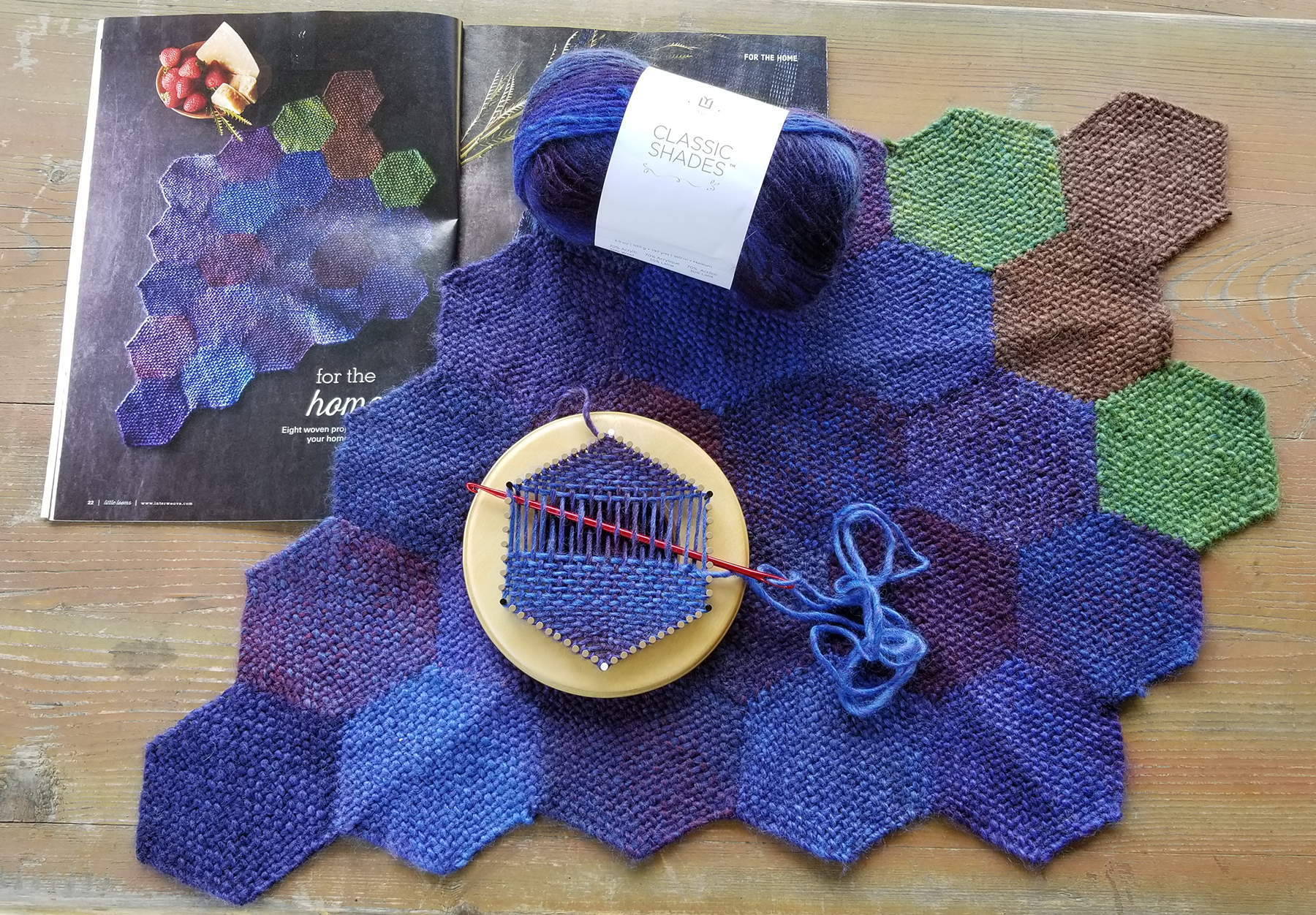
But let me quickly share with you how we got here: Among other crafts, I like to weave hexagons on pin looms. My first design using Universal Yarn was a Grape Table Topper, published in Easy Weaving with Little Looms 2018. I used Universal Yarn Classic Shades [now discontinued, but Colorburst is a great substitute] at the time, which provided the perfect color run to express grapes.
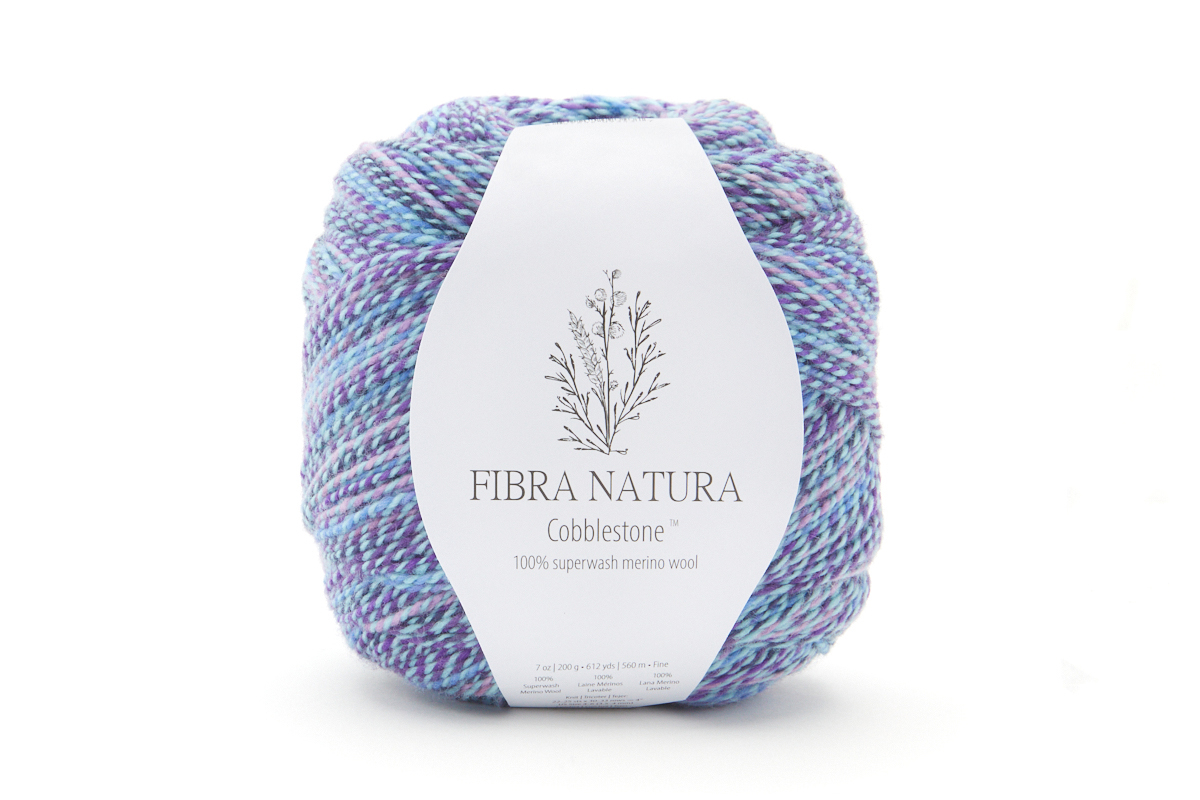
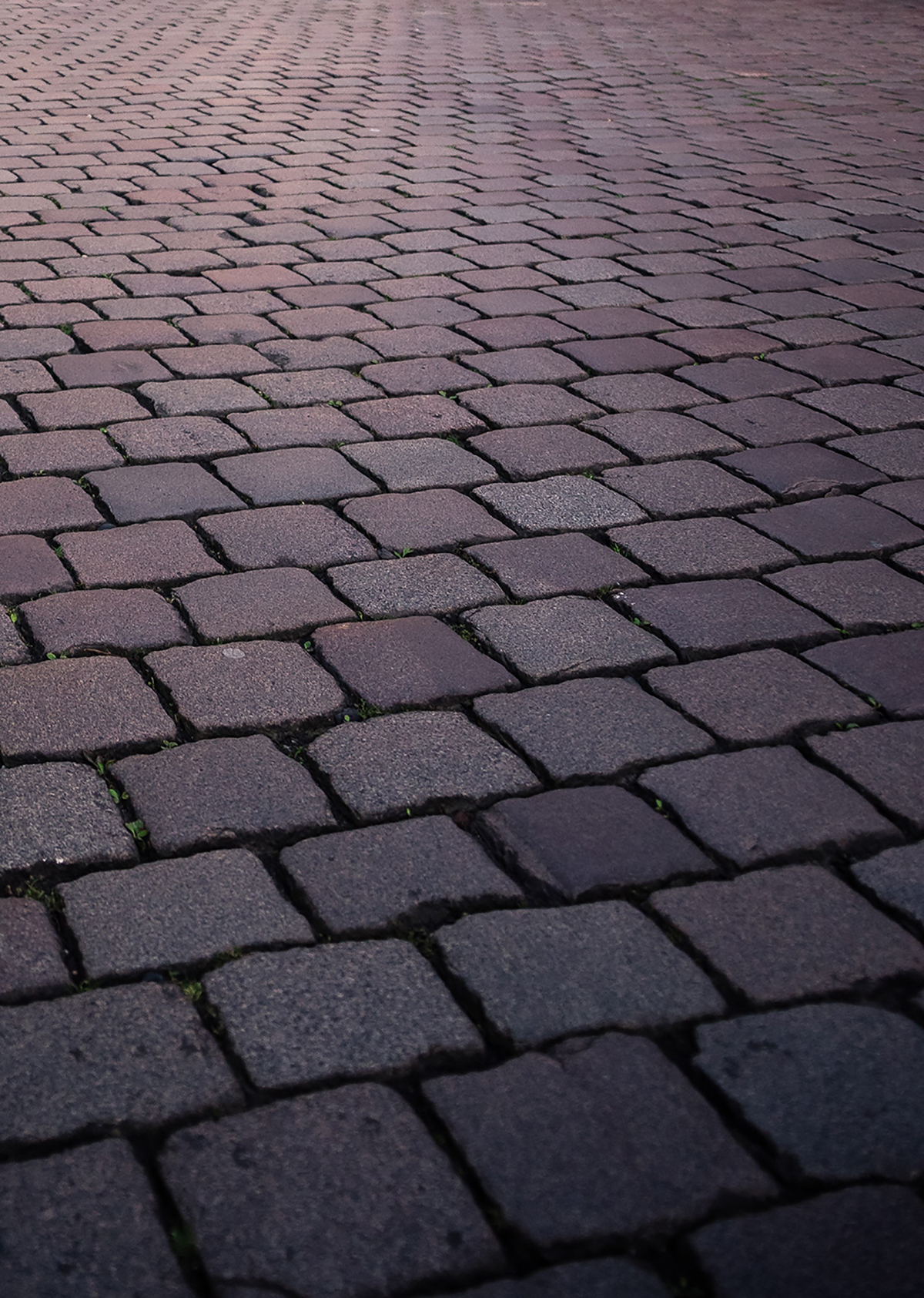
Back to the package that I received: The yarn was a sample of the new Cobblestone yarn, which hit me like a rocket with inspiration. The name reminded me of the old streets in Germany, where I grew up. I always loved the calming geometry of those streets, and I often thought about how each of these stones was carefully put in place by skillful crafty hands. I wanted to capture that meditative thought in a shawl with the new yarn.
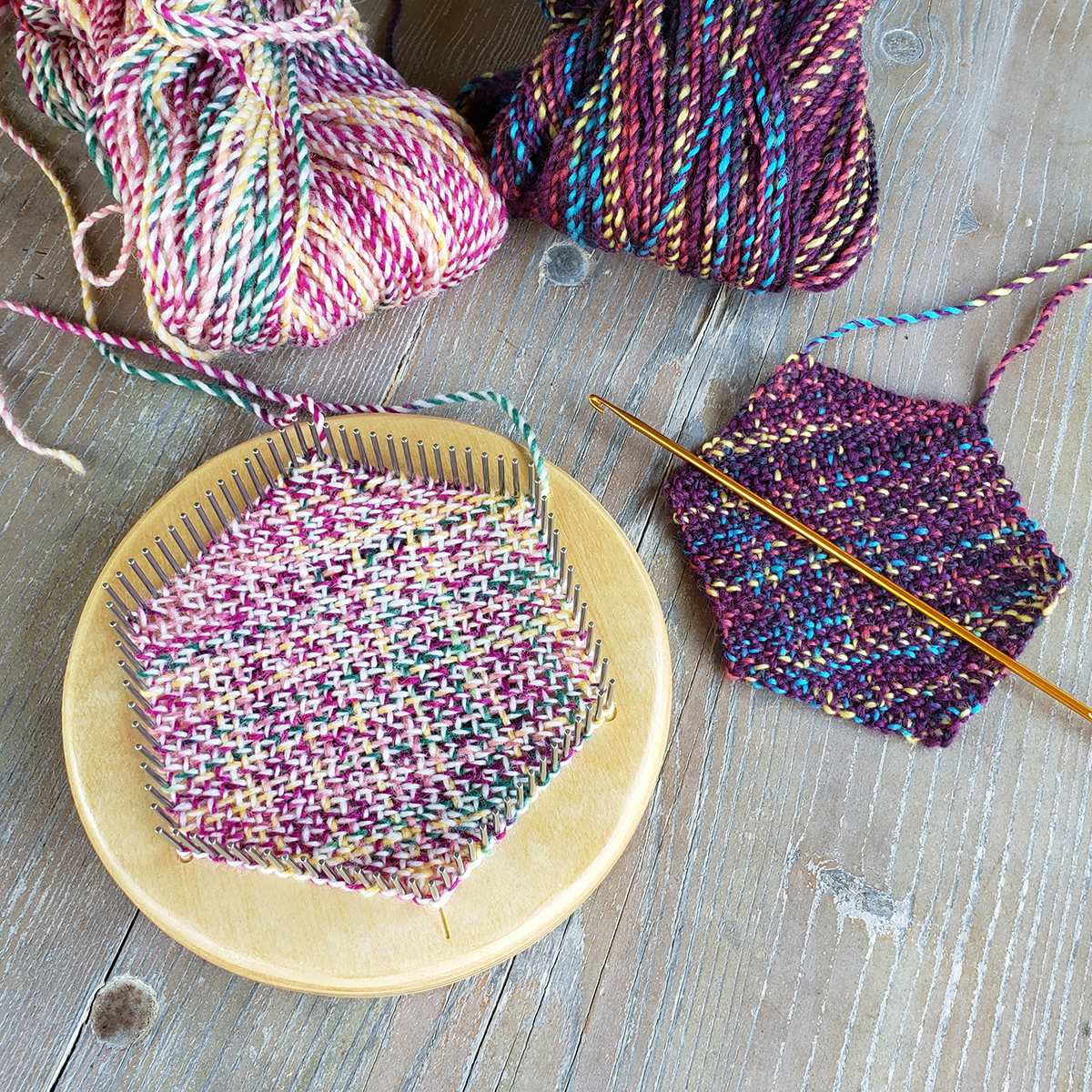
In case you are not familiar with pin loom weaving, it is a form of weaving where the crafter uses a small handheld loom to create shaped fabric pieces. Traditionally, pin looms wove 4” squares, but today there are many shapes, including rectangles, triangles, diamonds, and hexagons, in multiple sizes.
Just because these looms are small, doesn’t mean that you can’t craft serious projects. Pin loom weaving is modular weaving. Join the smaller woven units to make any item that you can imagine … for example, Pebbled Pathways!
Hexagon Pin Loom
The shawl is designed to make the best use of two balls of Cobblestone. The put-up is a generous 200-gram ball boasting 612 yards of 2-ply, 100% merino wool. The project requires one ball each of colors 103 Mardi Gras and 104 Tulip, with about 1 oz of each left over in the end. You can choose any other two colors of course. I recommend that you pick colors with contrast, to maintain the cobblestone characteristics in the design.
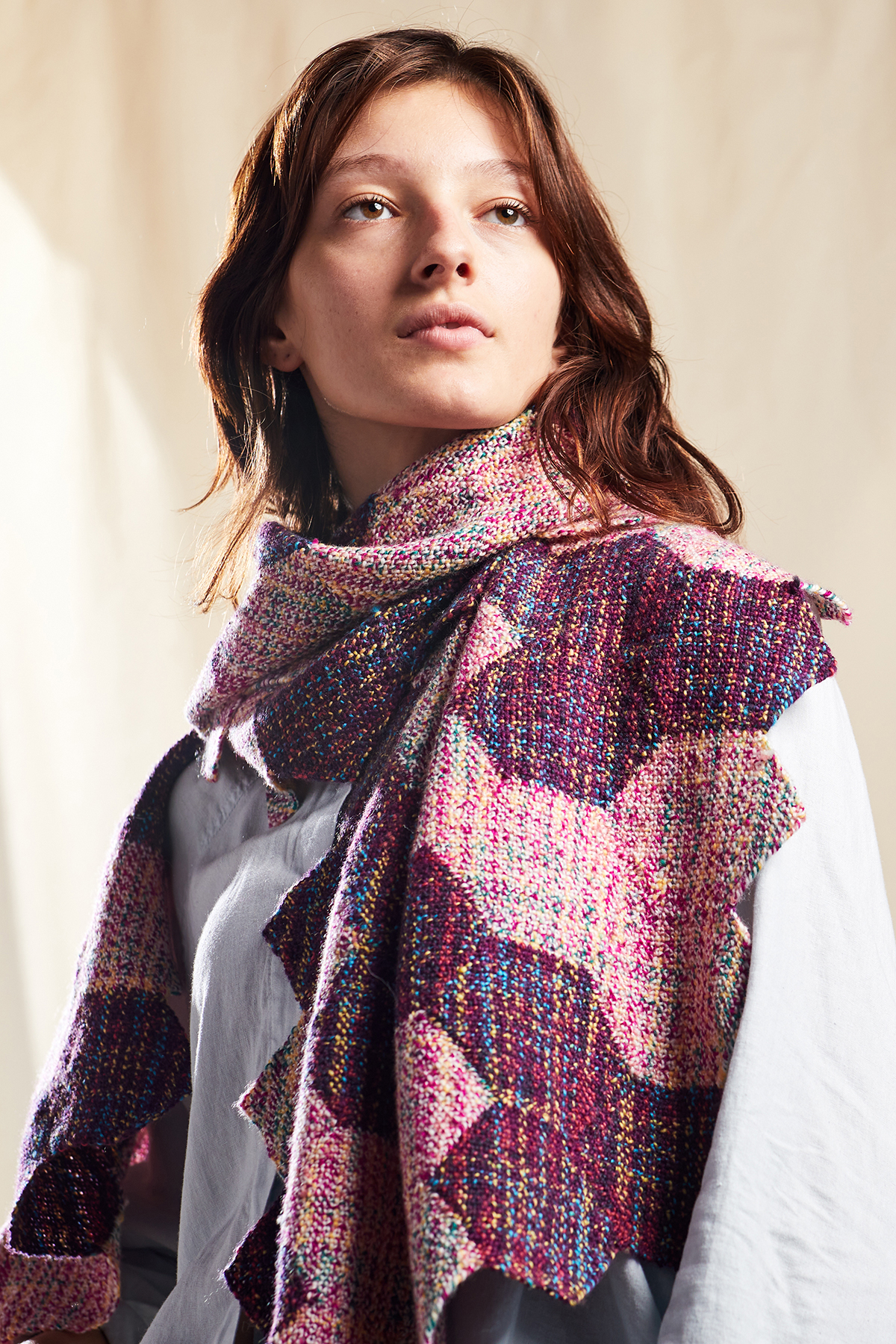
Weaving is easy. All of the hexagons are plain weave, worked on the Original TURTLE Loom™ in “F-fine sett”. The vivid color changes of the variegated yarn make each hexagon unique. The colors are well-curated and distributed in a way that the hexagons blend in with each other to make a smooth fabric.
The yarn is a delight to weave. It is soft and glides well while pin loom weaving. It has just the right amount of elasticity, not stiff and not too stretchy. The light twist is perfect to gently bloom into a nice, soft fabric with a good drape.
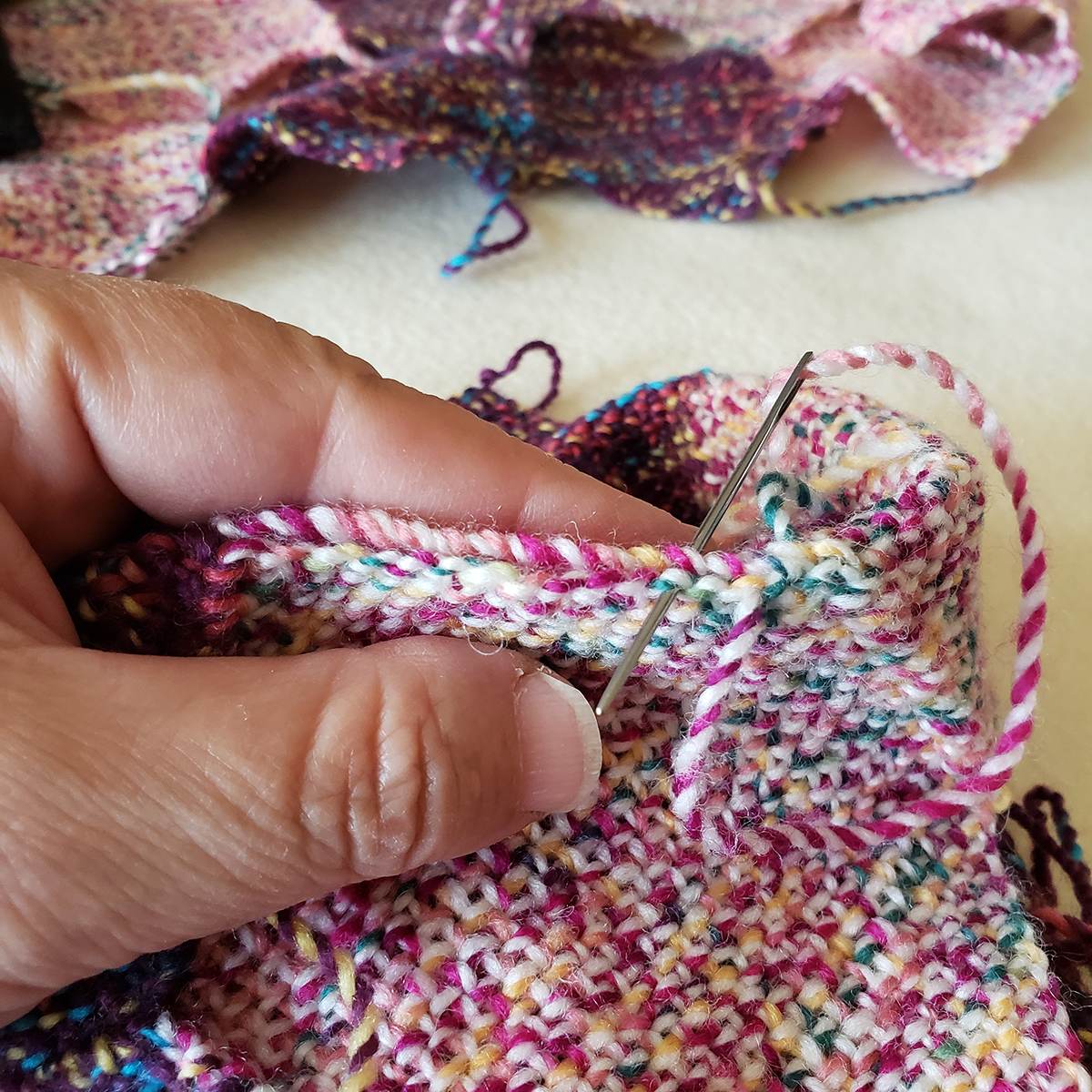
Crafters sometimes hesitate the task of joining pin loom woven shapes. However, hexagons are actually easy to join because they have smooth edgings. The sides are short enough to hold by hand: just match up two hexagons by their sides and sew them together with about 10-12 whip stitches.
If you would like some help with joining hexagons, check out the video “Joining 101: Sewing Two Hexagons Together” (https://youtu.be/PuD2wv1DdIo). Or, if you are interested in the mattress stitch, see the joining part of “Making an Elf Basket”.
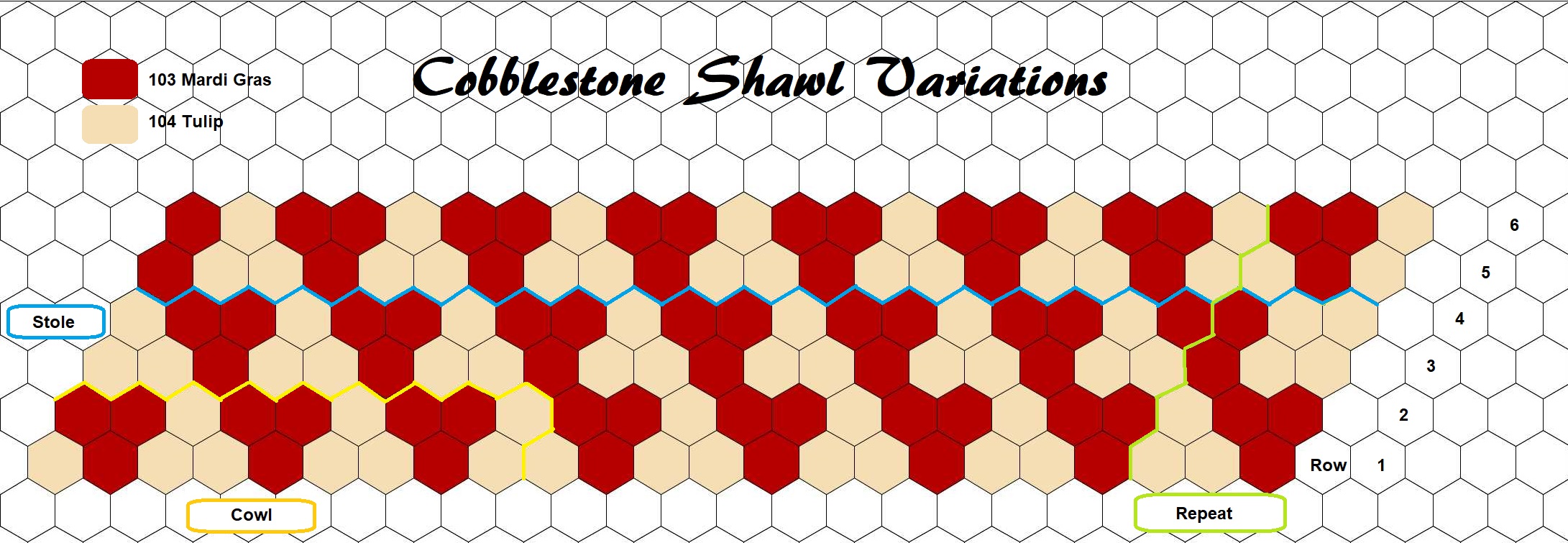
If you don’t feel like weaving through two whole balls of Cobblestone, let the modular character of pin loom weaving come to the rescue! You can make a slimmer wrap by weaving only four rows instead of six (blue marks).
You can shorten or extend the length of the shawl by easily adding or subtracting a repeat of three hexagon columns (green marks).
Or – if you wish to make a small project at first – you can make a cowl, two rows high and nine hexagons in the round (yellow marks). Now, if you decide to make a cowl … and you like it … make another one for a friend … make a few as holiday gifts … Did I mention that there is a rabbit hole here?
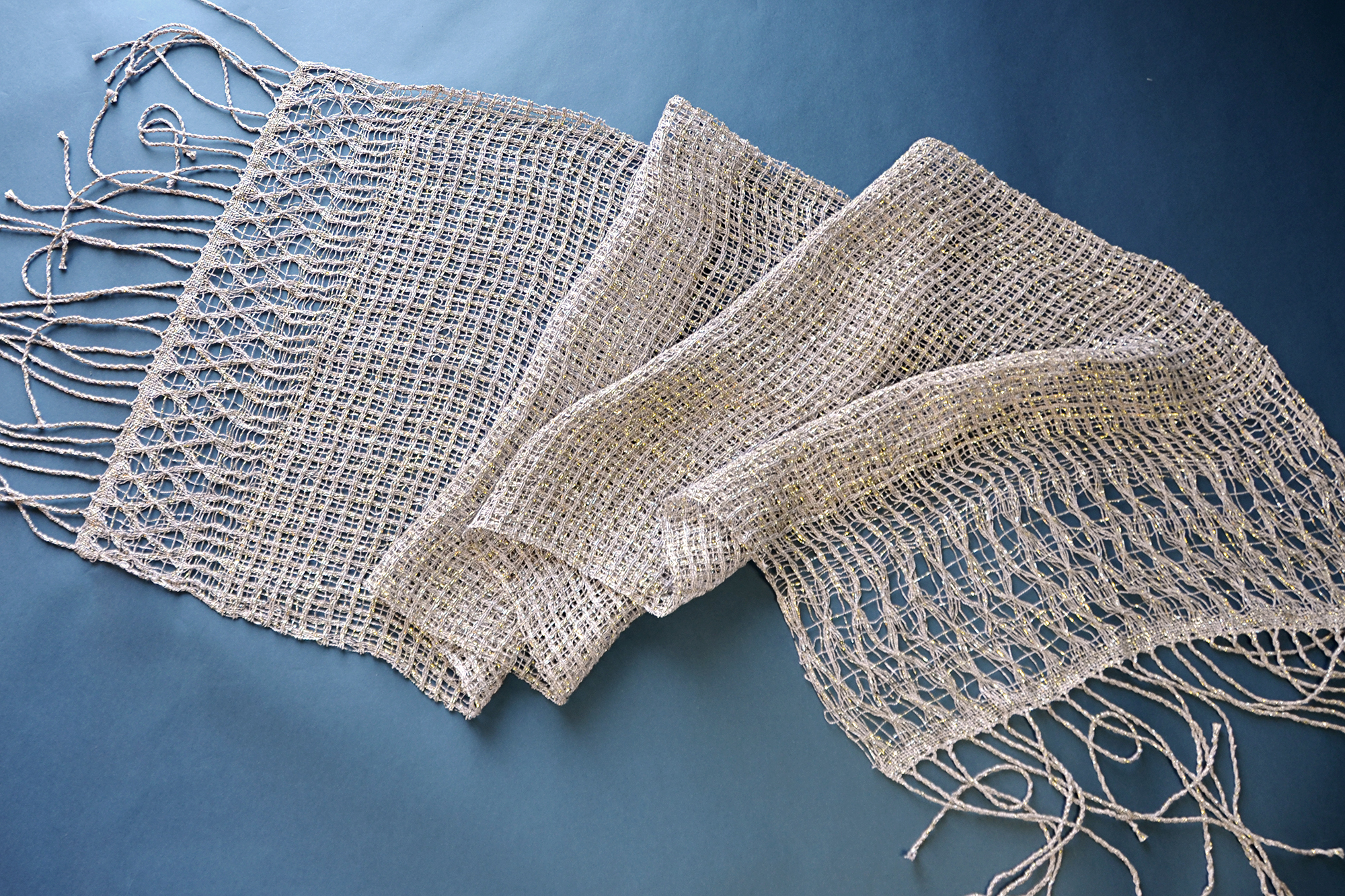
Sparkle Windows woven scarf by Amy Gunderson
Many of Universal’s yarns are well-suited for weaving, and the Pebbled Pathways wrap just might be the beginning of more “oh, look what you can make” weaving projects. There is already Amy Gunderson’s beautiful Sparkle Windows shawl in Universe.
Next, Bamboo Pop is a popular yarn in the rigid heddle looms community because of its ease to weave, the lovely drape, and the stunning color effects. Then, there is also Ravello for a project with a touch of luxurious cashmere. Or, you could try the very practical Rico Design Creative Bubble that inspires pin loom woven kitchen and bath accessories.
Got a loom? Let’s weave! “
Me again (Rachel)! I’m so glad Gabi was able to share not only this beautiful design, but her thoughts on the inspiration, our new Cobblestone yarn, and even more yarns to explore weaving with! We have a small, square pin loom here in the office, and I am pretty tempted to start playing with it. The idea of a fringed scarf or cute cowl is awfully tempting!
I hope you love Pebbled Pathways as much as we do. Have you woven before, or are you now inspired to? Let us know in the comments!
Hello crafters! I wanted to start this week off by discussing a really fun topic: design inspiration. In particular, the growing Cottagecore trend, and how it inspired the Homestead Tank free pattern.
It is no secret that the past year has been tough on every single one of us. From spending way more time at home than we’re used to, to the general effects of the pandemic on society, we’re all searching for bright spots in our day-to-day. Over the last year, many people have either picked up or returned to their knitting hobby, as it is mindful and often quite stress relieving. I find myself consistently drawn to simple silhouettes and rhythmic stitch patterns for new designs, as I feel these elements are well suited to the needs of today’s knitter.
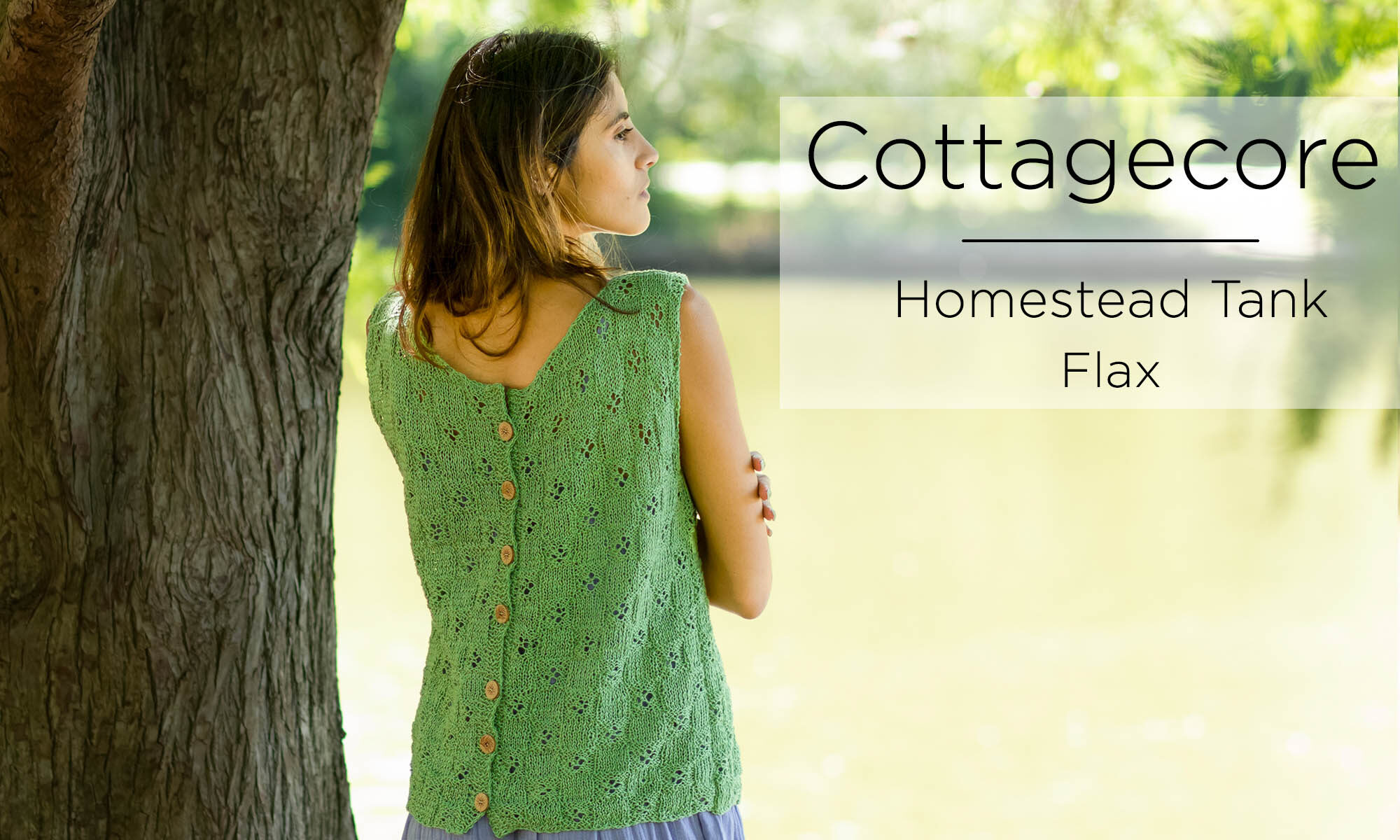
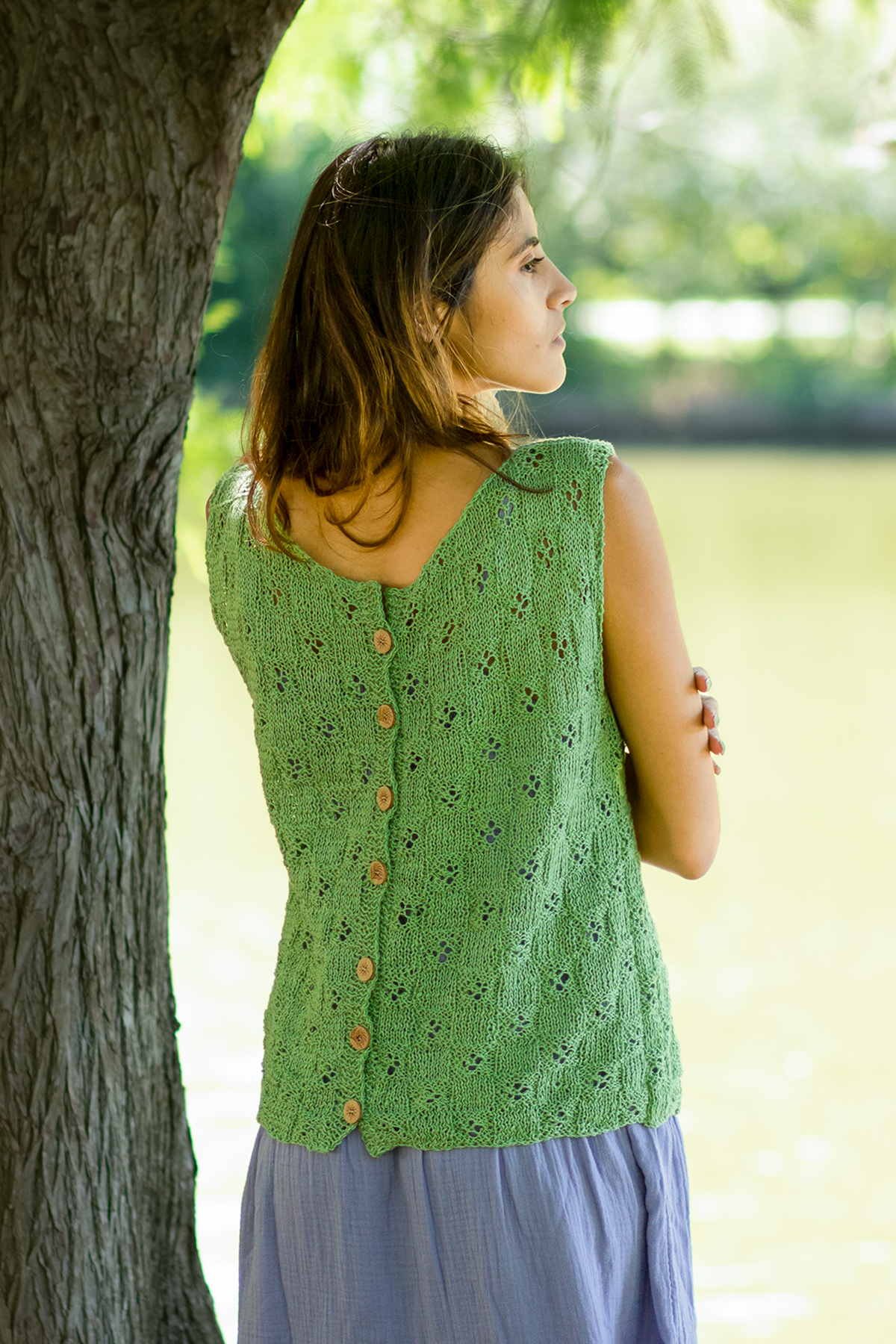
Homestead Tank in Flax color 12 Tarragon
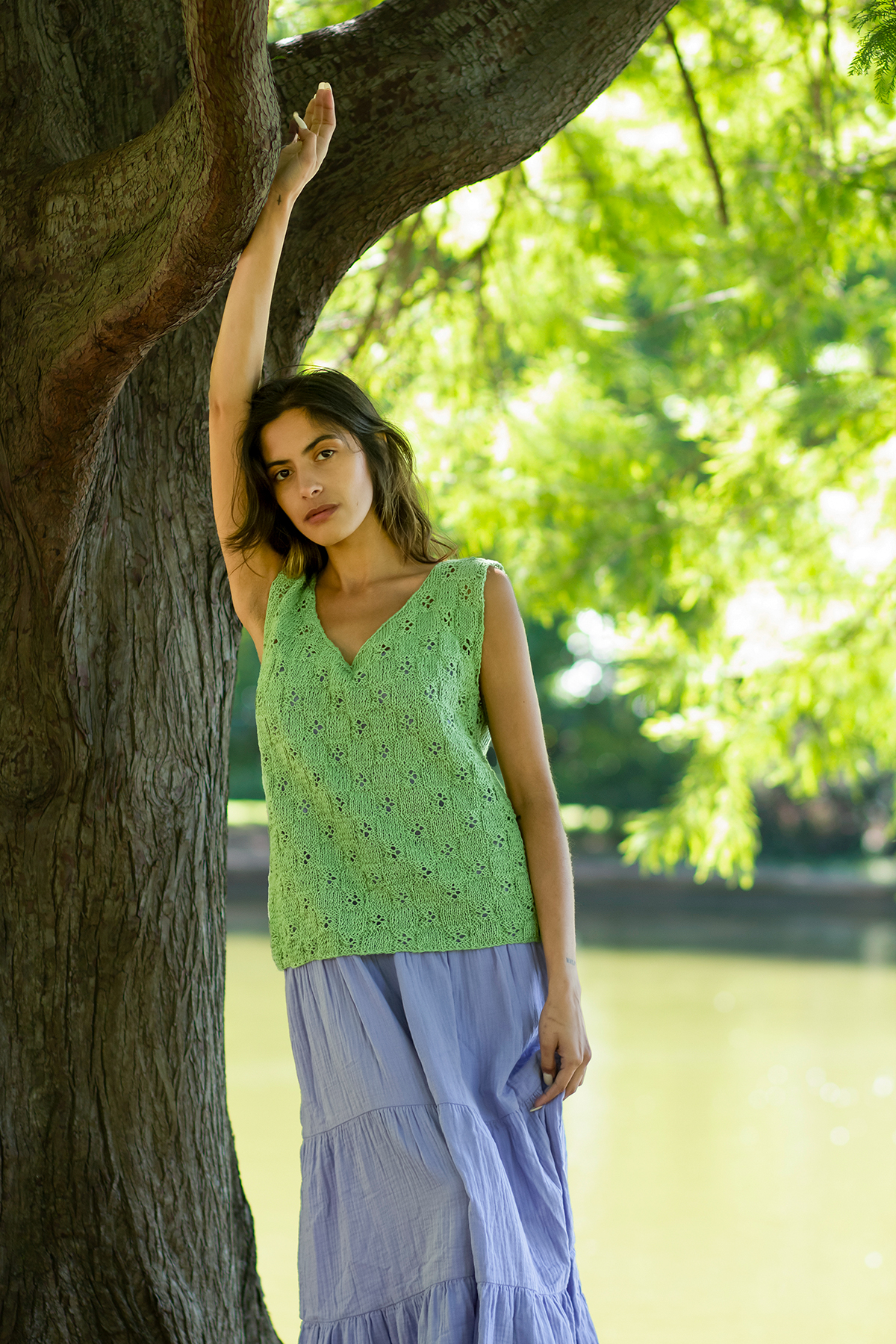
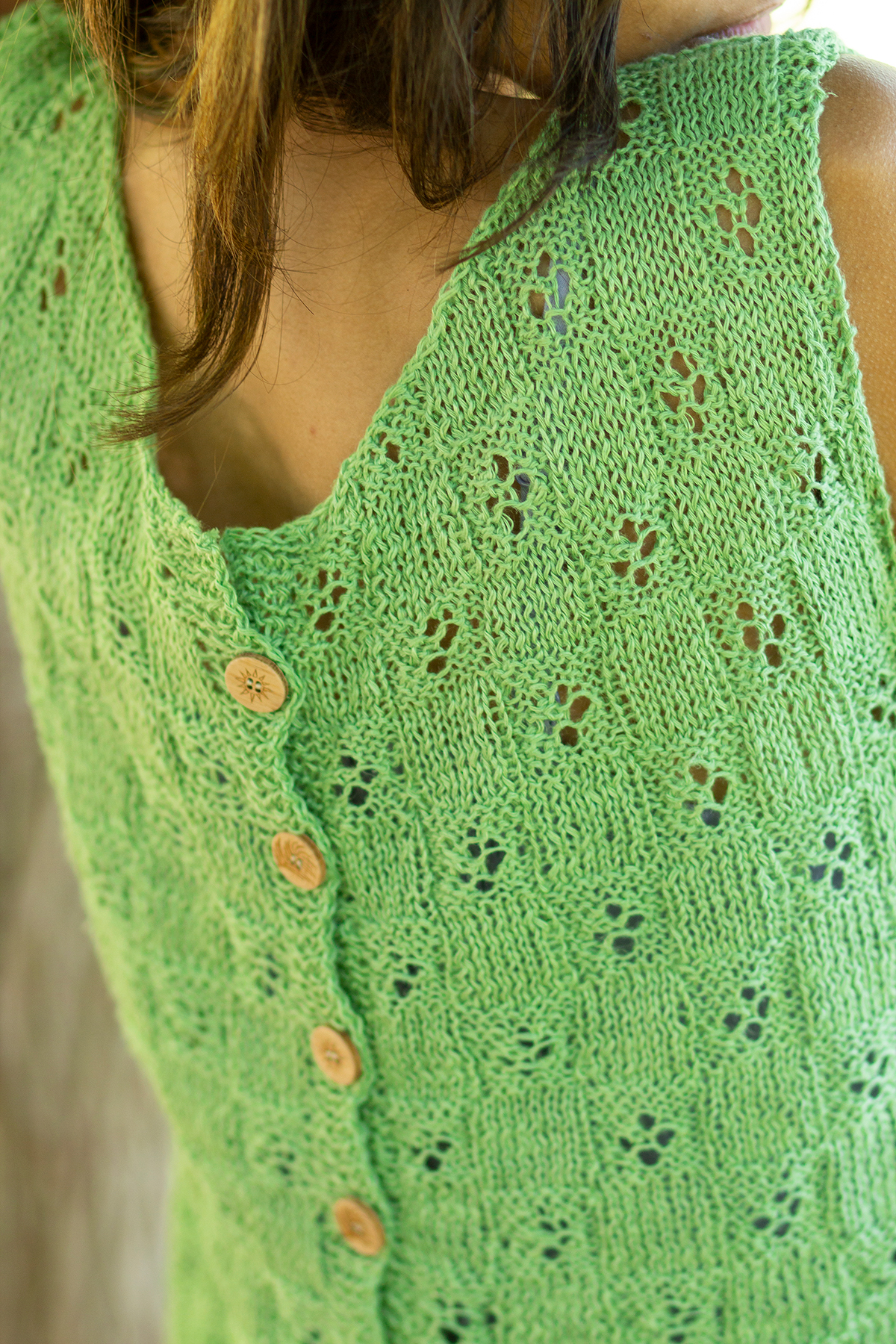
When I set out to design a tank top pattern using our Flax yarn, I knew I would use lacy stitches, and a breezy, oversized silhouette. The color Tarragon (12) was my first choice for the design, as it is a beautiful shade of green that I think would flatter anyone. Combining these ideas with the inspiration of the Cottagecore trend, the Homestead Tank was born.
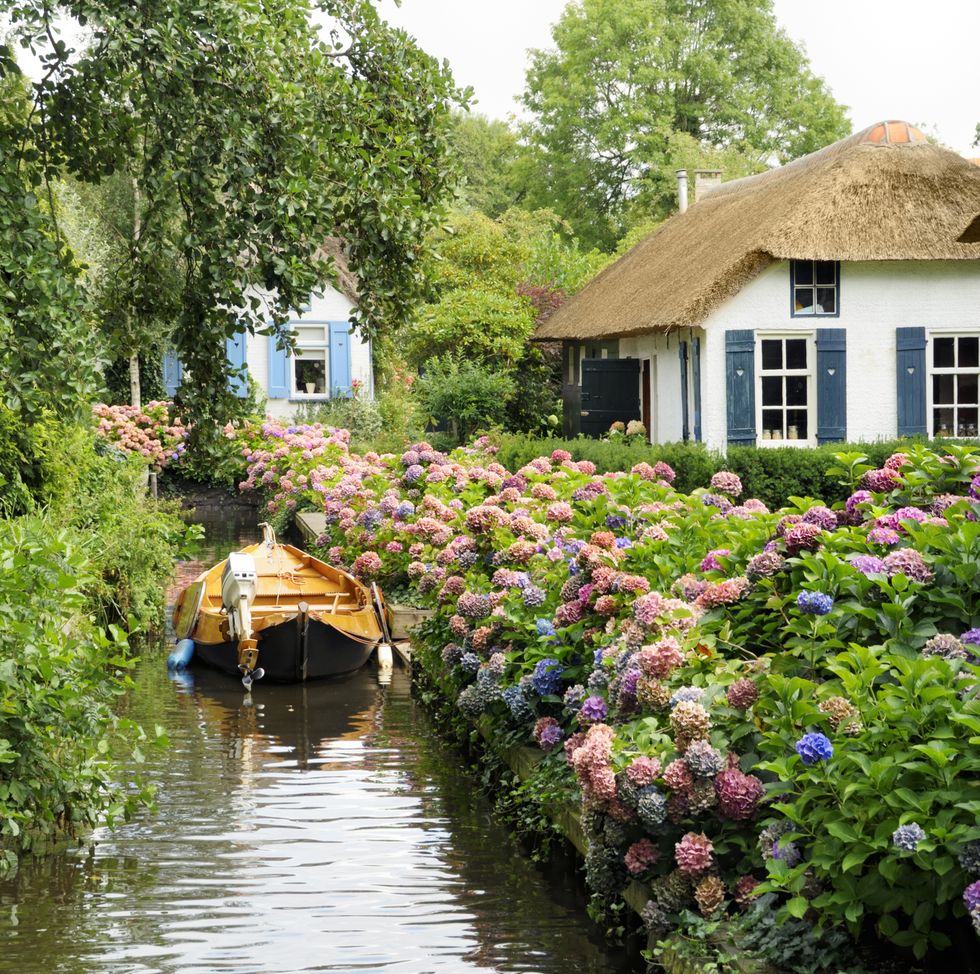
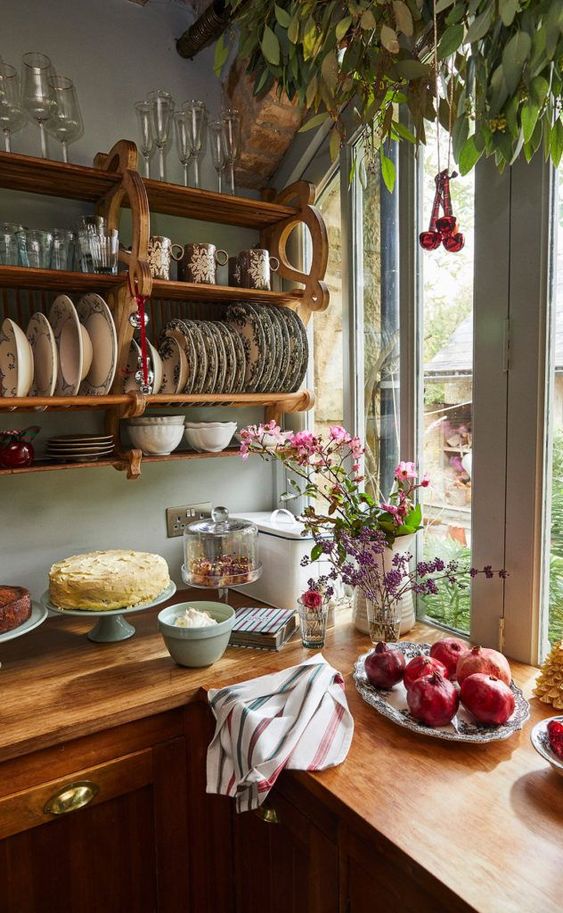
So, what is Cottagecore? It is an aesthetic I have always been drawn to, rather unknowingly, because I love feminine and romantic styles inspired by nature. Over the last couple years, we have seen it blossom into a widespread trend for both fashion and homewares. And what a lovely trend it is! Cottagecore is rooted in an idealized view of countryside living. It is an excuse to ‘escape’ our chaotic modern reality, and be inspired by a slower, more thoughtful way of life that is enriched with the beauty of nature and handmade things.
Image from Good Housekeeping article ‘What is Cottagecore?’
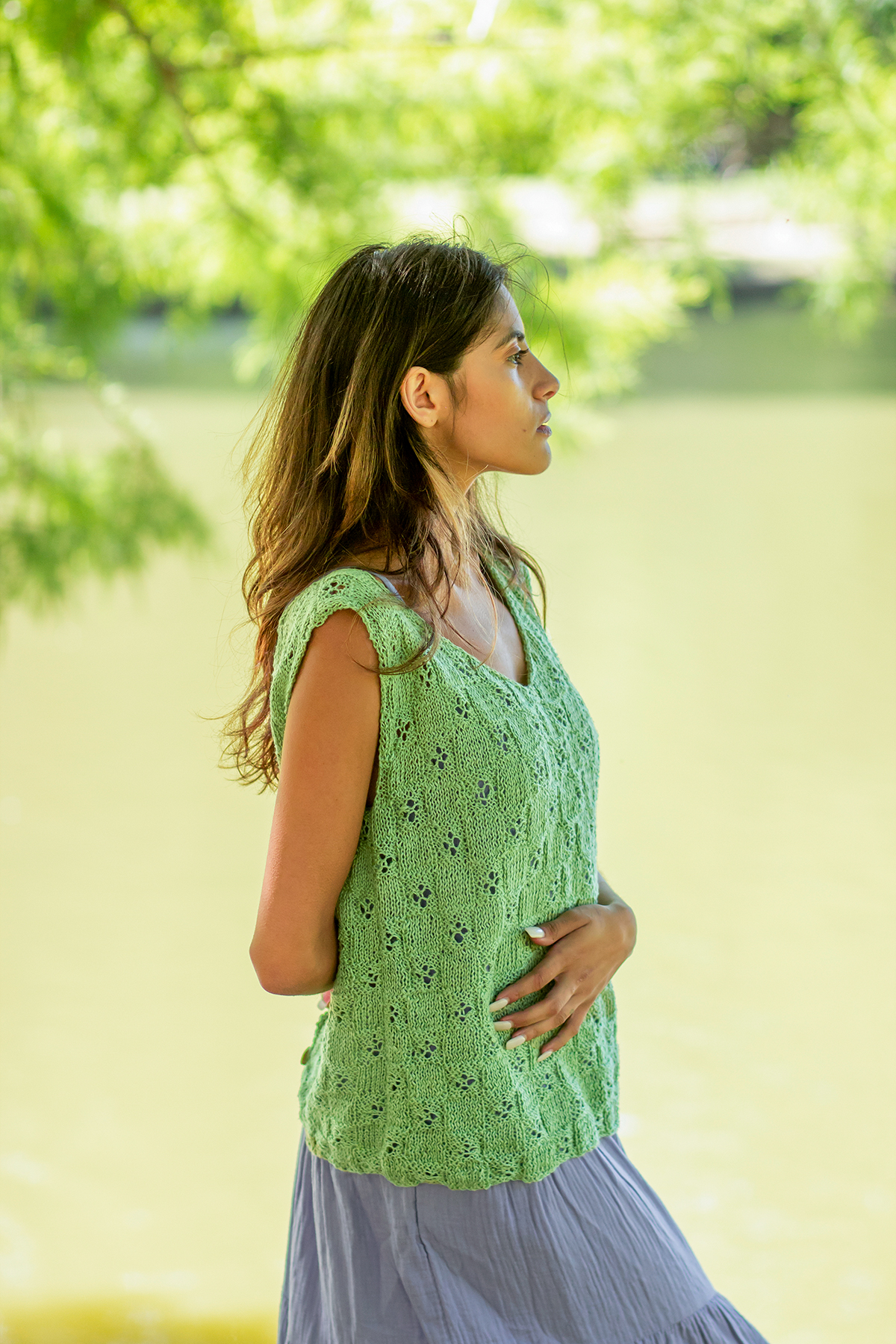
Homestead Tank in Flax color 12 Tarragon
The Homestead Tank embraces the idyllic beauty of the Cottagecore inspiration. A breezy and boxy silhouette allows you to easily layer this tank top over a flowy dress and run through a field of wildflowers. The stitch pattern is reminiscent of a checkerboard plaid, but with eyelets worked throughout. Although the pattern does use lace stitches, it is a simple and easy-to-memorize repeat. A v-shaped neckline is perfect for catching some warm rays of sunshine on your skin as you enjoy a relaxing afternoon by a lake.
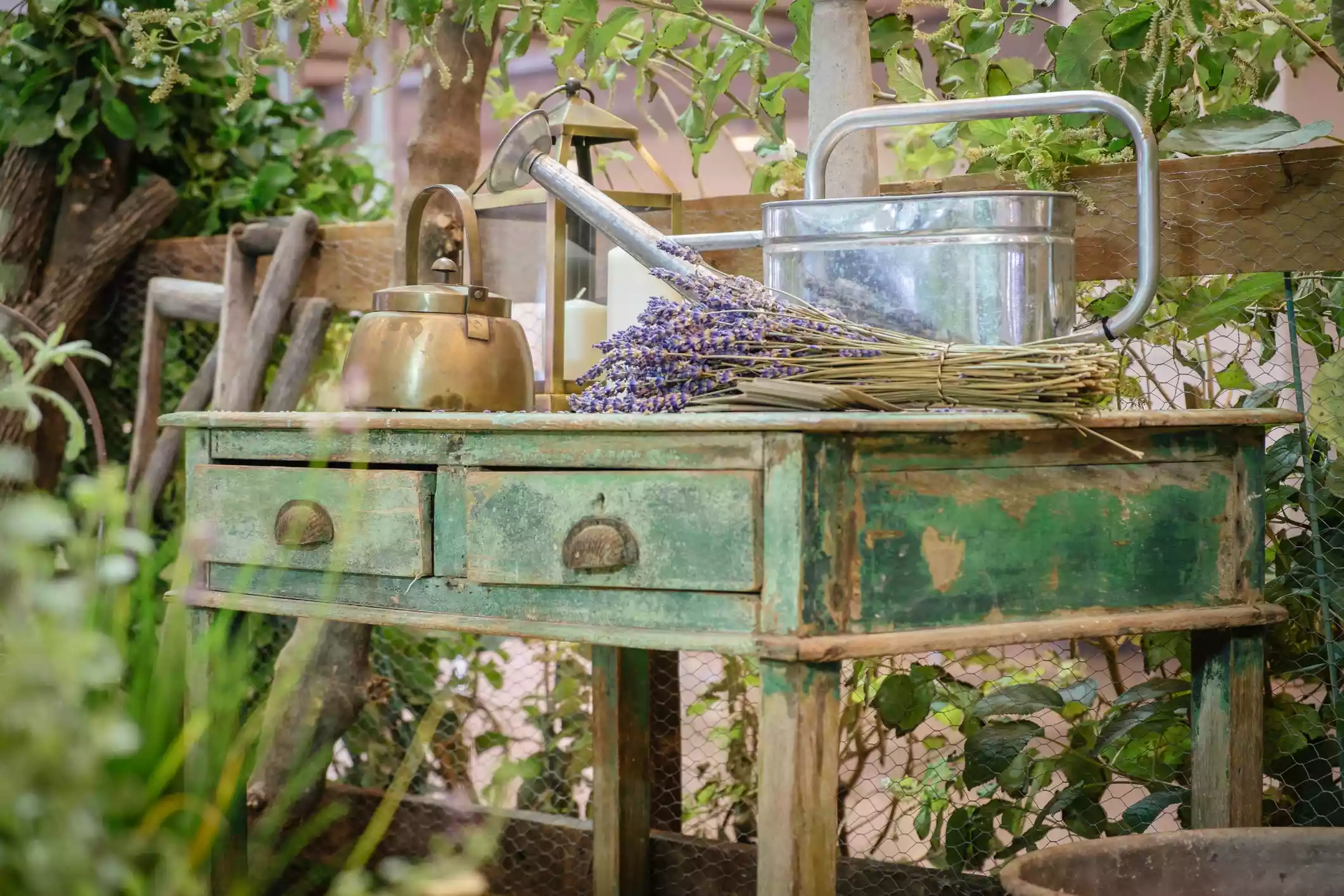
Our Fibra Natura Flax yarn is made of 100% linen fiber that softens every time you wash it. This yarn’s gentle and natural beauty is suited to both textured and lace stitches. Wonderful for garments and accessories for warm weather, there are 34 colors of Flax to choose from. Even if the Tarragon green color (12) isn’t your favorite, I am sure you’ll find a shade that you love. I think Lilac (07) would be a great alternative color choice for this pattern, because it reminds me of a bouquet of Lavender from an herb garden; just perfect for the Cottagecore inspiration.
The Homestead Tank is a seamed top, so you’ll make the front and two back pieces separately. I am especially fond of seamed knitted garments, as they add strength and structure to the finished piece, ensuring it’ll keep its shape through many years of wash and wear. Part of the Cottagecore trend is embracing a slower way of life, and making handmade garments falls perfectly into that. When you knit something for yourself, you’ll treasure it in a way you never would something store bought!
My favorite part of this design is the button up back. Pick up and knit the placket after you seam the pieces together, and hand sew the buttons on upon completion. We chose handcrafted wooden buttons from Katrinkles for this design. I alternated the buttons between the Sunburst and Palm designs down the placket, to add a bit of whimsy to the overall look.
Image from Pinterest
Whether you love being outside, making delicious treats to eat, or crafting something for yourself like the Homestead Tank, the Cottagecore trend has something for you. In a high stress world like ours, it is an invitation to indulge in all things slow, mindful, and natural. Try baking bread, plant lovely flowers on your patio, or take some time to knit or crochet outdoors. Even these small things can give you a little bit of the ‘escapism’ that Cottagecore encourages.
What would you do to bring this aesthetic into your day-to-day life? Tell us in the comments!
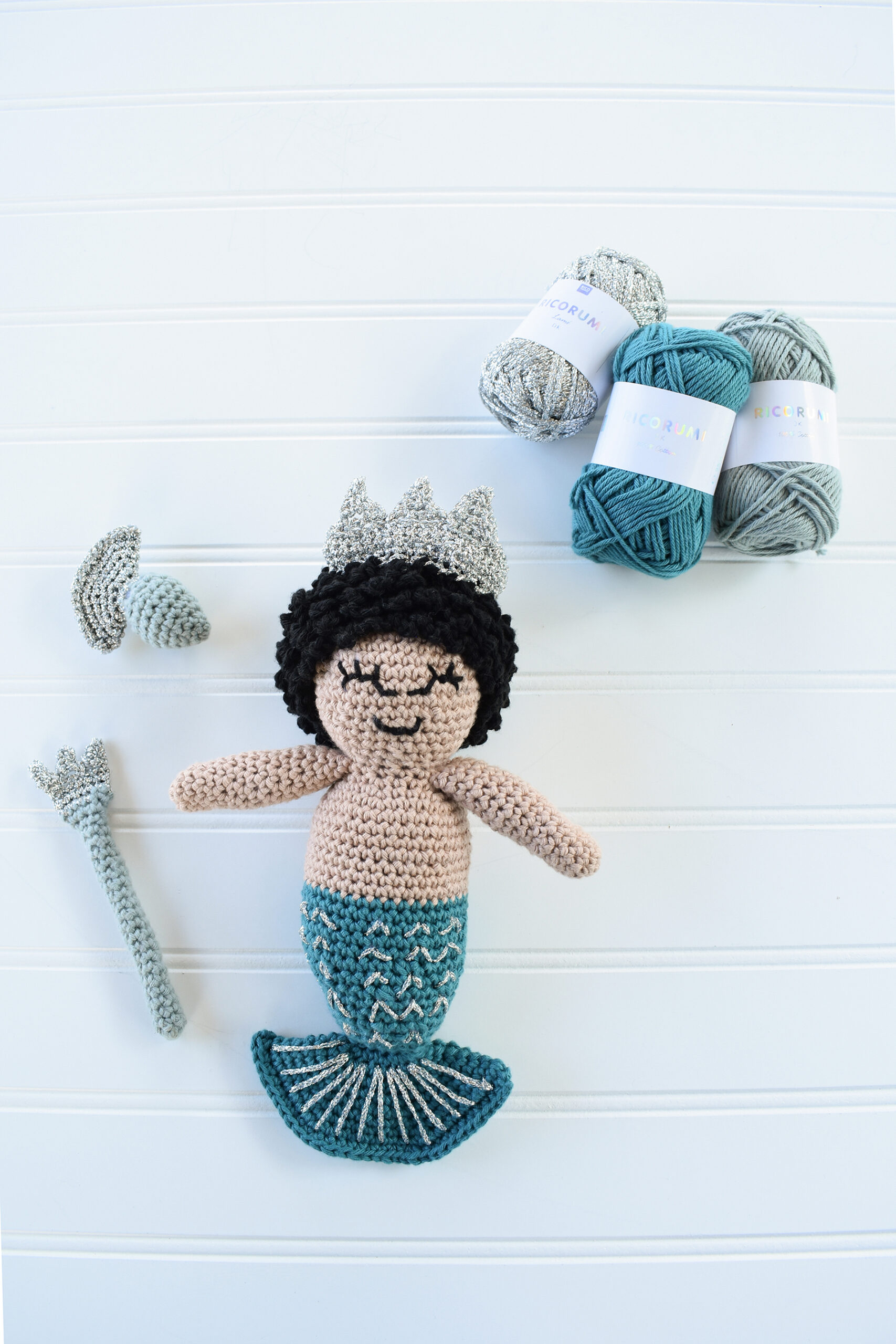
My name’s Ashley Jane, also known as AJ here at Universal Yarn. I’m avid crocheter, lover of dogs and all things outdoors, drinker of teas, and the newest member to the design team! My first few weeks here have been a whirlwind of learning our product line, organizing and revamping our Trunk Show Program, and making the cutest ever sample of our Ricorumi Kits!
Ricorumi Kit, Neptune
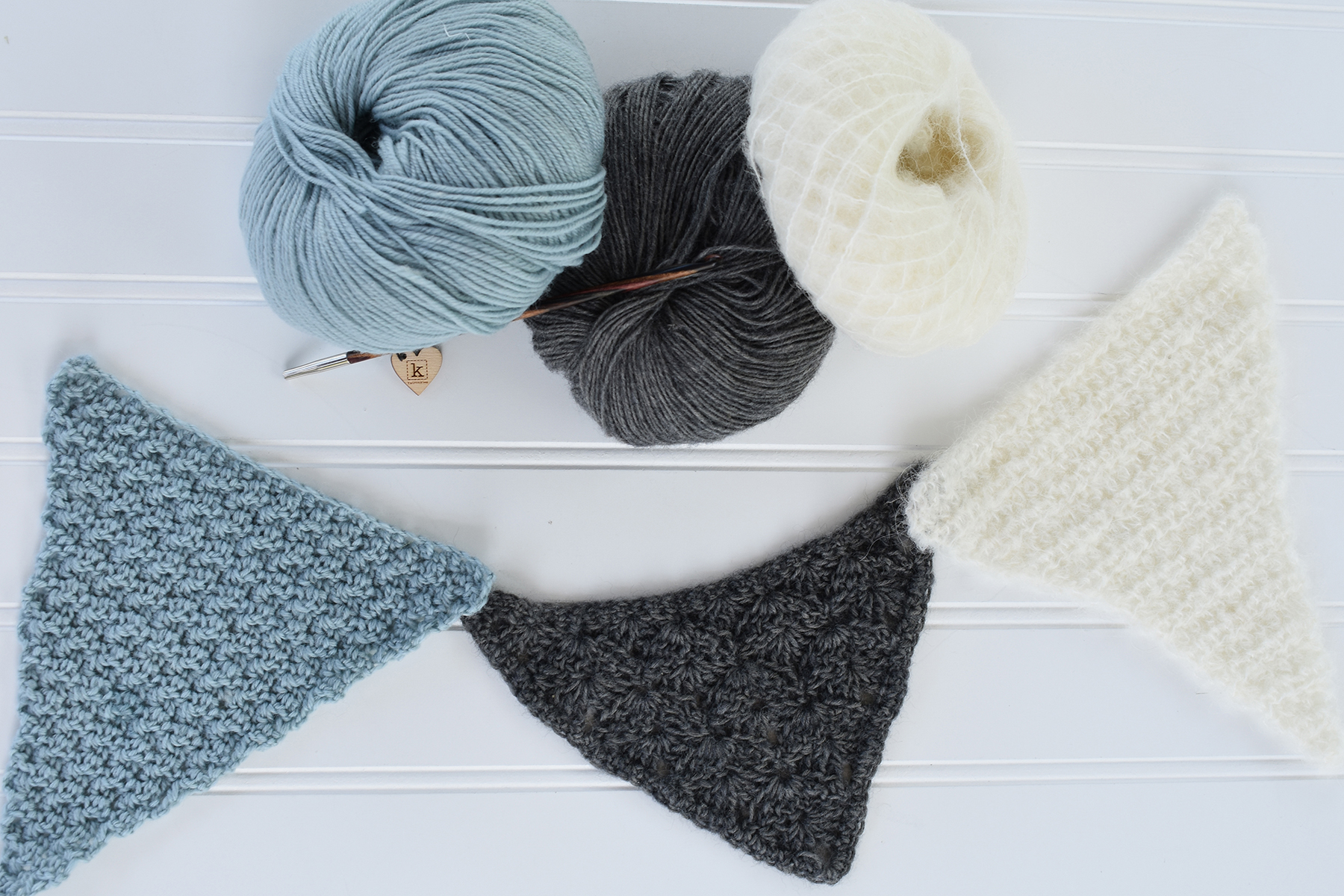
While settling into my new role, I have had the chance to stitch and swatch a few of our yarns to get to know them. I narrowed down my selection to Bella Cash, Ravello, and Penna. I wanted a chance to play around with some of our softer yarns while seeing what types of texture and feel I could produce with crochet. I loved my results – keep reading on to see my take on these fabulous fibers.
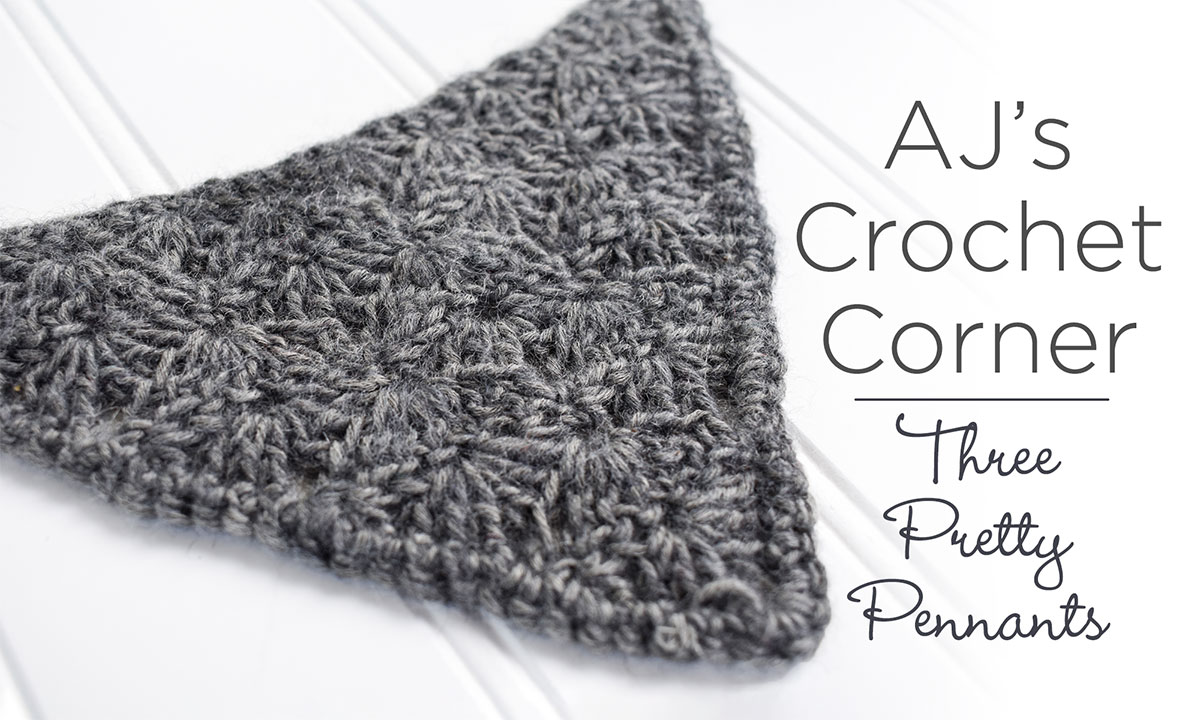
Sample Pennants in Bella Cash 116, Ravello 115 and Penna 106Bella 123
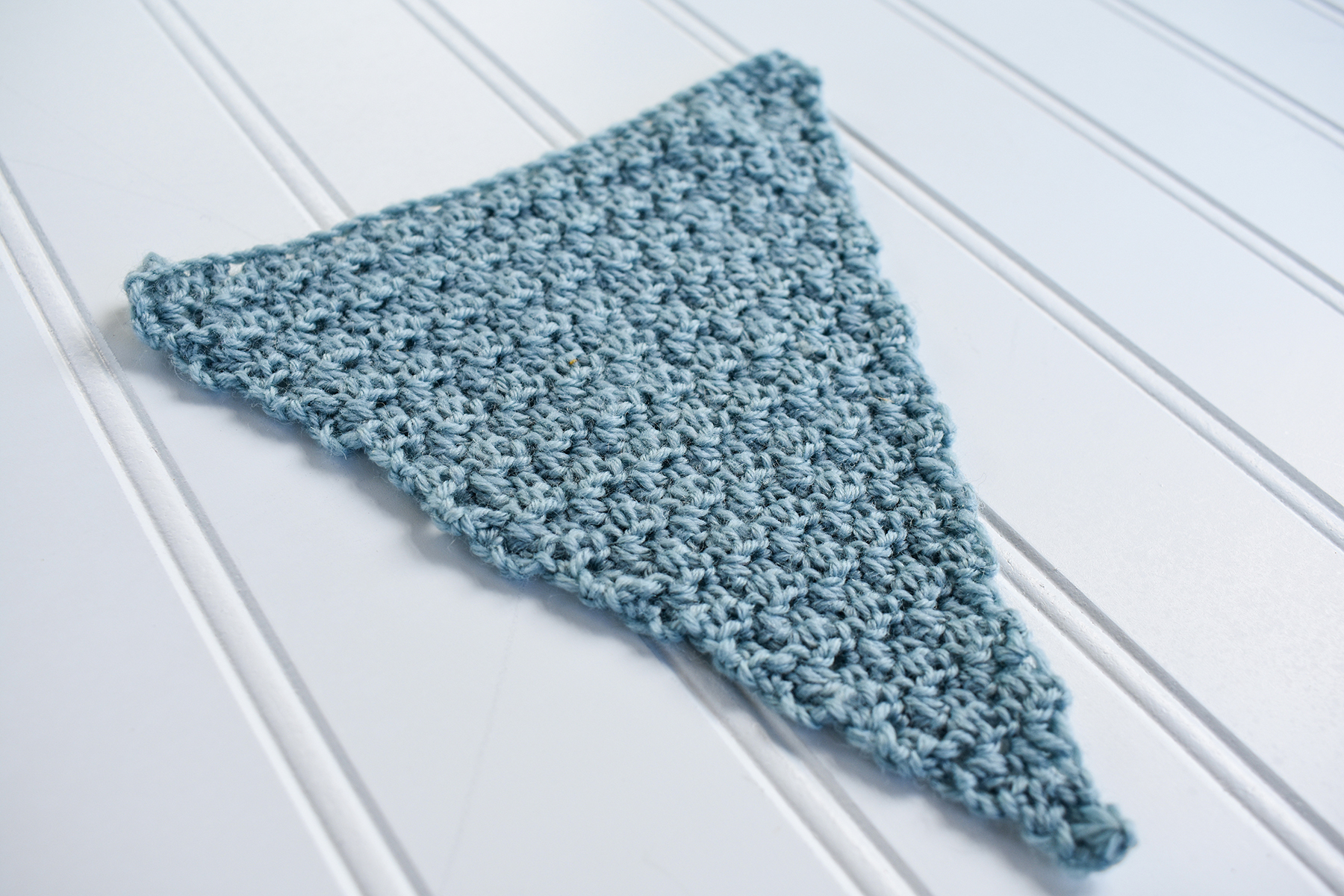
Bella Cash: Grippy on the hook, and springy to the touch. Using a 3.75 mm hook, I tried out the Lemon Peel stitch to see what type of texture I could get while working with it and wasn’t disappointed. Made from 60% Superwash Merino, 10% Cashmere, and 30% Nylon, this fine-weight yarn has great structure and stitch definition. Plus it feels nice and soft, and the hook size I used created a thick but malleable fabric. Bella Cash is easily one of my favorites to work with so far and would be fantastic in a full sweater with some texture and fine detailing, like the Bellissima Cardi, or the Holiday Lights Shawl.
Bella Cash 116Ravello 111
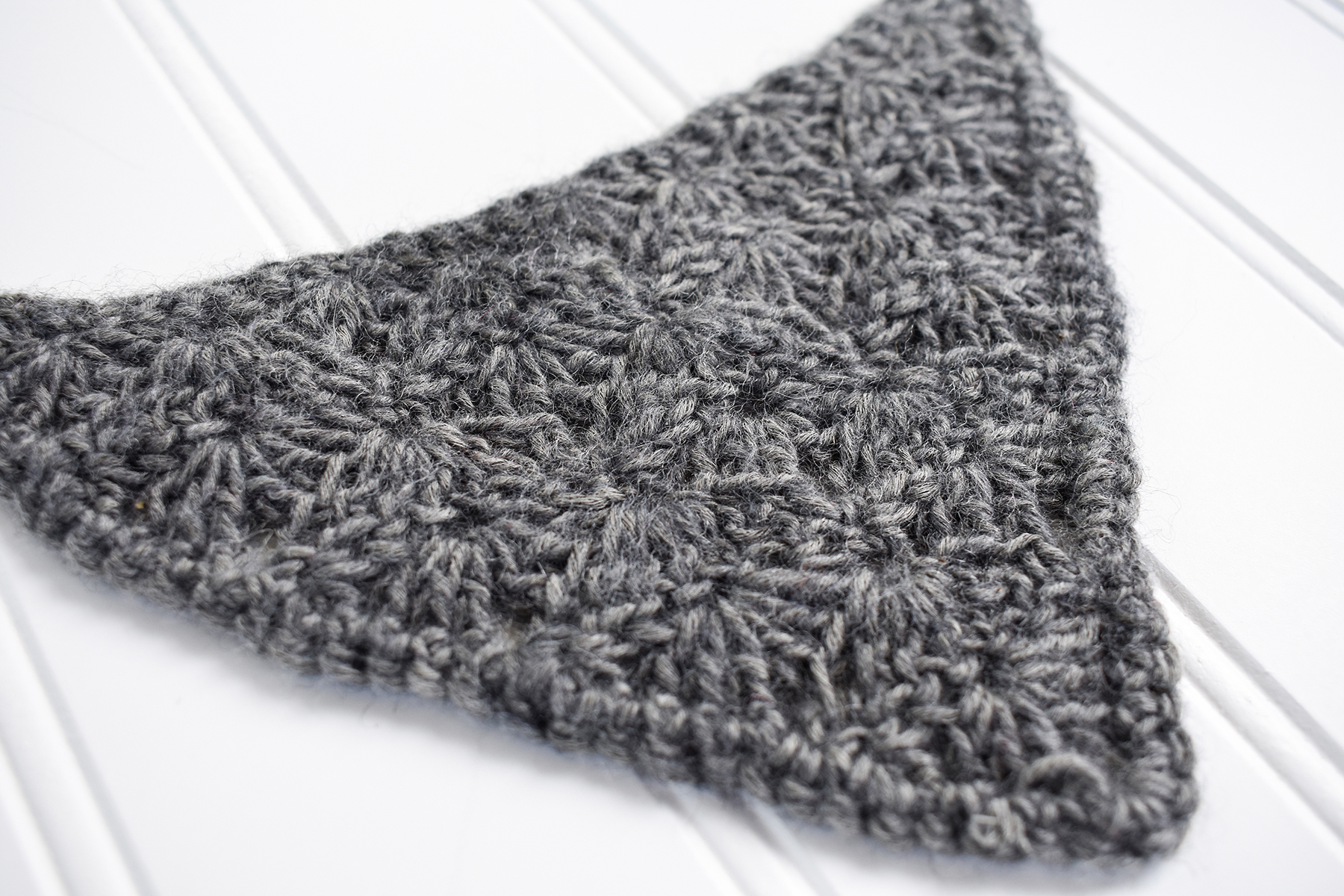
Ravello: Smooth to work with, and wonderful for making textures that have a nice light fluff to the finished piece. Using a 3.75mm hook for this fine weight yarn, the fabric has a delightful drape, and a soft airy quality to it. I played around with petal and reverse petal stitches for the pennant below. I loved it so much that I’ve decided to make my first Universal Yarn pattern from it, so be on the lookout for the Petal Shawl, coming soon! With a blend of 75% Cotton, 16% Extra Fine Merino and 9% Recycled Cashmere this yarn is lovely for summery tops like the Riviette Tank or the Lorelei sweater.
Ravello 115Penna 106
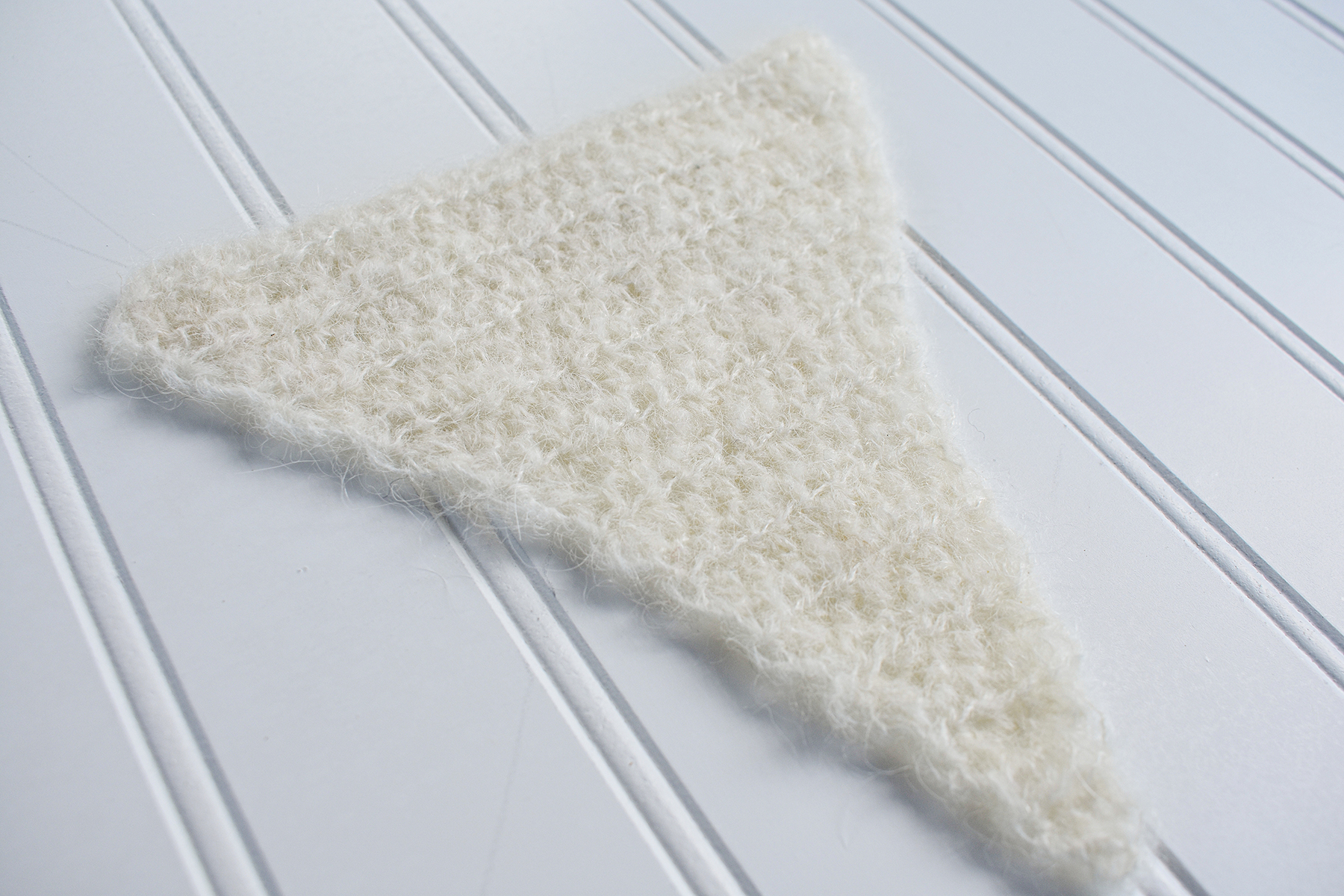
Lastly, Penna: Fluffy and Fun! This lace weight yarn is quite fine with lots of airy soft fibers, made from 50% Suri Baby Aplaca, 28% Extra Fine Merino, and 22% Nylon, so the stitches stand out in almost a ghostly fashion. Each twist and turn of your stitch can be seen through the fluff which I find looks beautiful with basic stitches, so I chose to whip up a simple pennant of Half Double Crochet’s using a 3.75 mm hook. An easy way to incorporate Penna into a piece is to hold it with another yarn like the Ariosa pattern suggests. This adds just the right amount of softness for that cozy, can’t-stop-touching feel. By itself, this is a standout yarn for lacework as seen in the Pluma stole.
Penna 106
All in all, these yarns are unbeatable for their quality and price points. I look forward to experimenting with more yarns and trying them out with crochet and other crafts.
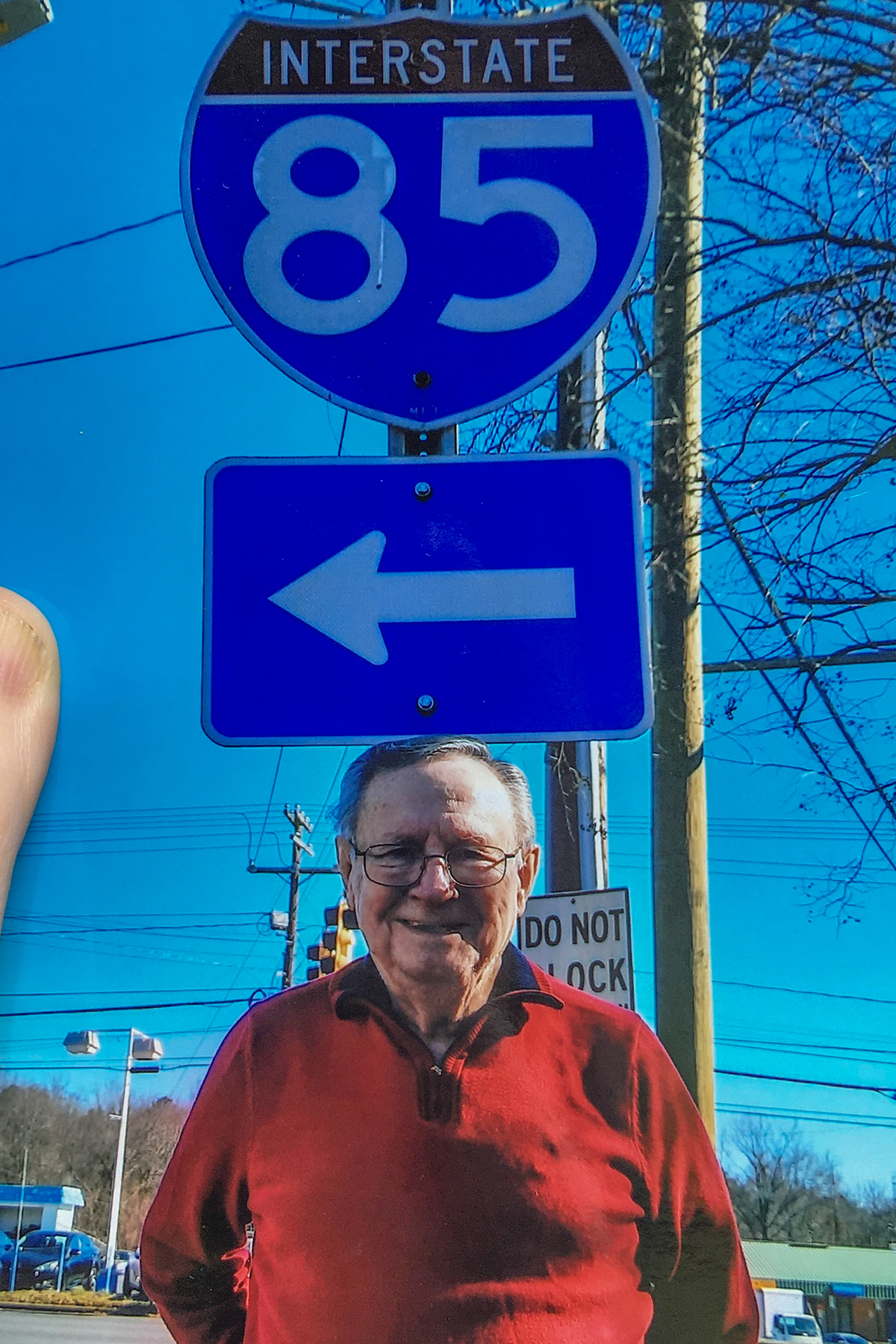
I want to talk about this pattern, but first things first – I want to talk about my dad!
Here he is, posing underneath a highway sign for I-85 because this year he turned 85 years old (sorry, Dad, I know you still say you’re 39). His friends brought a ladder out and had him stand up on it for the photo opportunity, and because my father is nothing if not fun-loving, he gamely climbed up and posed.
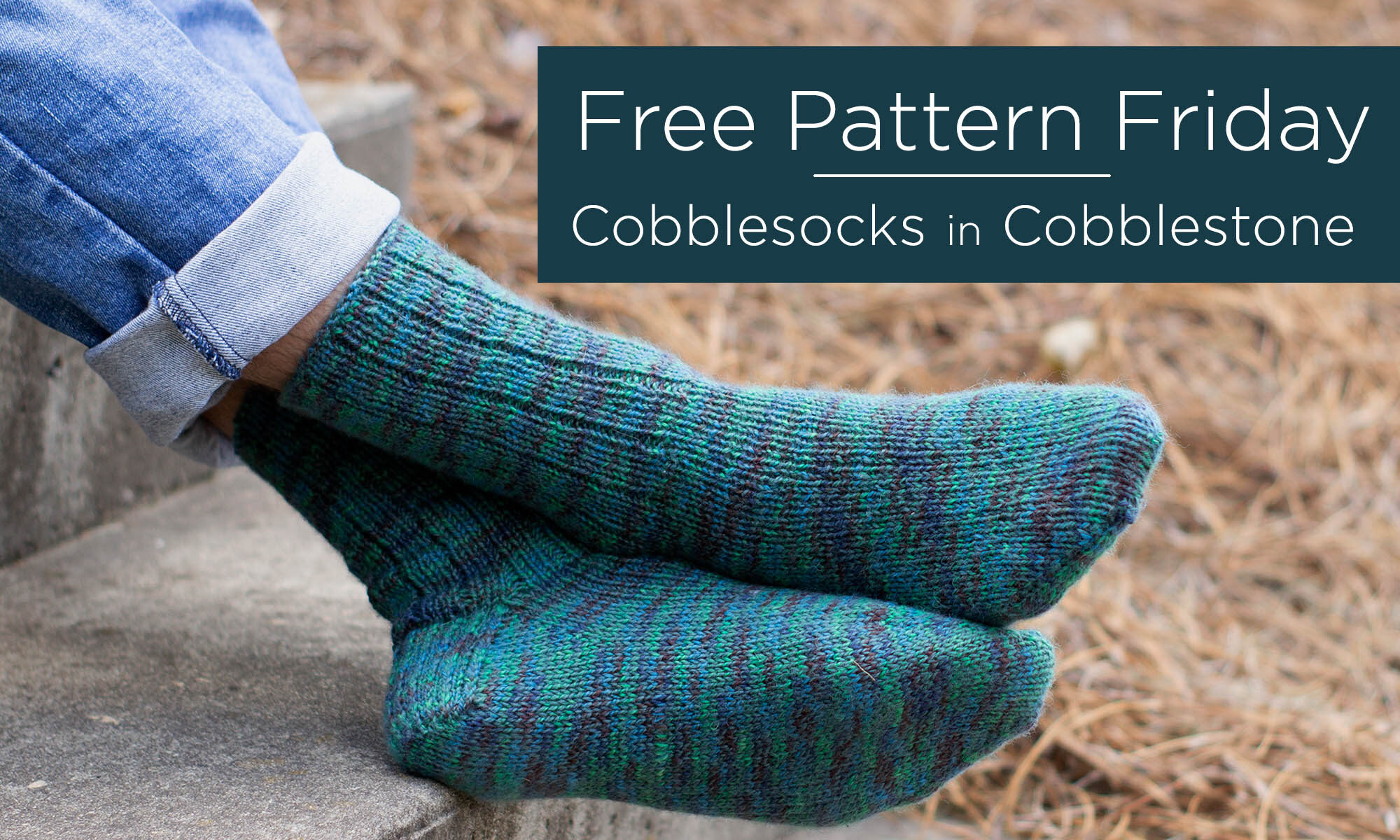
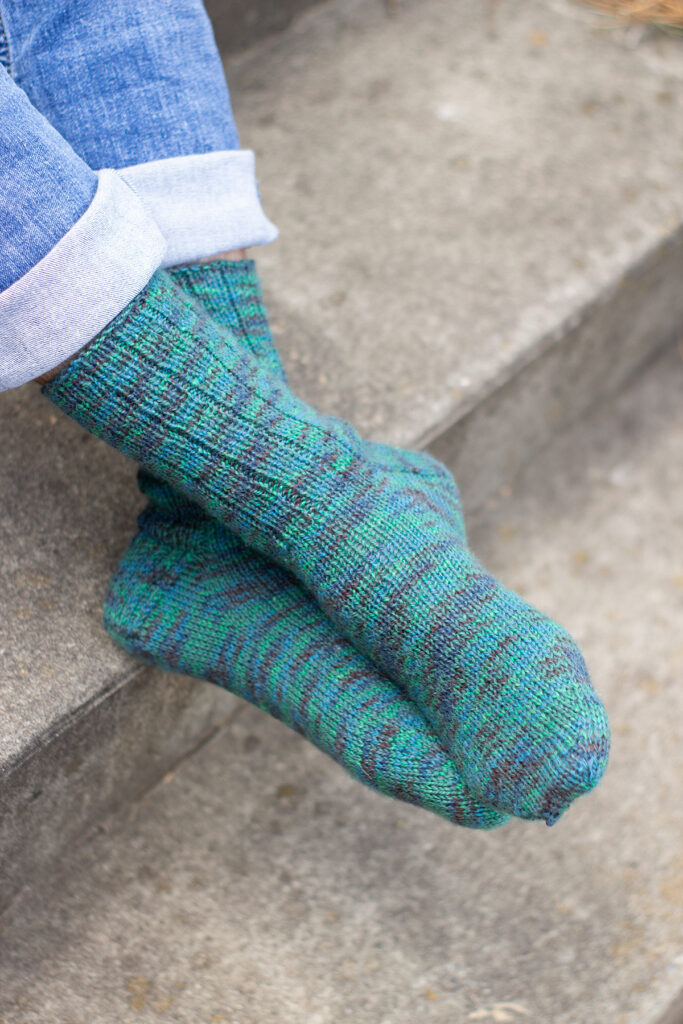
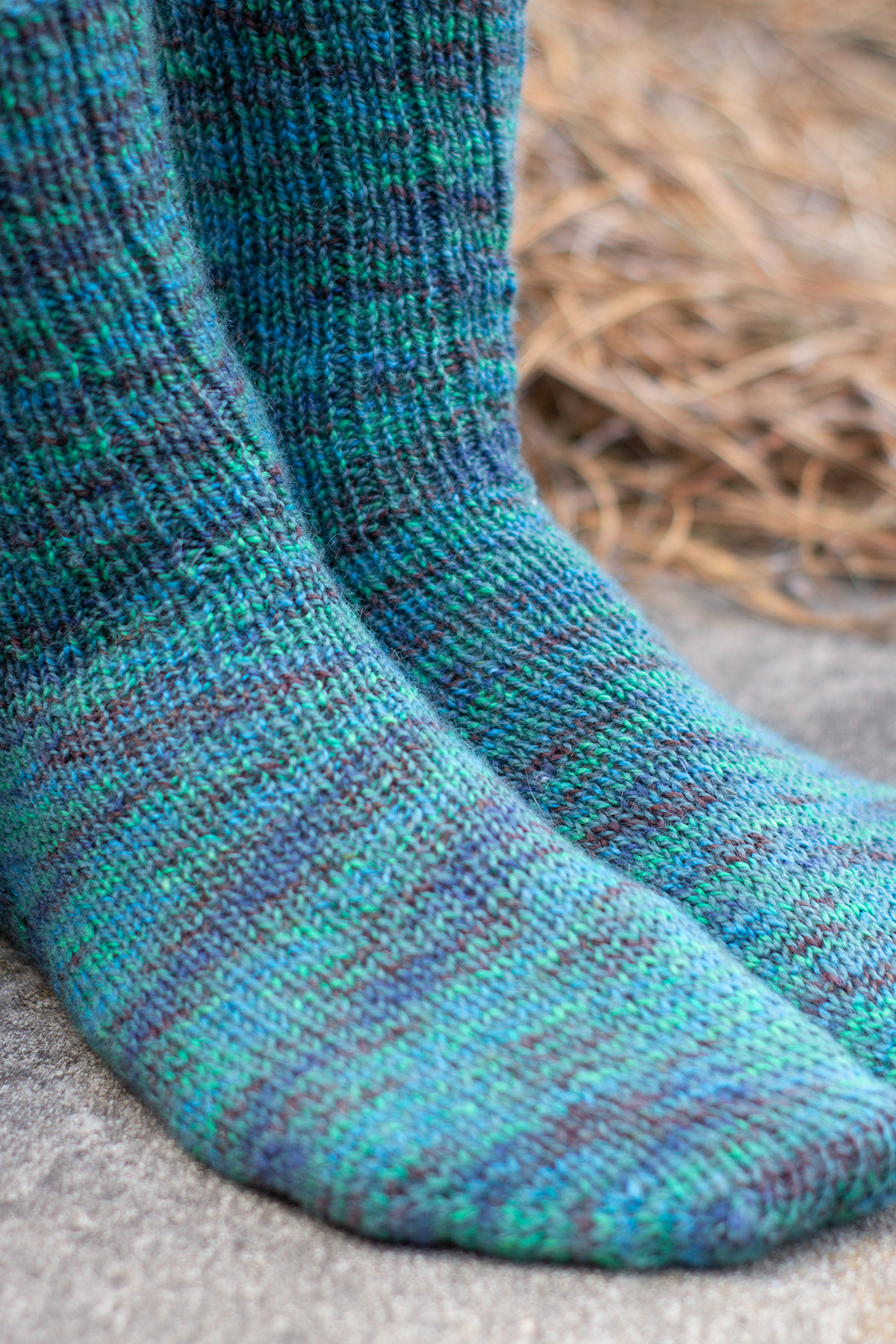
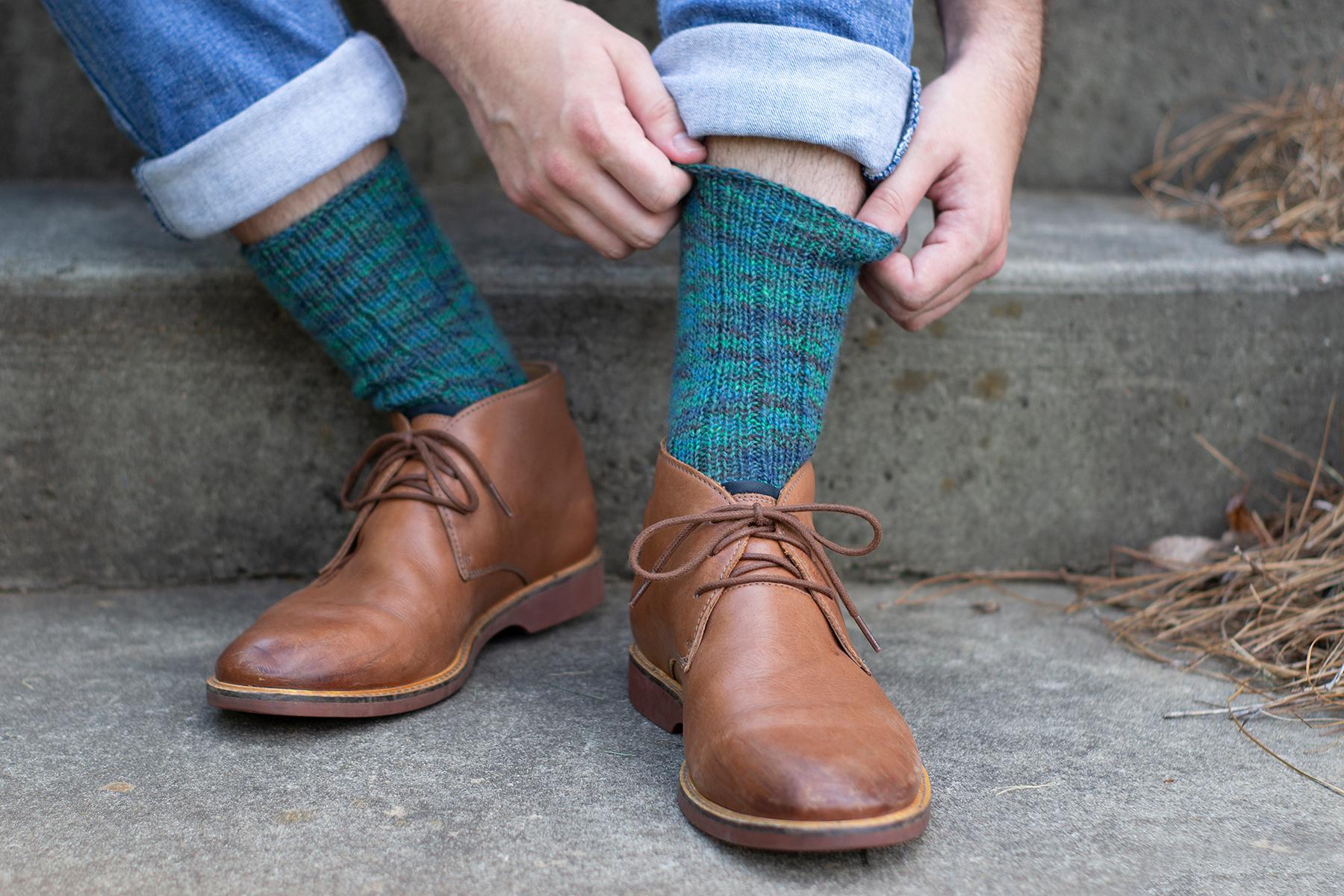
Dad is definitely knit-worthy. He loves hand-made socks, so when we first introduced Cobblestone, my immediate thought upon touching it was, “I’ll bet this would make great socks for my father.” I was right.
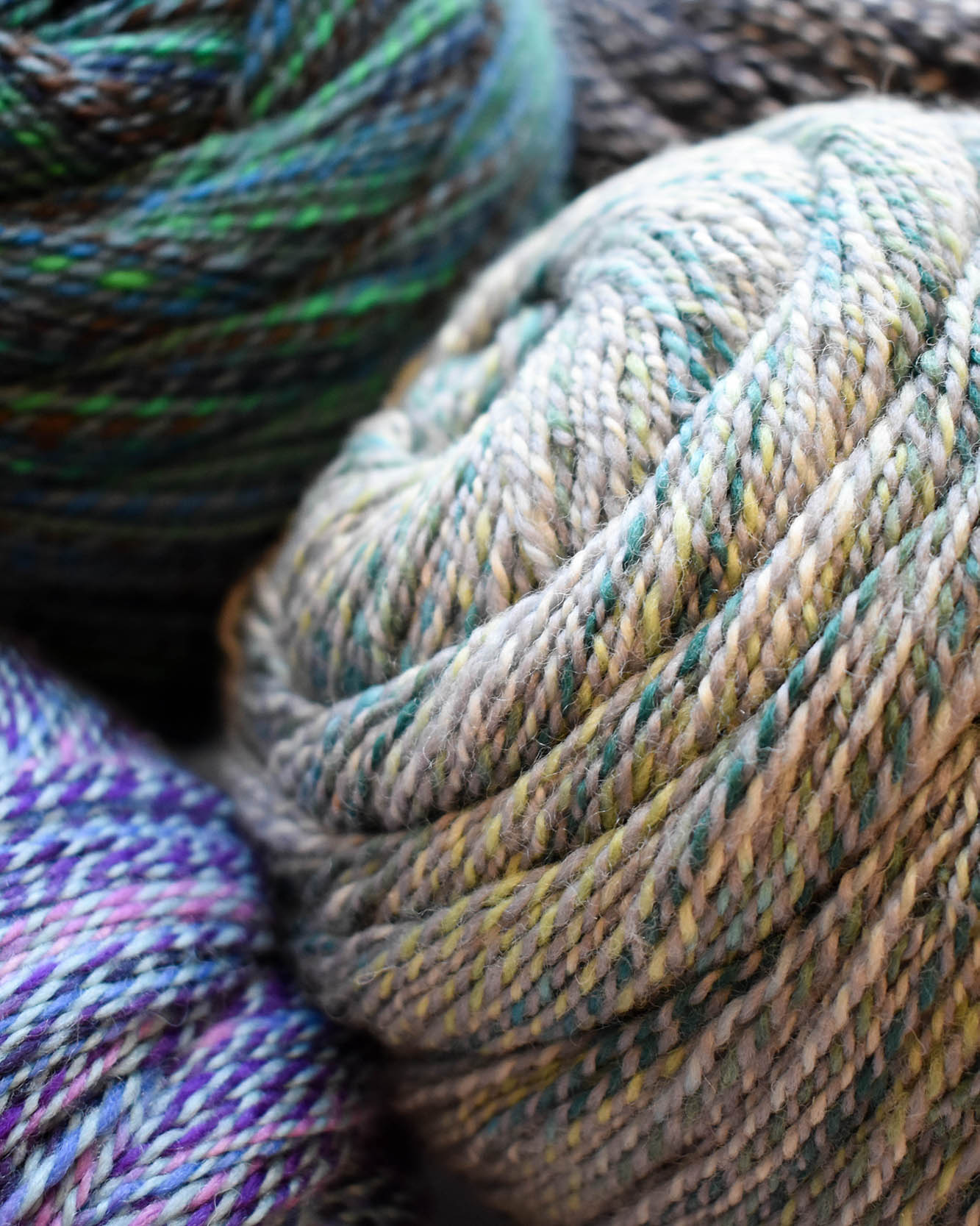
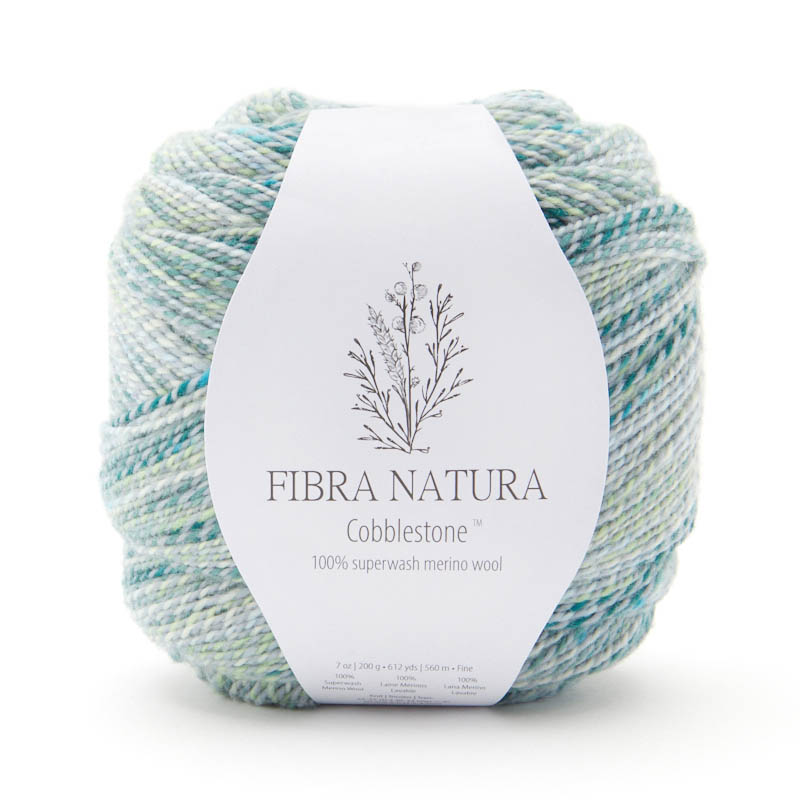
Cobblestone is 100% superwash 2-ply merino. One ply is variegated, and the other is solid. It gives a handspun appearance and homey feel to the yarn. And since it’s superwash, I don’t have to make my father wash his socks in the sink.
So I cast on using US size 4 (3.5mm) needles, and these just flew by! The pattern is toe-up, with a slip stitch heel flap, then basic ribbing for the leg. Dad is happy with simple stitch patterns, although I did see him wearing his Sweet Dumpling Socks the last time I saw him, so for these, I decided to let the Cobblestone do the patterning. It worked beautifully.
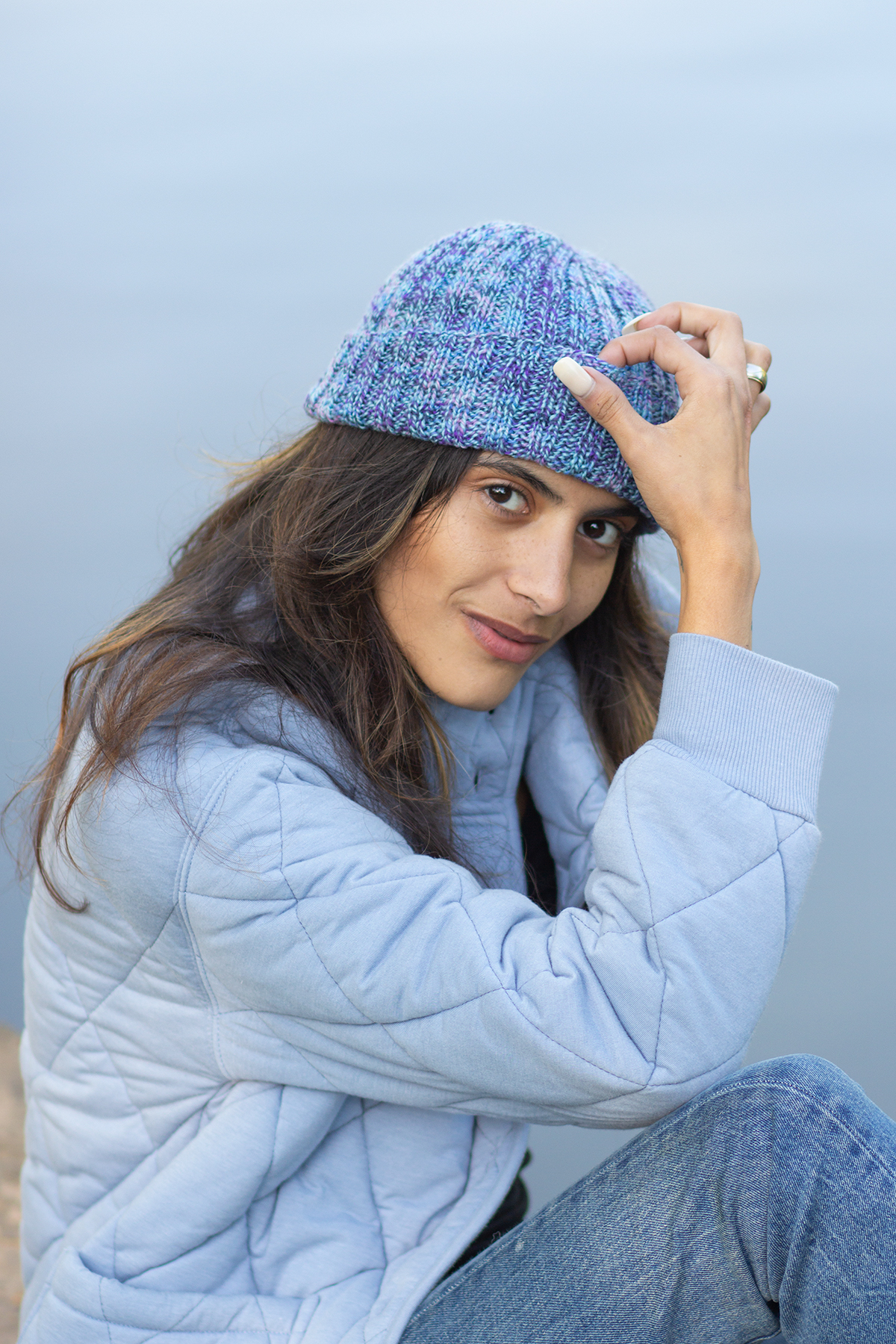
Here’s the other nice thing: Cobblestone is BIG. It’s hard to tell from photos, but this is a big beehive ball with 612 yards on it. When I was done with Dad’s socks, there was enough for another full-sized project. I thought about making myself a Gallinule hat…
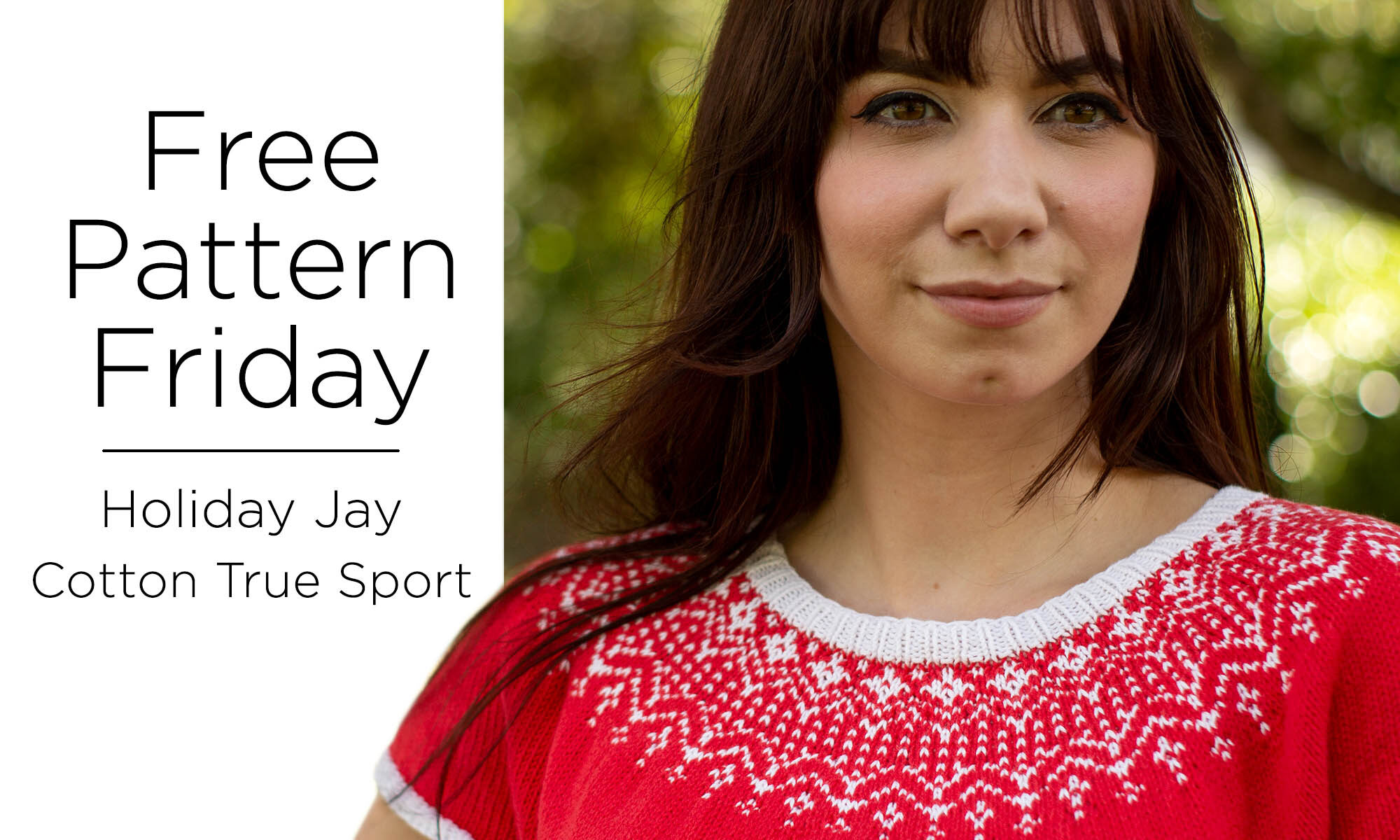
Have you ever had a favorite sweater that you loved, and were sorry to put away when the weather warmed up? That’s the origin of today’s beauty, the Holiday Jay.
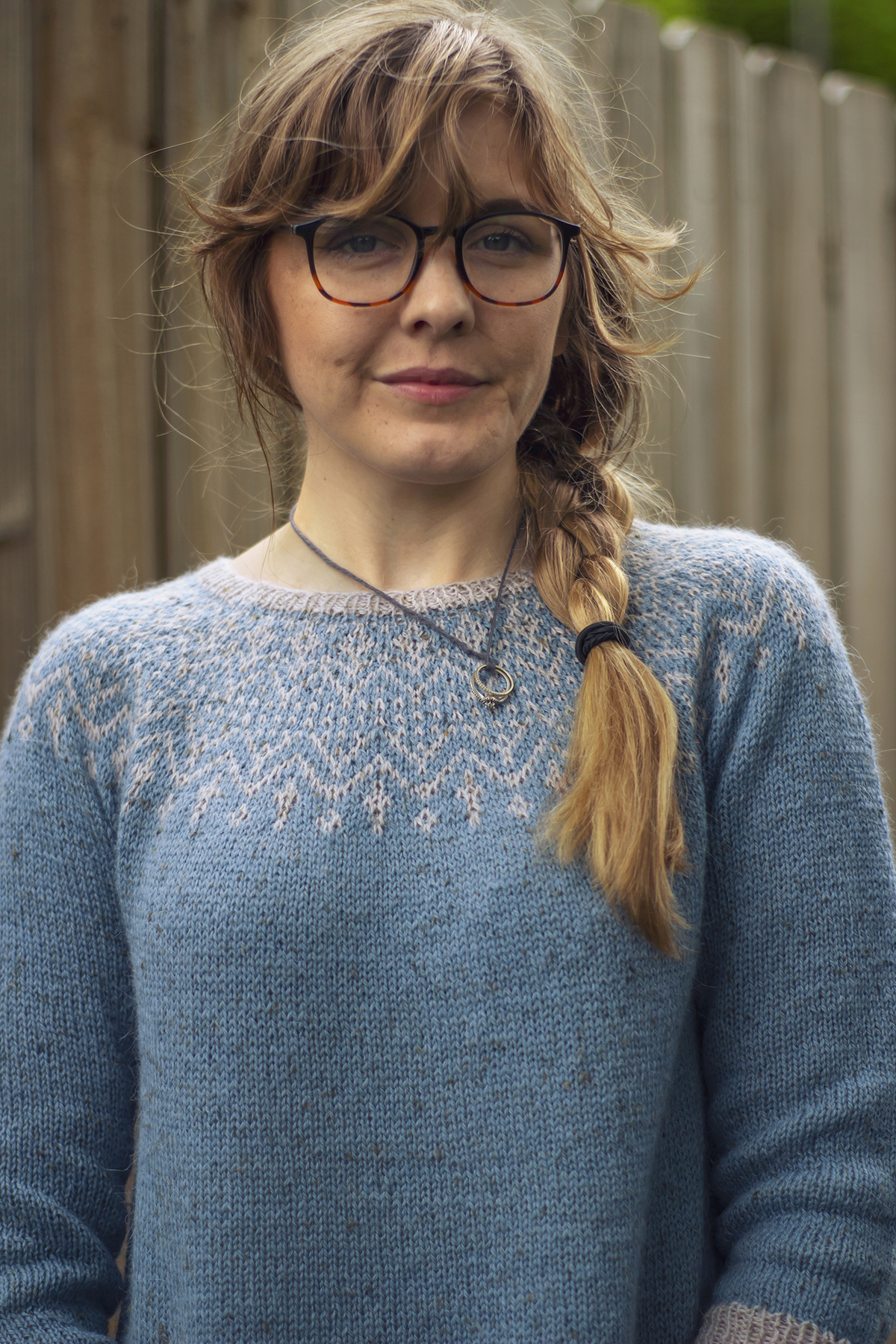
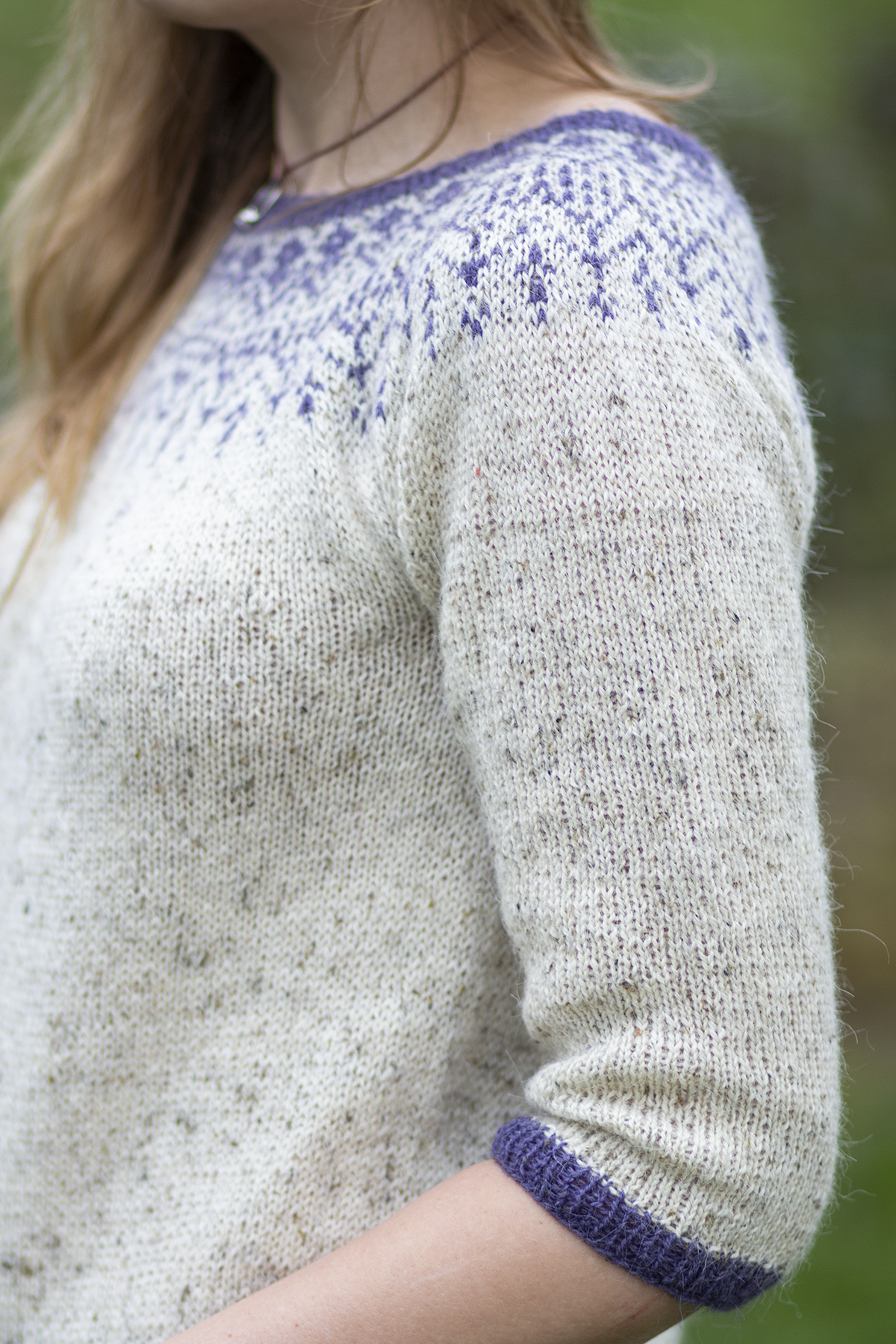
Our Managing Director Yonca Ozbelli was in love with the Jay Sweater, designed by Rachel Brockman in Kingston Tweed.
Shown in Kingston Tweed 110 Beryl (MC) and 102 Calcite (CC).
Yonca’s not alone – this sweater’s gotten a lot of love from the knitting community. We were so taken with it that we had to make more than one .
Shown in Kingston Tweed 101 Talc (MC) and 108 Amethyst (CC).
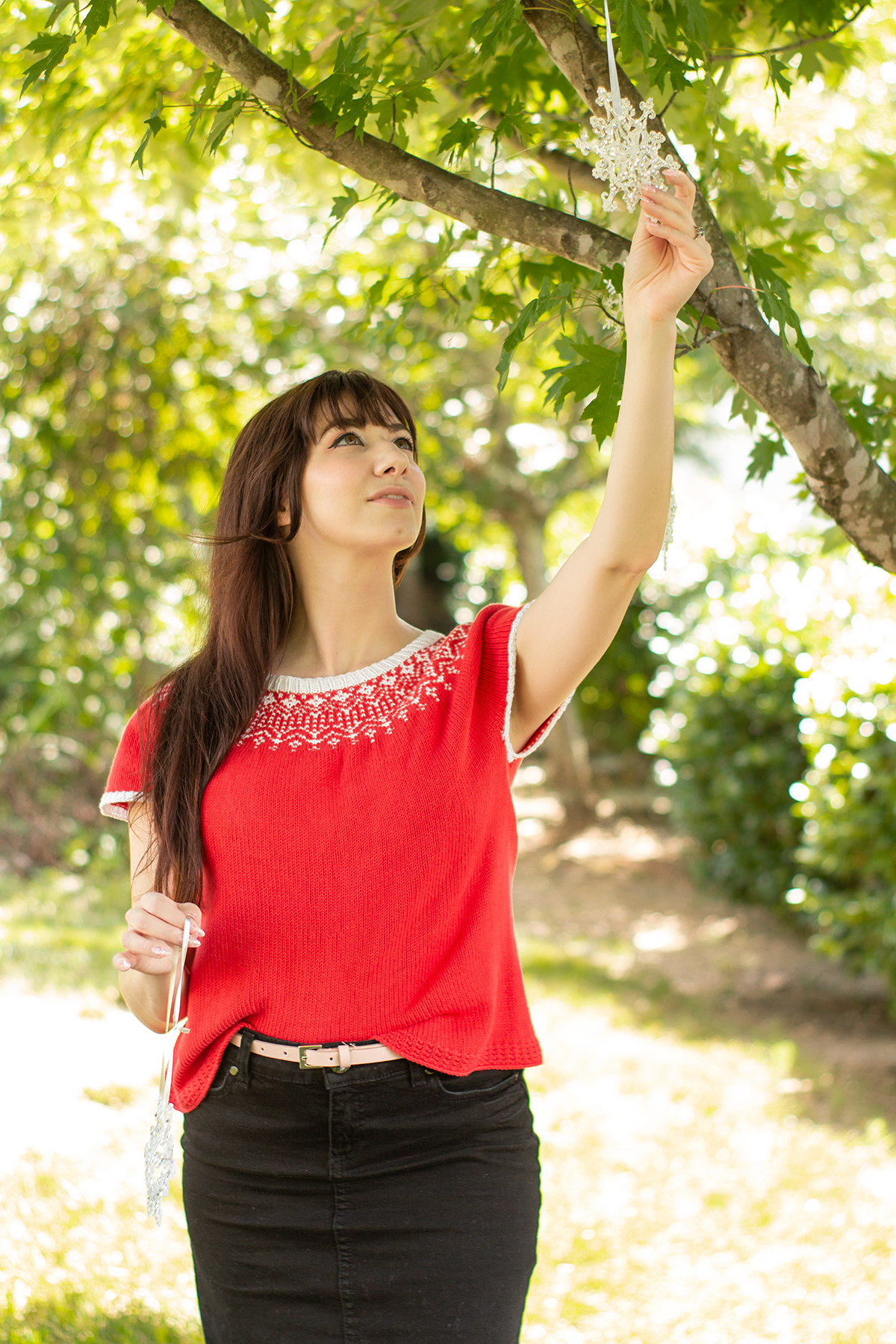
When temperatures started to climb here in North Carolina, Yonca decided to adapt the pattern in one of our favorite summertime yarns, Cotton True Sport.
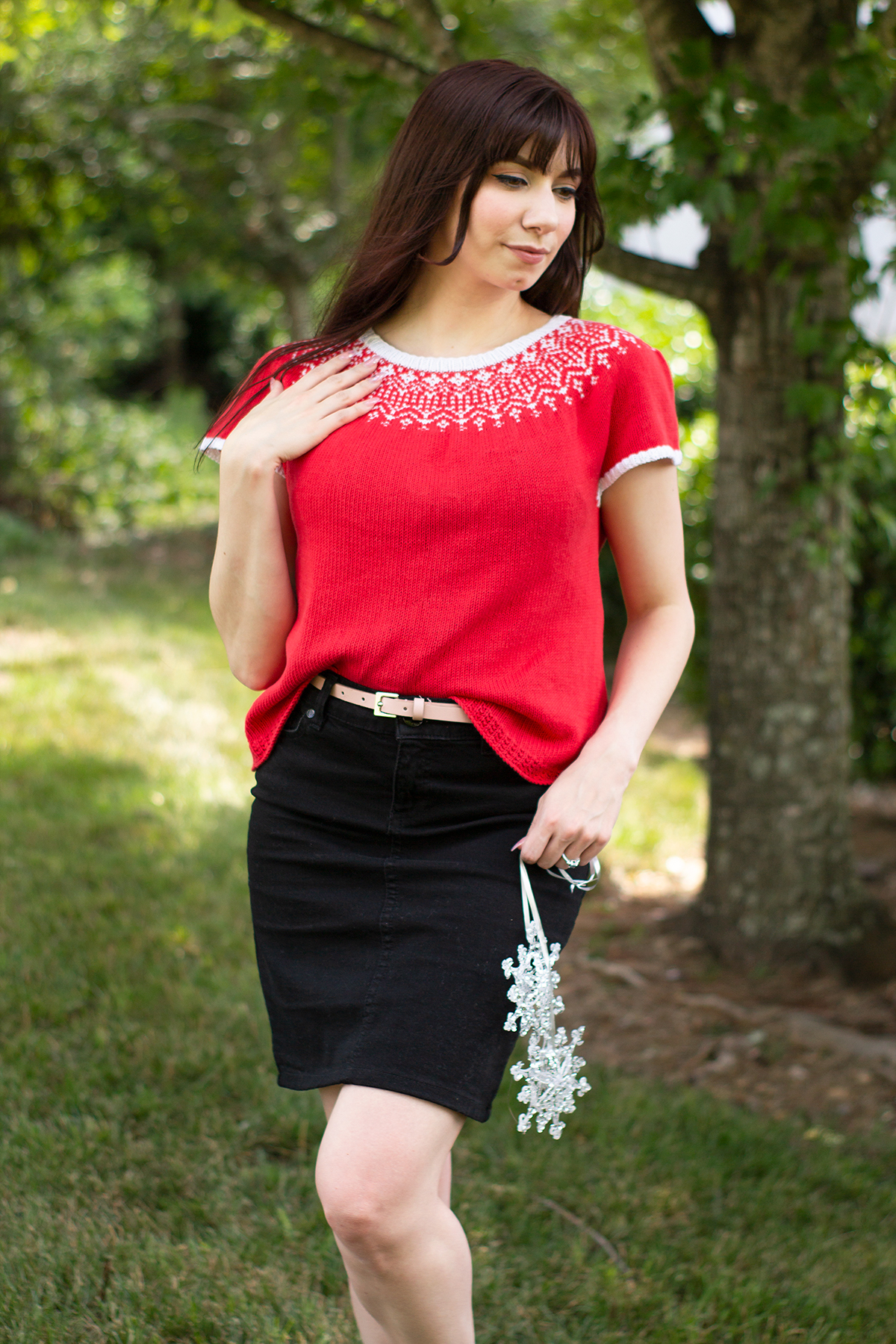
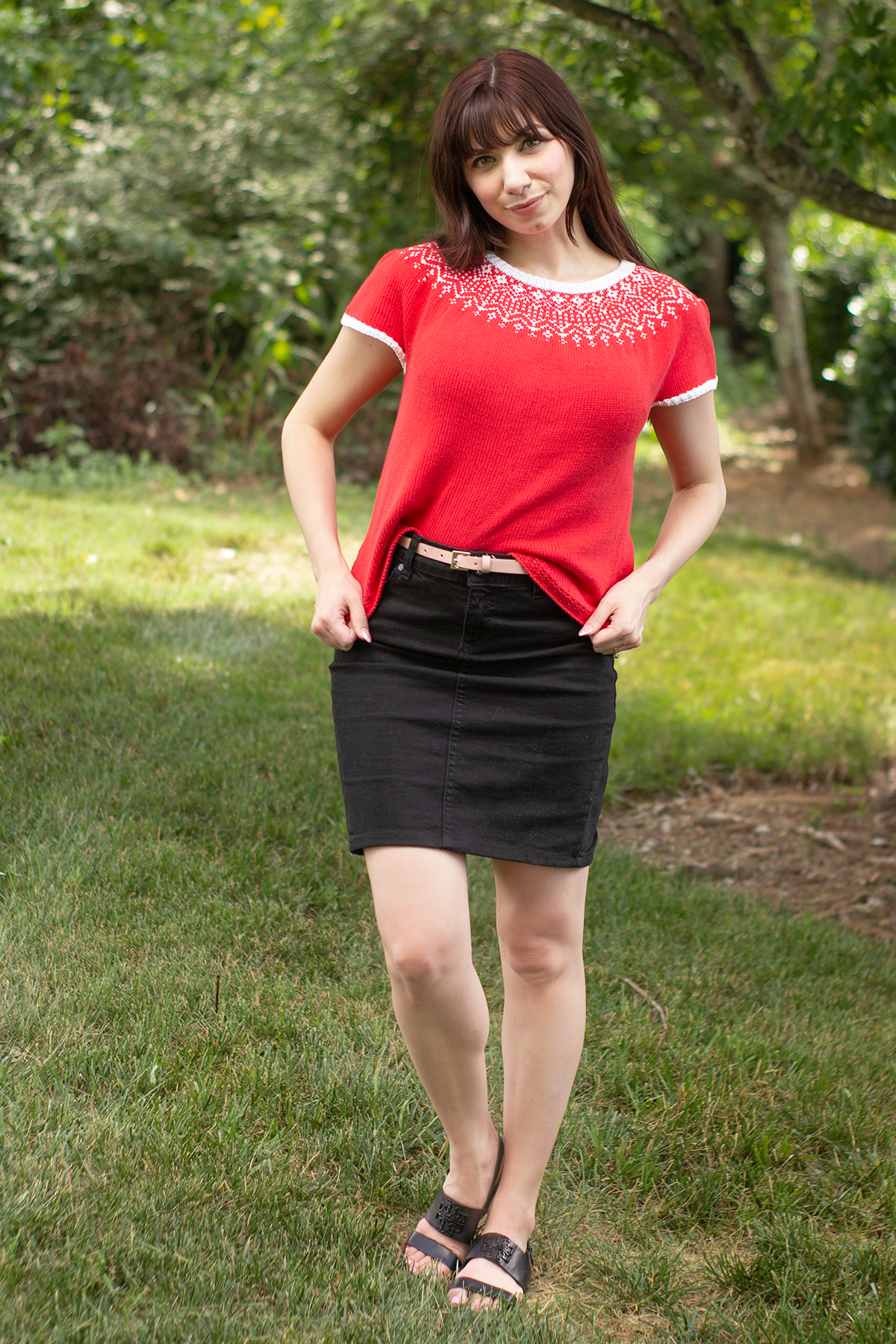
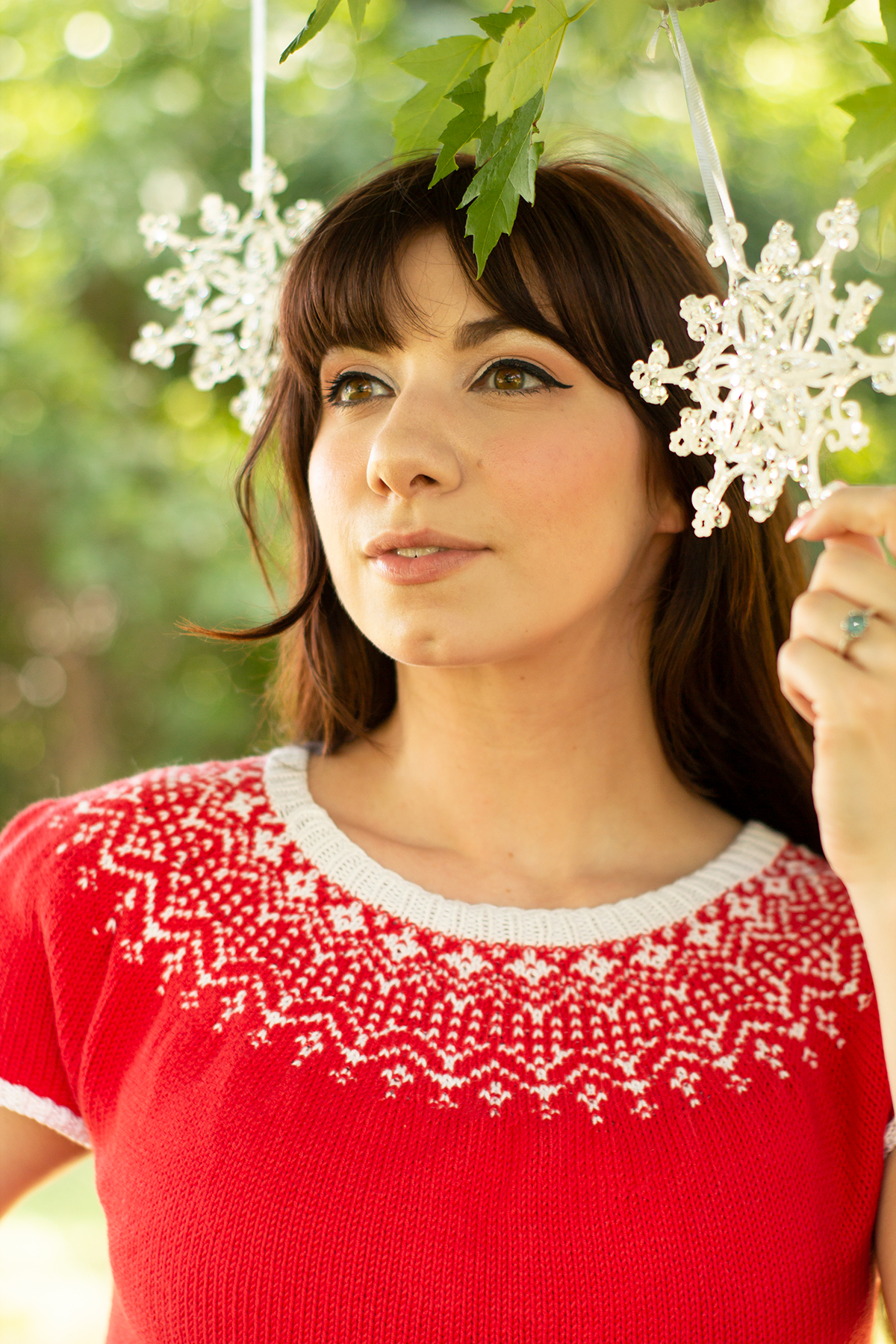
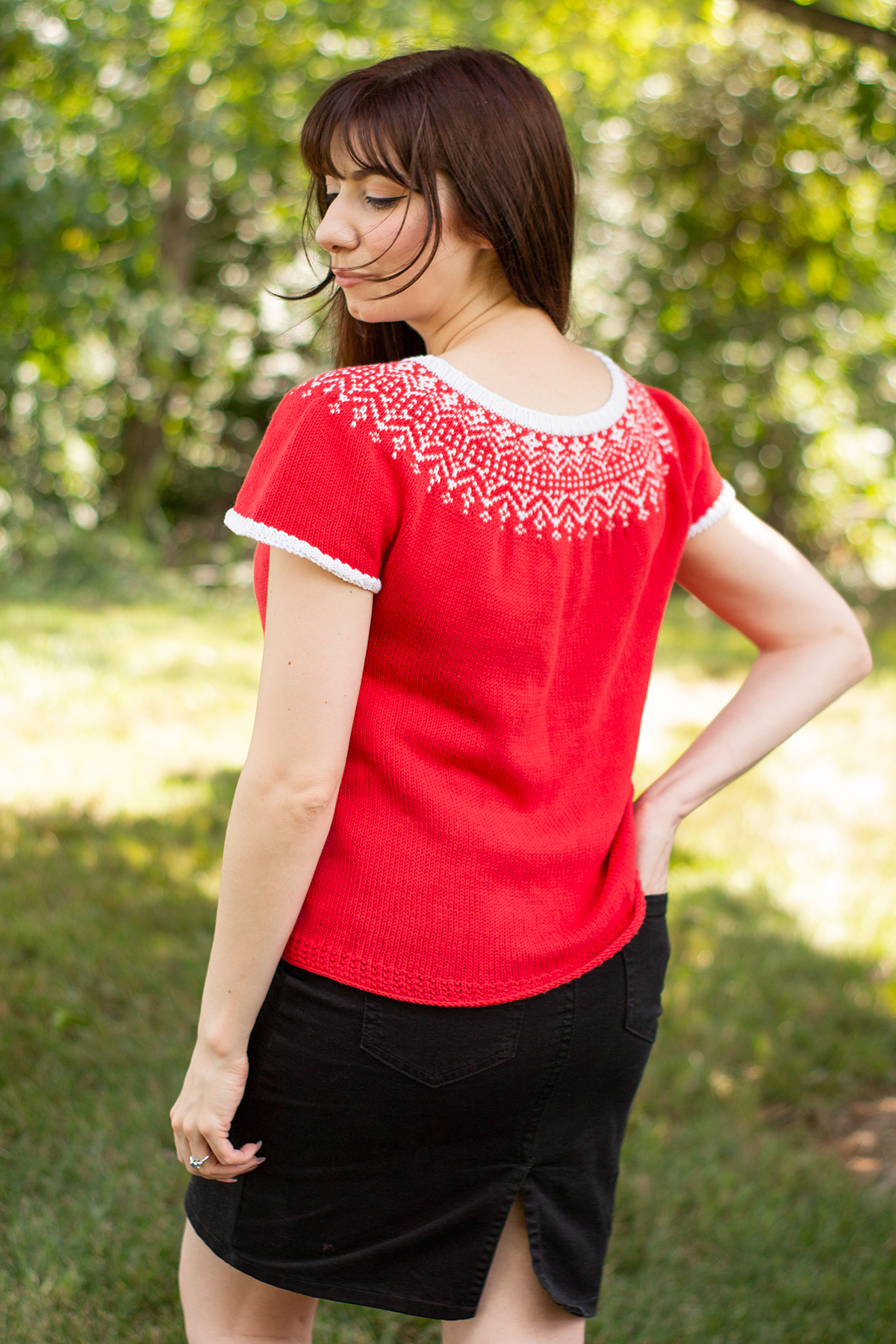
She opted to call this short-sleeved version the Holiday Jay, because the colors and Fair Isle yoke feel very wintry. We love it when Yonca wears her “Christmas in July” sweater – it’s inspirational to see all the ways we can make a pattern just right for our own tastes and circumstances!
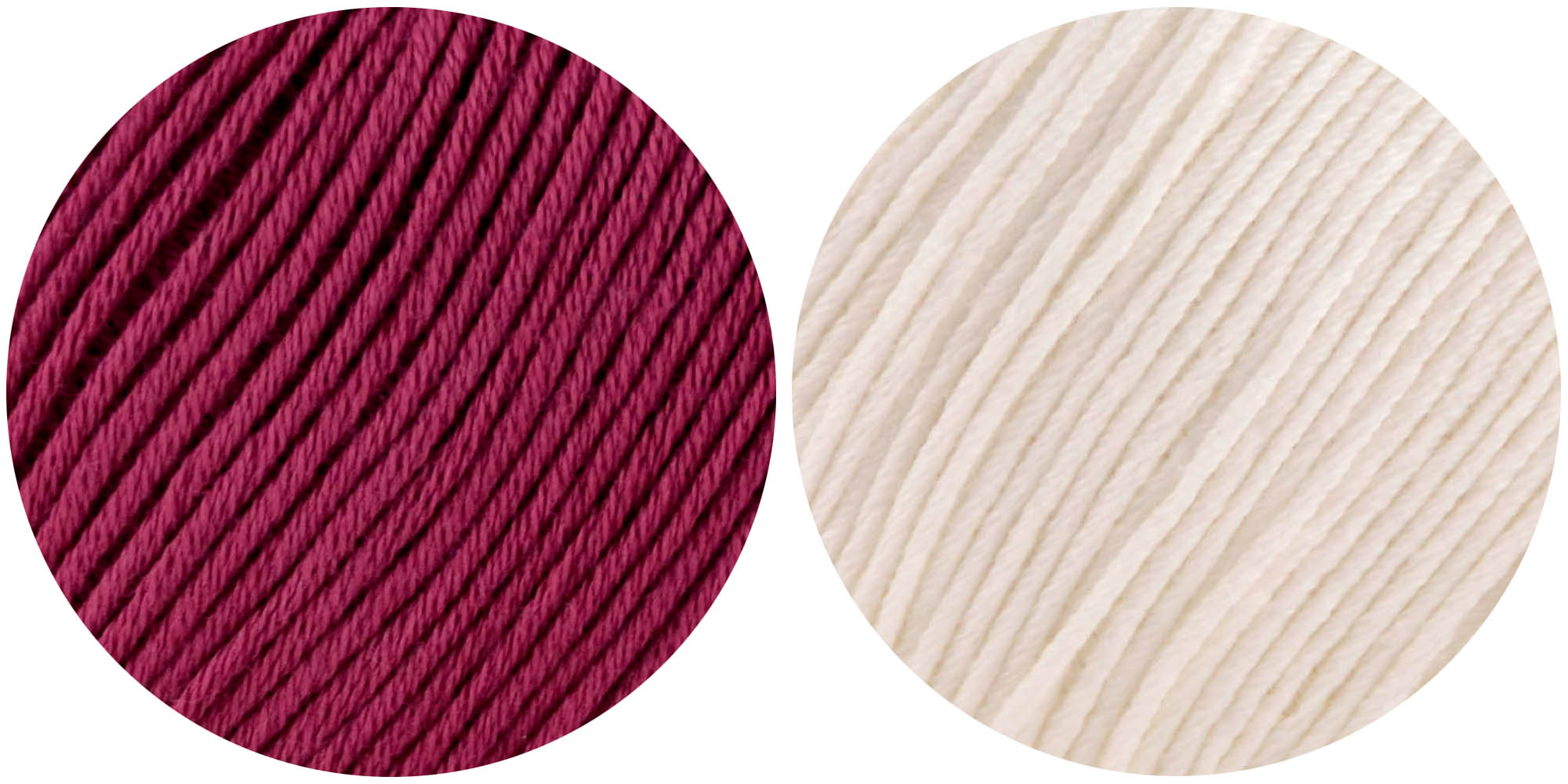
Shown in Cotton True Sport 102 Bright Red (MC) and 117 Bright White (CC)
Like the original Jay sweater, Holiday Jay is sized from XS through 5X. Yonca’s chosen red and white combo is delightful, although this would look equally striking in many other bright/dark contrasting combos. Maybe 112 Boysenberry and 118 Marshmallow, to make a bubbly cobbler a la mode version?
…and just like that, I’ve talked myself into another project. Can’t wait to cast on!
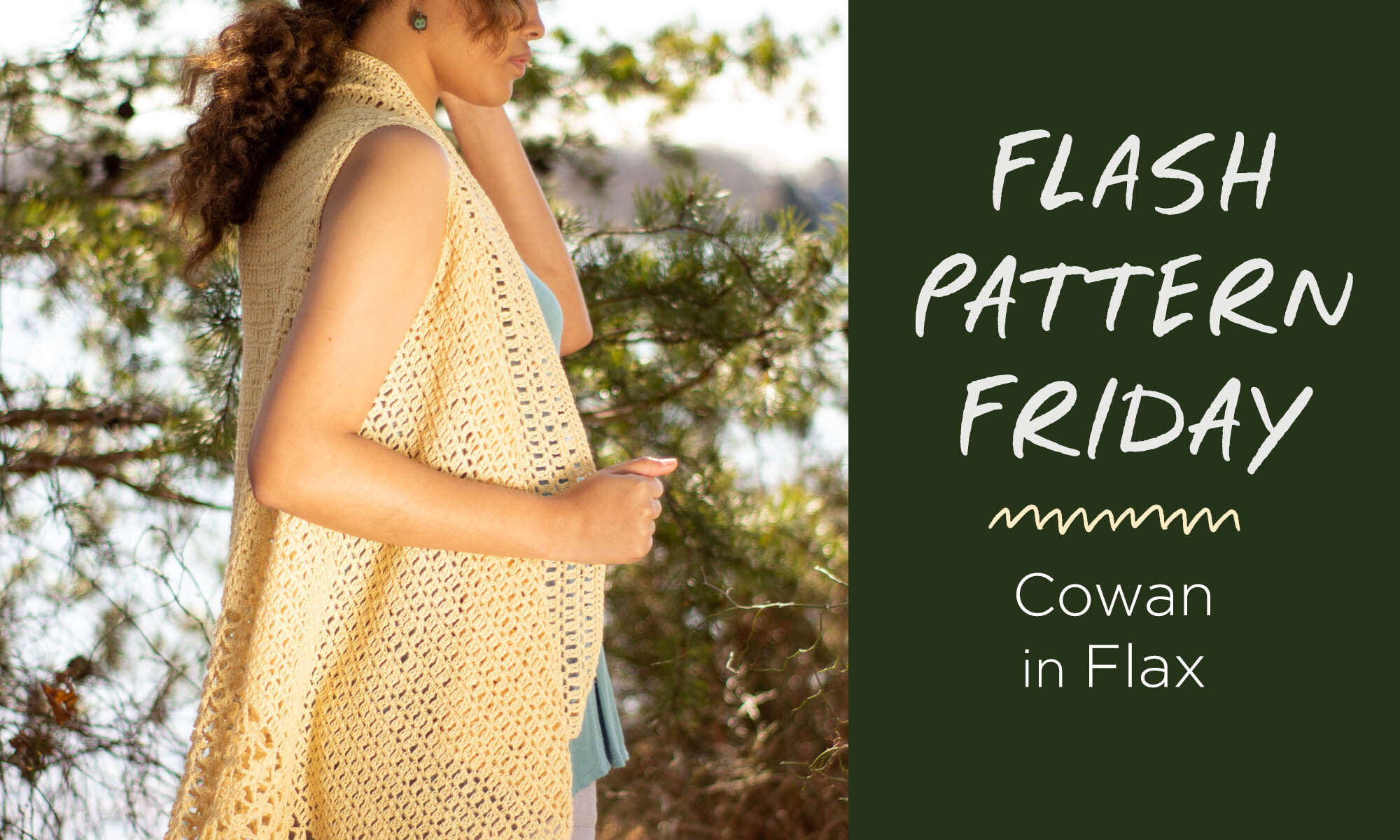
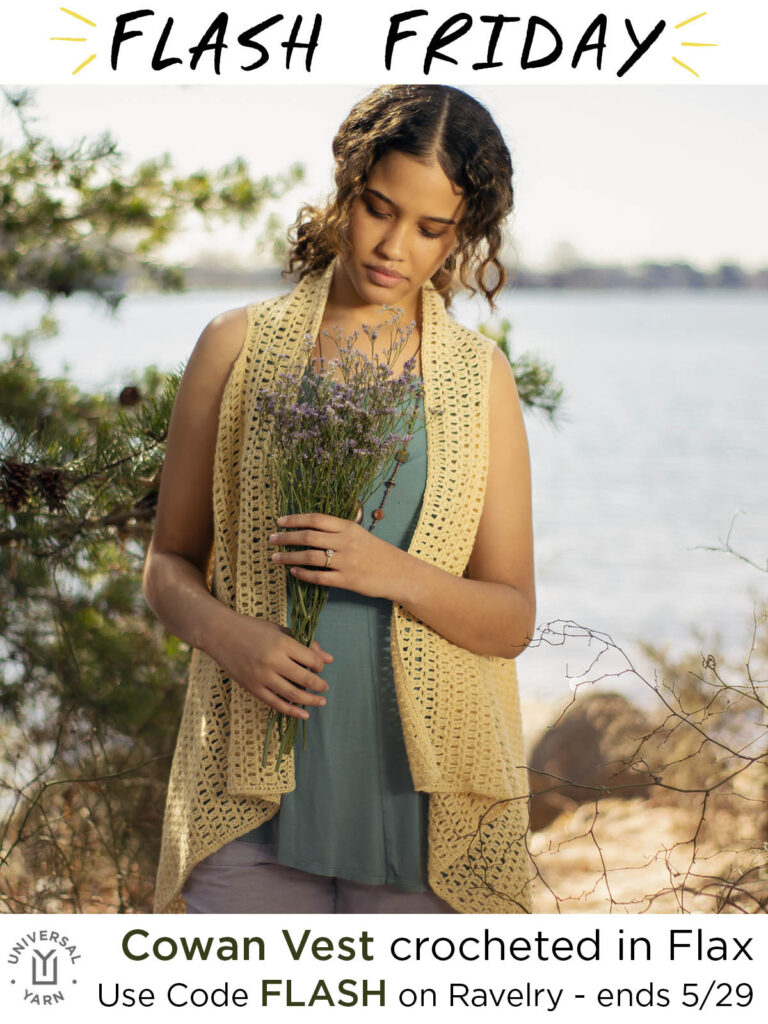
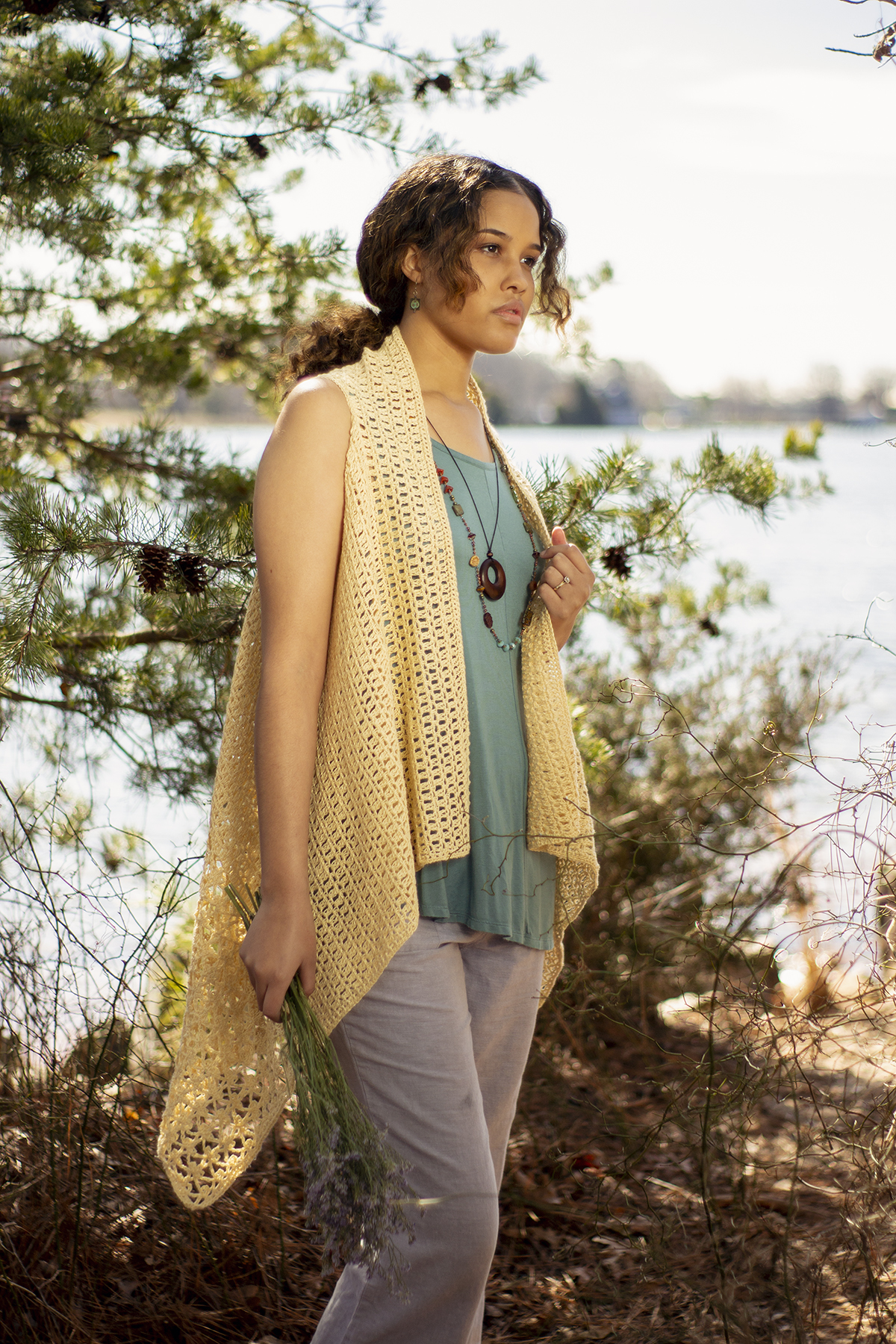
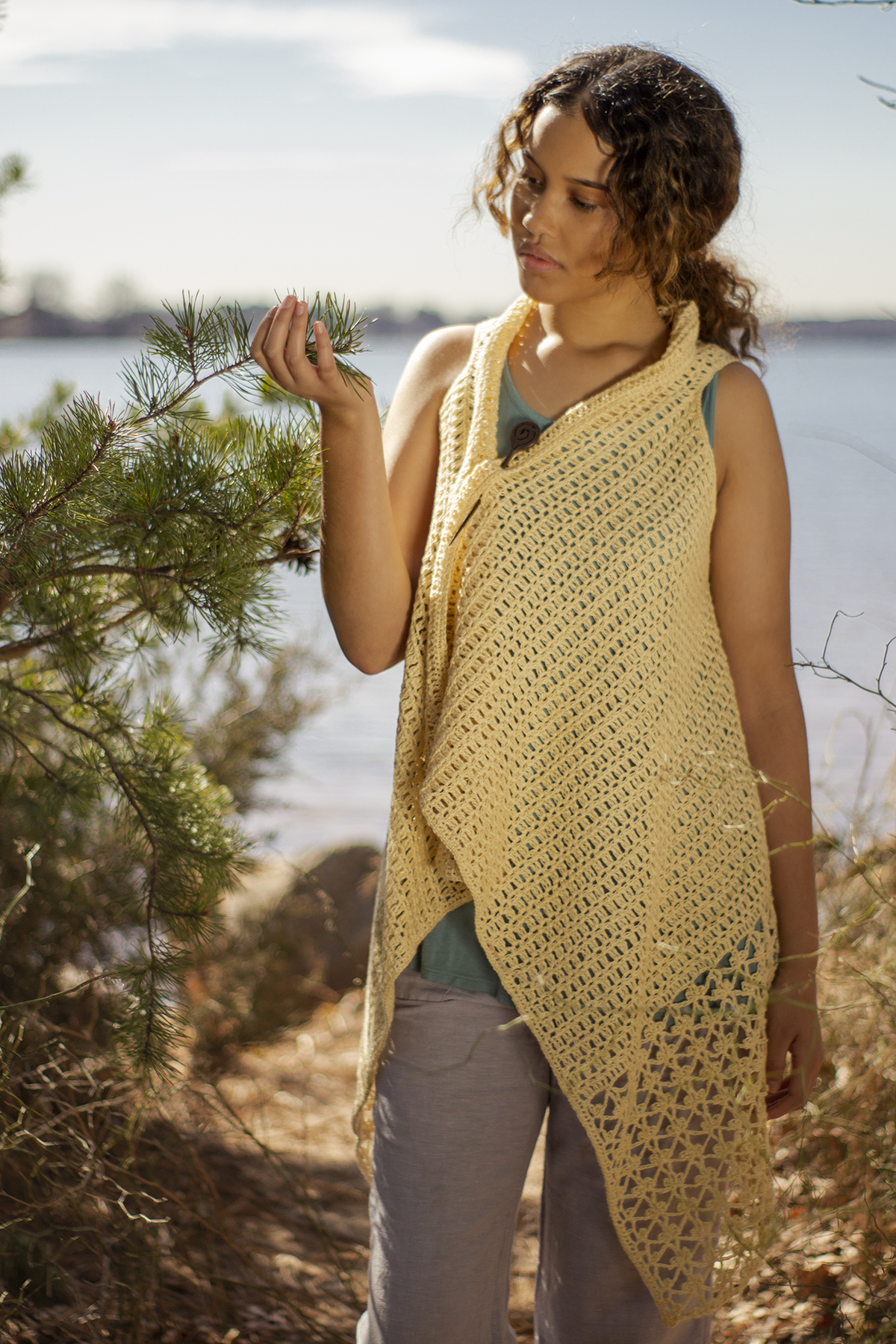
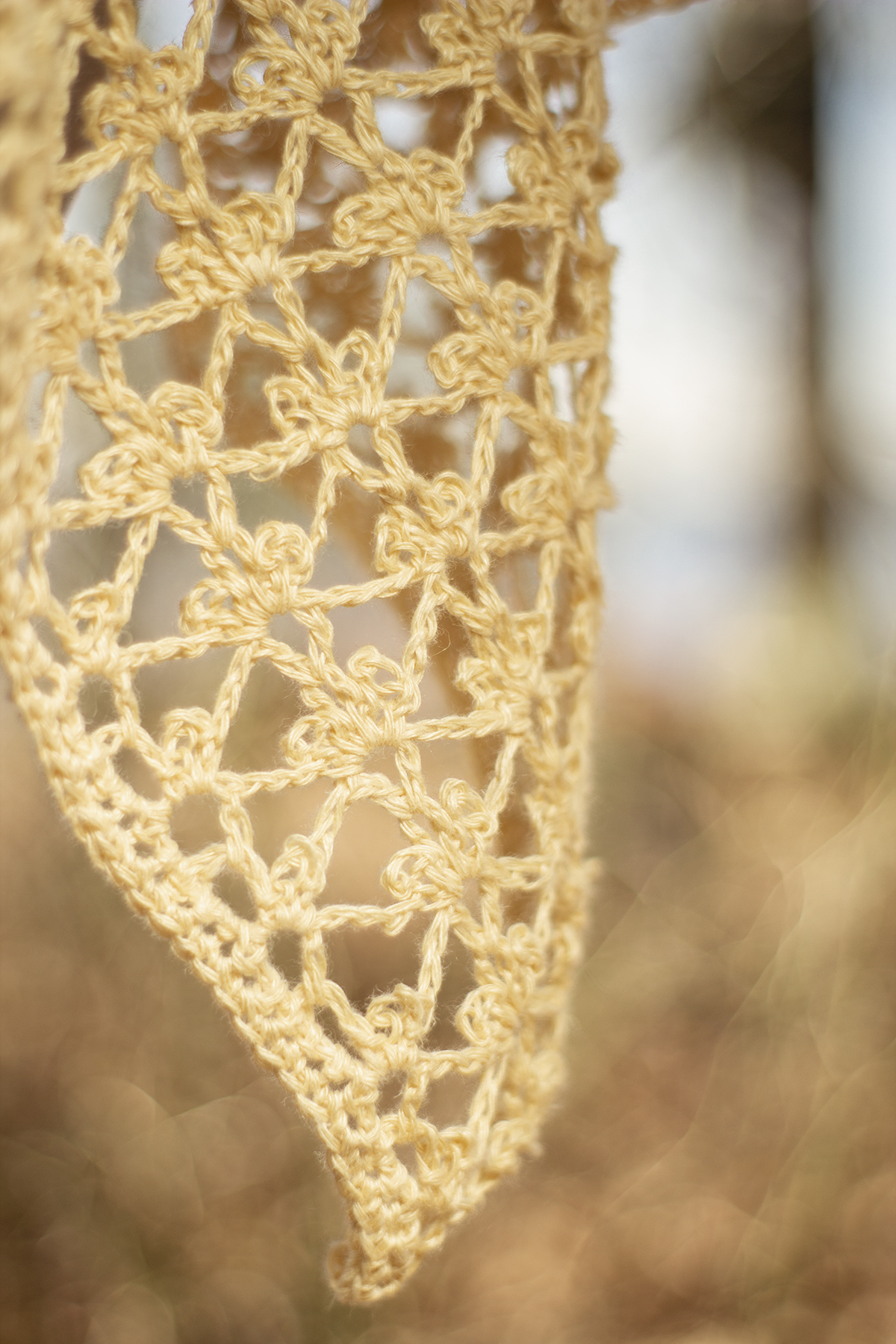
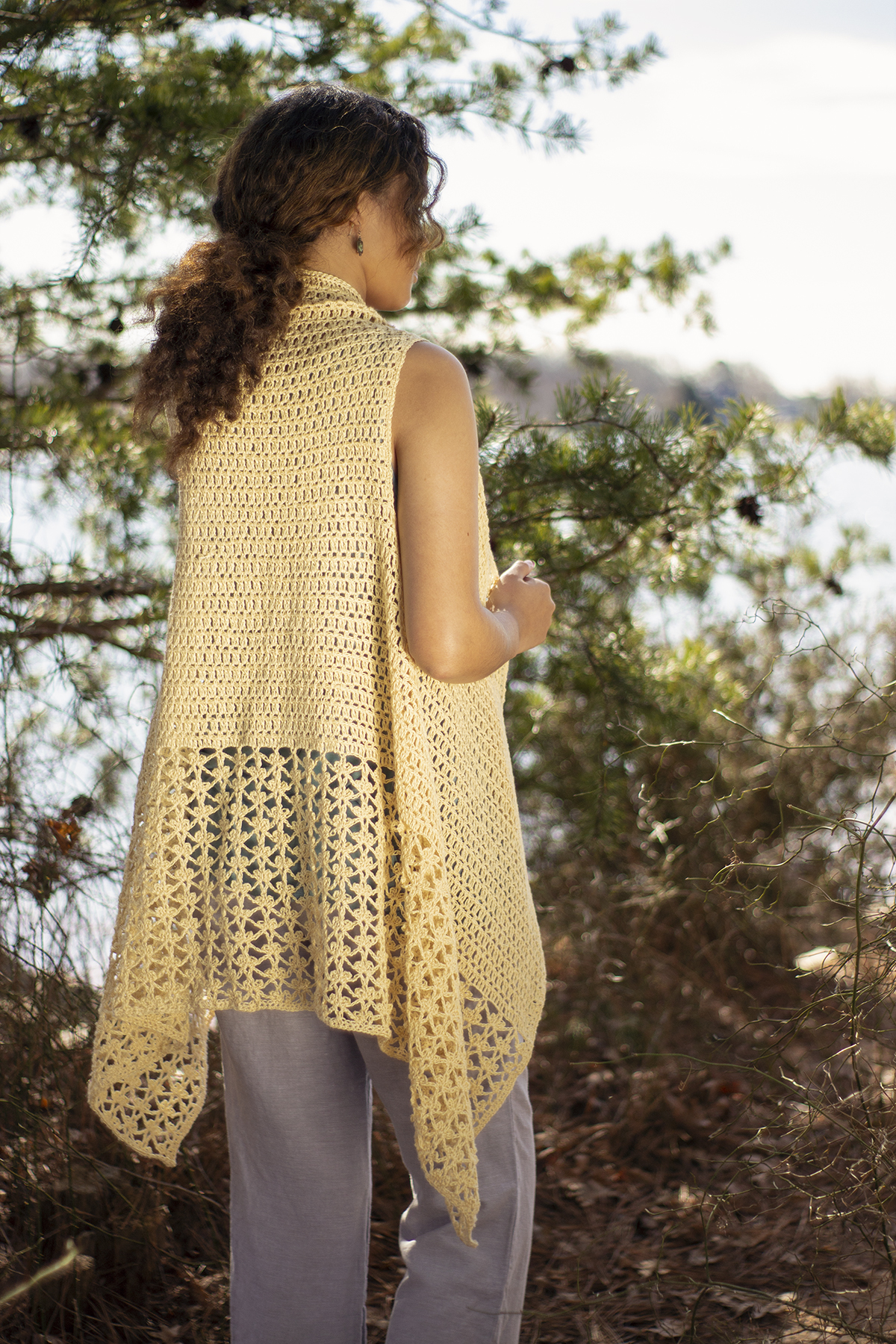
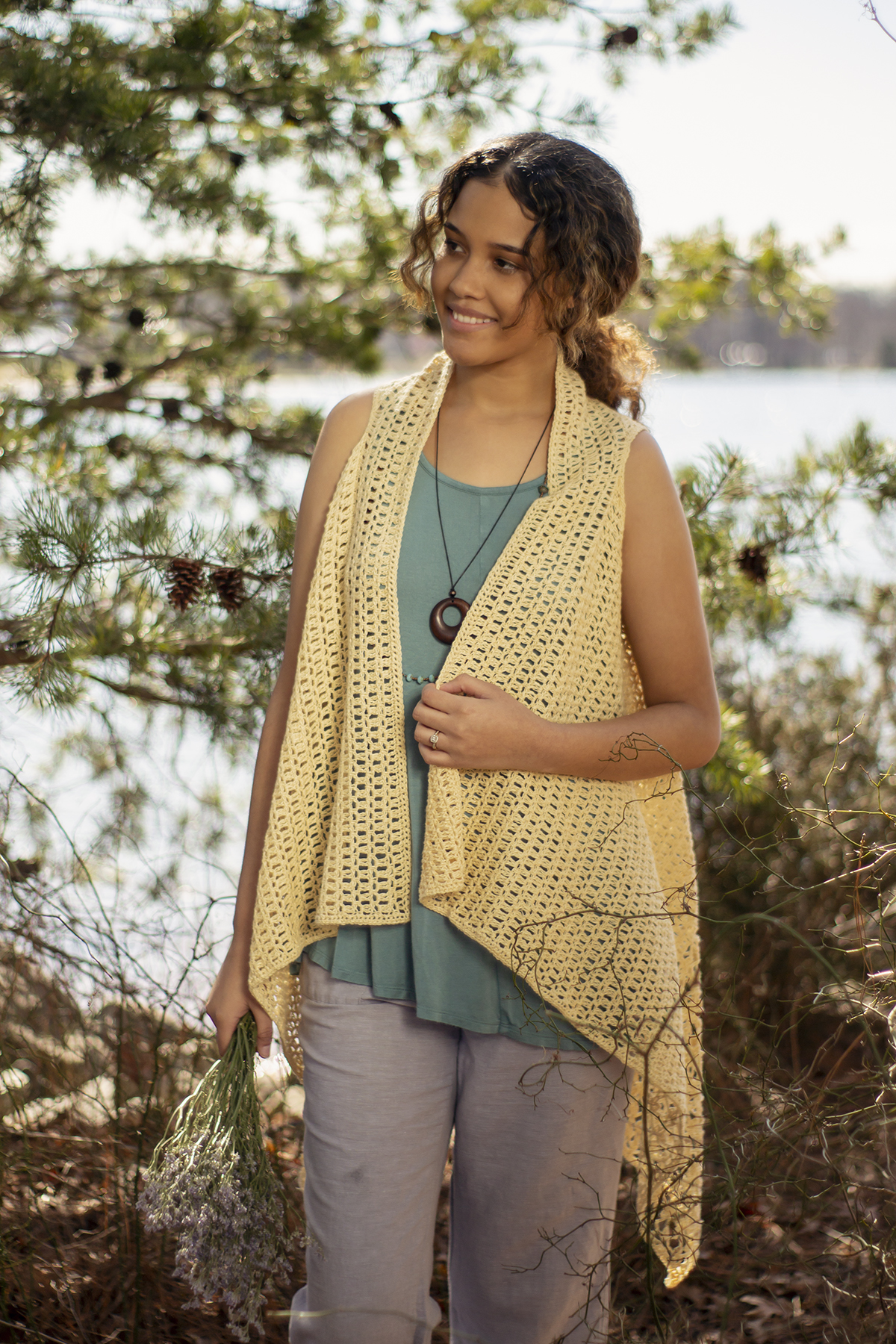
Cowan is crocheted in one piece from the bottom up, separating at the armholes, and then rejoining for the upper portion of the vest. Its flowing outline makes it a great piece for its entire range of sizes, XS to 4X (it’s shown here in Small).
To get Cowan free, use the buy it now or add to cart links on the Ravelry pattern page. Then enter coupon code FLASH where you see the “use a coupon code” links that appear during purchase.
Not a Ravelry user? Drop us a line by midnight on 5/29 and we’ll get you taken care of. Feel free to share the giveaway – the more the merrier!
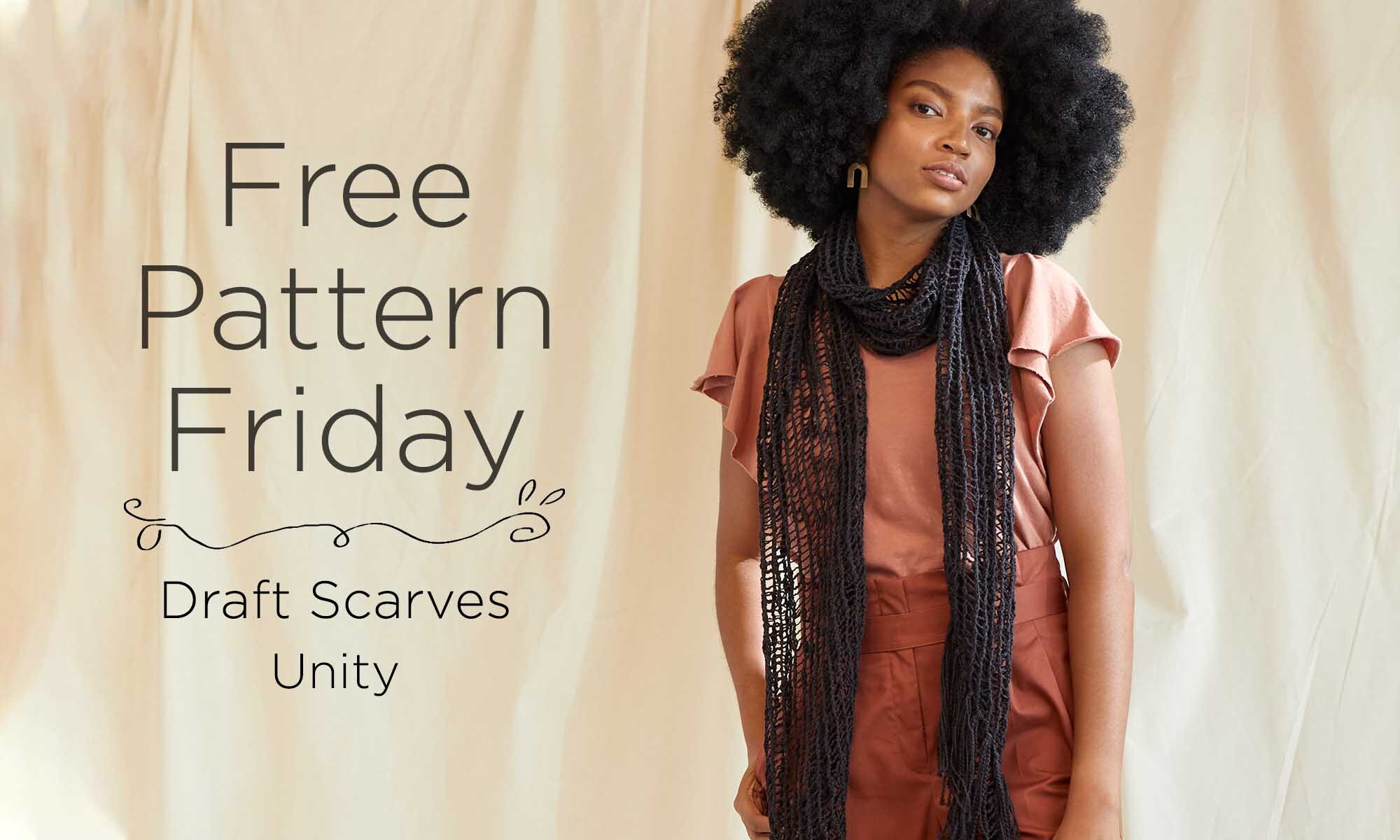
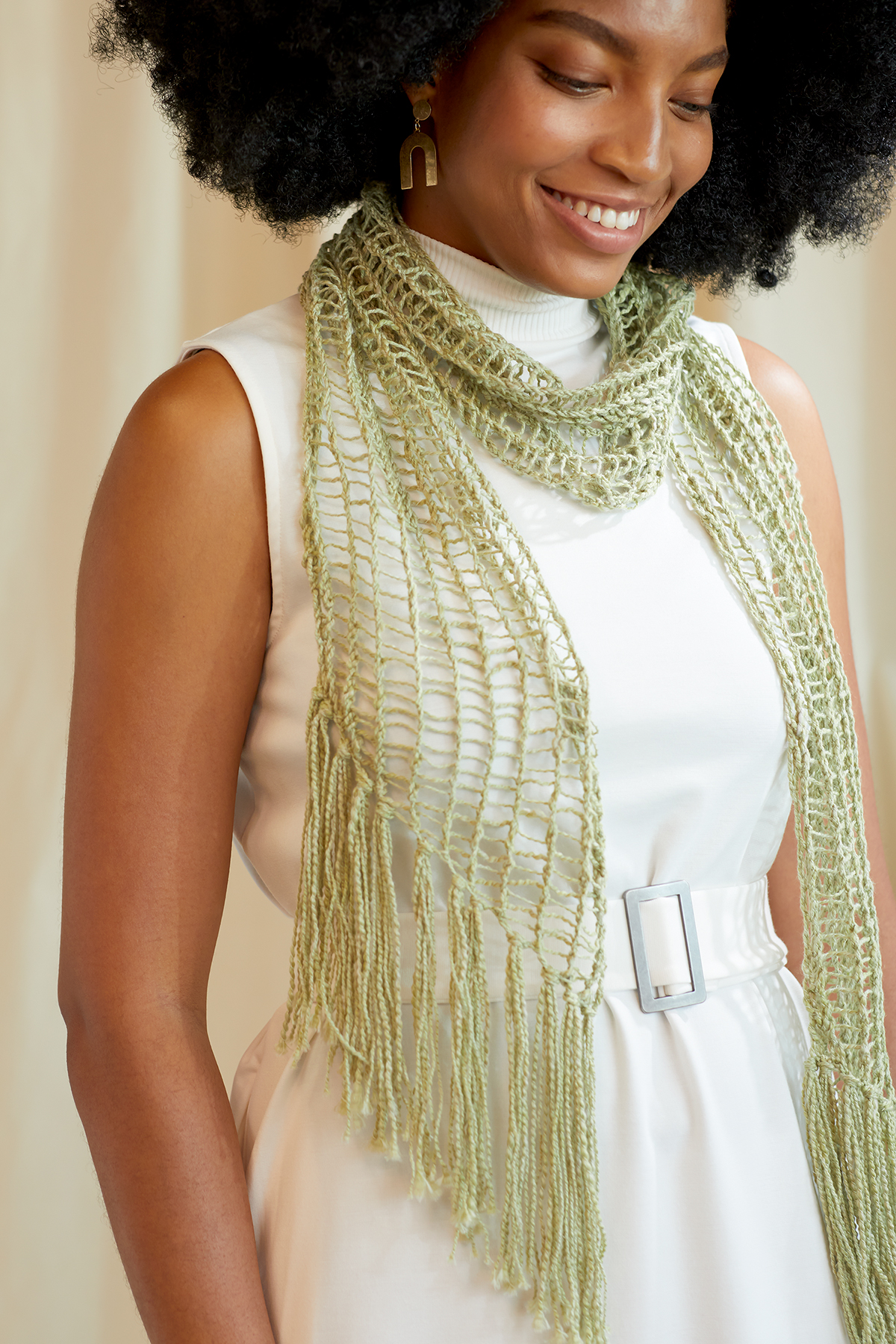
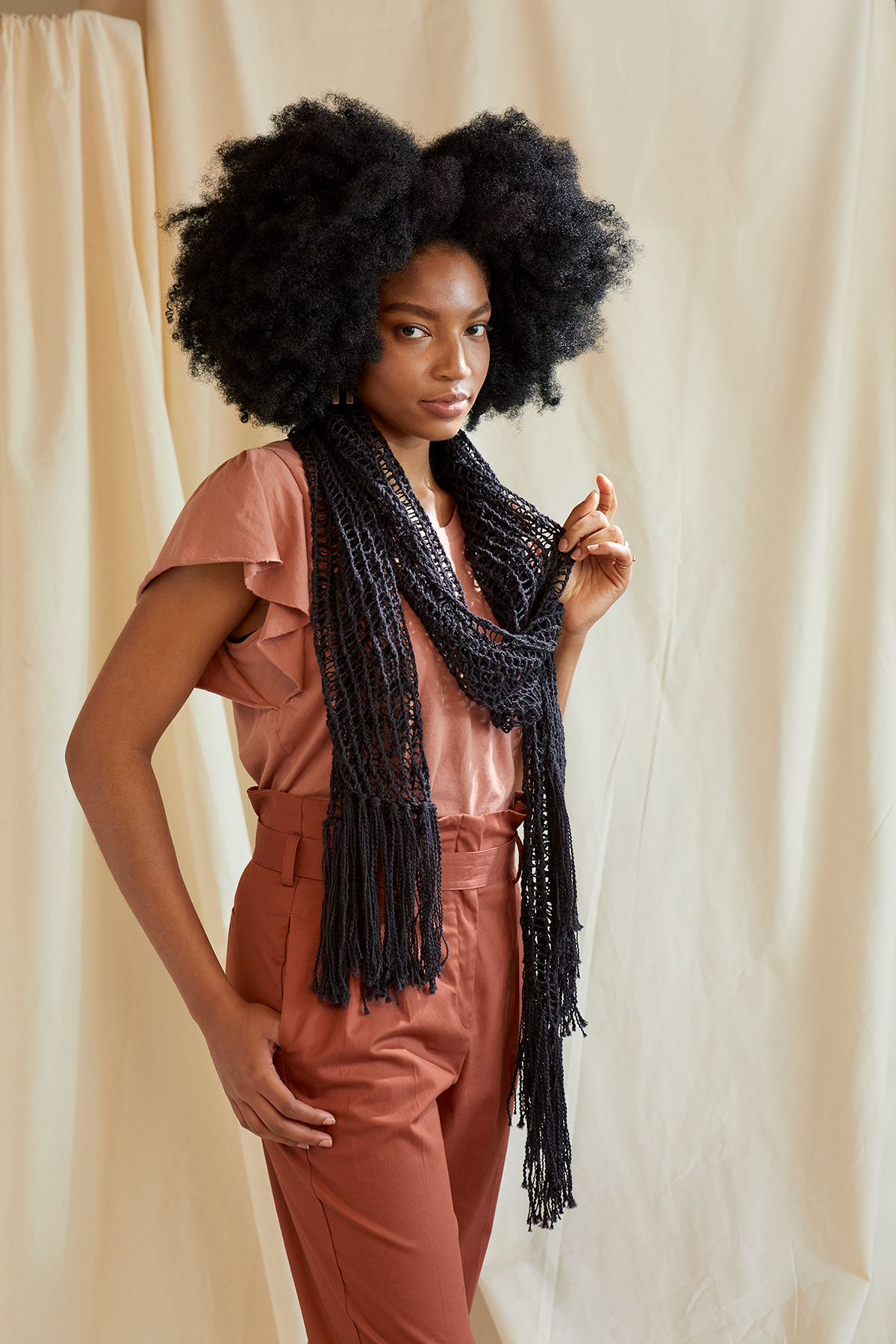
Recently, we’ve had requests for simple free patterns that are quick and easy. Well when it comes to lace, it doesn’t get much easier than this!
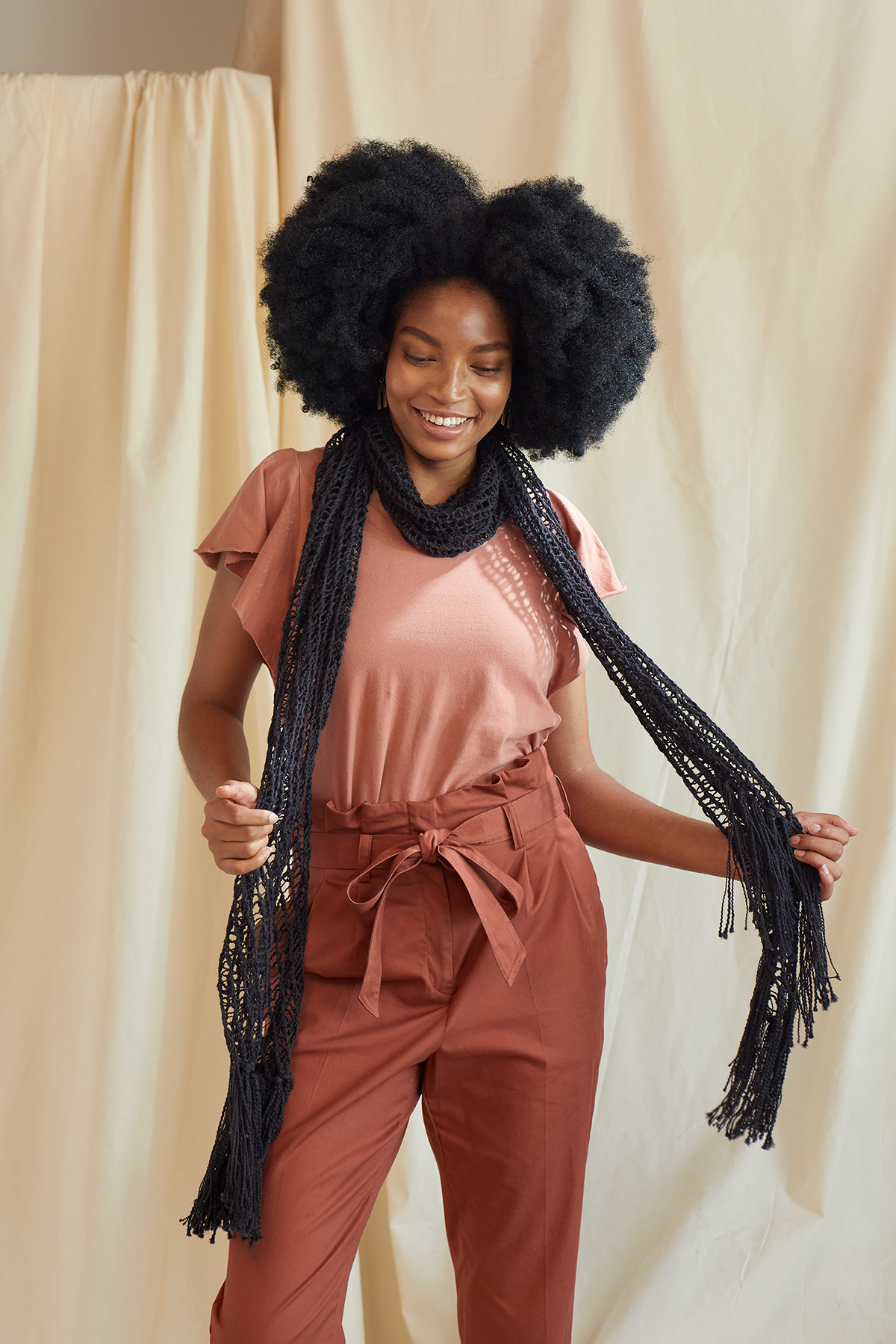
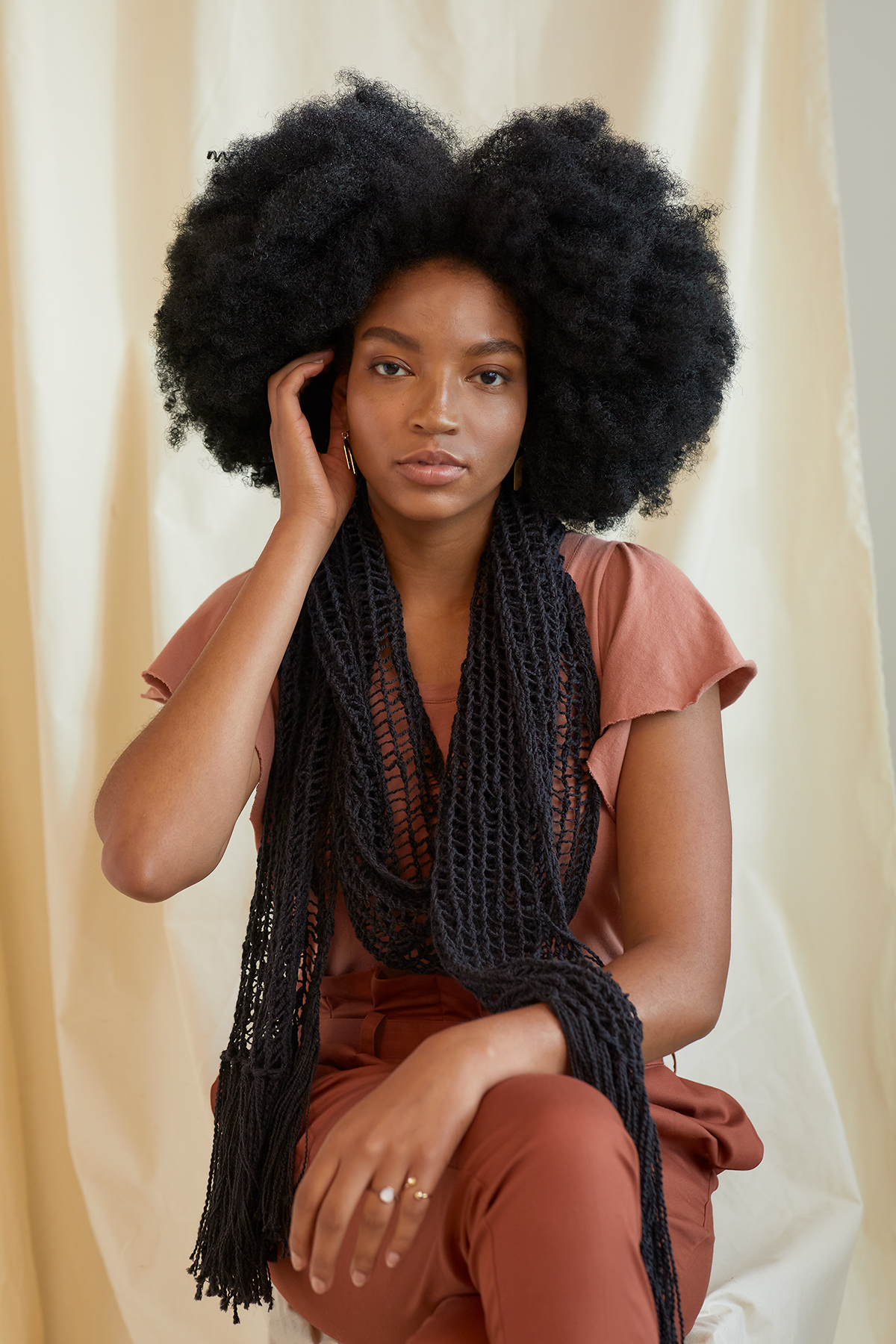
The Draft Scarves use a simple two-row repeat to create an airy, open mesh that’s perfect for summer. The wider black version above takes two balls of Fibra Natura Unity in color 110 Darkness…
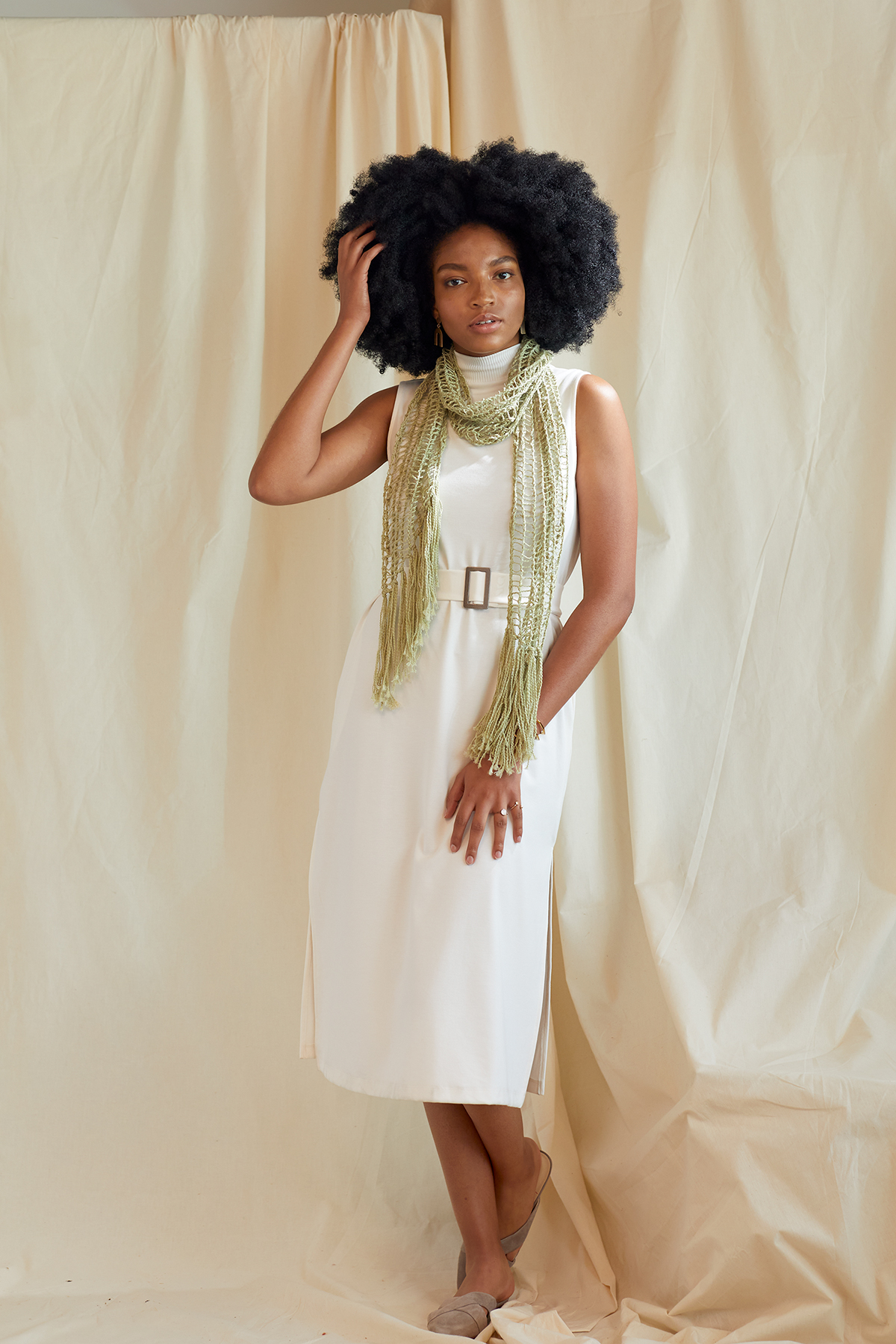
…while the green, skinnier version takes just one ball of 103 Sage, and is still a generous 63″ without the fringe.
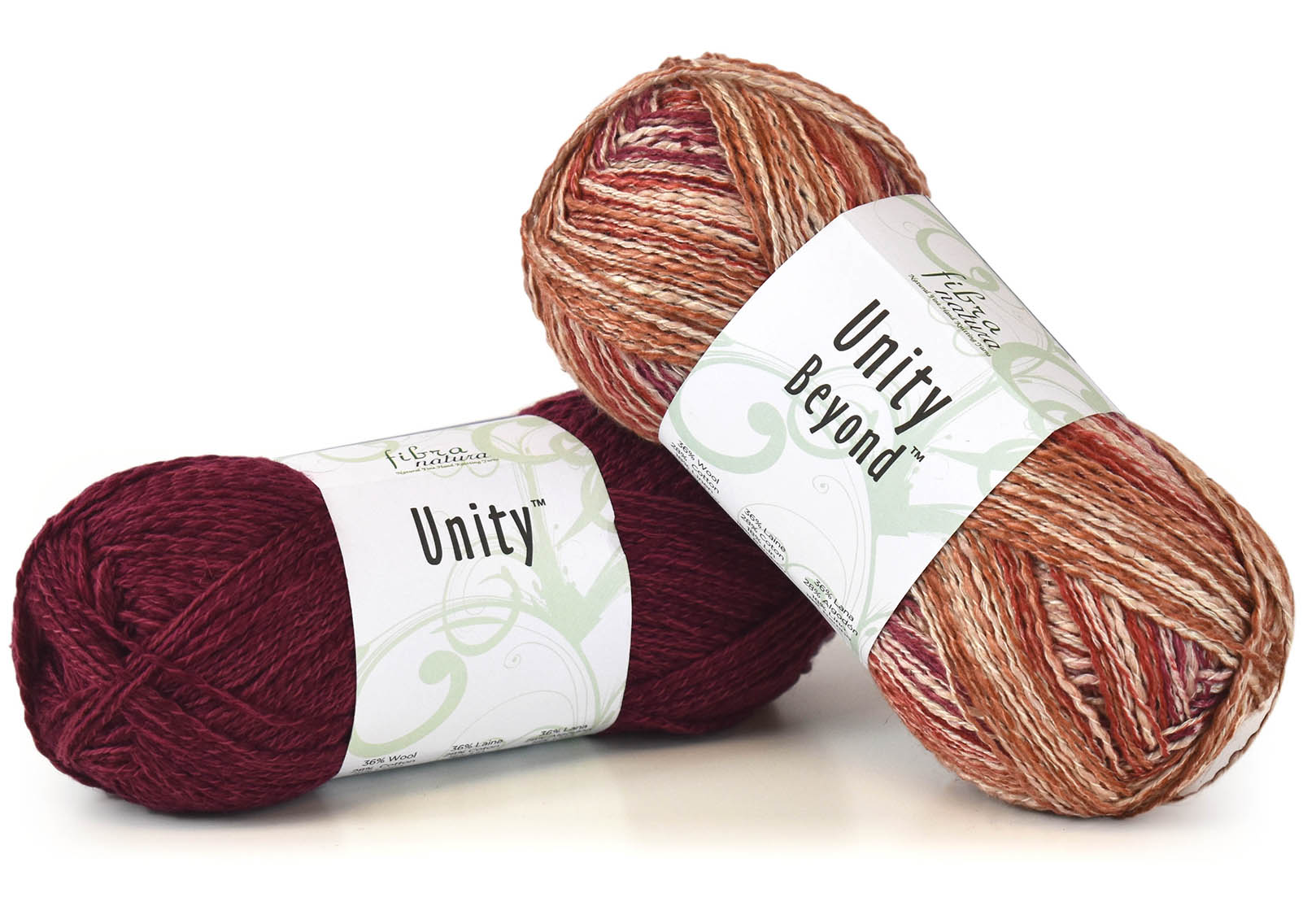
We chose Fibra Natura Unity as the yarn for this pattern for a couple of reasons. First, its thick and thin texture lends extra textural interest to the simple design. Second, the blend of wool, cotton, linen, and bamboo provides the perfect drape for a summertime scarf.
Unity 113 and Unity Beyond 208 Sunrise
If you were in the mood for extra color, Unity Beyond would make a great choice. Or what about Unity Beyond for the body, with a coordinating solid for the fringe? There are plenty of options for customization here!
We hope you have a fantastic weekend, with time to sit and relax with some beautiful yarn.
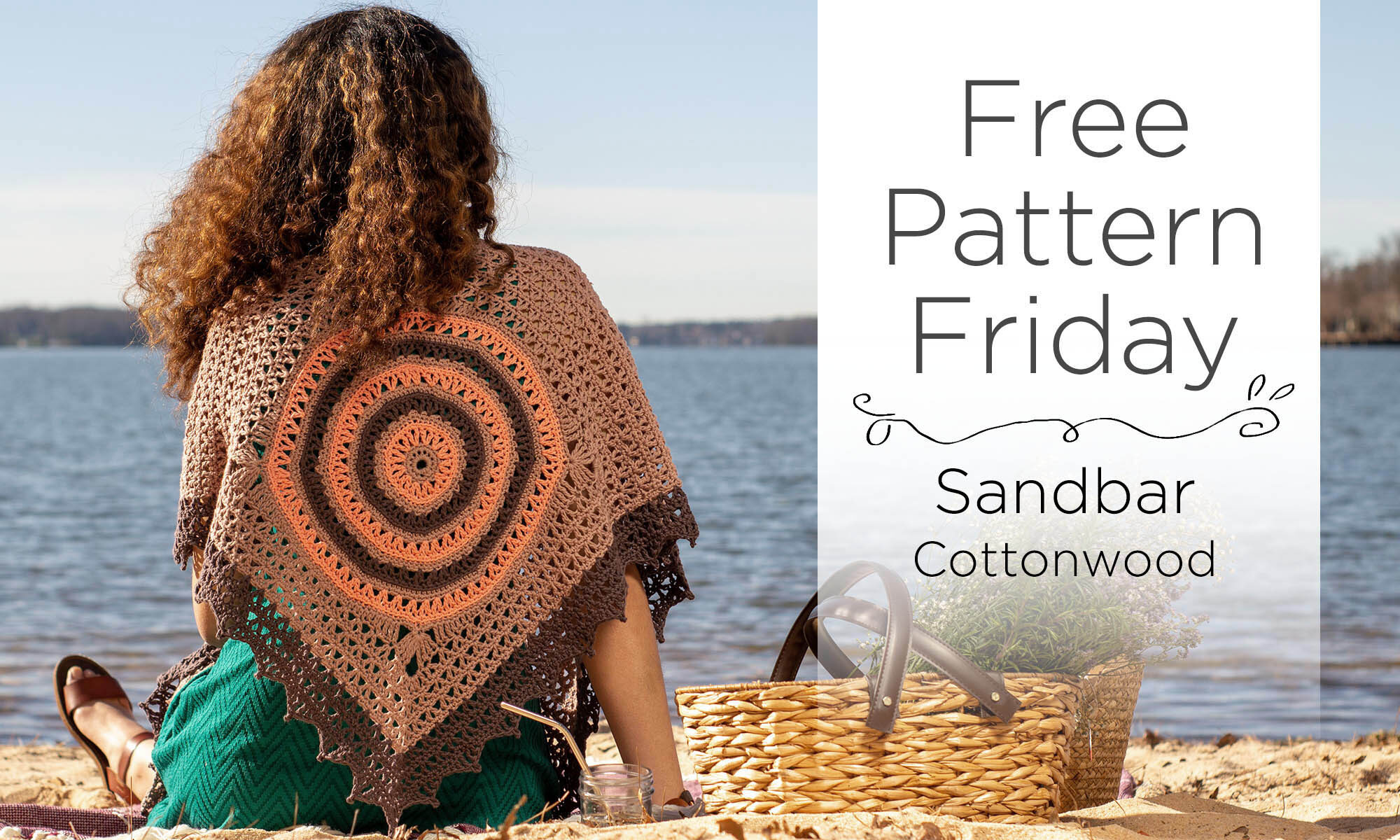
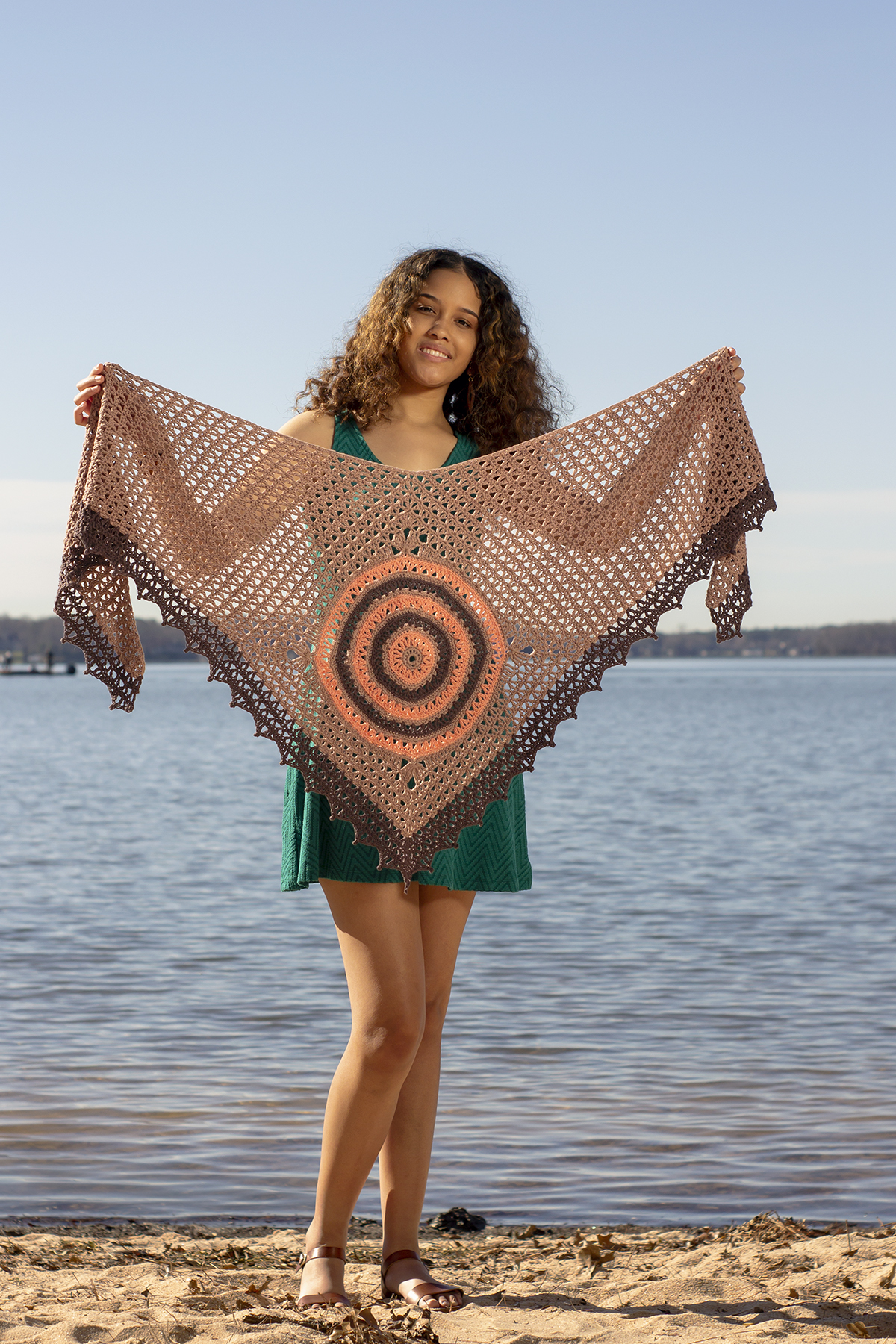
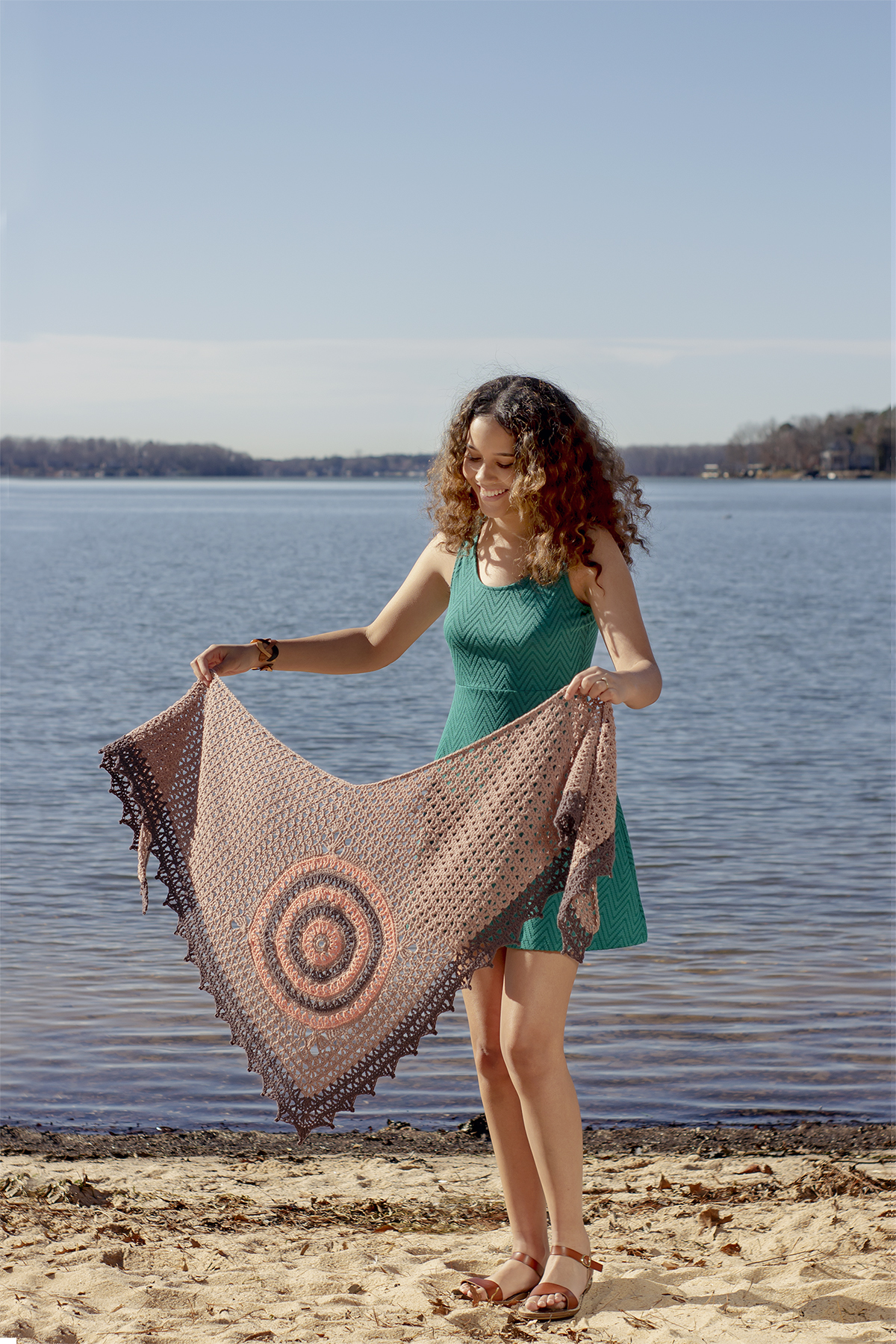
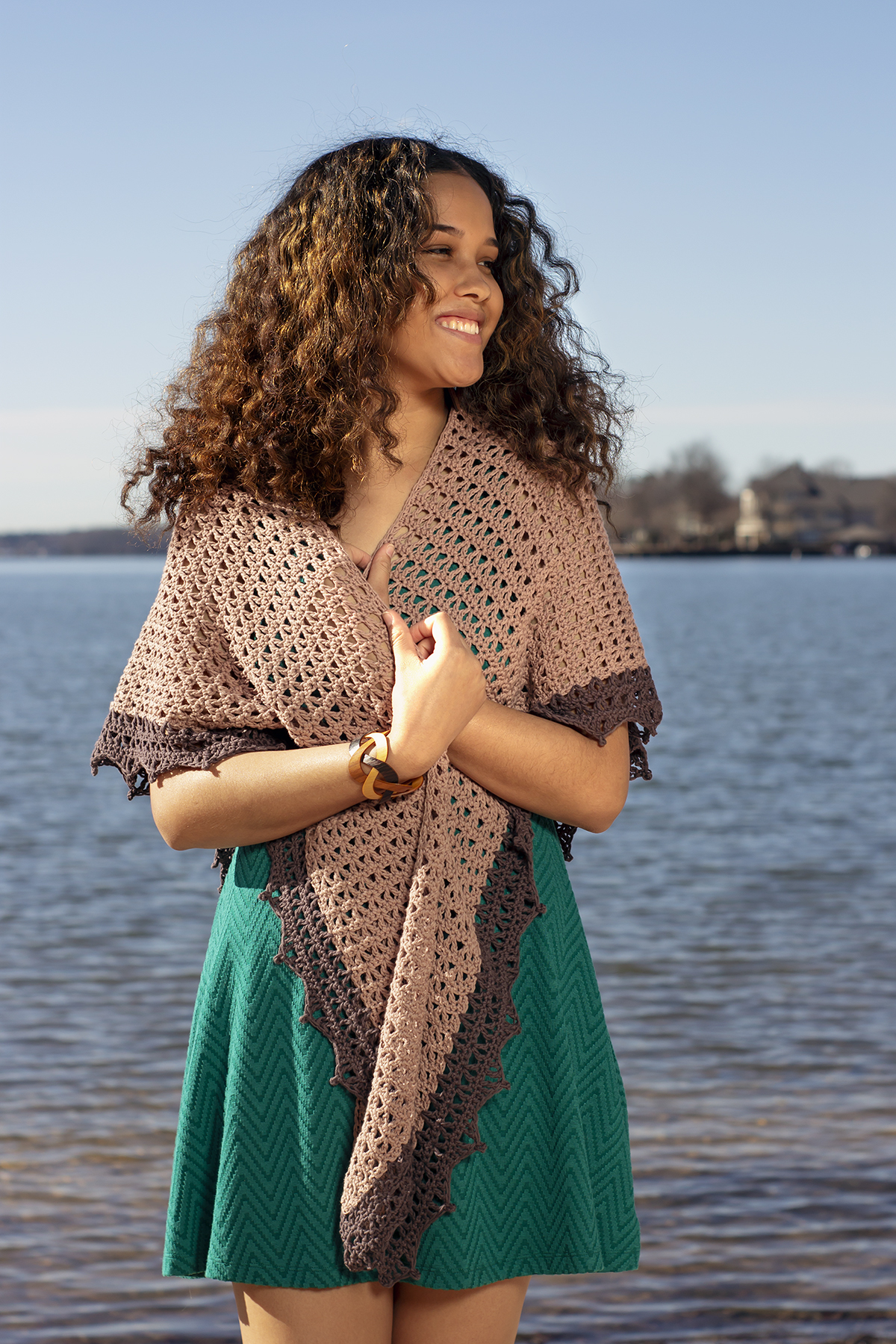
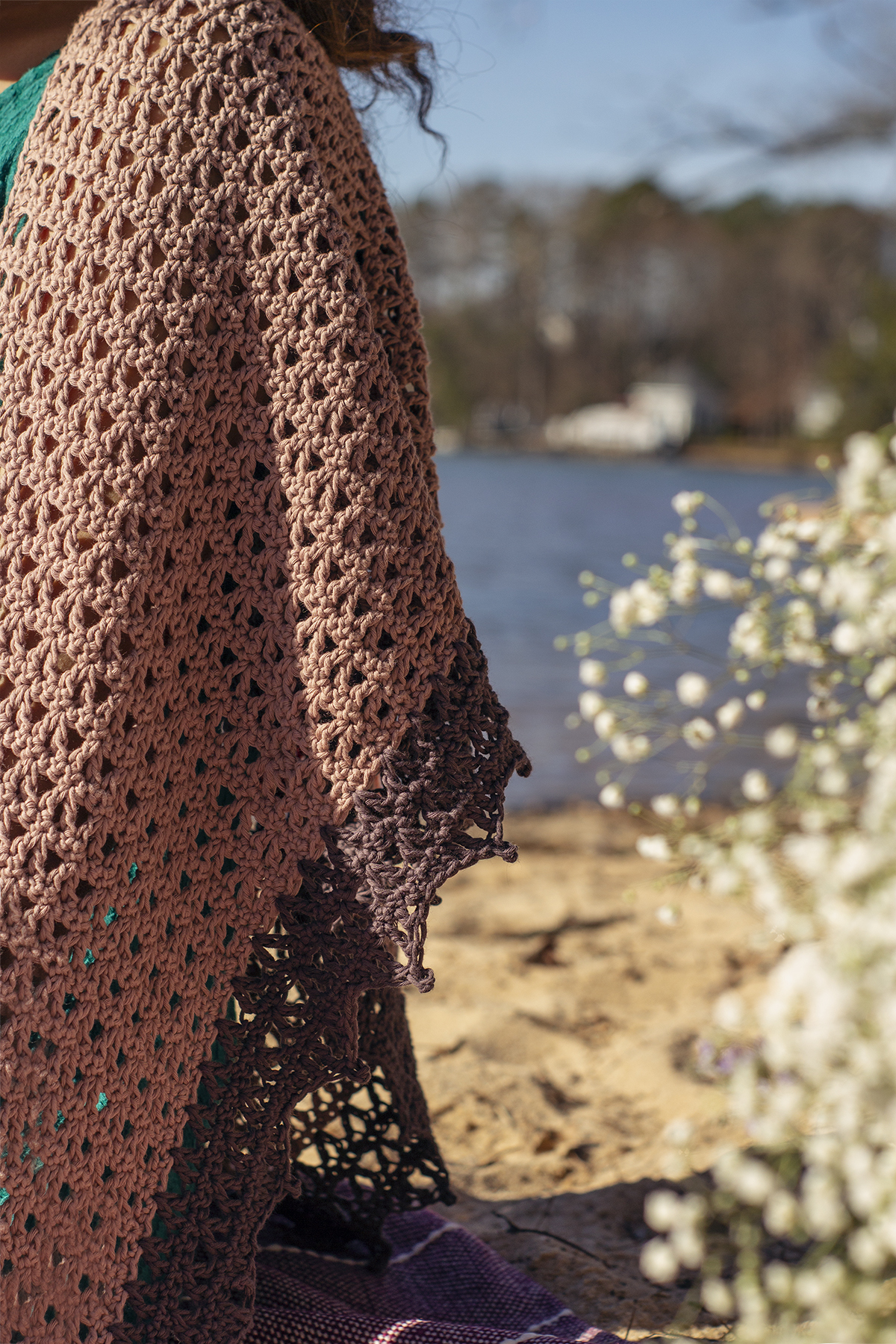
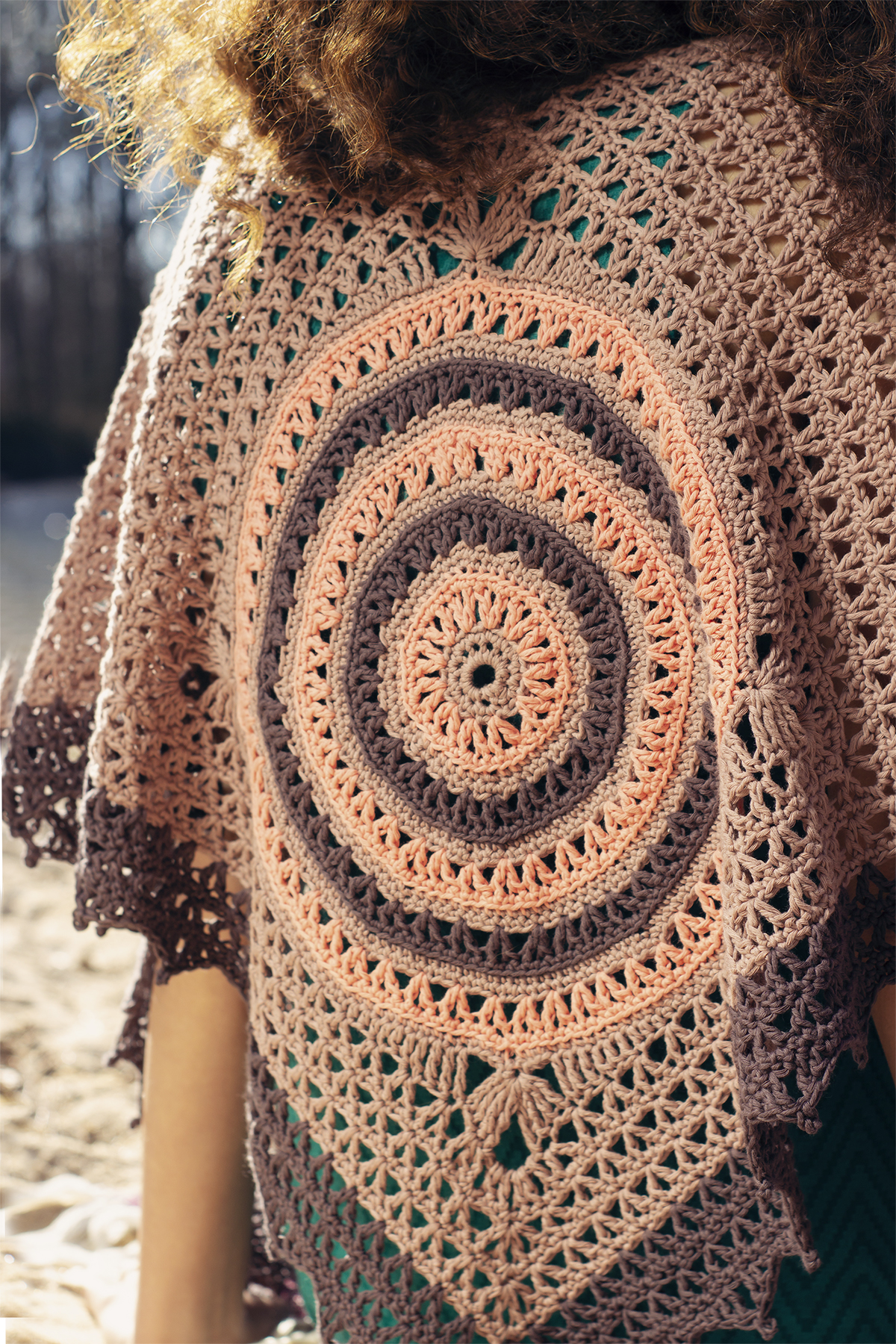
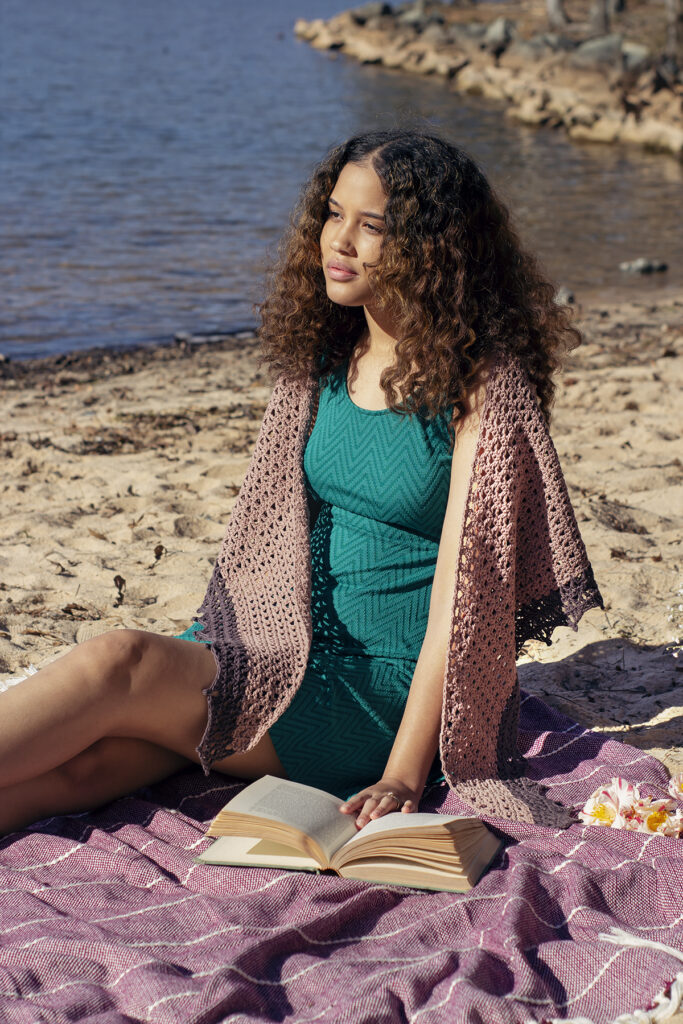
Sandbar was originally part of e-book Lakeside Retreat, a collection of knit and crochet designs in our Fibra Natura line of luxury natural yarns. We’re singling it out for release today because it’s uniquely appropriate to the season – and because it’s just so pretty!
Amy Gunderson had beautiful mornings by the beach in mind when she designed Sandbar. It’s the perfect piece to protect you from breezes coming off the water.
DK weight organic Cottonwood feels great against the skin. It’s a pleasant cotton to work with too.
You’ll start Sandbar from the center of that circular motif, then square it off. The wings are crocheted outward from two sides of the square, and then the border is added to the lower edge.
It’s a sumptuous and satisfying design in a luxurious yarn. We’re delighted to set Sandbar free.
After adorable Easter Earl earlier this week, we’re moving to something classic and refined.
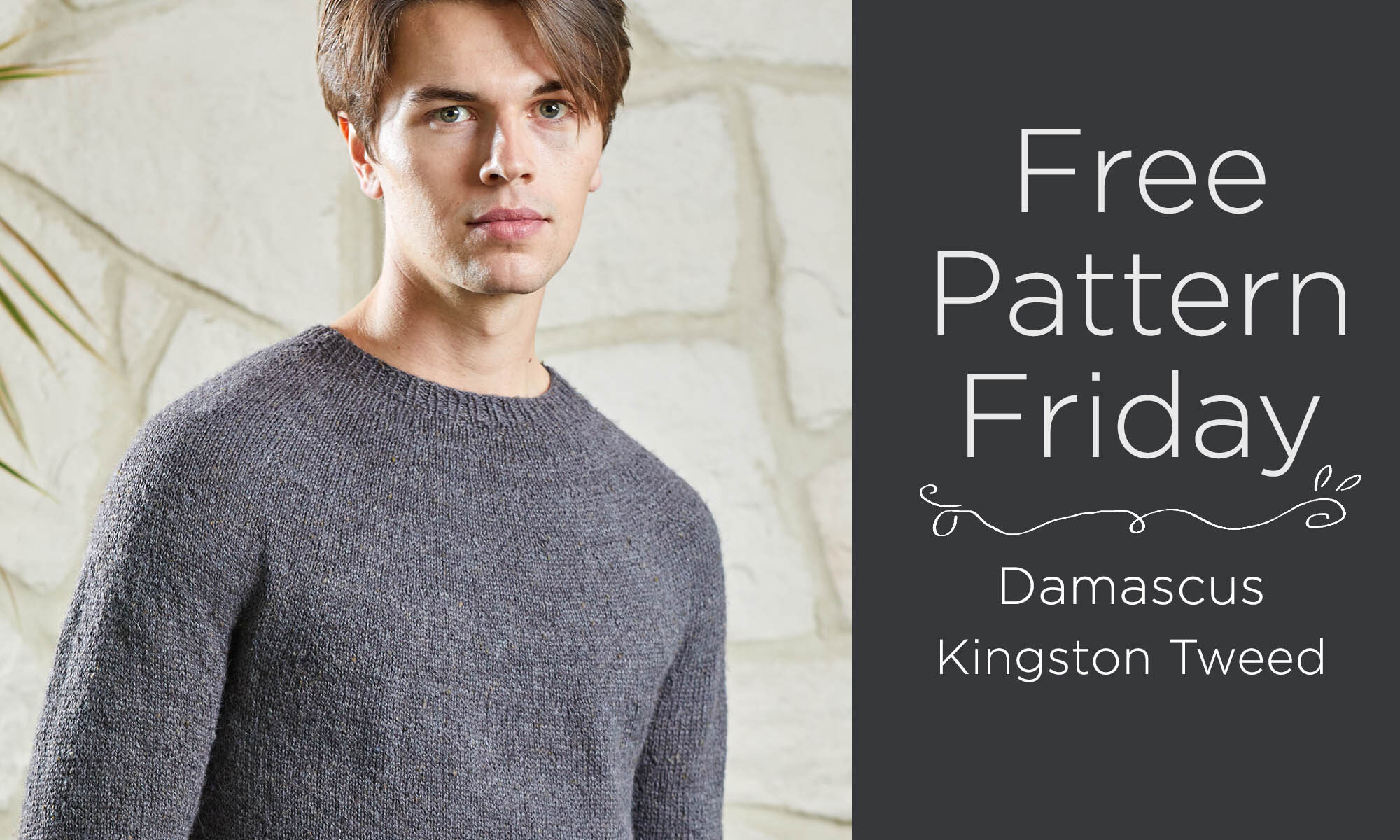
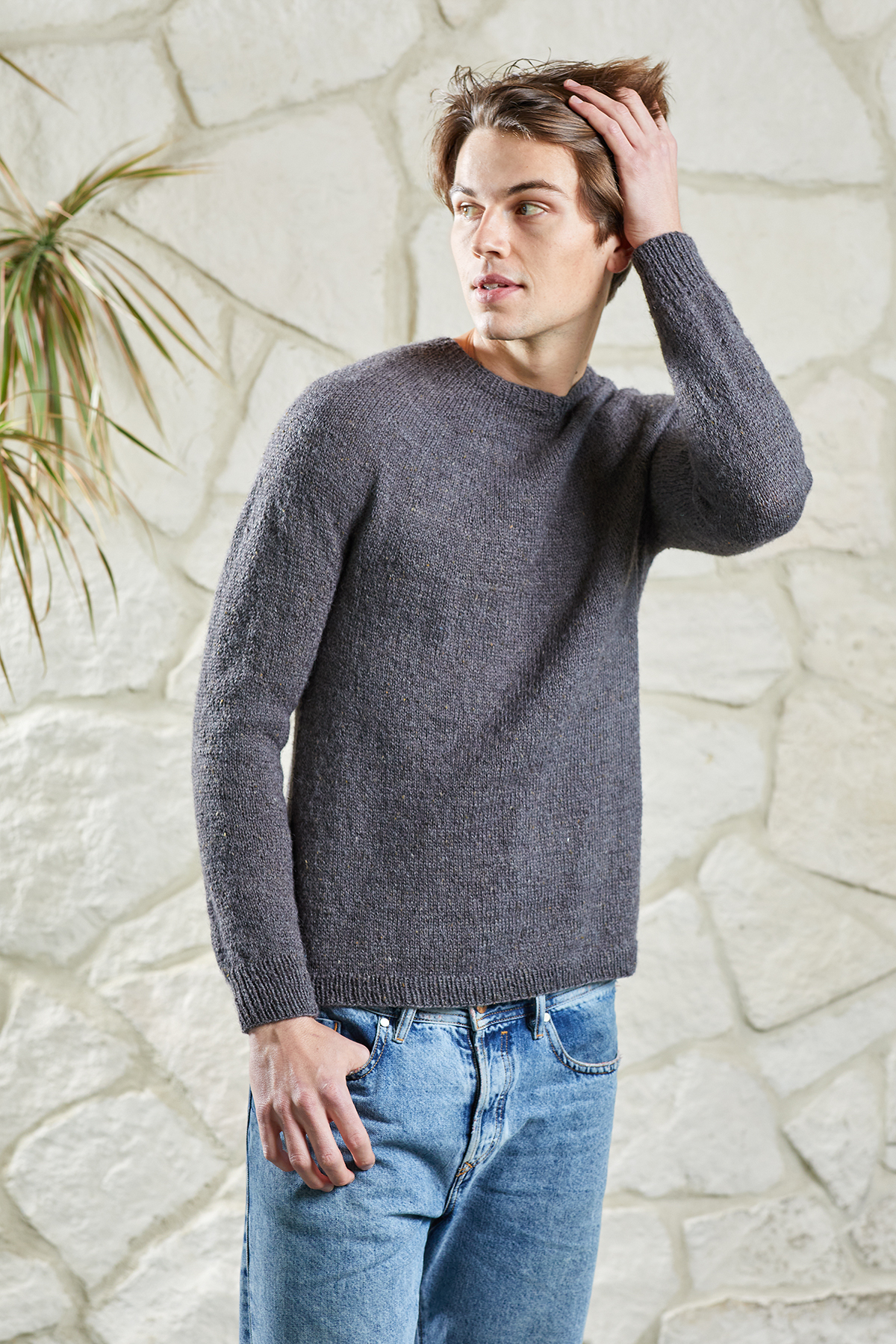
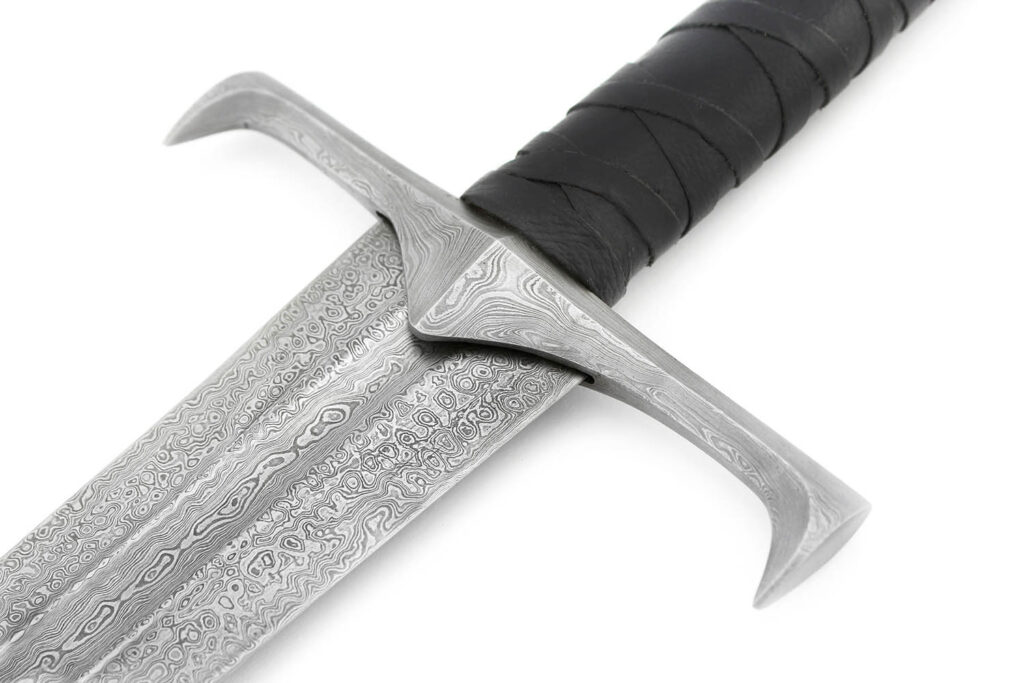
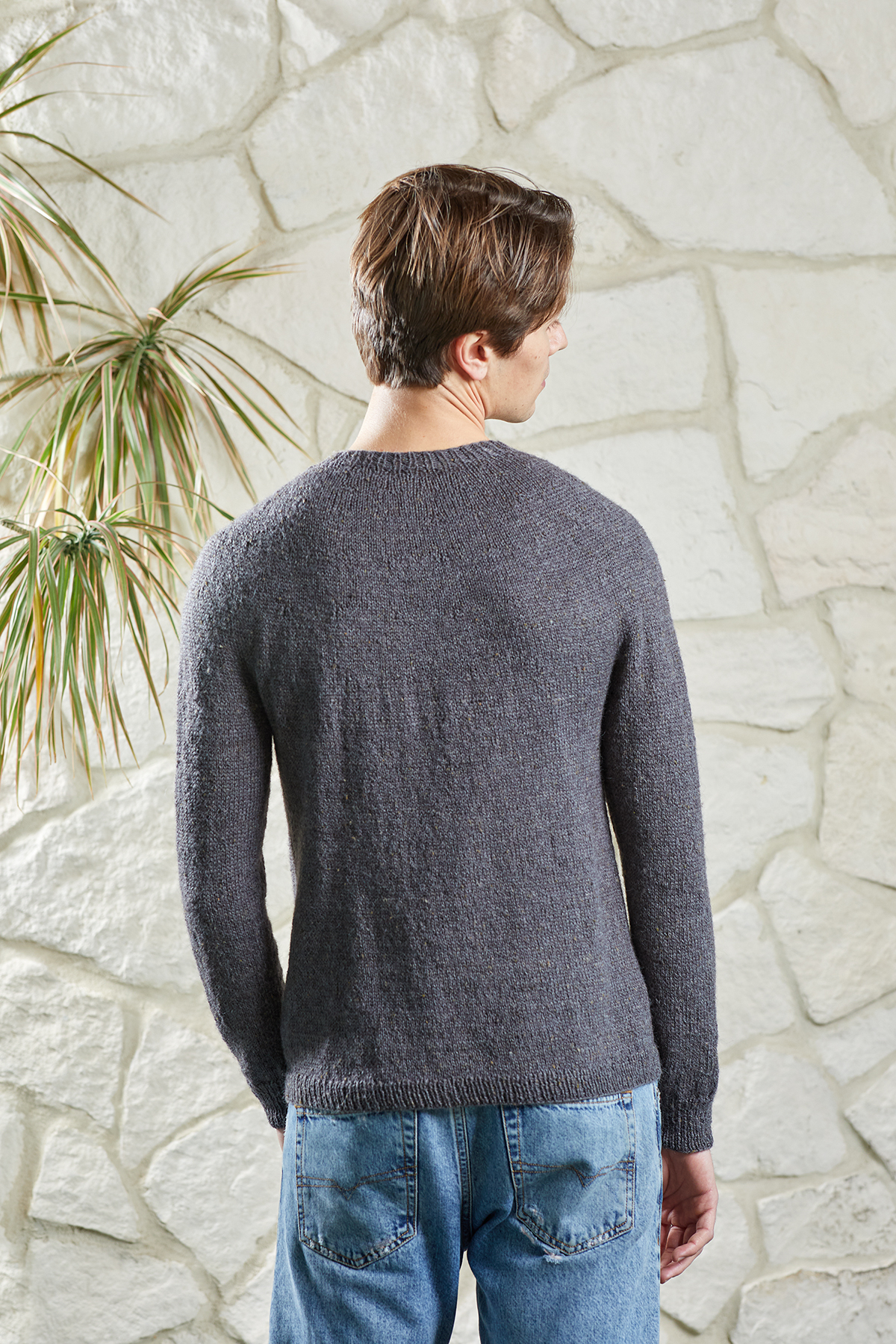
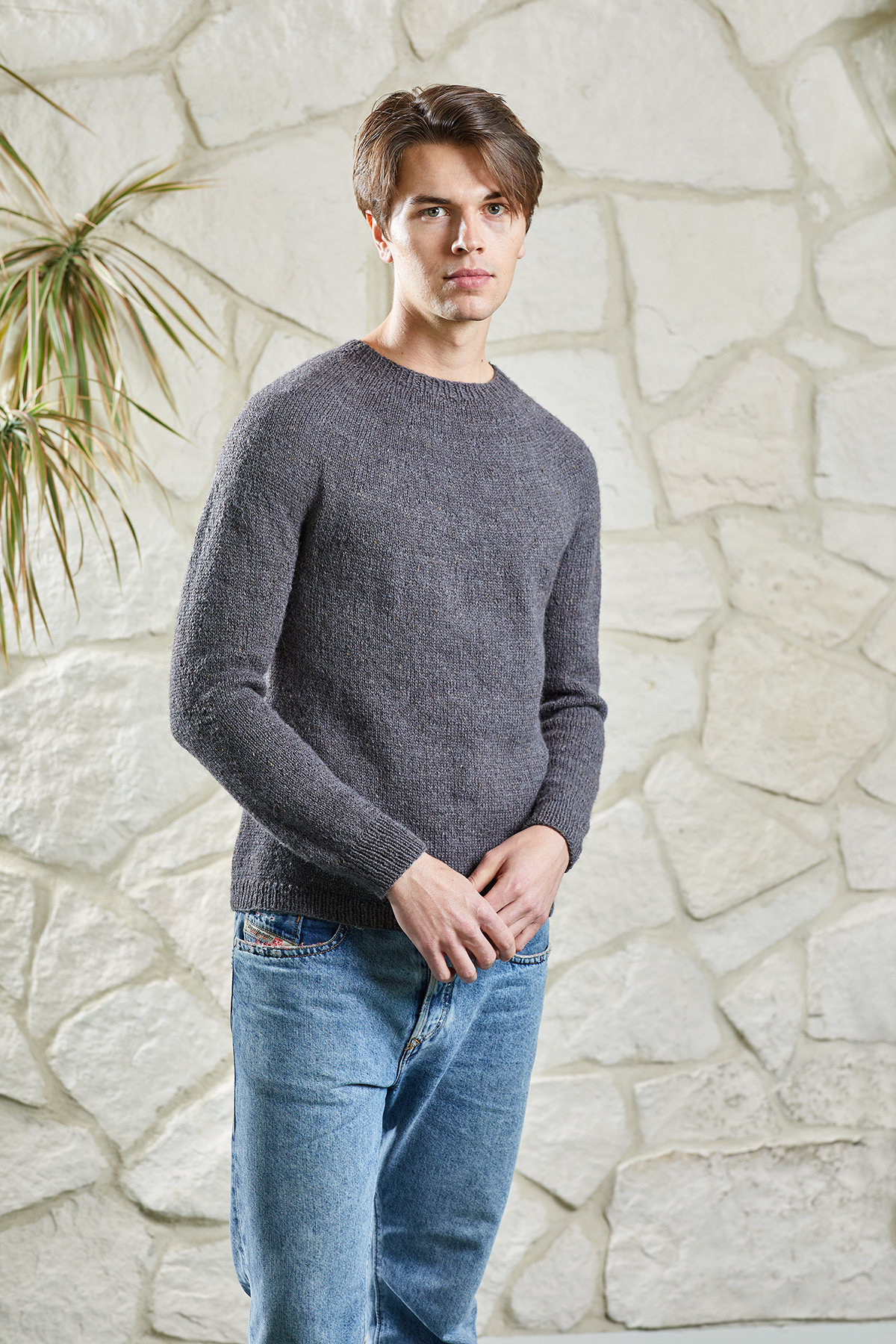
Damascus is named after the ancient metalworking technique that created the strong and beautiful patterned designs known as Damascus steel.
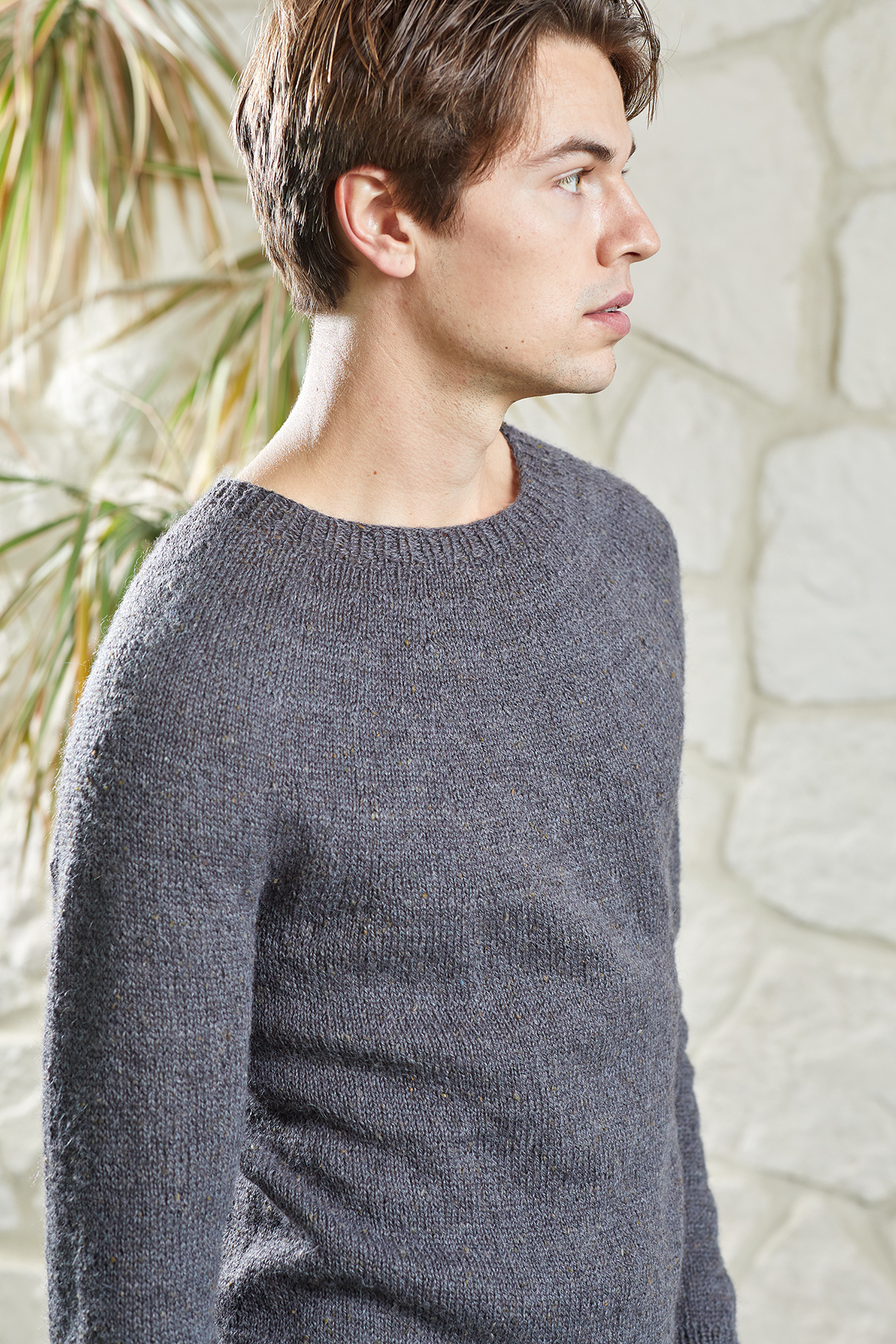
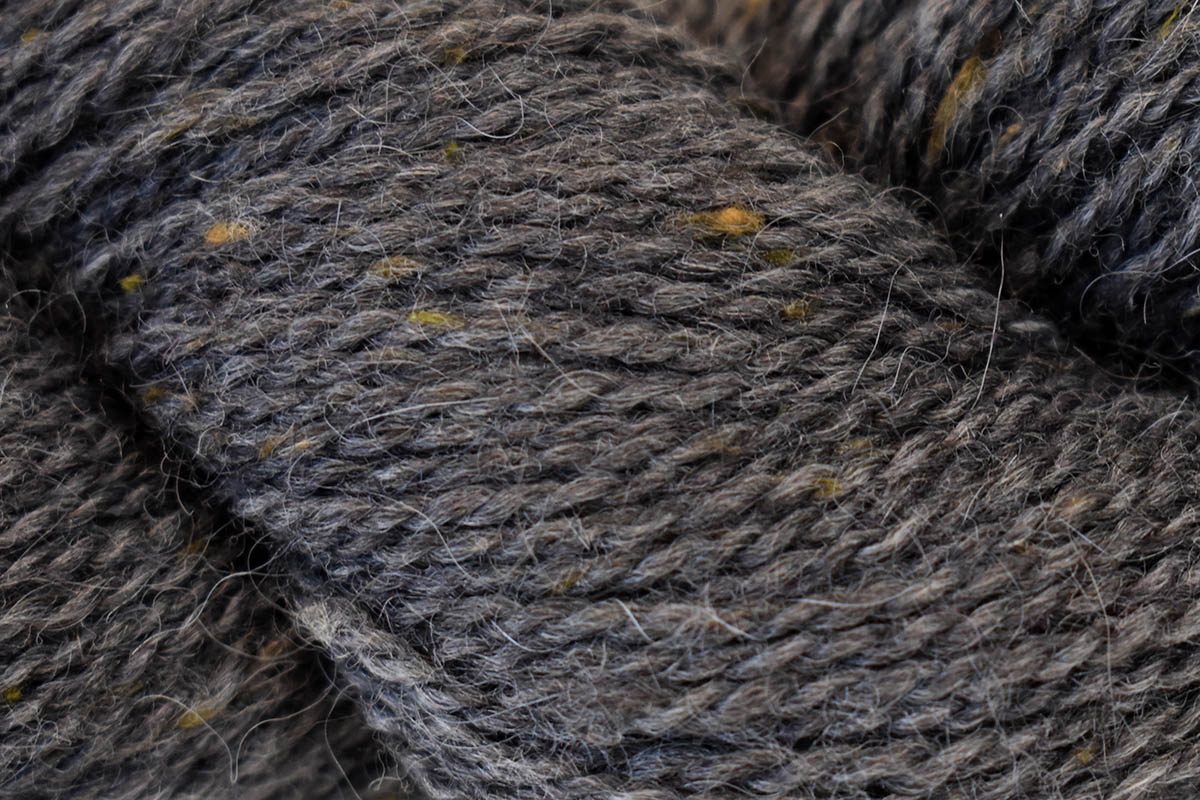
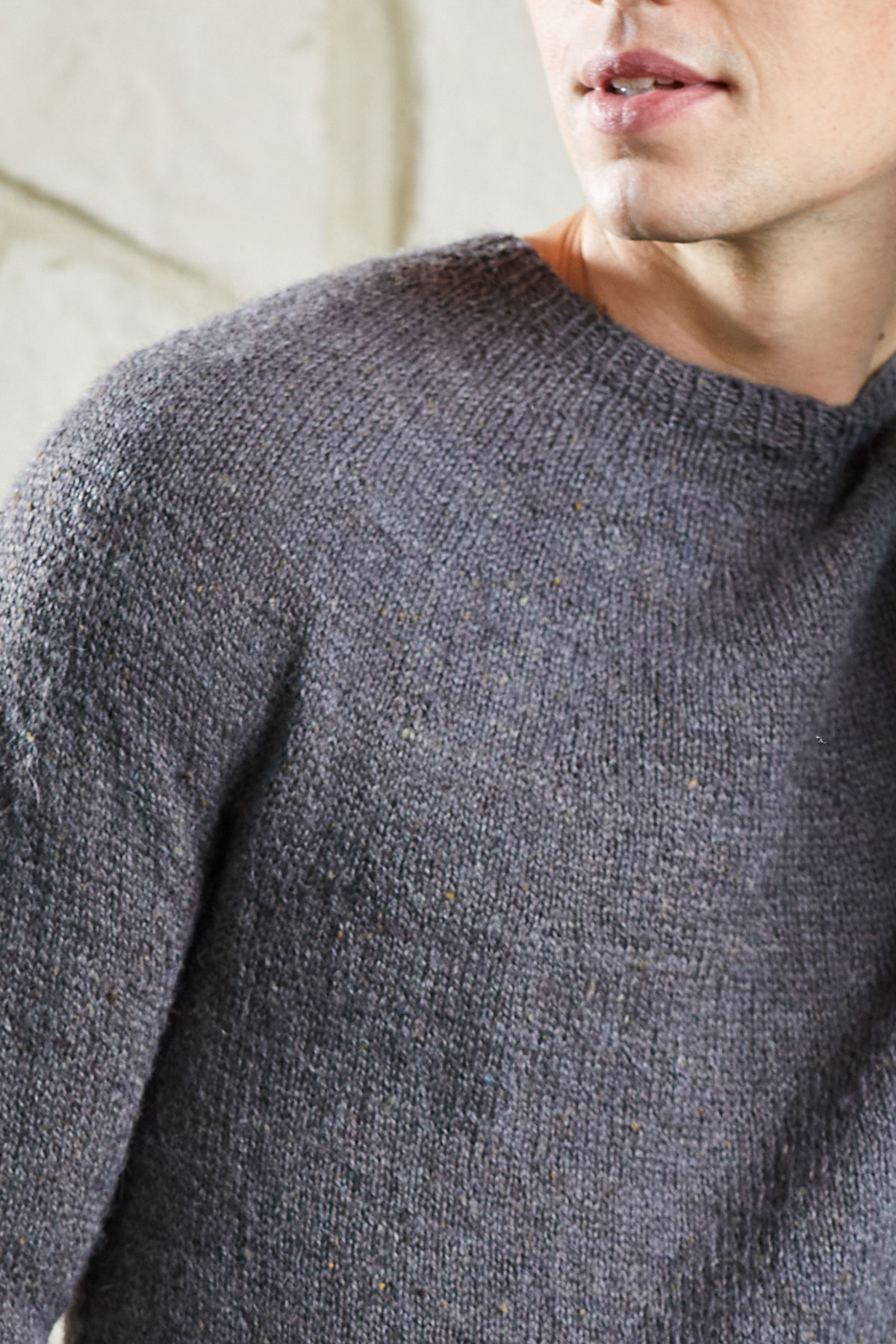
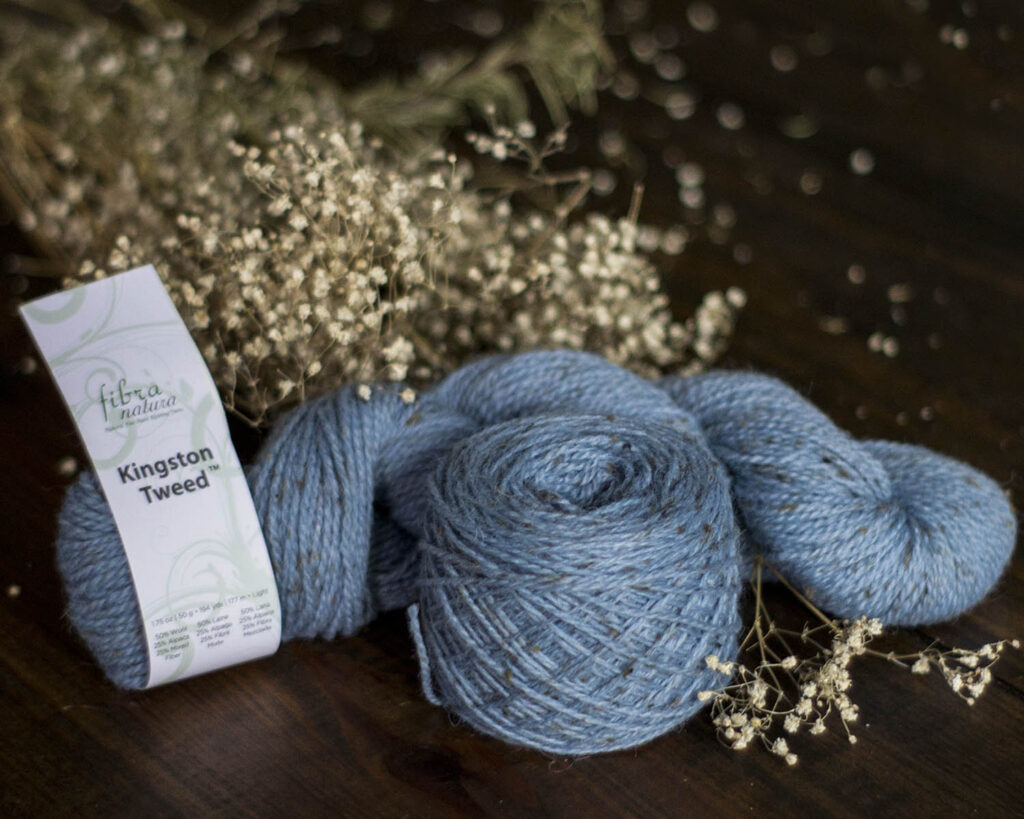
It’s an apt name. At first glance, this unisex pullover might appear plain, but look closer – Kingston Tweed’s blend of wool, alpaca, and viscose gives it extra interest and a lightly tweedy, almost heathered feel.
The sweater pictured is knitted in color 112 Basalt, one of a selection of sophisticated tones in Kingston Tweed.
Knitted on US6 (4mm) needles, Damascus is a lightweight three-season sweater that works well on its own or as a layering piece.
Work this design seamlessly in the round from the top-down. The body and sleeves are separated at the armhole and worked separately.
We’re delighted to present this versatile piece for free.