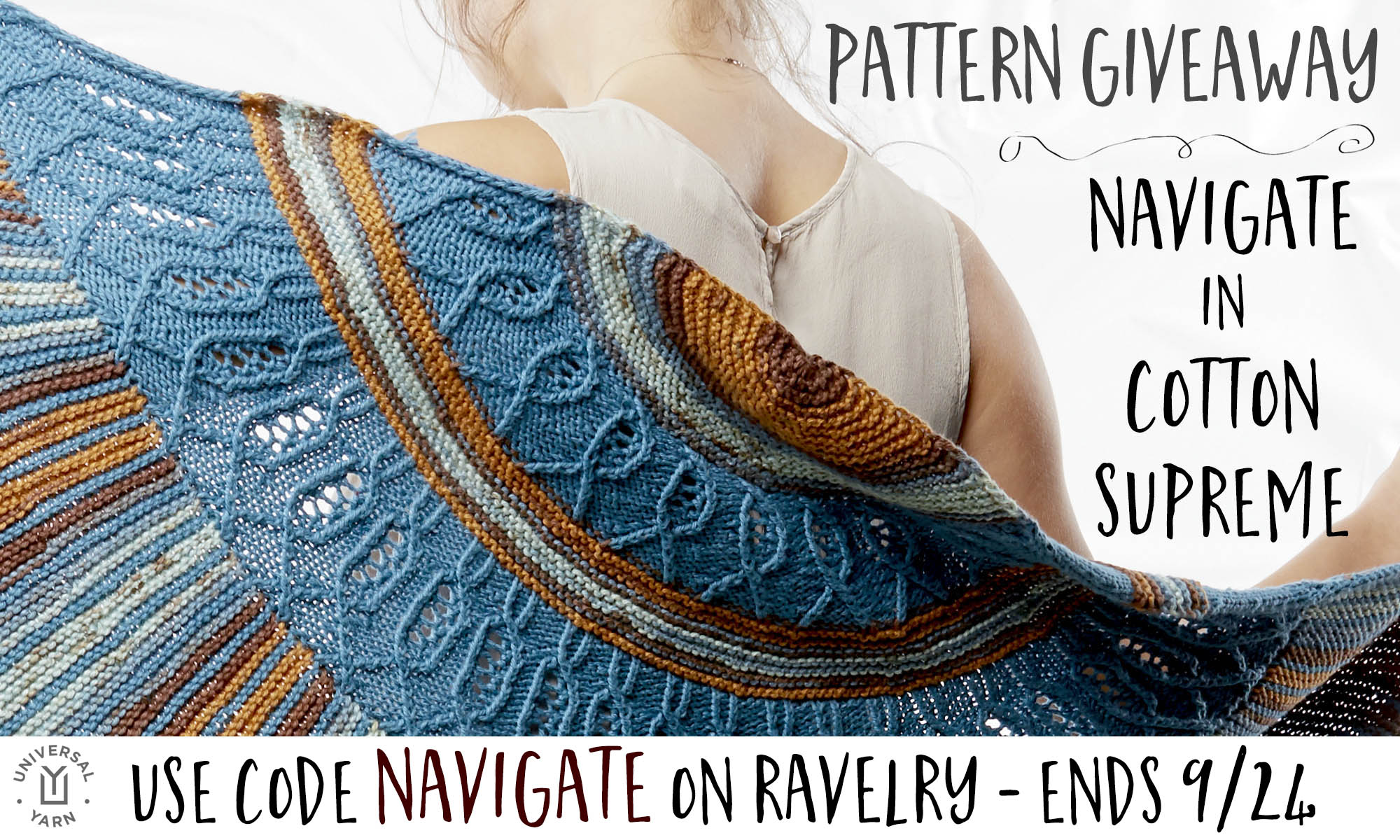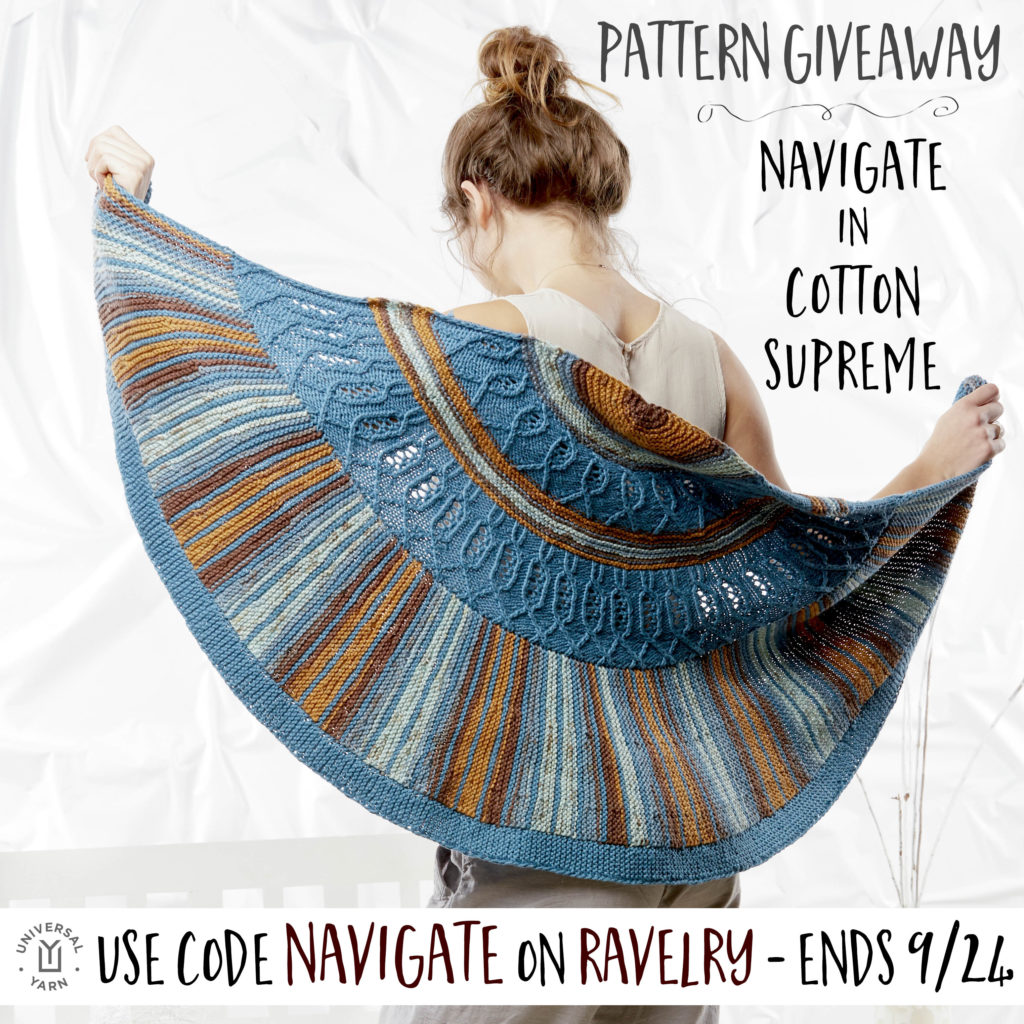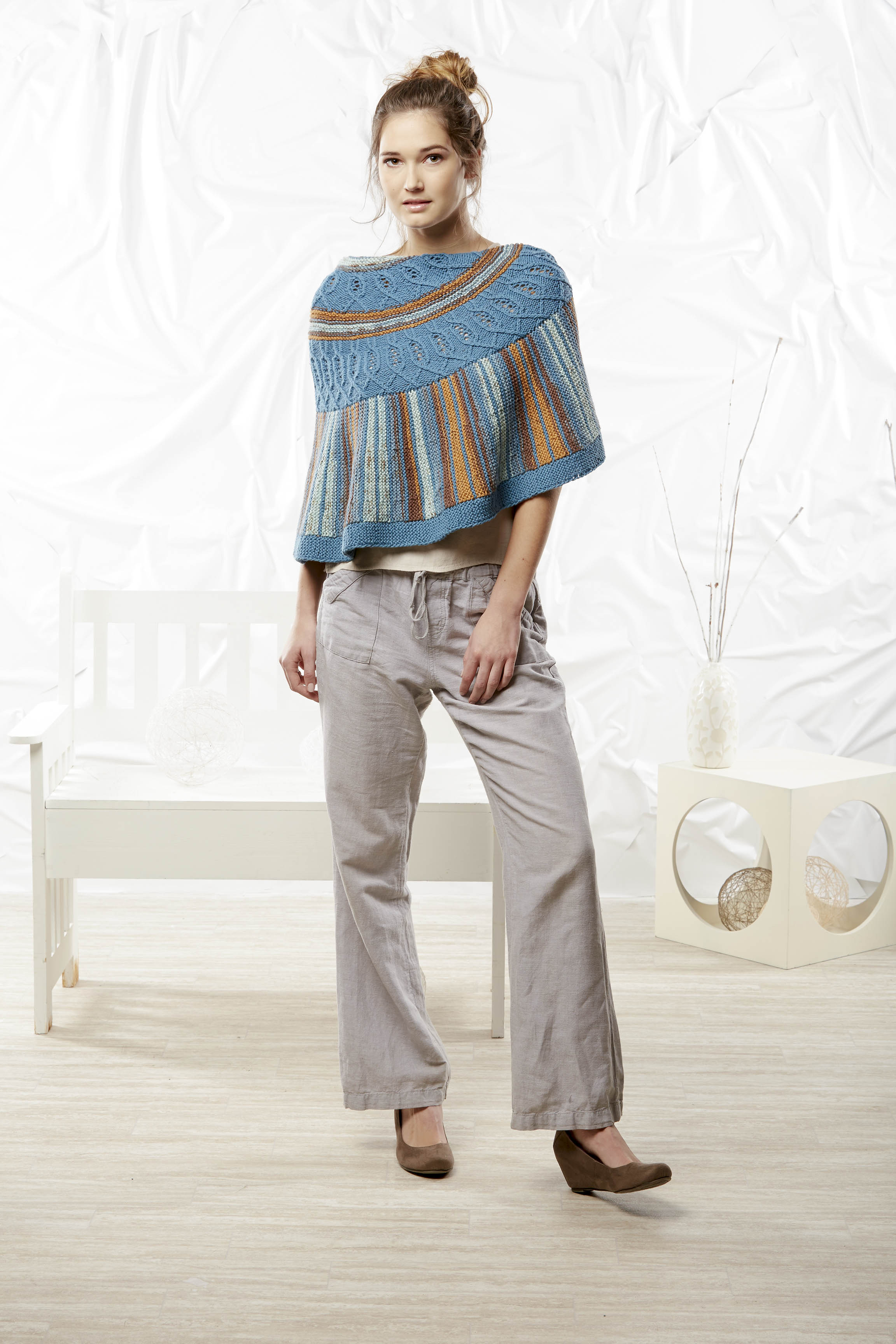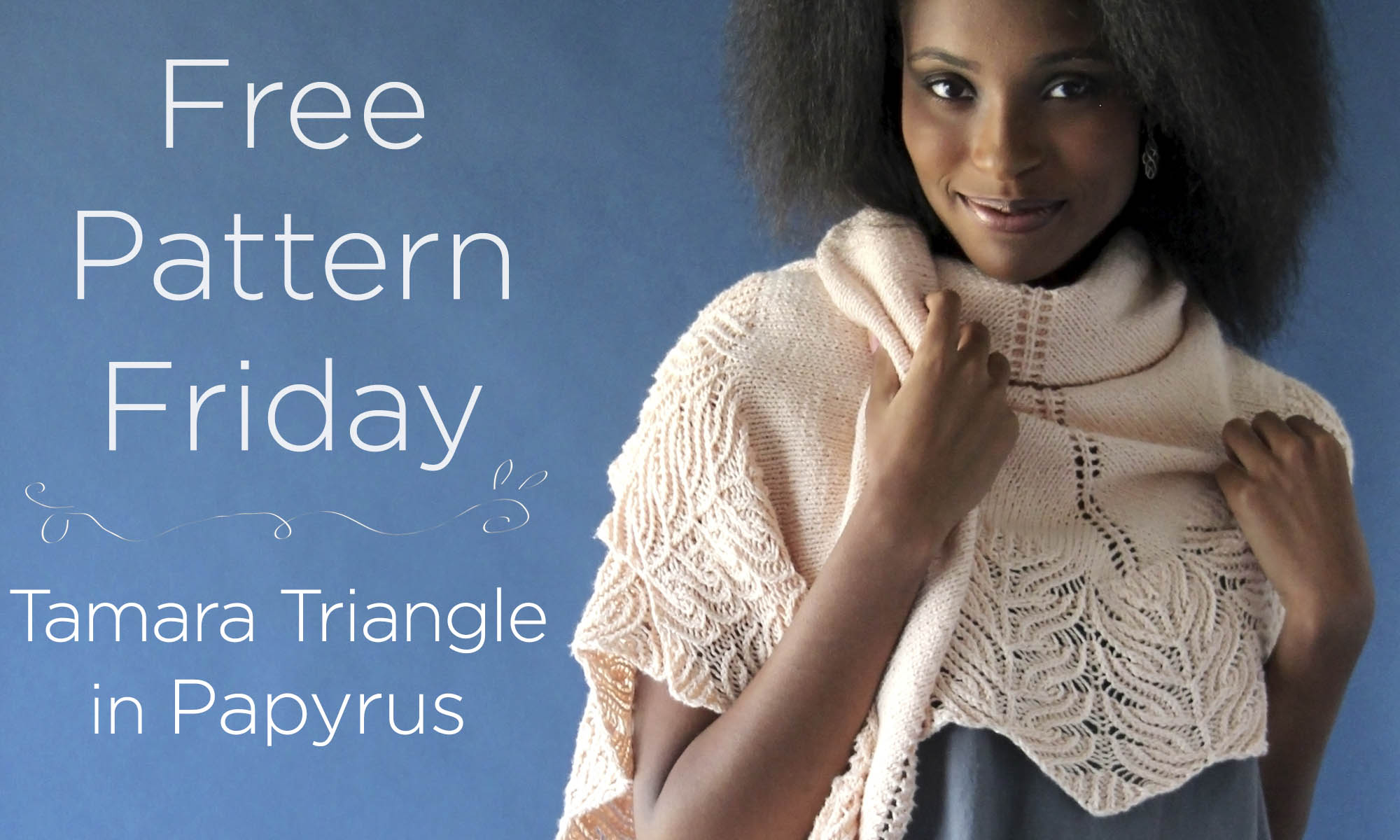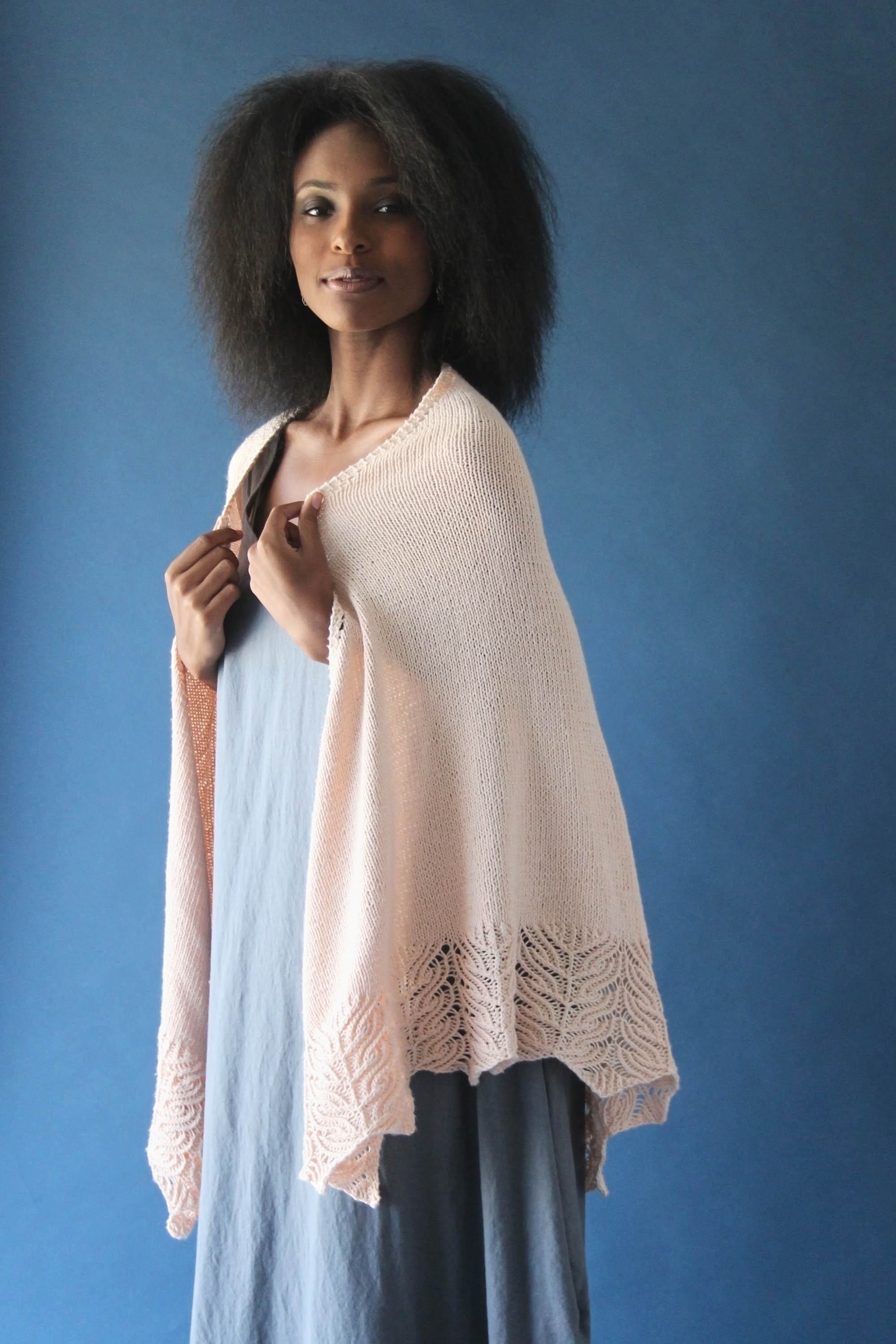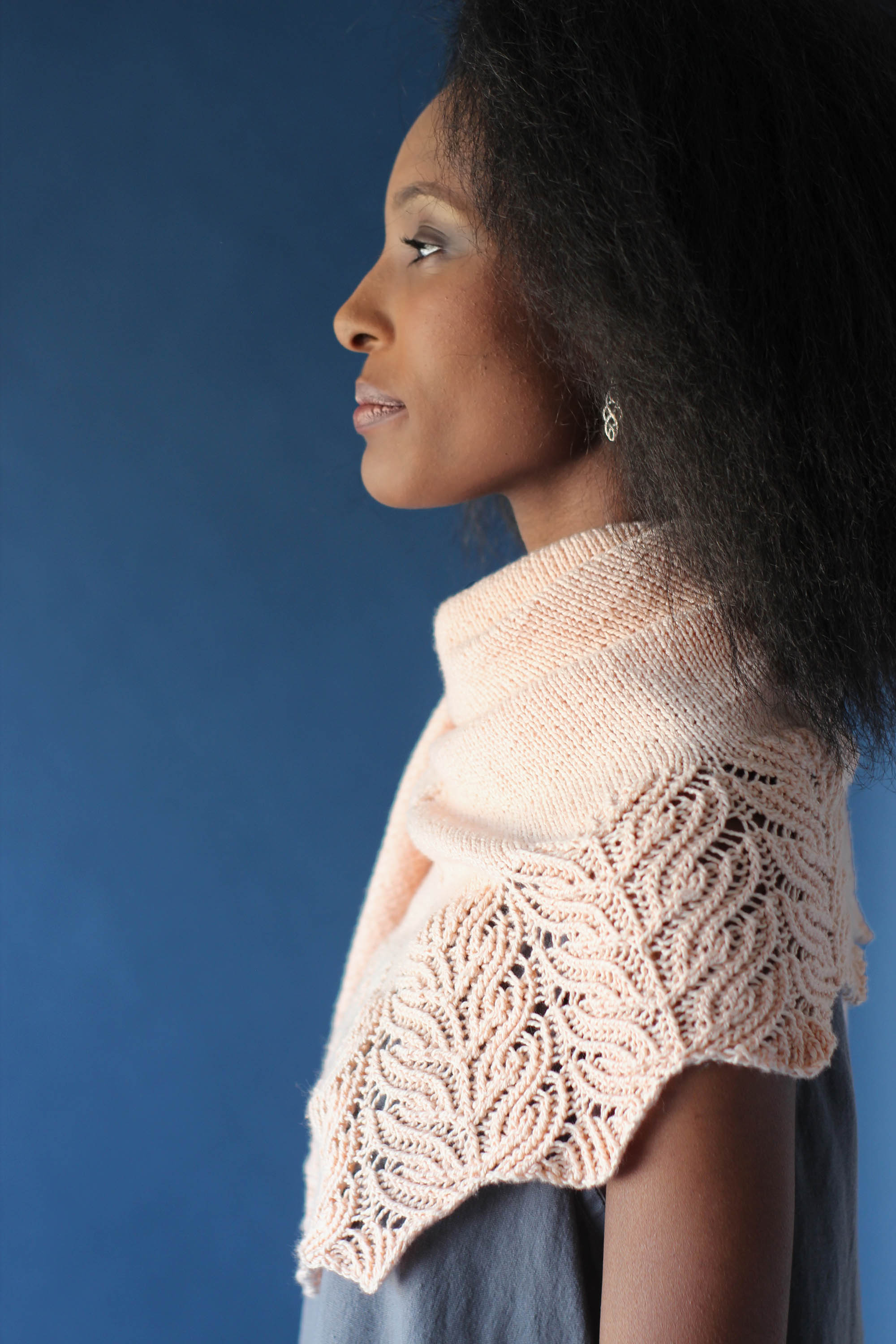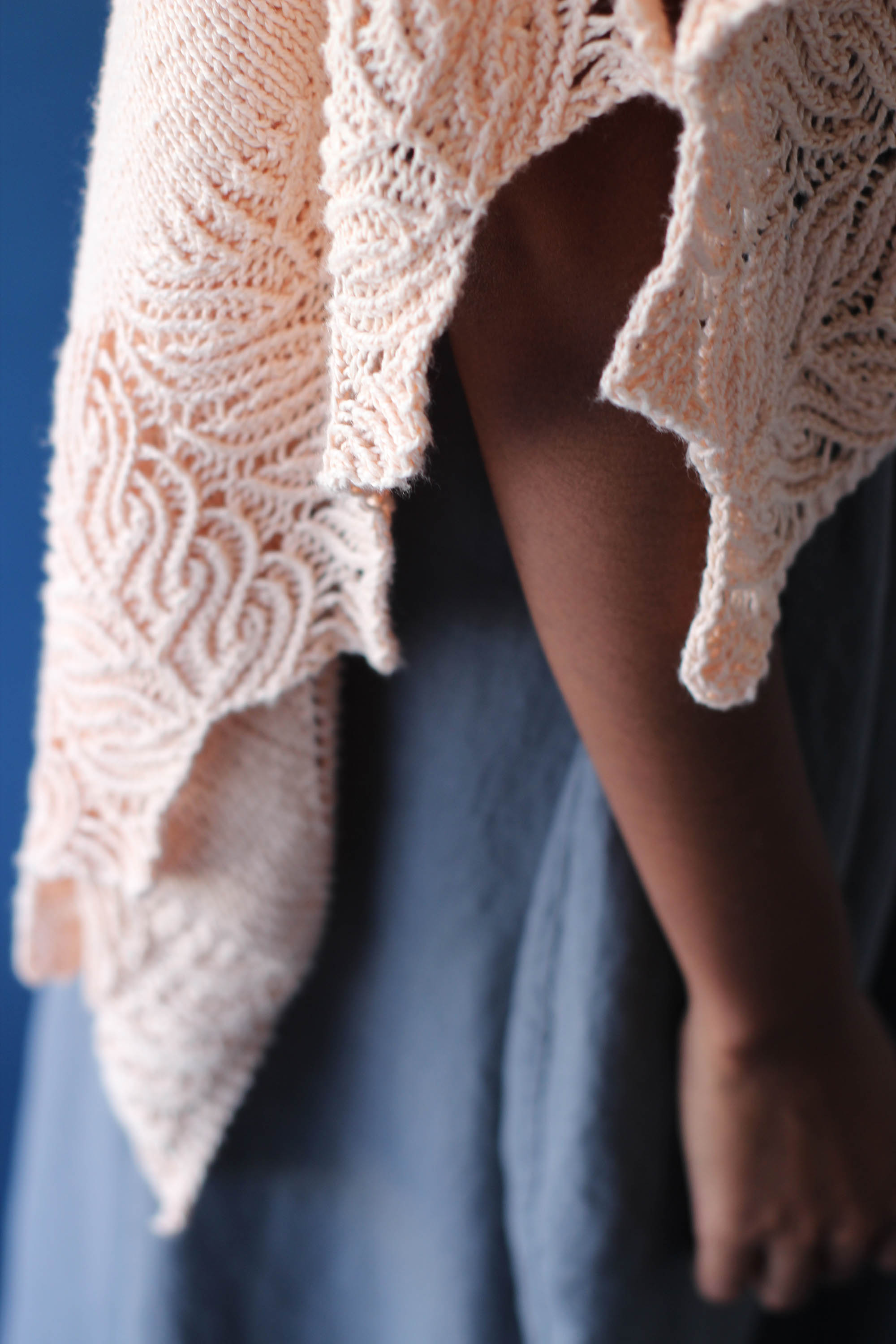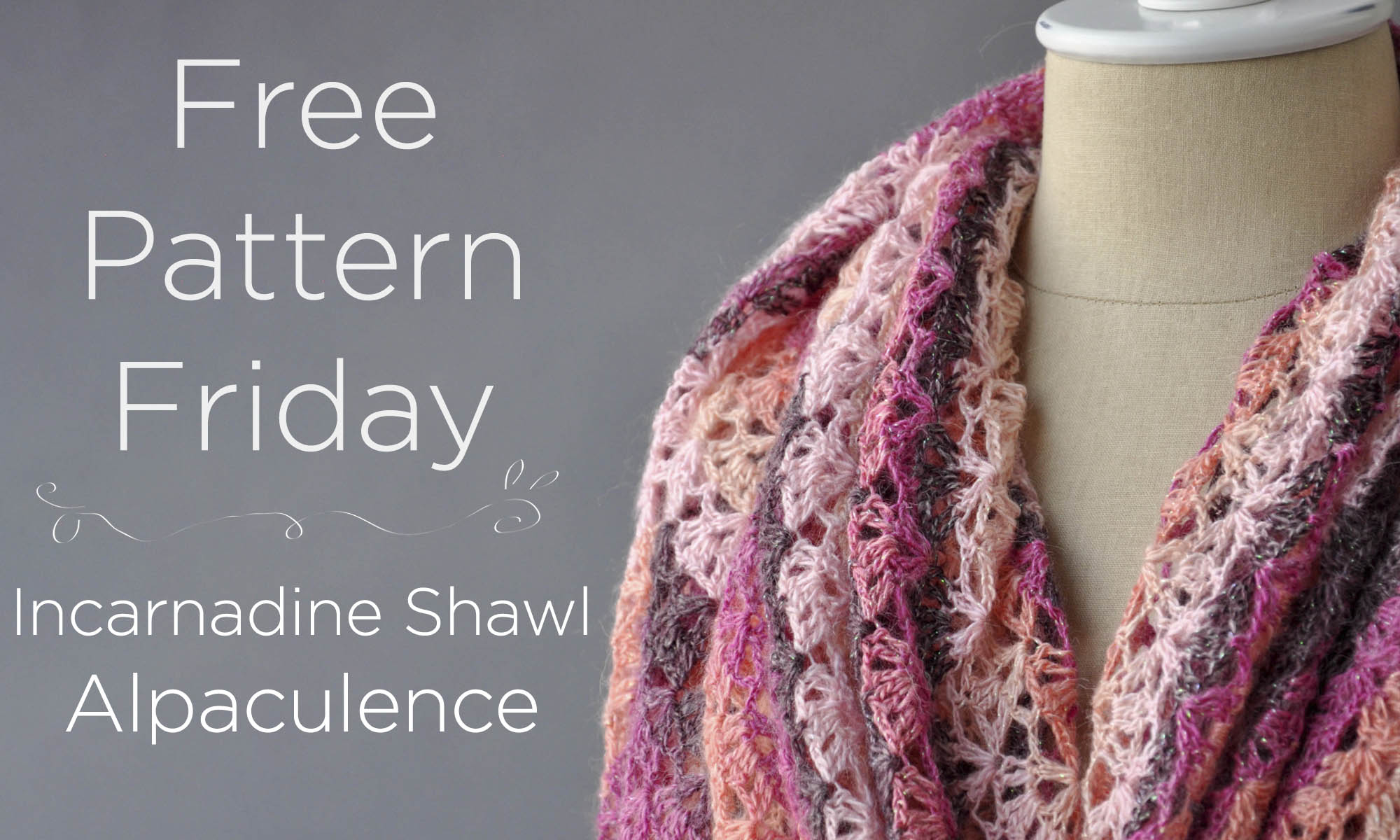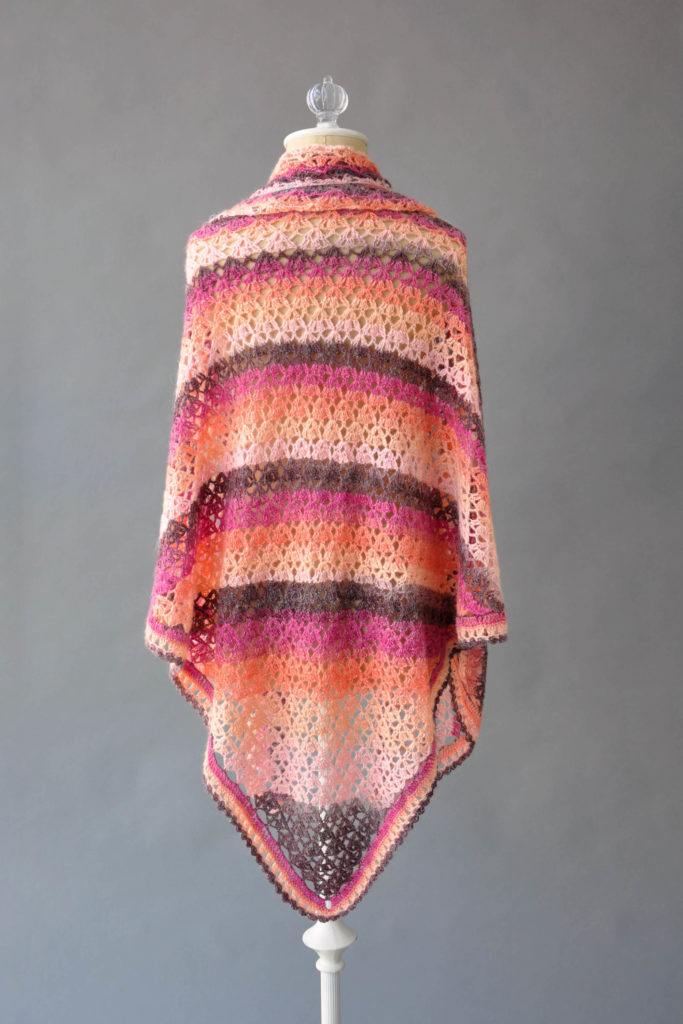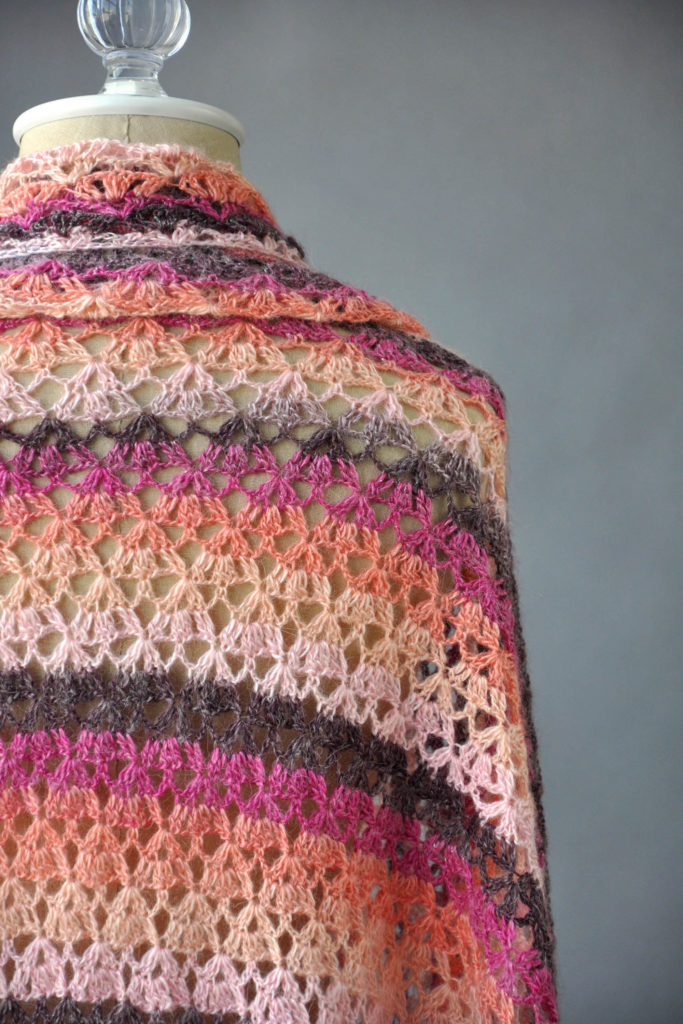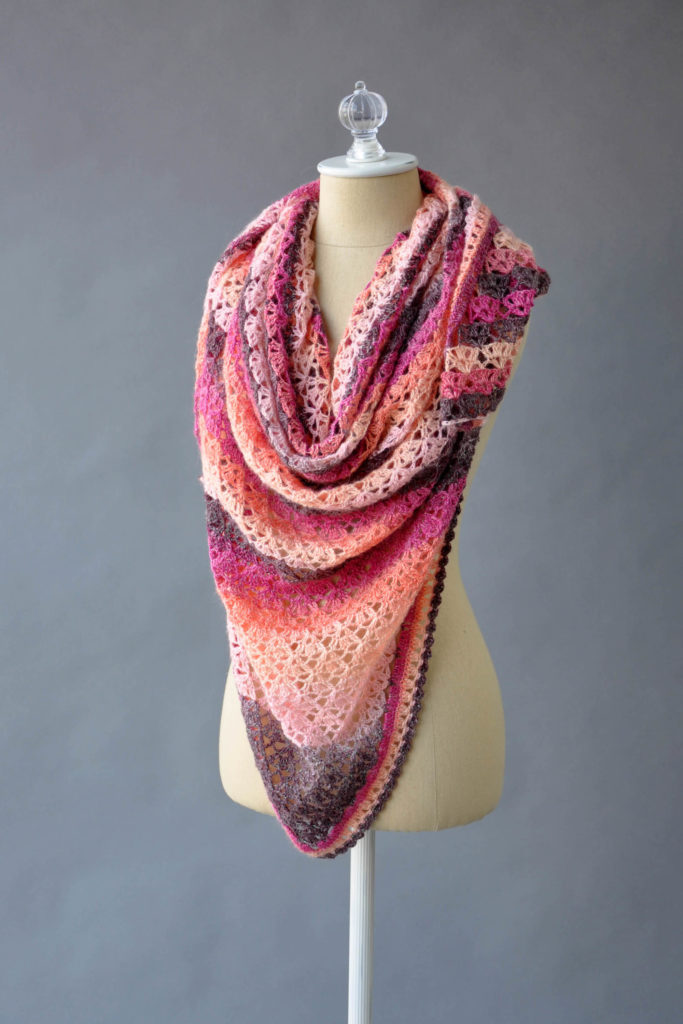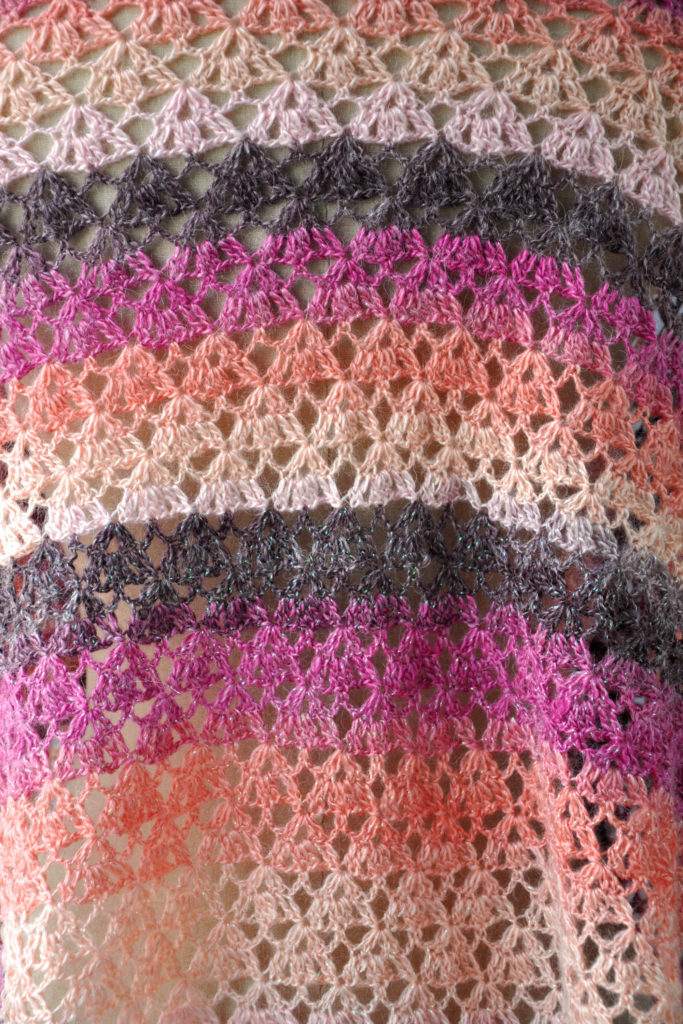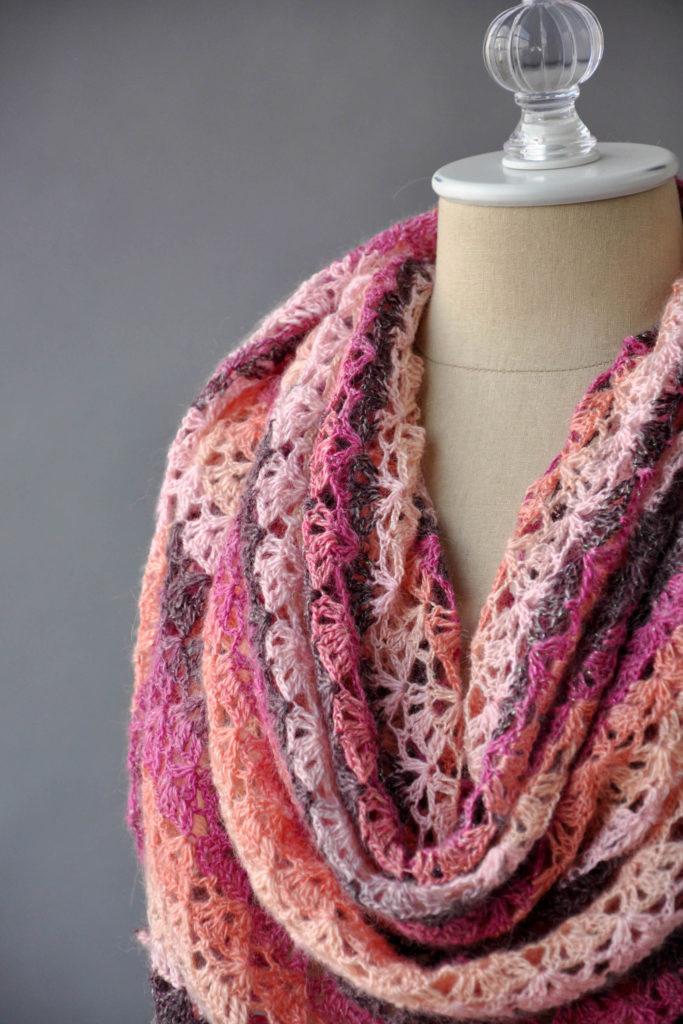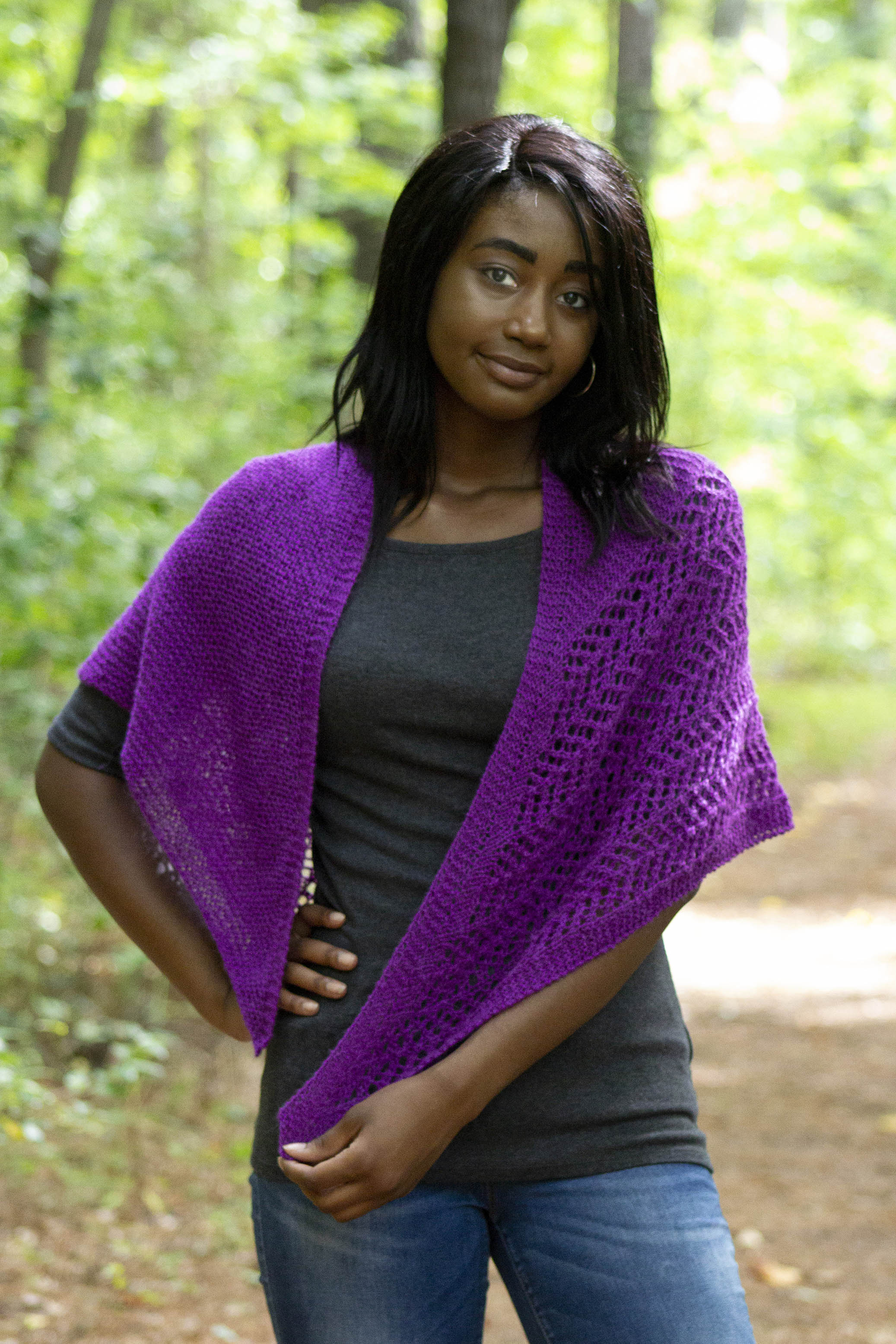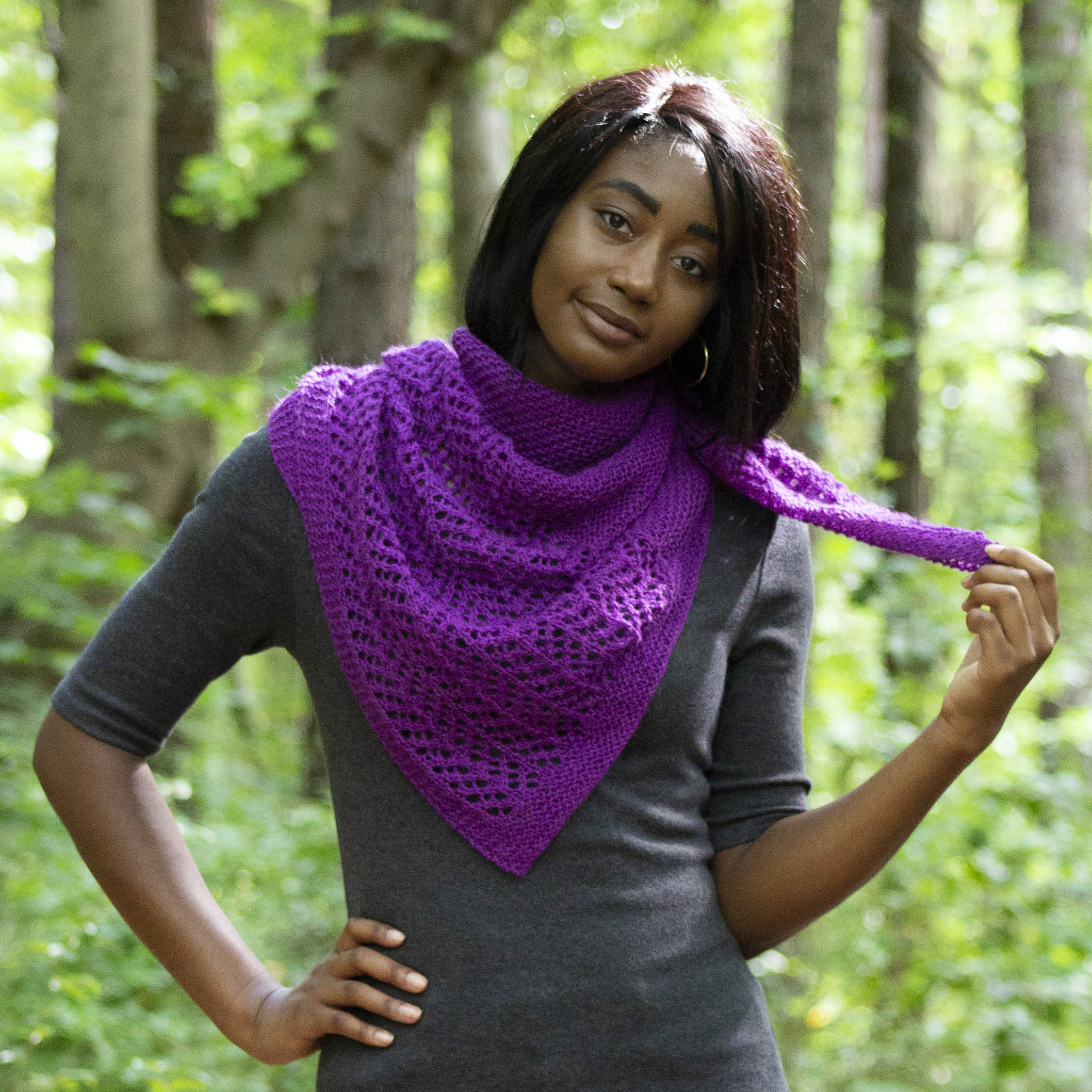
Combine a top-down triangular shell stitch pattern with self-striping yarn, and what do you get?
Gradually widening color repeats in a beautiful shawl.
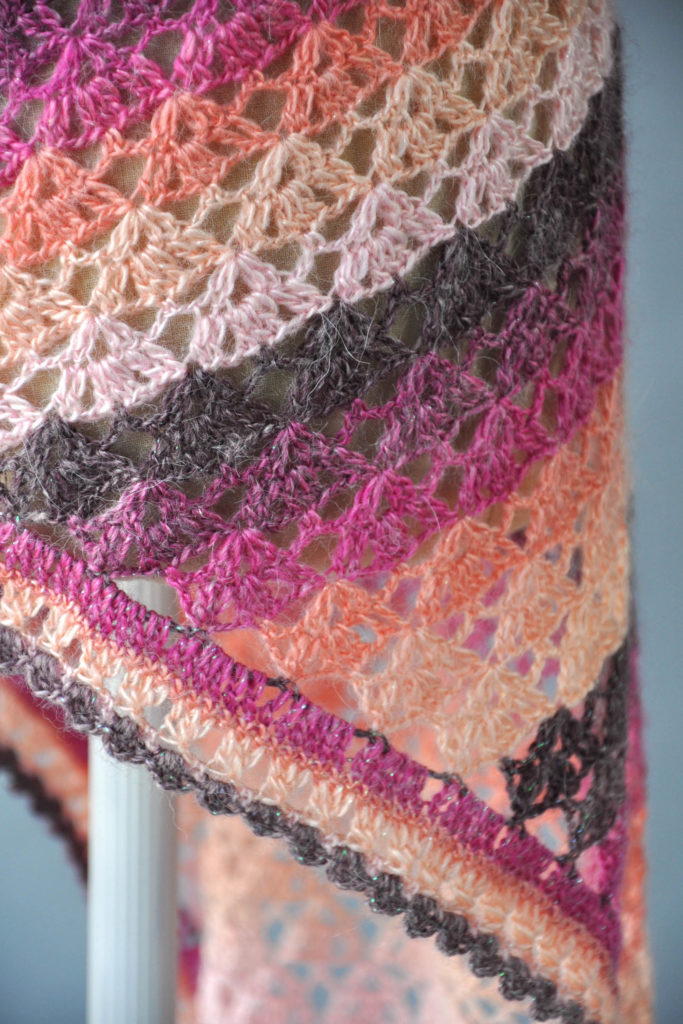
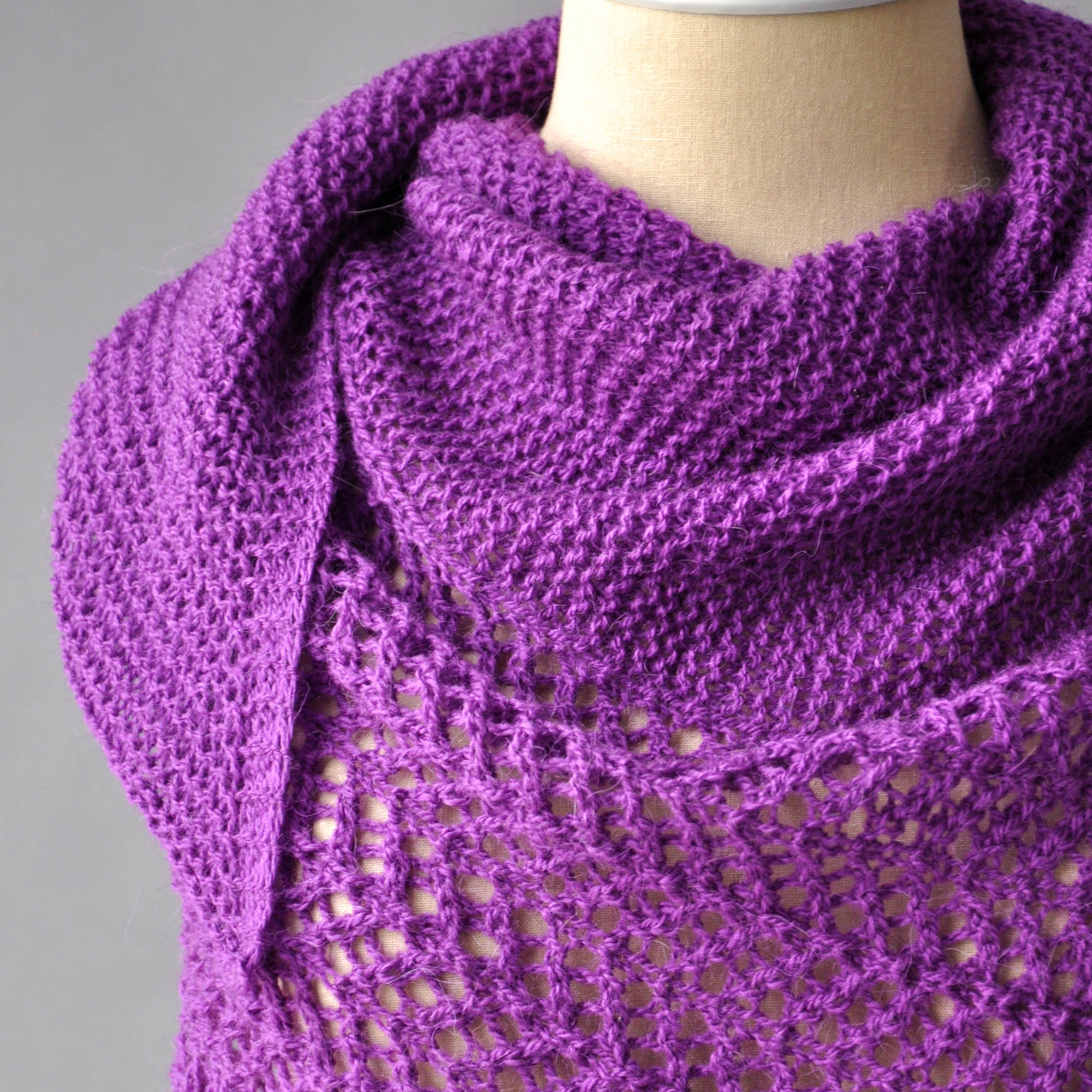
The border is added afterwards, for narrow bands of color in glittering superfine Alpaculence.
You can easily adjust the size of this shawl, taking care to ensure you’re starting from a multiple of 8 plus 2 chain stitches. The pattern is both written and charted, for your convenience.
We hope you have a wonderful weekend full of beauty.
When we launch a new yarn, as we did this year with Finn, we also publish free patterns made in that yarn so that crafters can have instant inspiration. Halfway Home was one of several published this Spring that never got their day on the blog. Time to fix that!
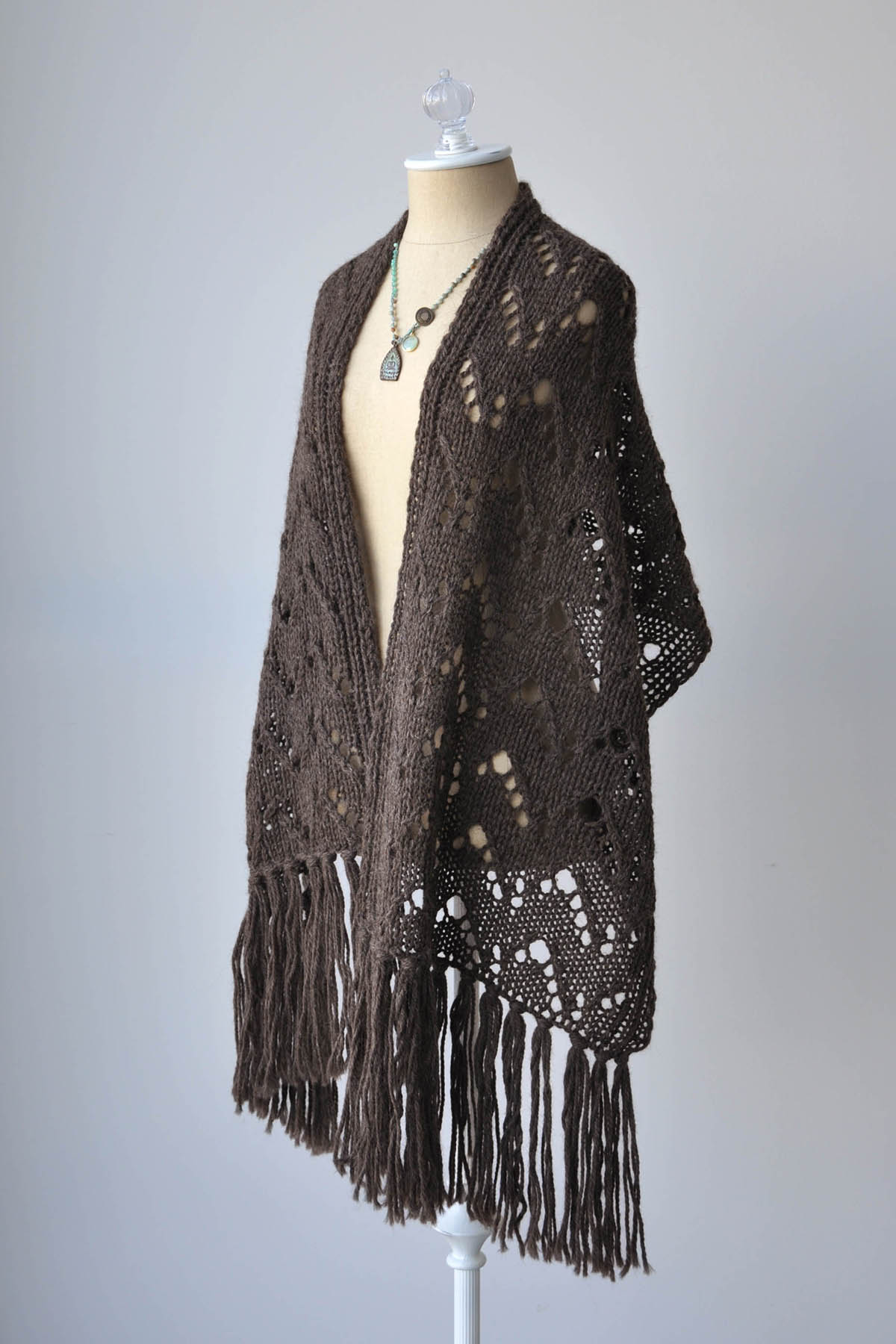
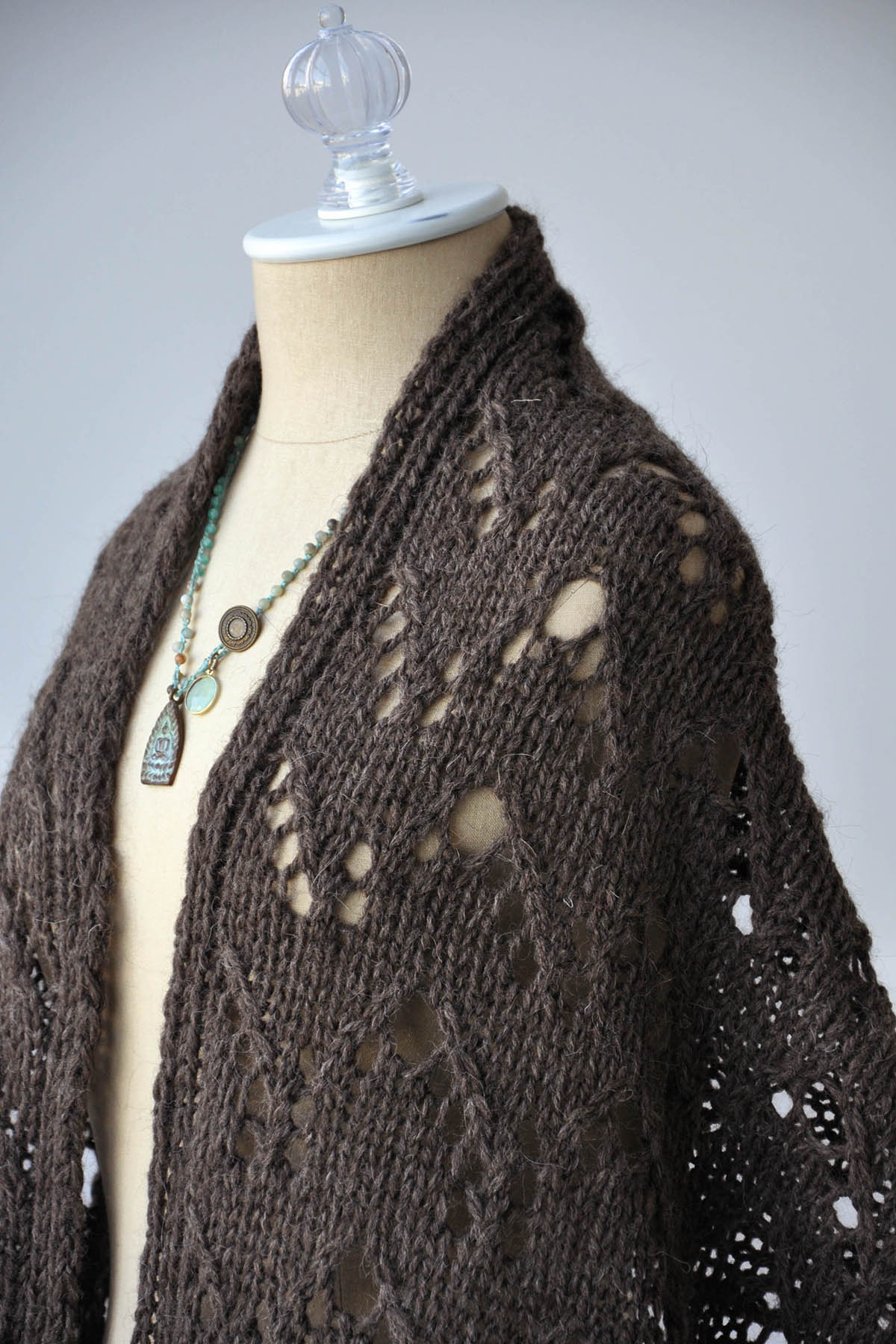
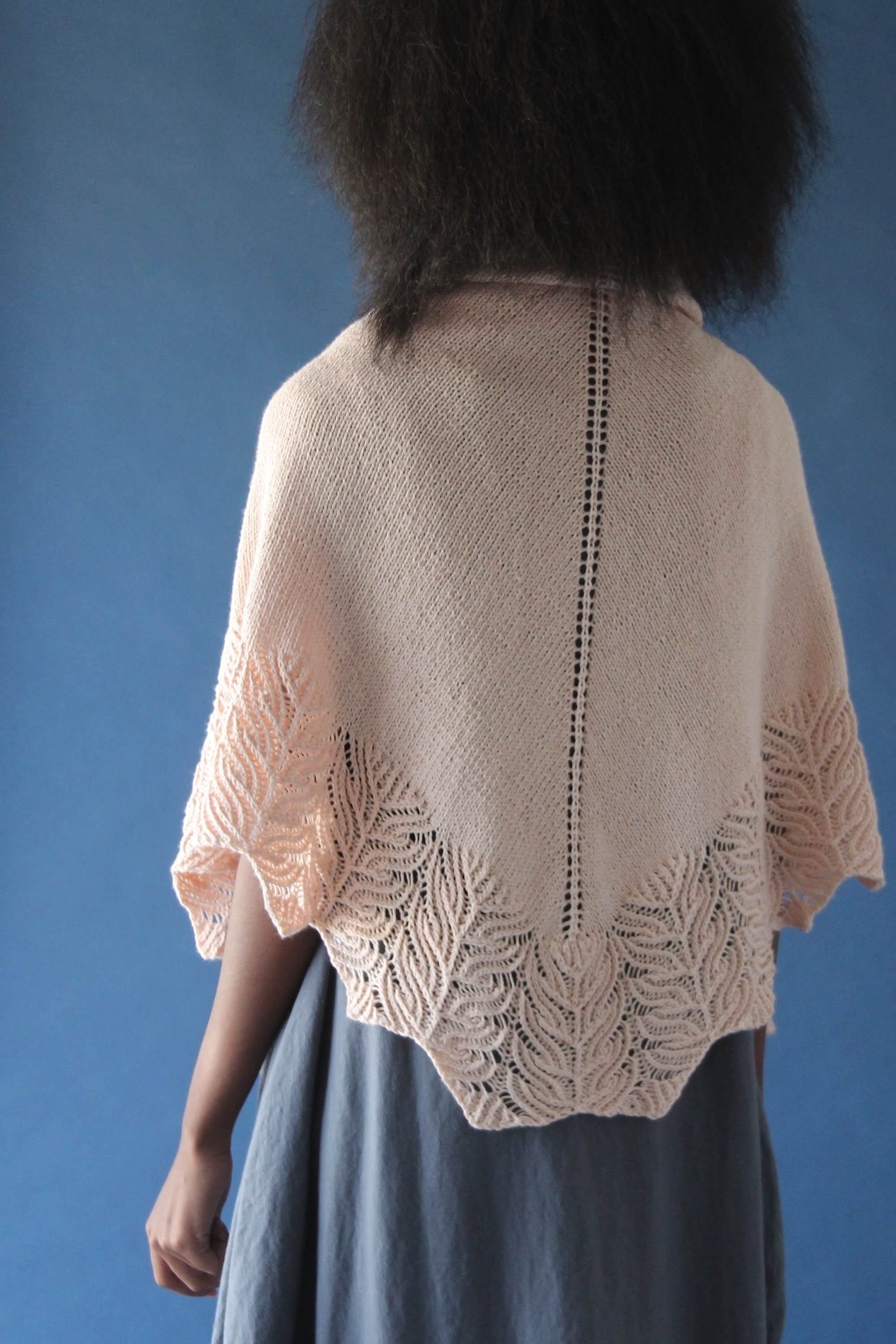
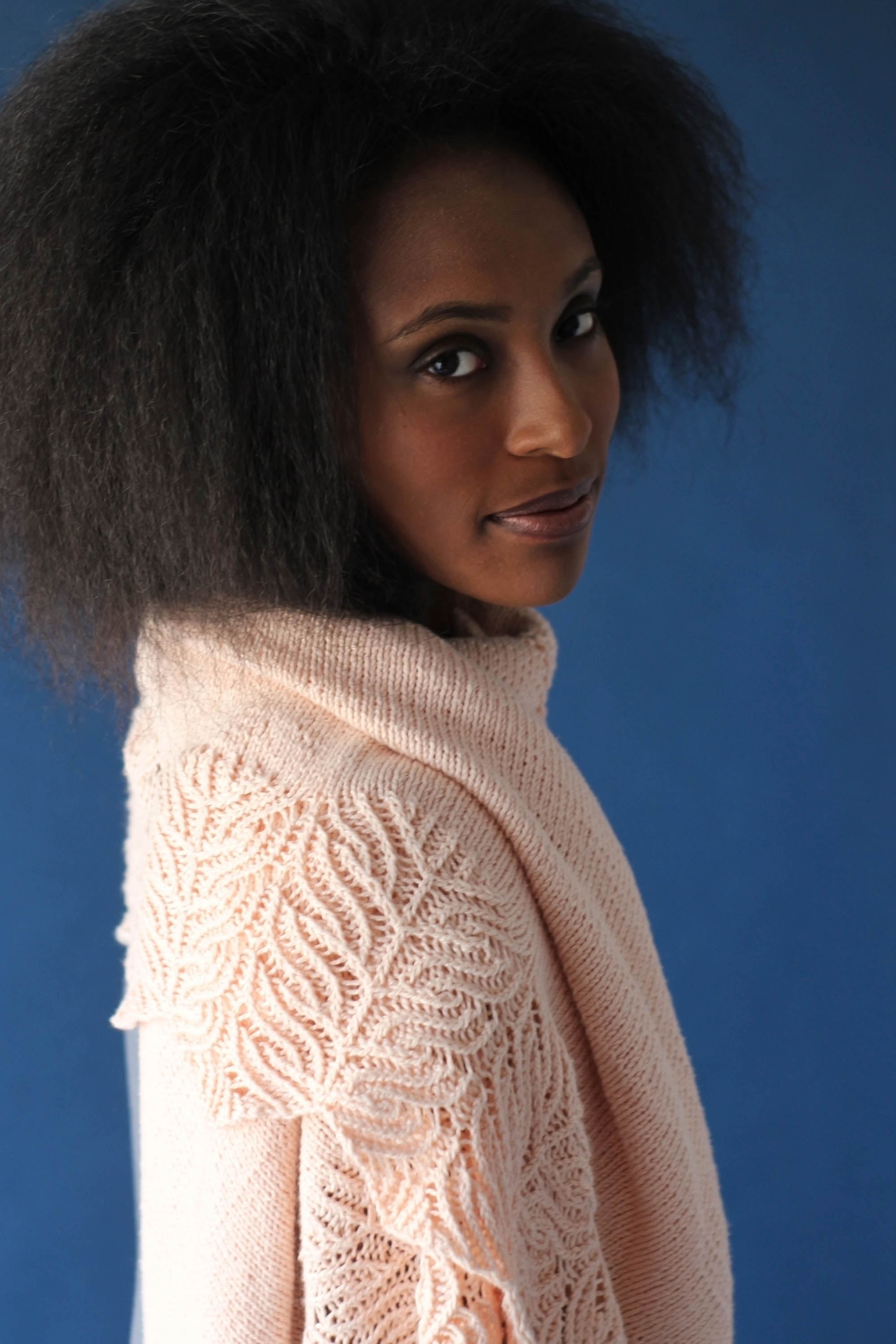
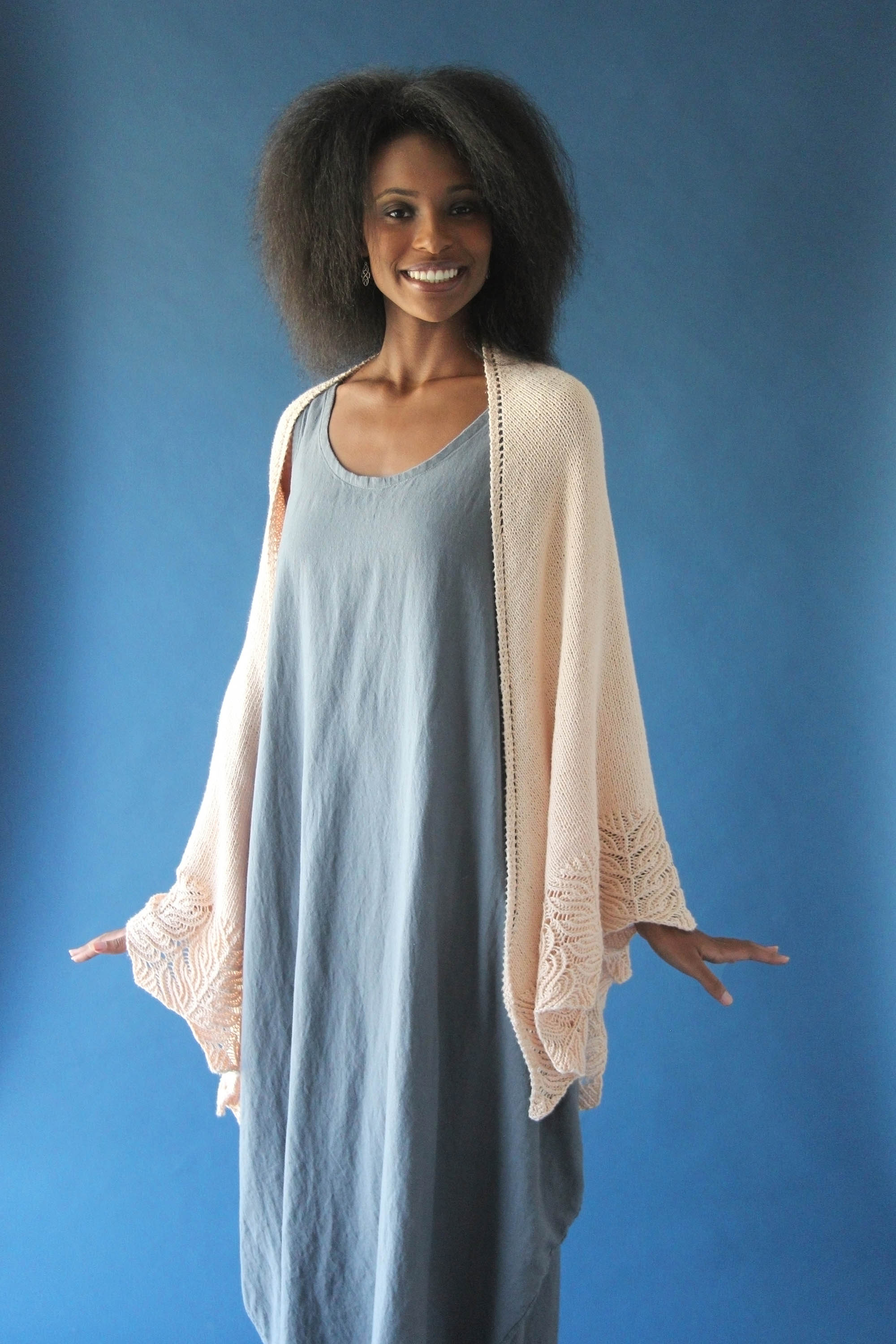
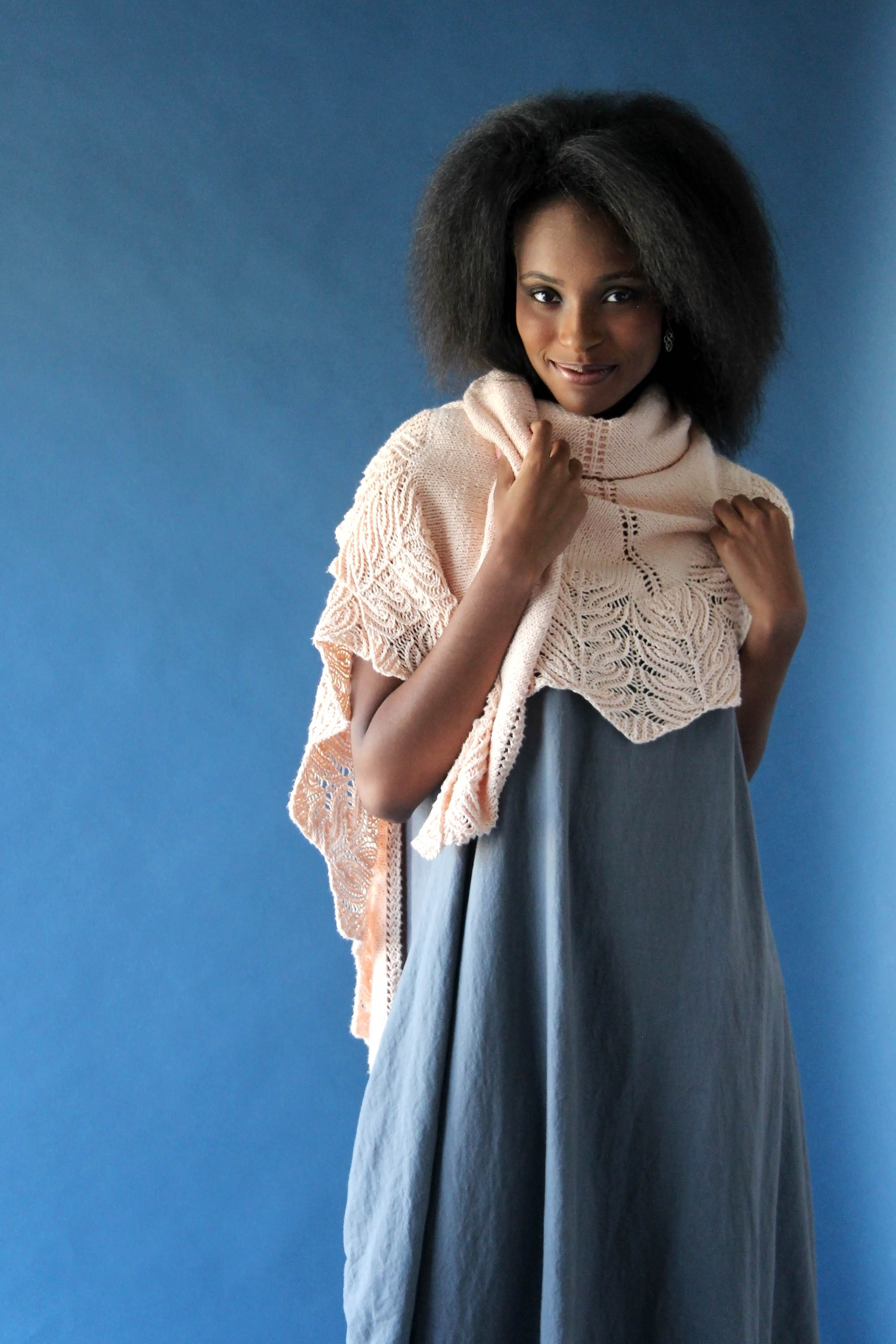
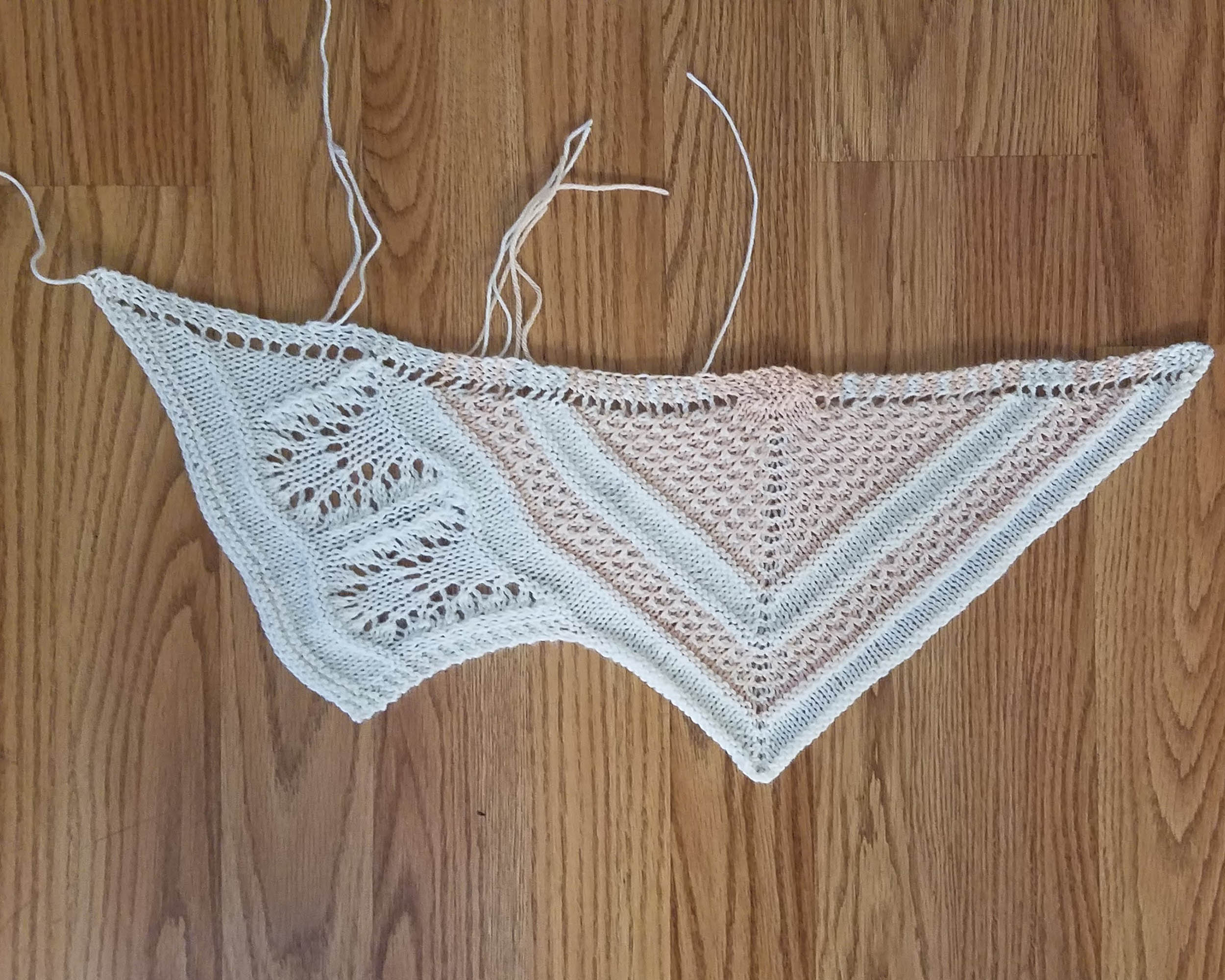
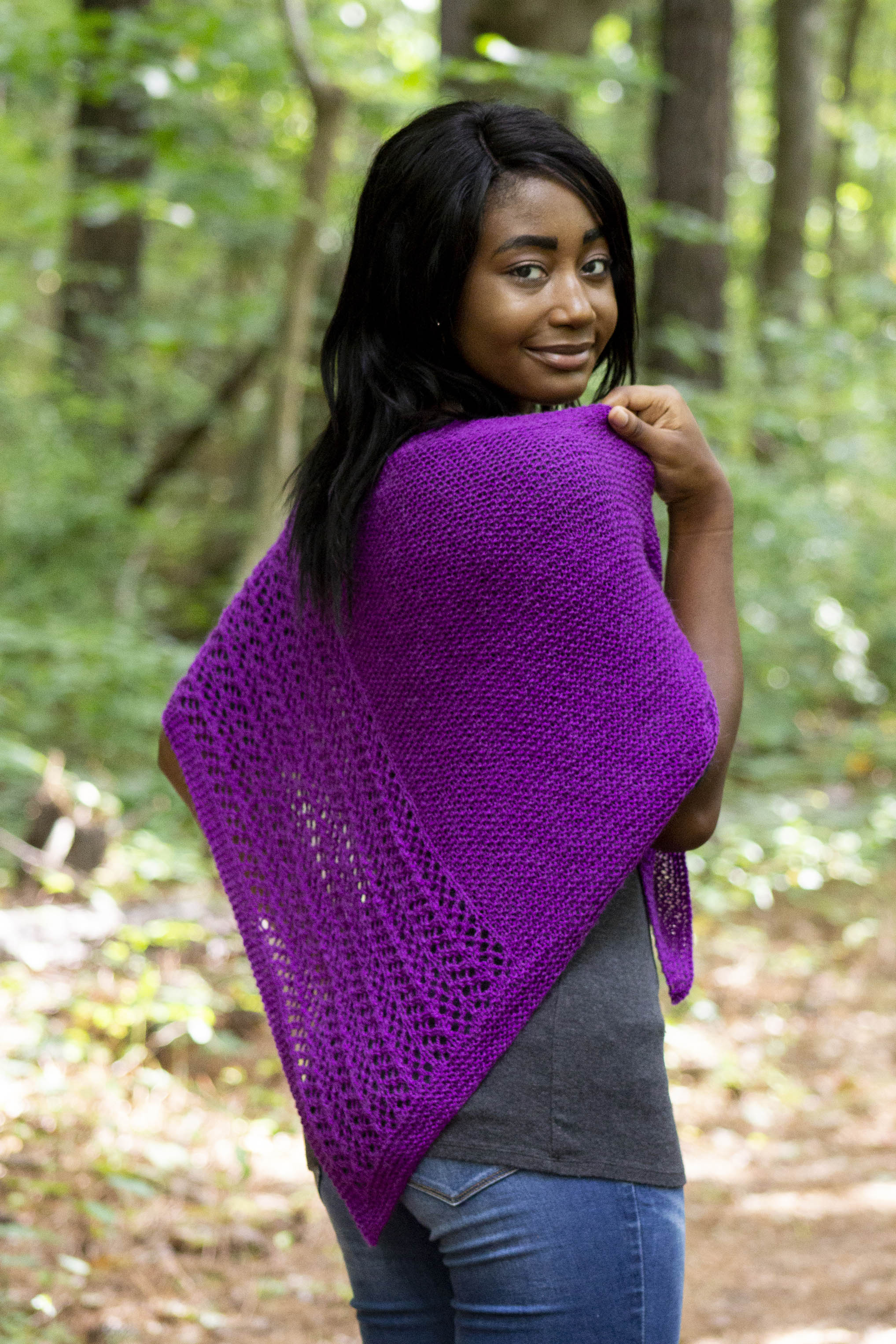
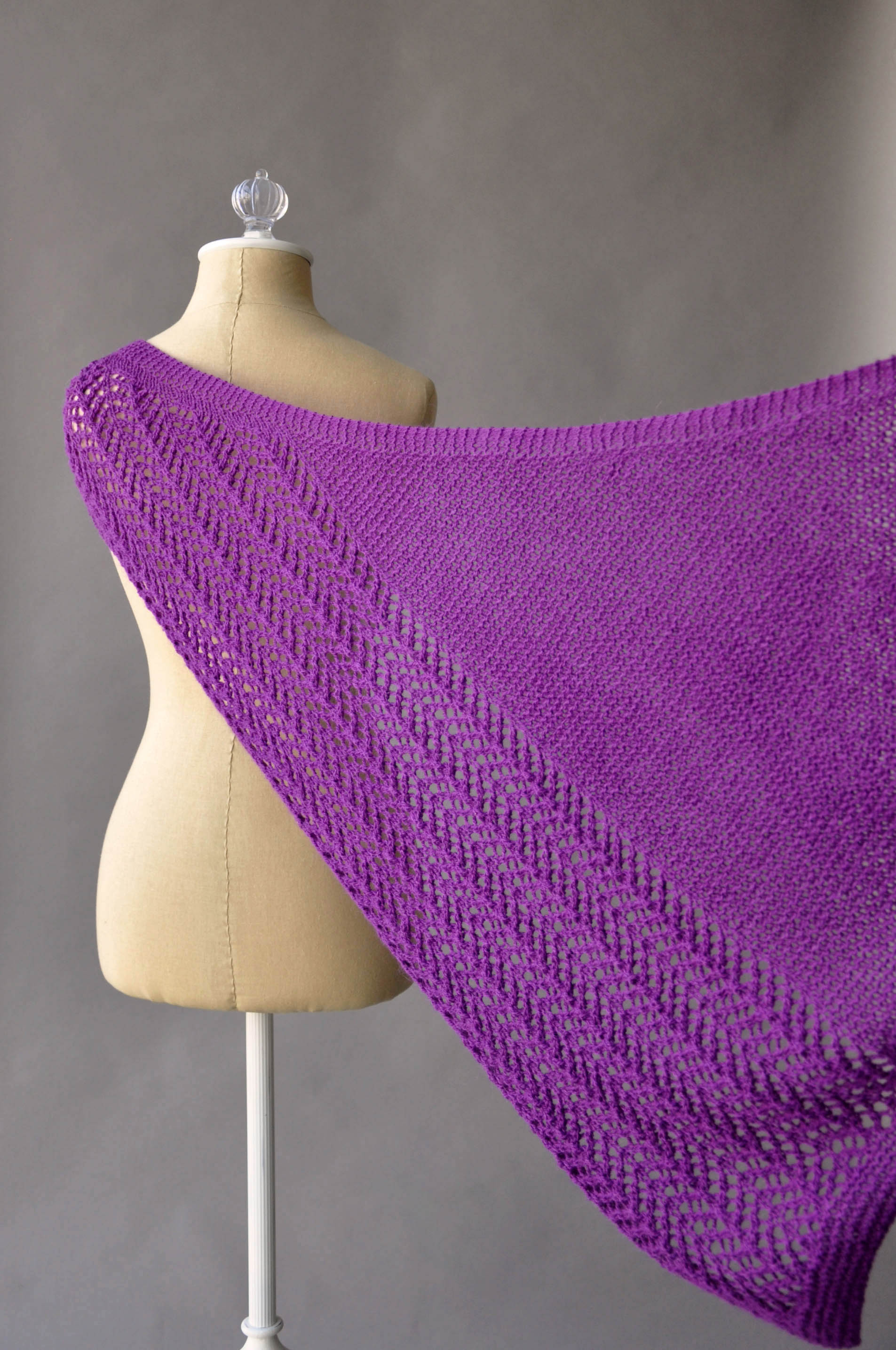
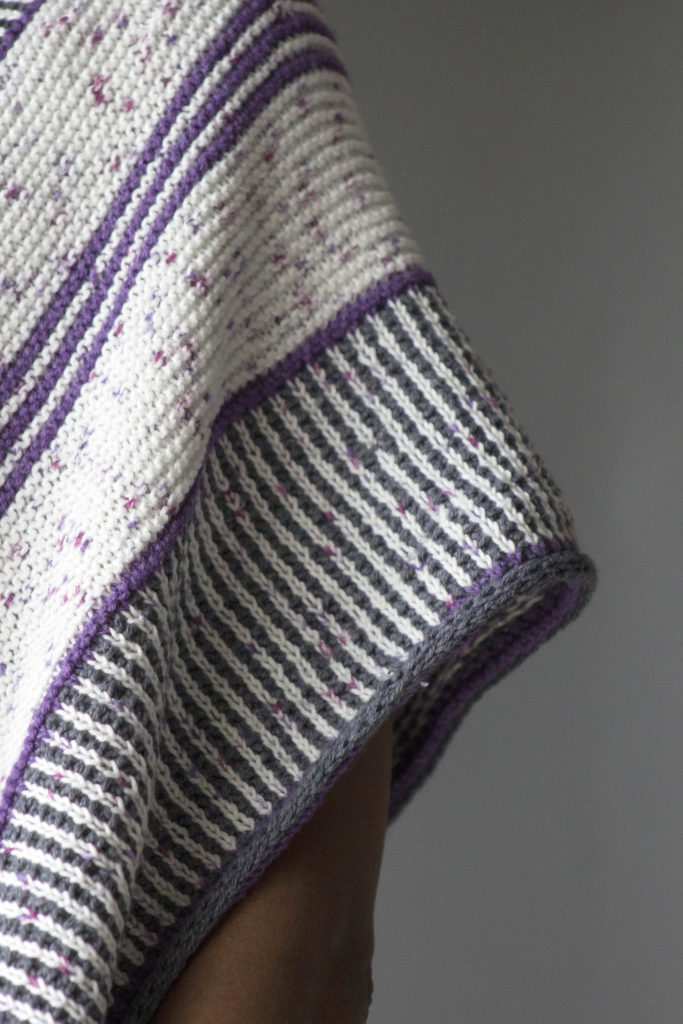
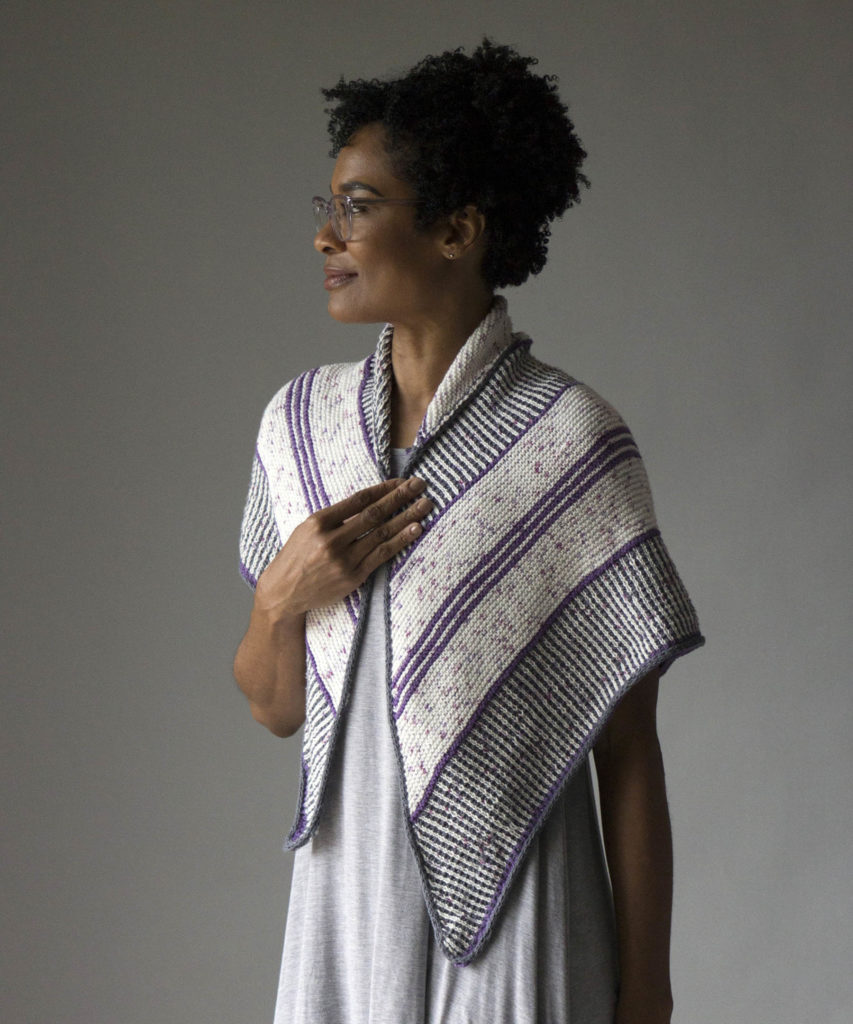
It’s lovely worn, but I also had to take a picture of it here in the studio just to show its striking shape.
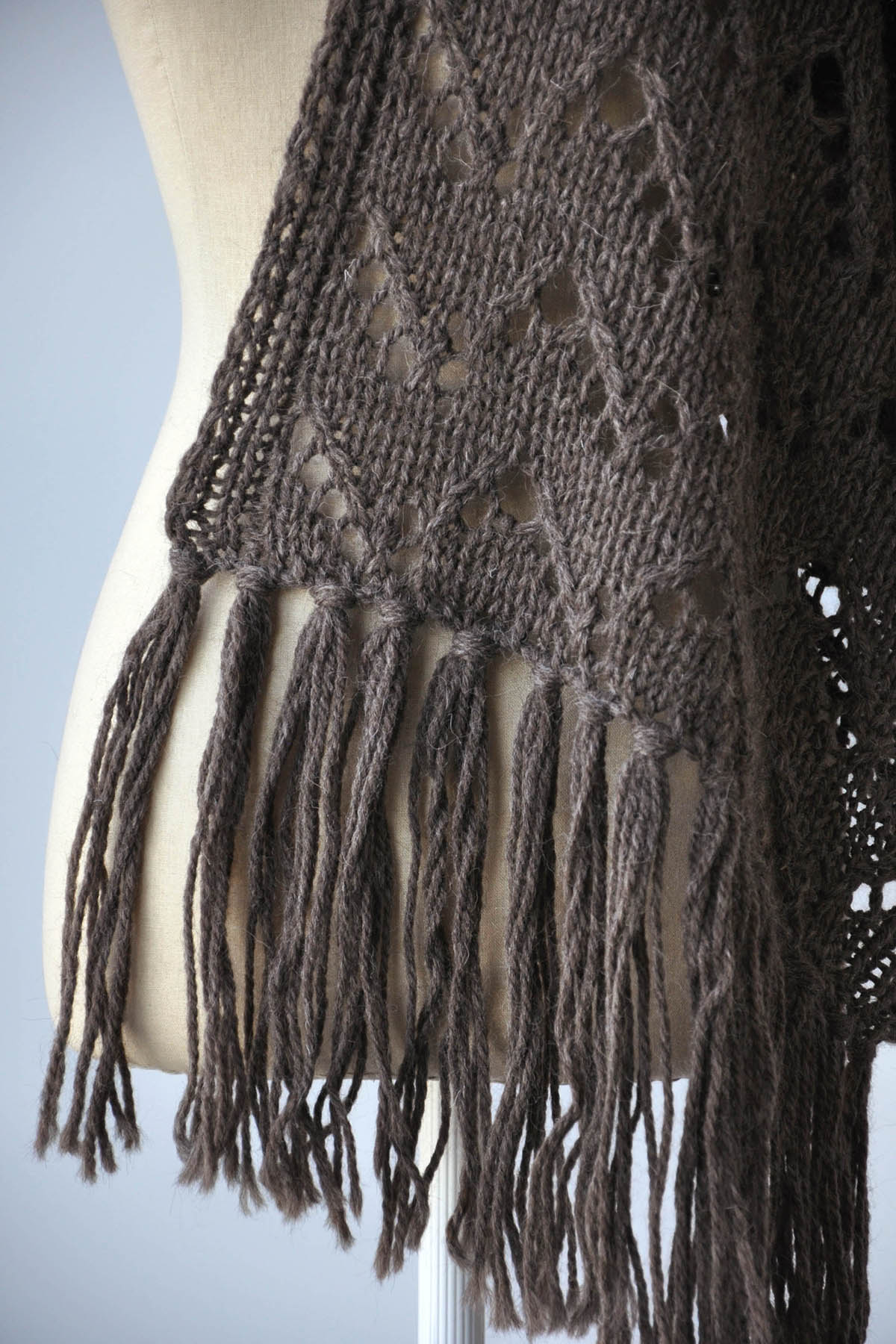
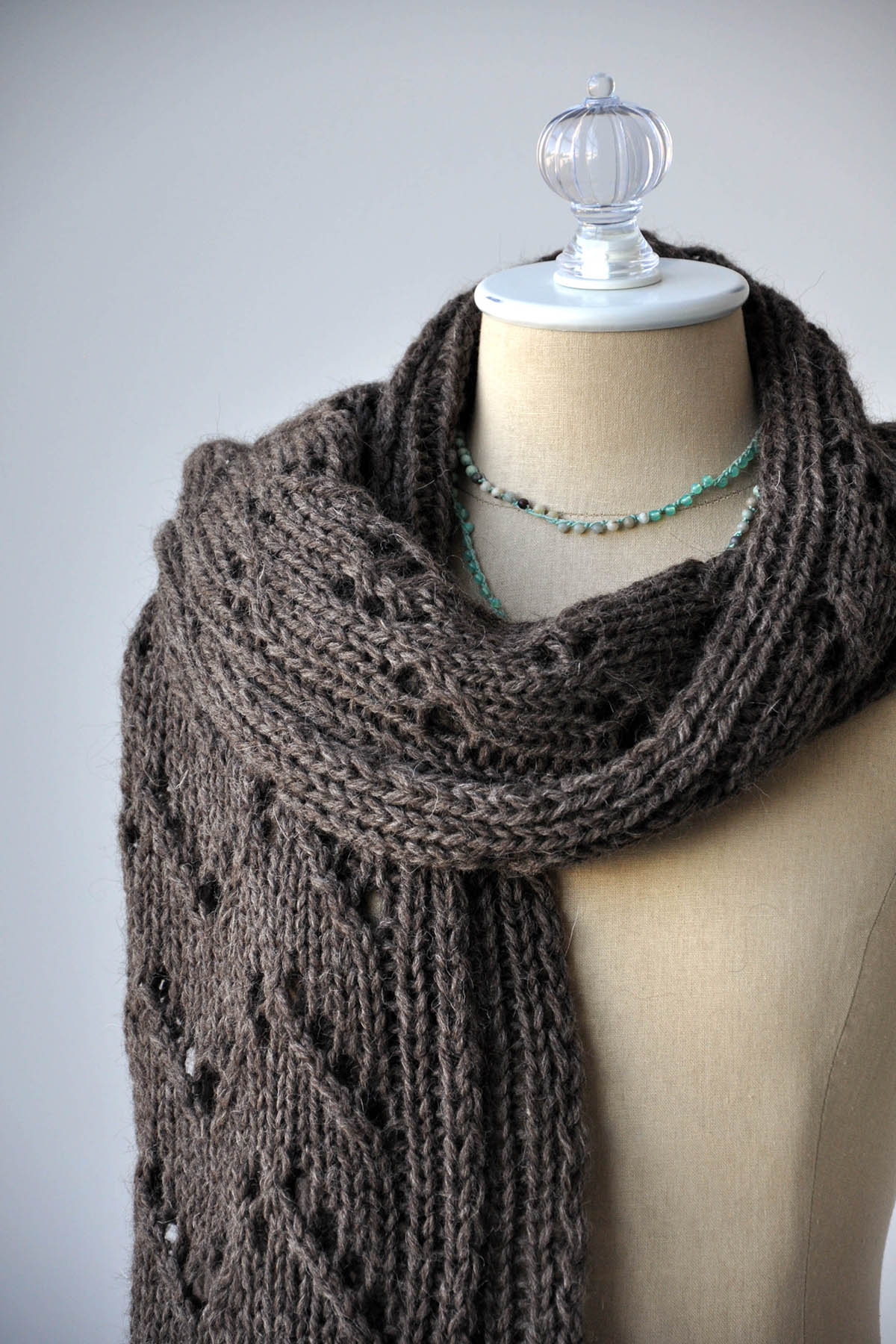
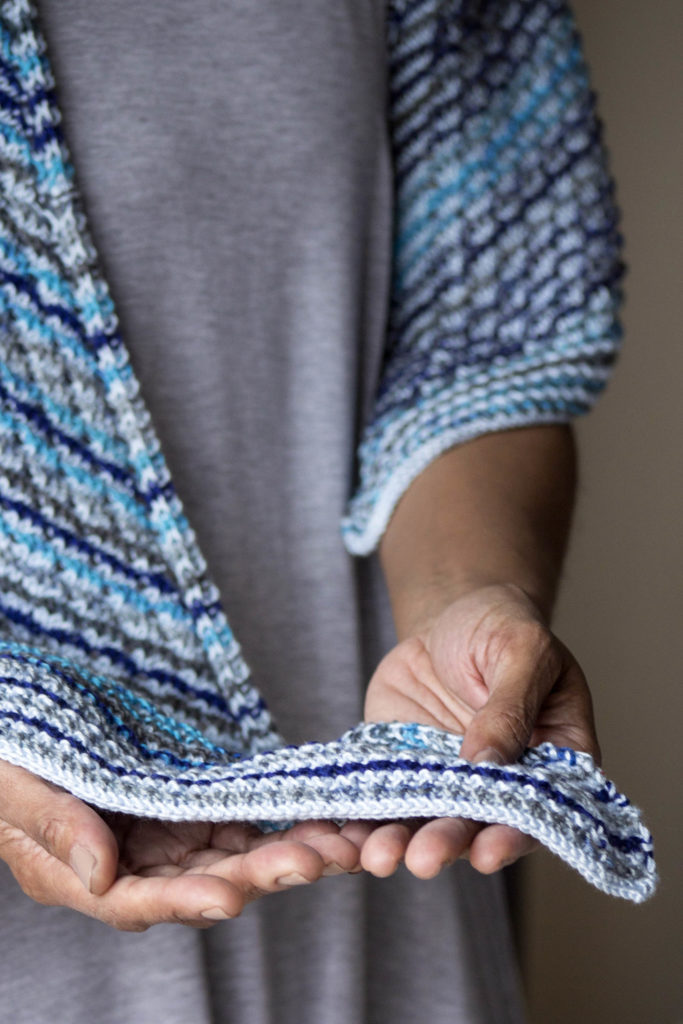
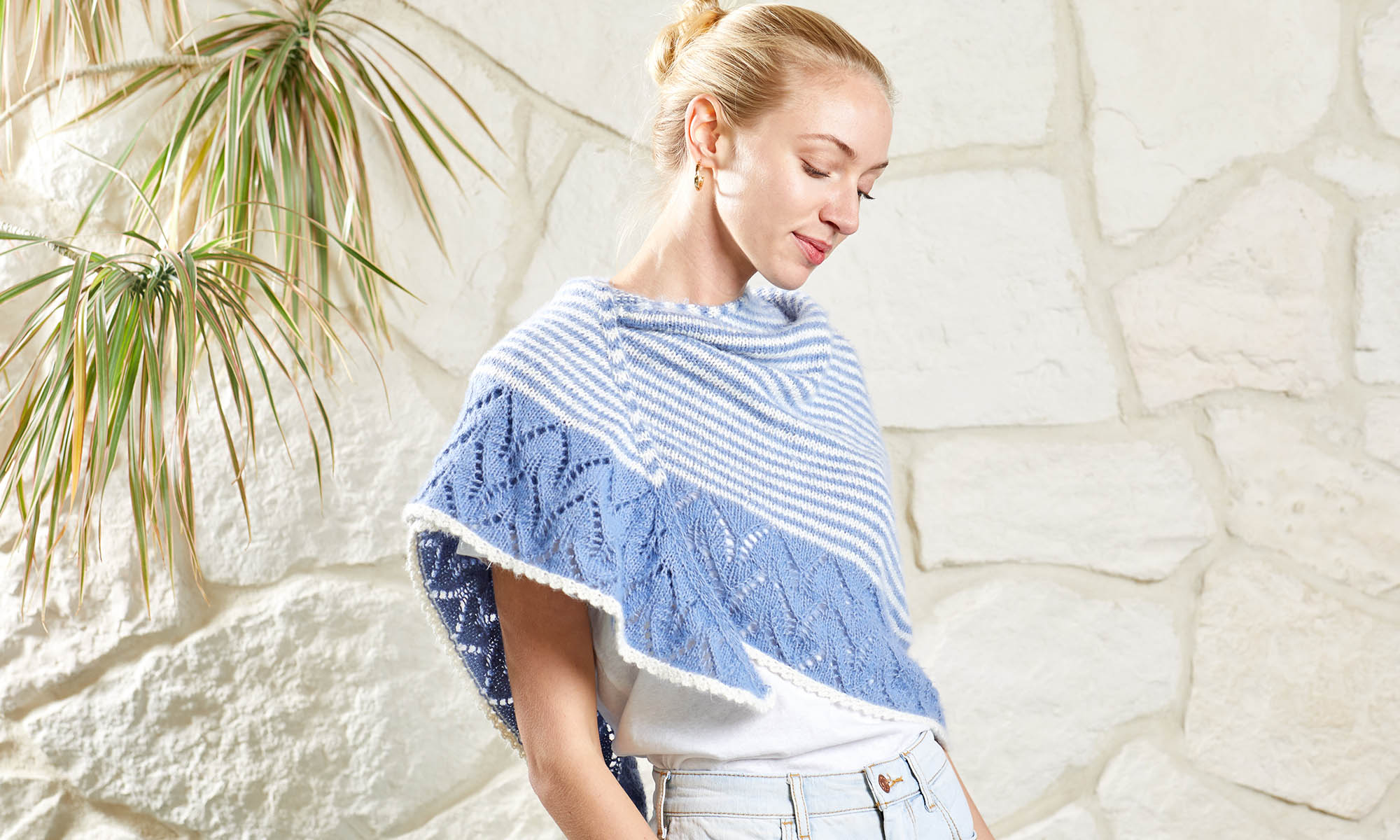
The corner that the model is holding is the starting point for this slightly oblong shawl. It begins with just 7 stitches. Five Herringbone Lace Columns grow out of the left side of the shawl and are continued up to the top edge.
Increases occur only at the left side of the piece, creating a right triangle shape. The lace pattern is an easy-to-memorize 4-row repeat.
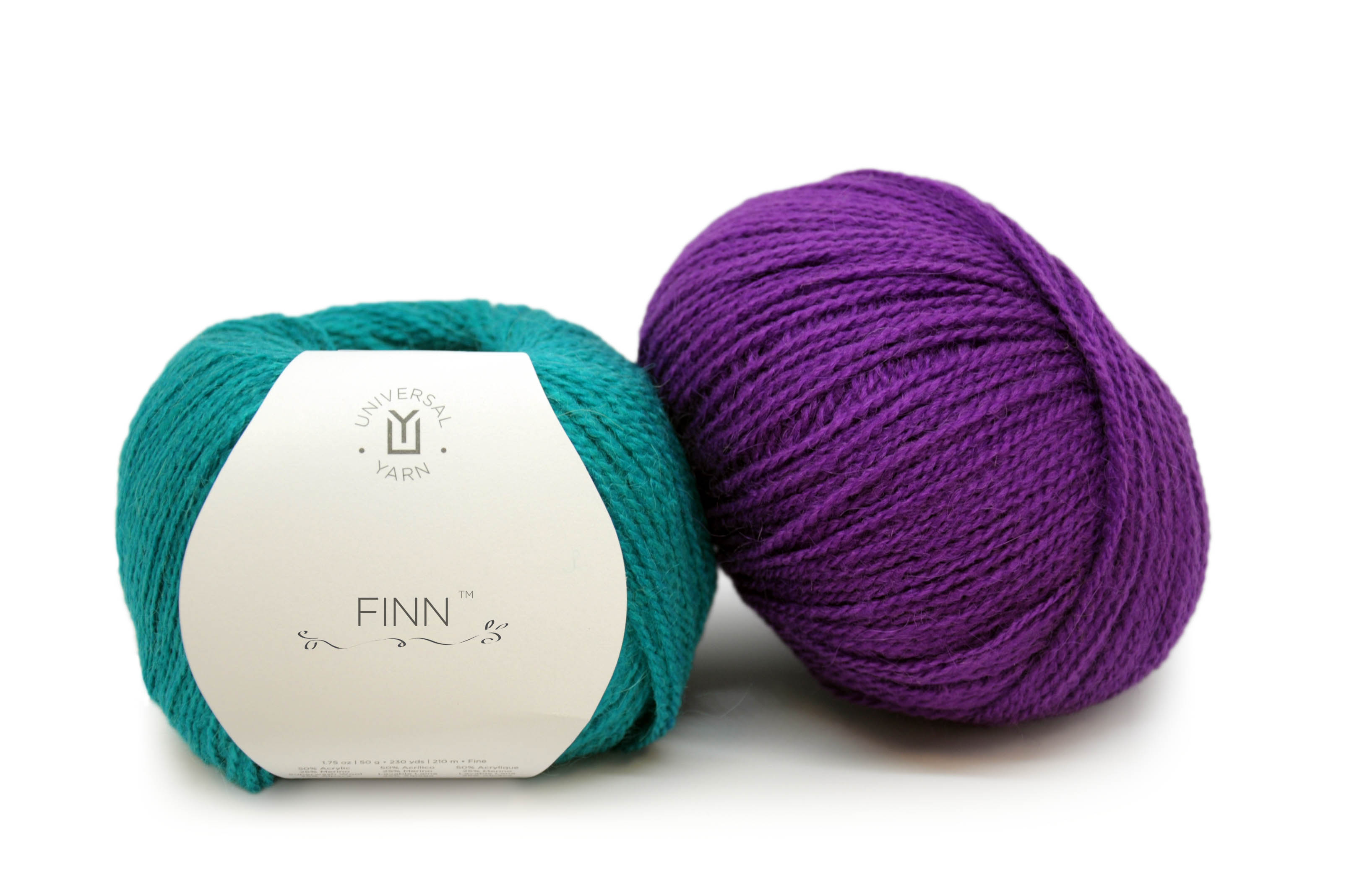
We use Finn, a blend of acrylic, superwash merino, and enough alpaca to give it a bit of a halo. It’s a nice touch of luxury.
It’s easy to customize size in this shawl, as most of the body is maintained in garter stitch. Just be sure to reserve enough yarn for the final 10 rows of garter stitch and you’re good!
We hate to give up an entire category of projects, just because the temperature’s risen a little. That’s what makes Little Bird and Little Bird Colors great for this project. They’re 100% microfiber acrylic, so you won’t overheat with the project in your lap while knitting.
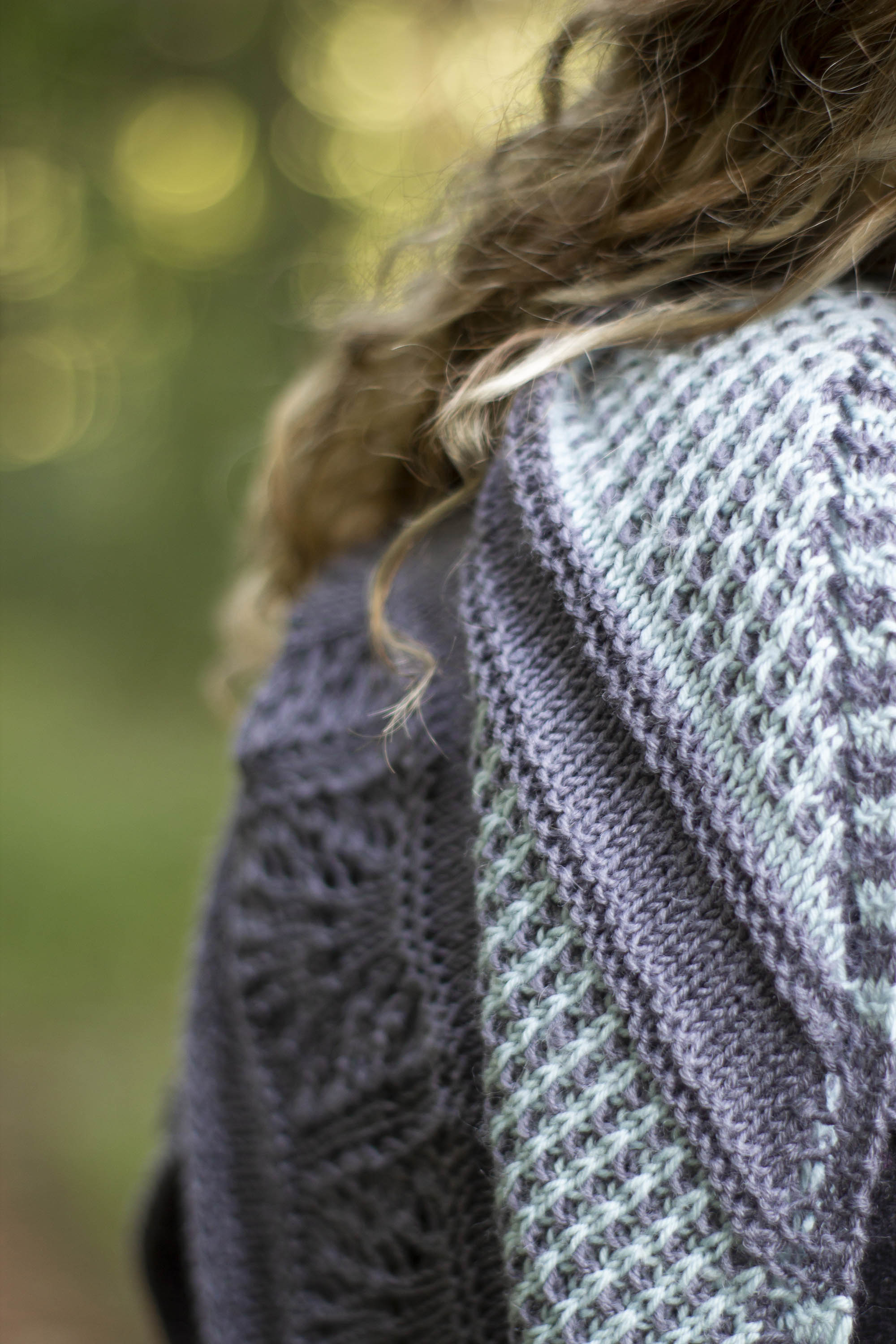
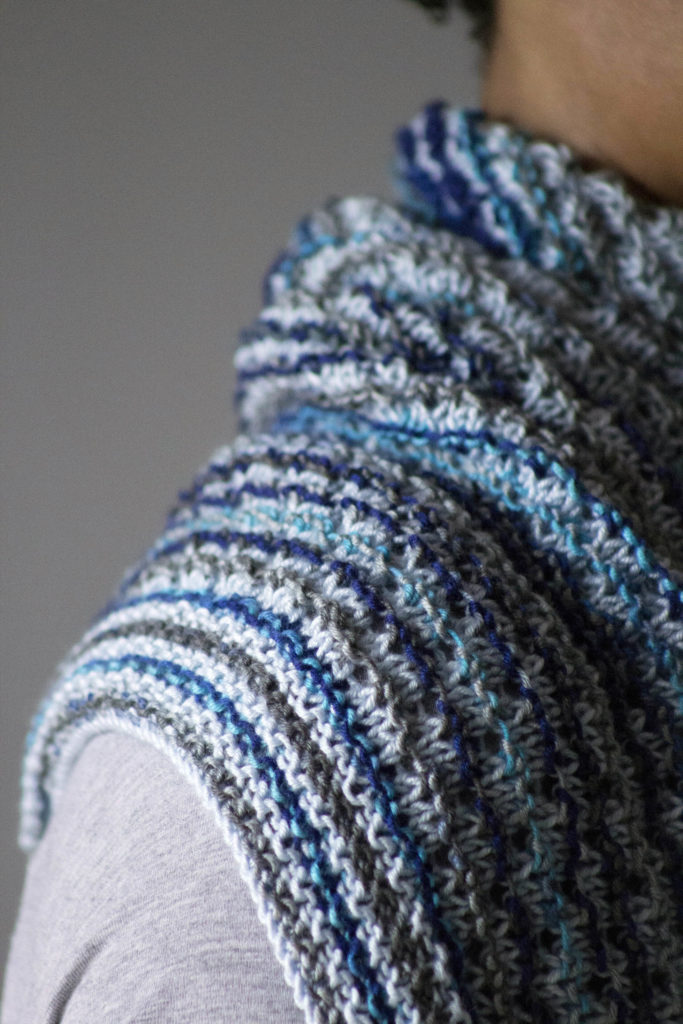
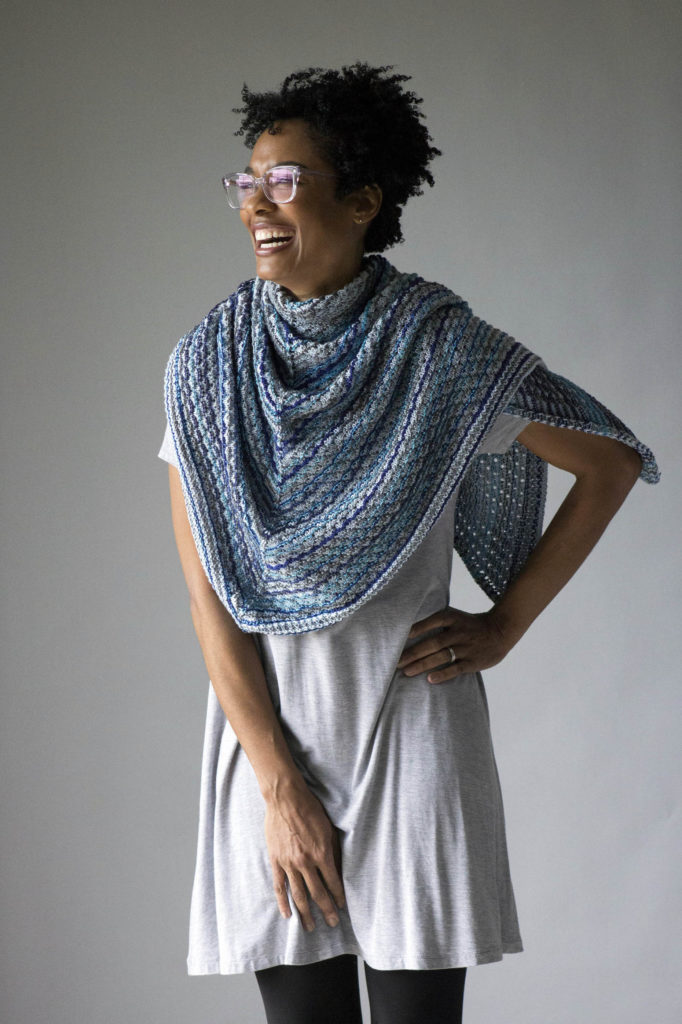
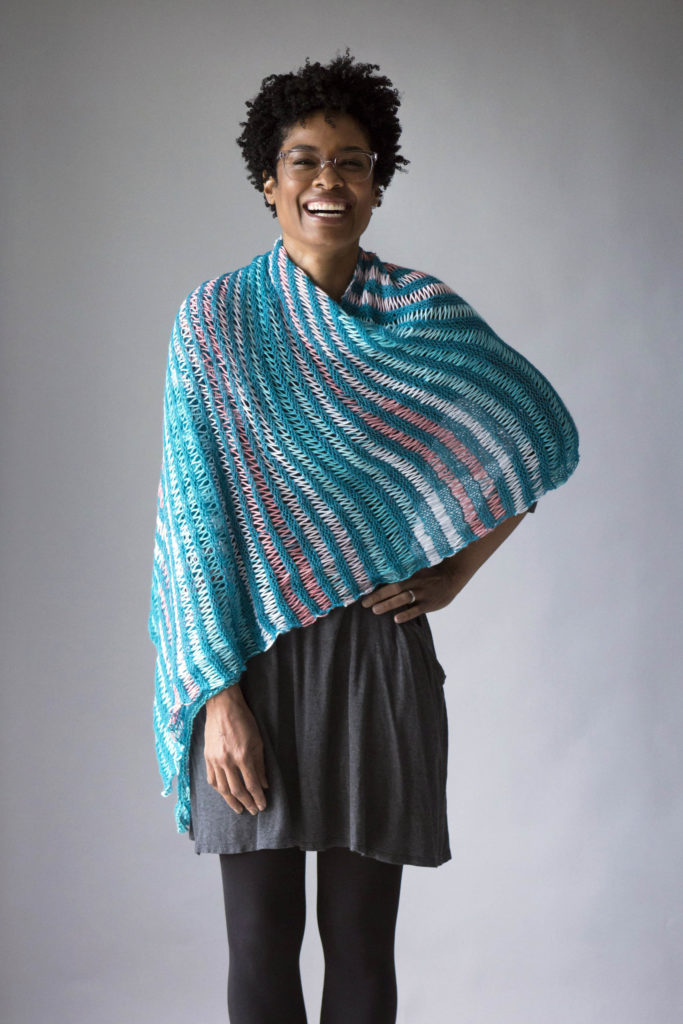
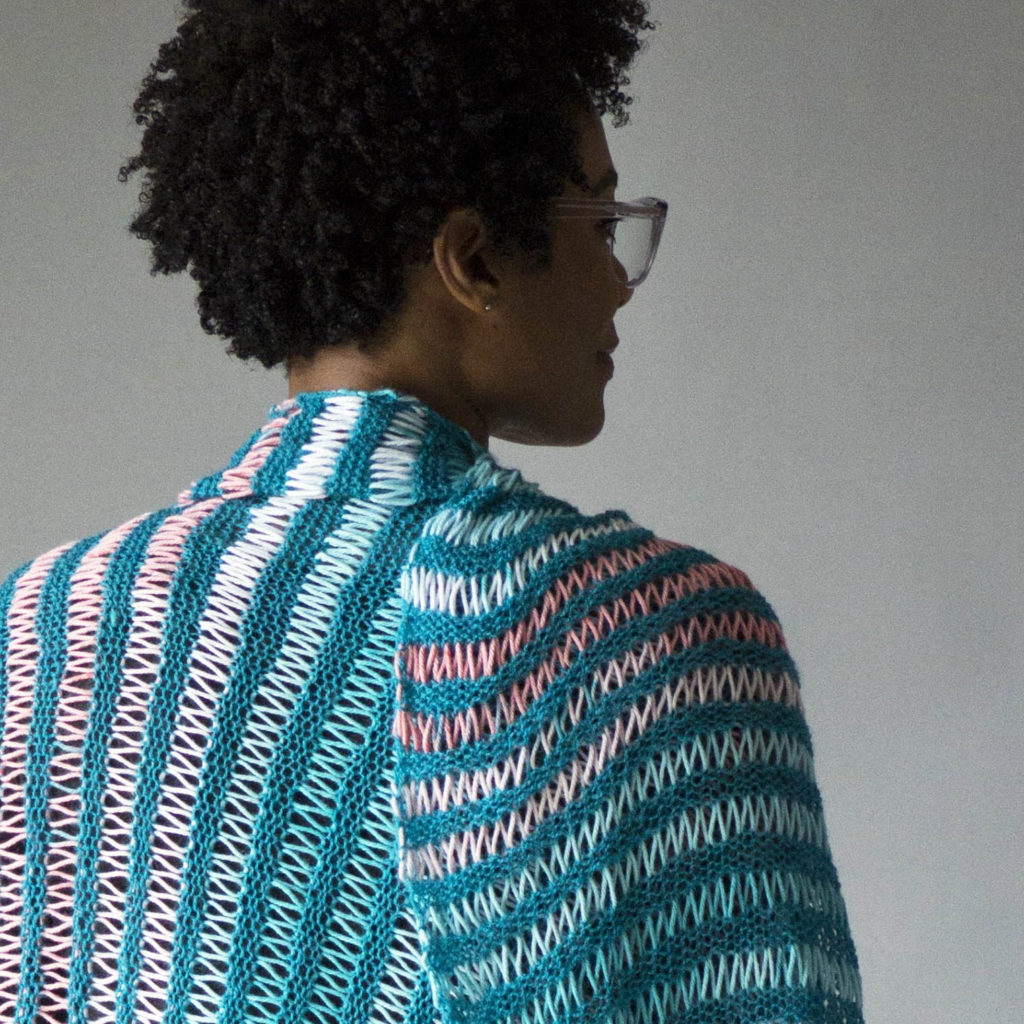
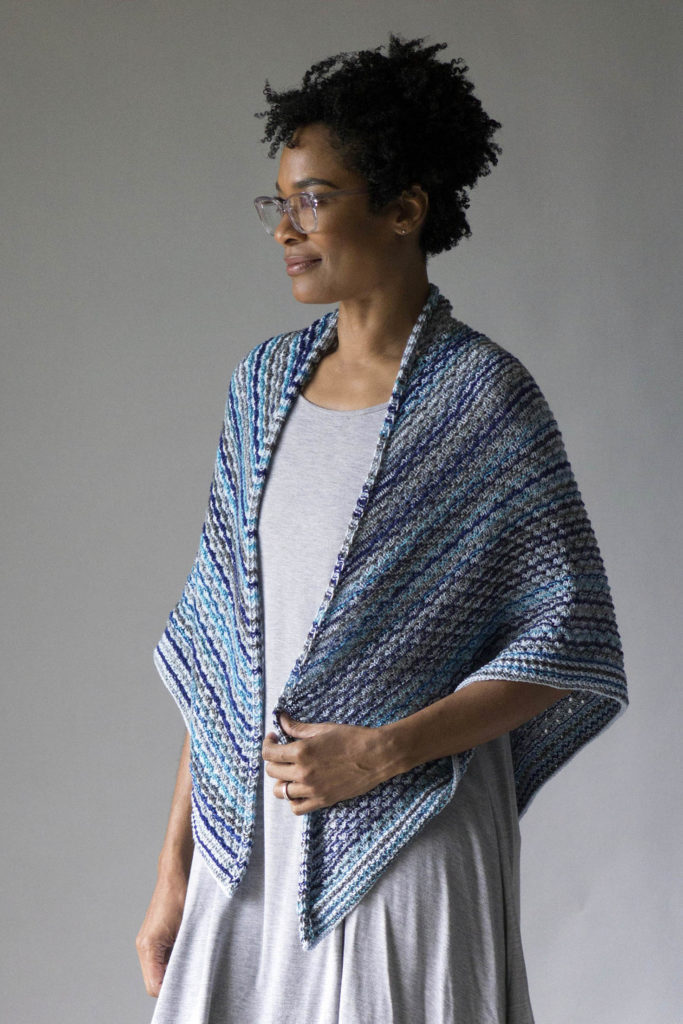
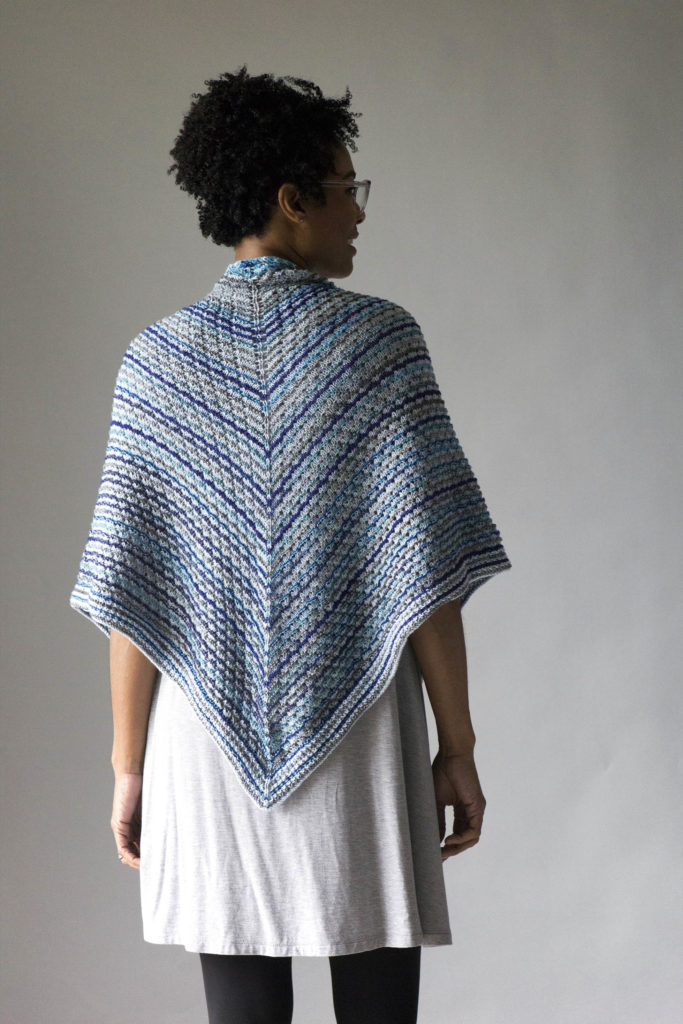
The Tidal Shawl uses one solid color and one self-striping, for a nicely coordinated feel. A textured stitch is combined with little eyelets for a texture that lets individual stitches of the solids and stripes show through each other – a nice blending of colors.
Work it top-down, and finish with a neat i-cord bind-off. Presto. A gorgeous shawl you can wear year-round.
I love the blues that give the Tidal Shawl its name, but you might like something different. Maybe a Sunshine Shawl?
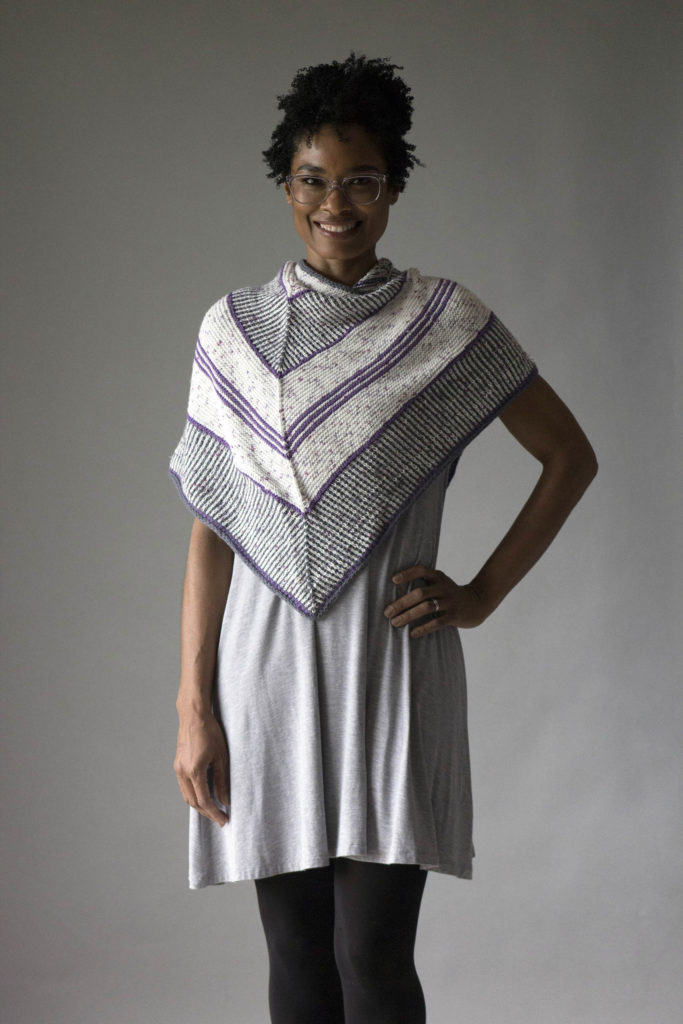
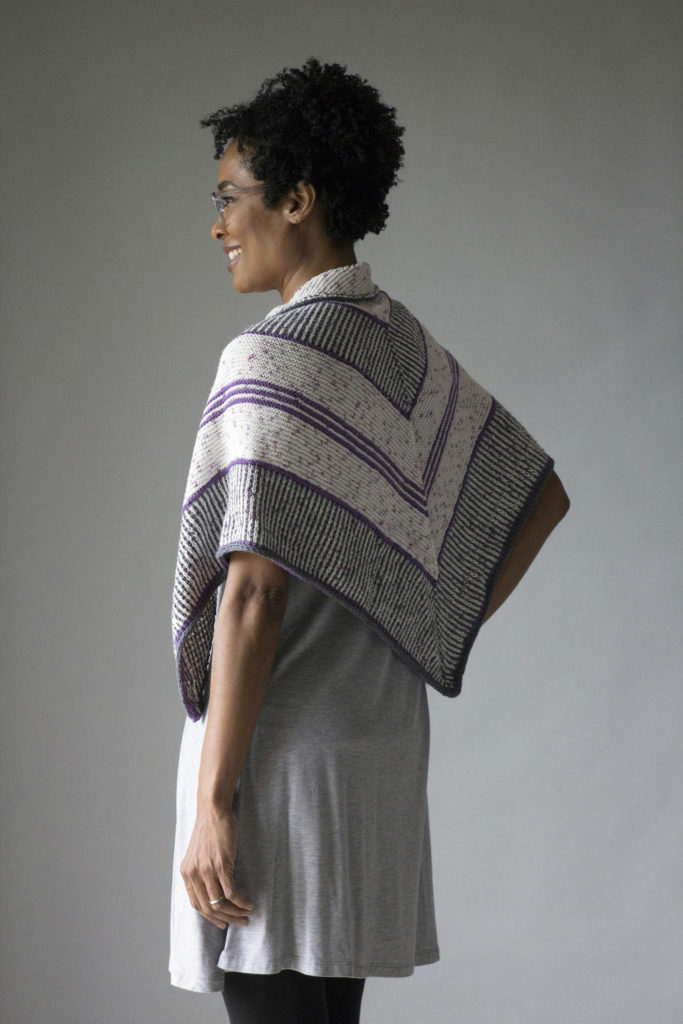
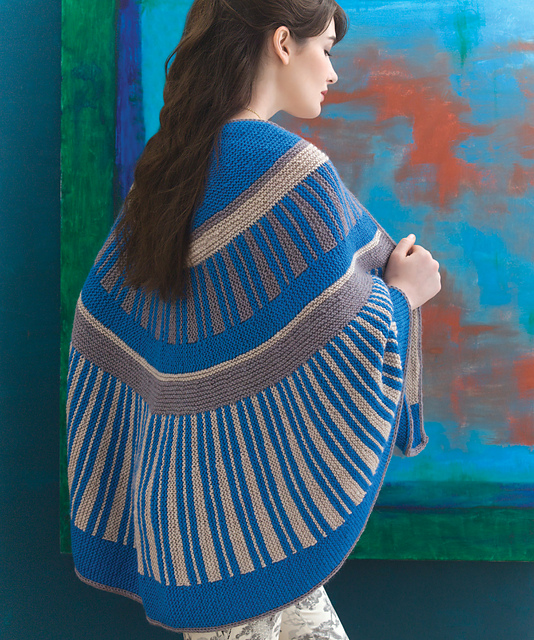
This is Amy Gunderson’s design, but she kindly let me name this shawl Right Turn. At the time, it reminded me of a particularly colorful city street. However, I may have mis-named it. Sure, it looks like it veers sharply, but that’s not what the construction actually does.
You start at the top, and do an increase on either side of the center spine and at each edge. So really, it’s more like a gradual broadening of the horizon as you keep going.
Begin with garter stitch, then move to slip-stitch to easily make the two-color stripes. Back to garter, then polish it off with an i-cord bind-off.
It’s made in Bamboo Pop, a great summertime yarn that has 52 colors. It’d be easy to have the stripes accent whatever color is most prevalent in your wardrobe.
Look at how simple that is. This is exactly the kind of pattern that I would have loved as a beginner, and that I still love when I want to make something beautiful and not look away from binge-watching Jessica Jones.
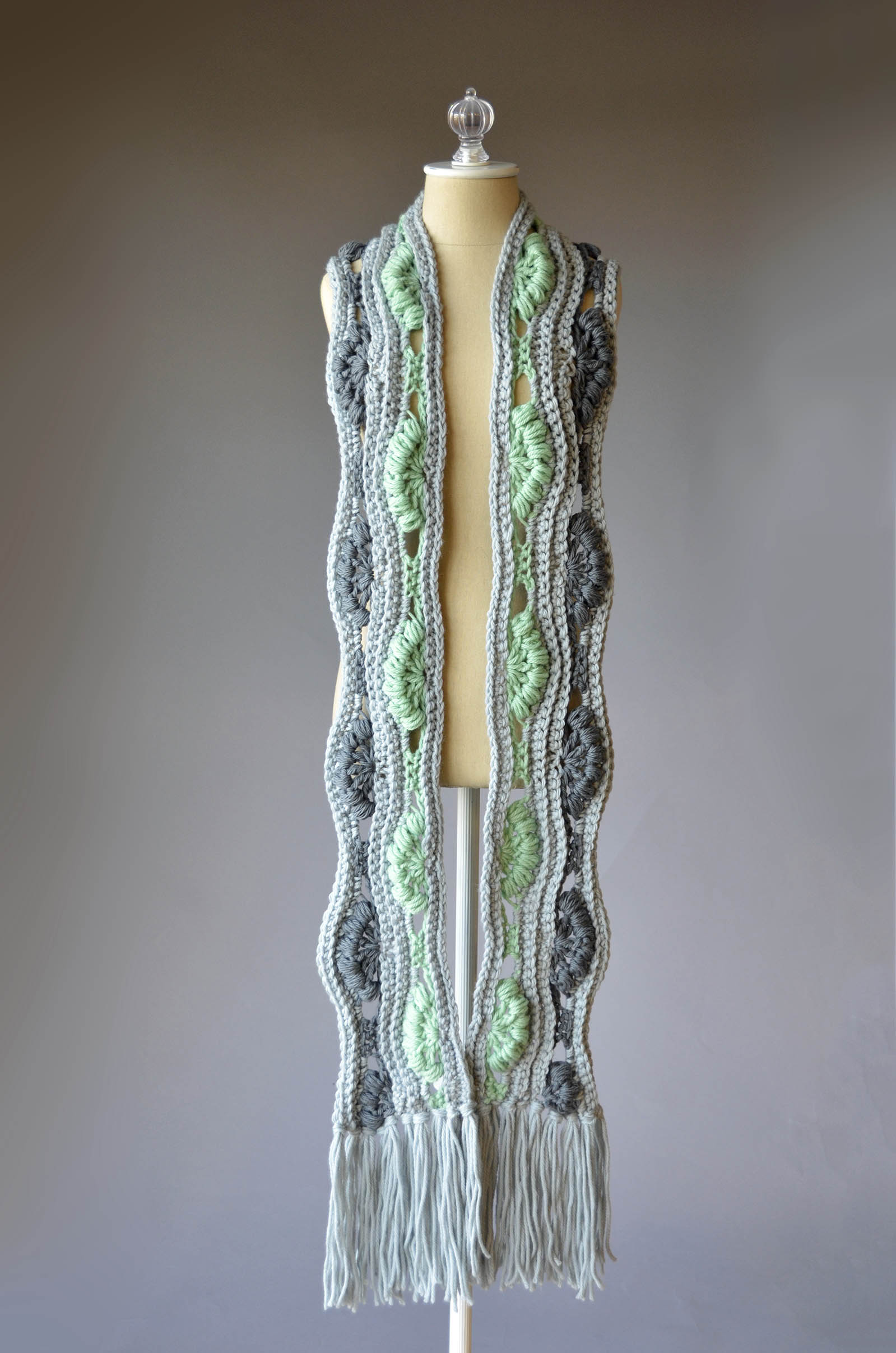
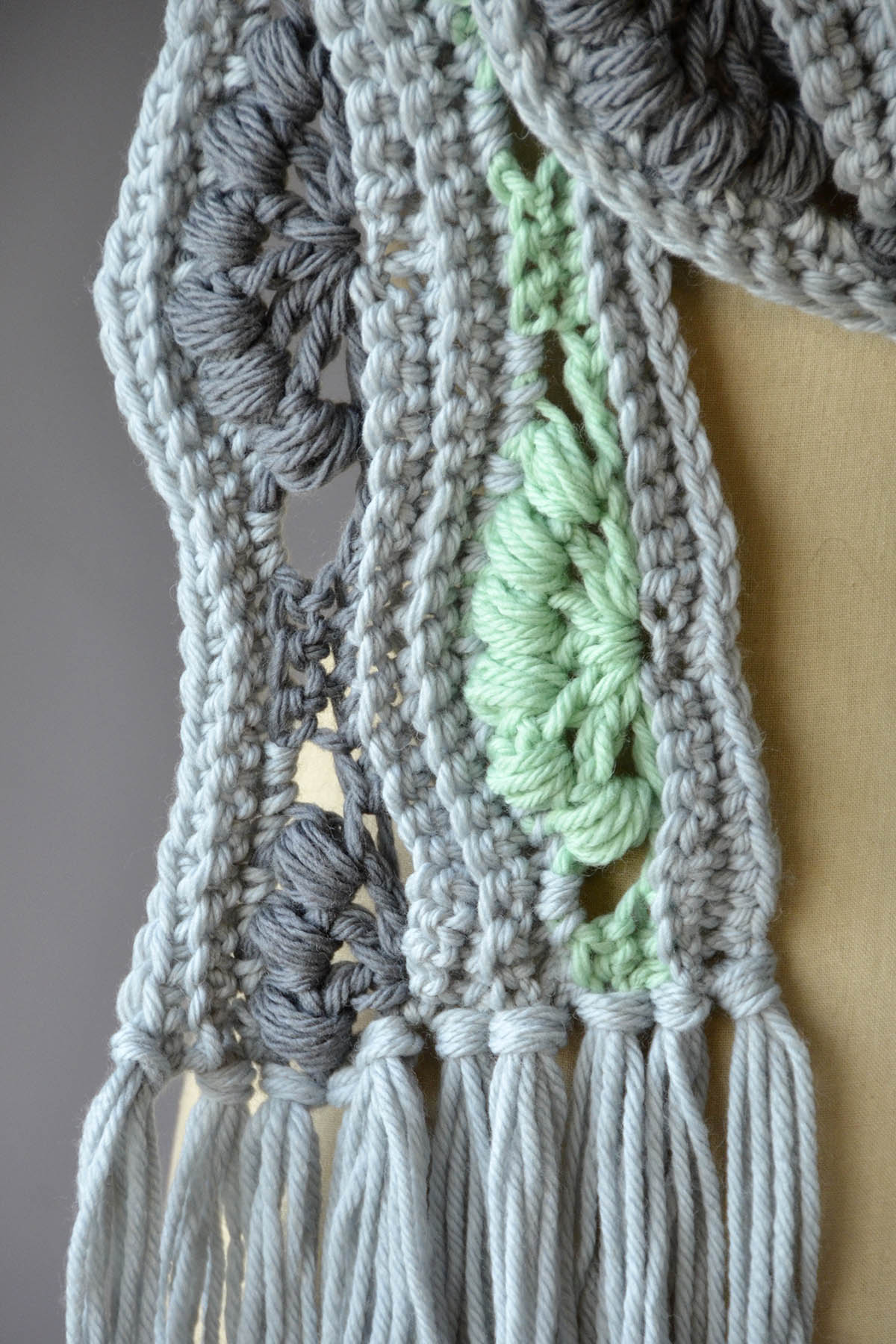
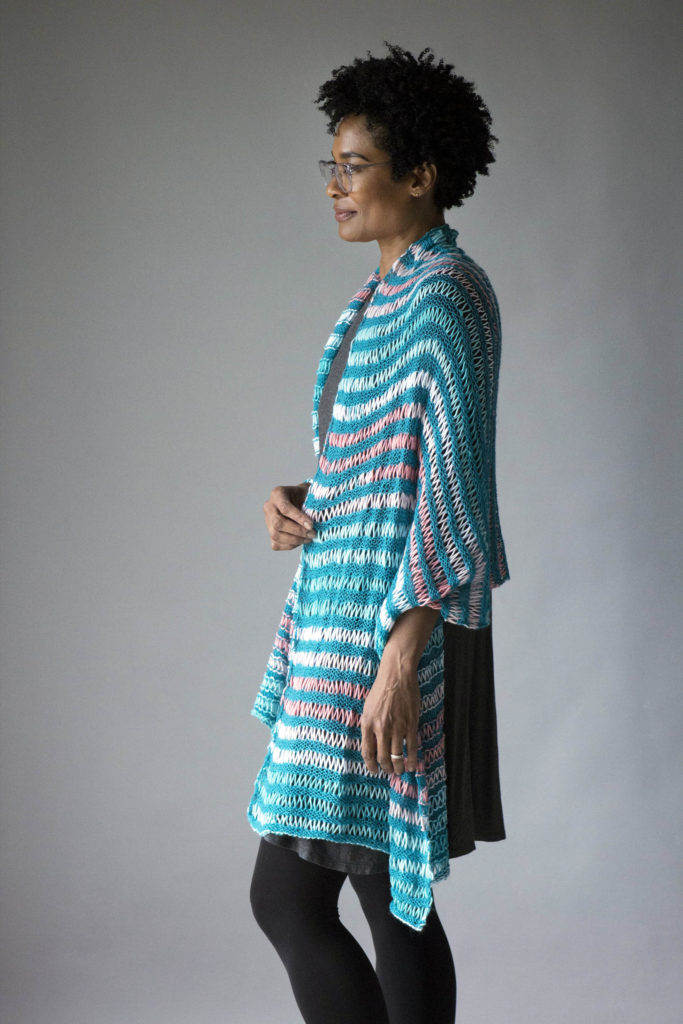
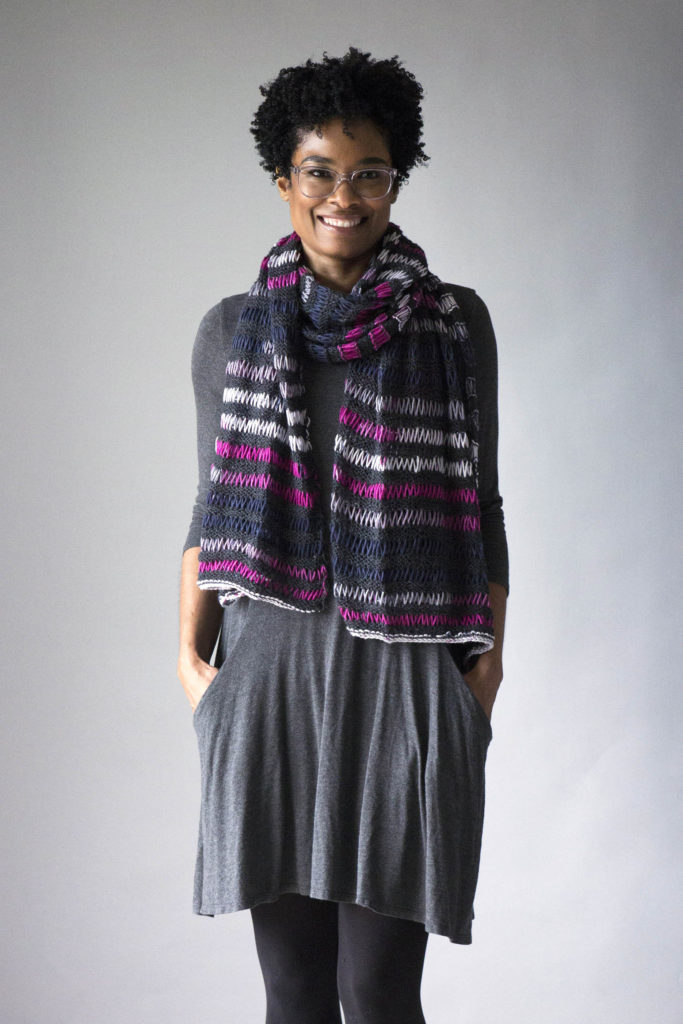
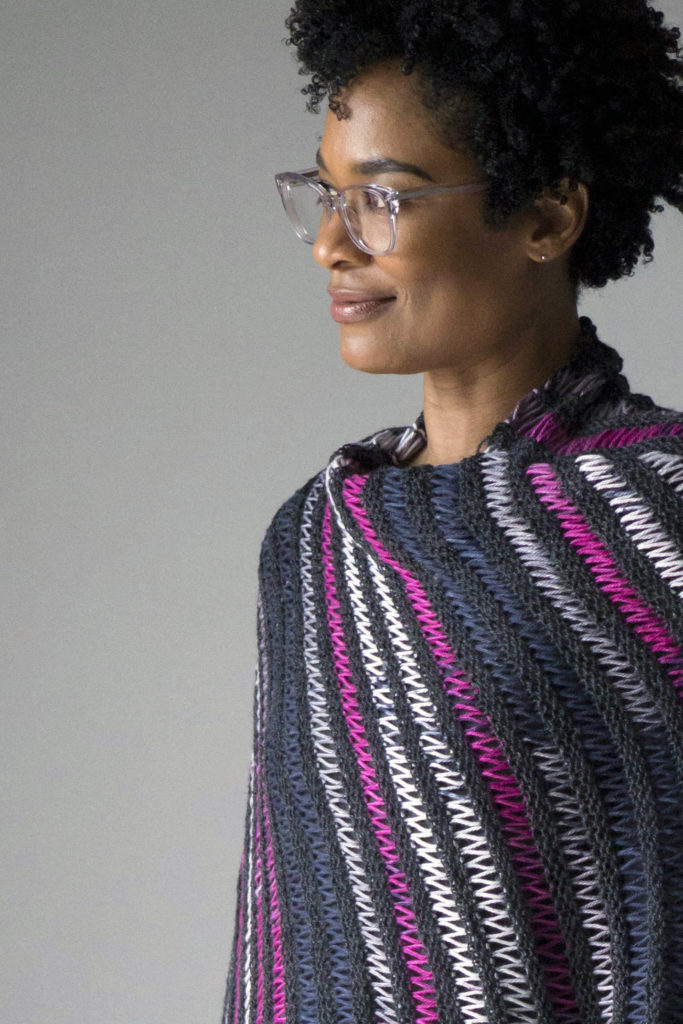
Because it’s dropped stitches on a larger needle (US size 10 1/2), this pattern makes the yarn go a long way. One ball of Whisper Lace wool/silk for the solid bands, two balls of self-striping Cotton Supreme Batik for the wider variegated stripes.
Because the fabric is so loose and drapey, it scrunches up effortlessly – hence the name Scruncher Scarf. Here it is in an alternate colorway, folded in half and wrapped for an accessory that straddles “skinny” and “full.”
Obviously, this would be a great one to experiment with, colorwise. I’ll bet your LYS could put together some fantastic color combos.
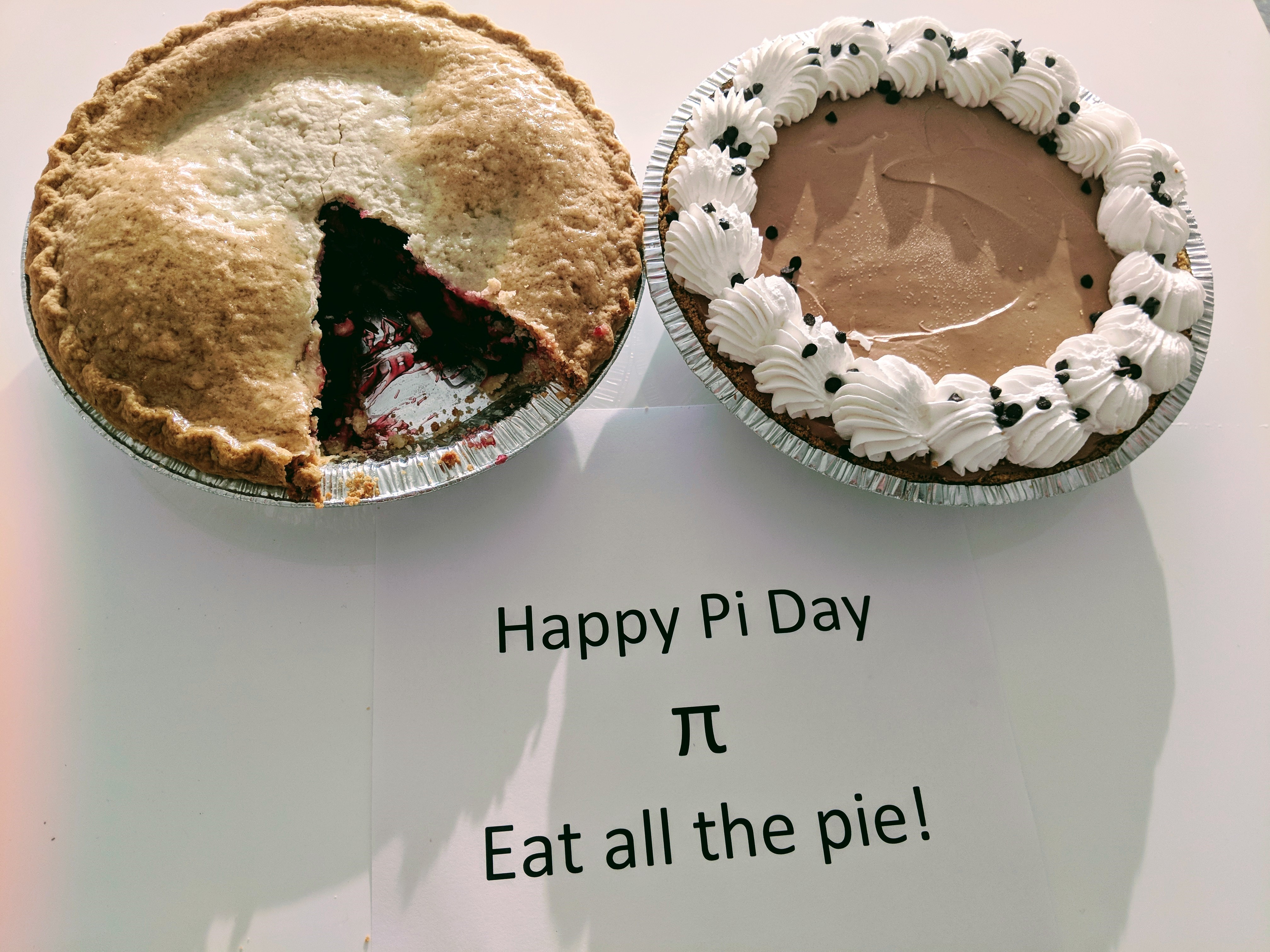
Though we like to celebrate Pi Day with a slice of cherry here at the office, that’s not actually what this math holiday is all about. But I will take any excuse to eat pie. Not that I need an excuse.
But seriously, Pi day is the annual recognizing of the awesome constant number we know as Pi, and that is recognized by this Greek symbol: π. Pi is approximately 3.14, and is the ratio of a circle’s circumference (the length around the entire outer edge of a circle) and the diameter (the width of a circle).
I am a pretty big math geek. Math is logical, useful in so many facets of life, and it never lets you down. Pi is especially cool because it helps to solve the mystery of the unknown. For example, by knowing the formula for pi, and, say, the diameter of a circle, you can calculate the circumference of said circle.
As a knitting designer, I have relied upon Pi on many occasions. Here are a few examples:
The semicircle shawl in Deluxe Worsted begins with a sideways, short-row lower edge, and is then worked upward from there. In order to make a half circle shape considering all of the other aspects of this piece, I applied my love of Pi and magic was made.
Perhaps the most common and well know way of shaping a circular shawl is called the Pi method. Developed by knitting genius Elizabeth Zimmermann, this shape is worked from the center outward and involves only a handful of increase rounds. The basic principle involves doubling the stitch count as the diameter of the circle increases. Typically, a pi constructed piece of knitting begins with 9 stitches, doubles to 18 on round 3, doubles to 36 on round 7, up to 72 stitches on round 13, and so on.
The Burst blanket is purely pi knitting. There are just 6 increase rounds in the entire thing, allowing you to focus solely on the repeating stitch patterns.
In the early 1900s, a prospector noticed large stones leaving meandering tracks across a section of Death Valley, as if they had decided to go travelling. The paths baffled scientists until 2014, when the mystery was finally solved with the use of GPS and time-lapse cameras.
At times, the area would flood and freeze, and as the ice broke up, it would be blown across the shallow floodwater pond, with embedded rocks dragging paths along the desert. The ice melts, the pond evaporates, and all that’s left is tracks in dry sand behind rocks that aren’t where they used to be.
The natural colors and meandering paths involved in this phenomenon reminded us of twisting cables in our Deluxe Chunky Naturals. These tones are undyed – the color you see is the color of the sheep.
Which brings us to the Sailing Stones Shawl.
One nice thing about this shawl – the cables are reversible. Take a look at the “wrong” side. Still quite lovely.
Five skeins in the main color, 50003 Musket, makes a generously sized 52″ x 38″ accessory.
Contrasting color applied i-cord and tassels set this design apart.
This would be lovely to wrap up in on a chilly day or night.
We hope you keep a little mystery in your life, and that you make time for yourself this weekend.
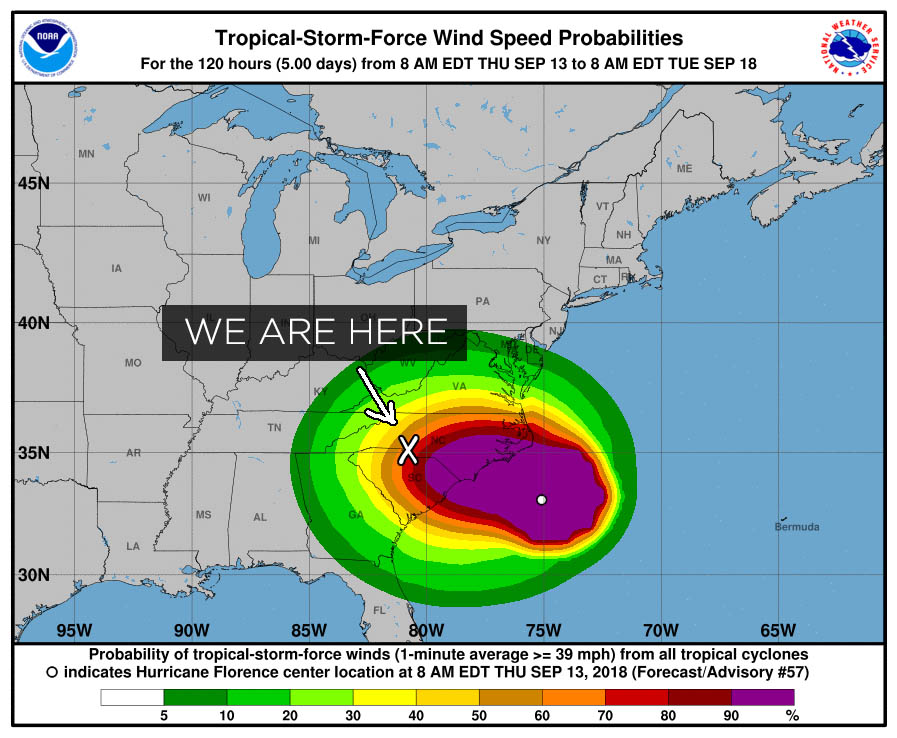
First things first: how’s everybody doing? Currently, the projected path of Hurricane Irma is moving west of us, so it looks like Universal Yarn here in NC will miss the worst of it. But we’re worried about all of you, in the midst of fire and flood. Please stay safe.
For those wanting to take their mind off things, we offer this crochet shawl in Little Bird (100g/346yds), a lightweight acrylic that’s cottony soft. Pipping is a sweet crochet confection – a bit of normalcy that we all could use right about now.
This asymmetric shawl starts on its longest edge and decreases along one edge. Cut the ends after each color change, and work them in as you go to save time in finishing.
This is an easy pattern to customize with your own colors – you’re not locked in to just three. Use as few or as many as you want. The pattern is both written and charted for your convenience.
We hope you have a safe and restful weekend. We’re thinking of all of you.
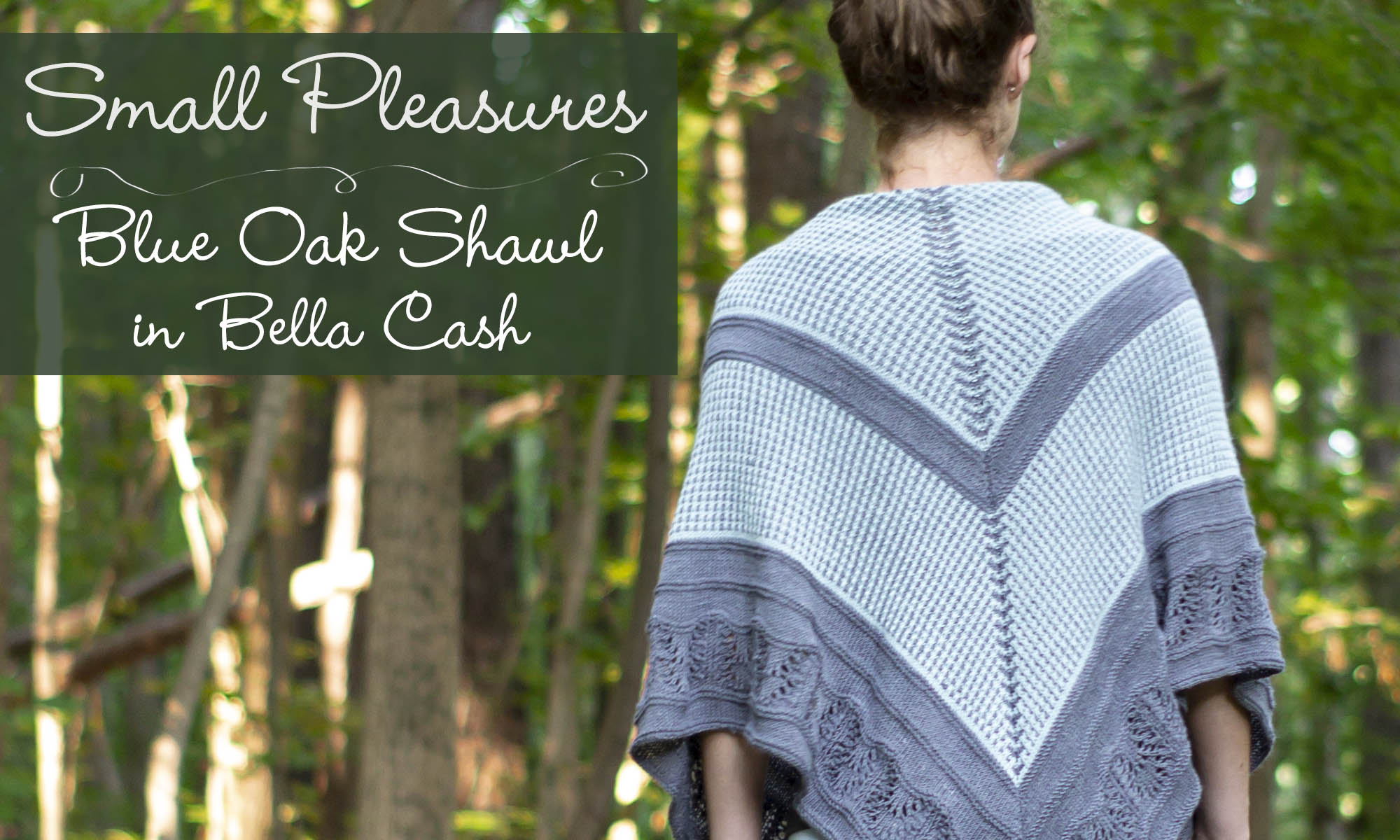
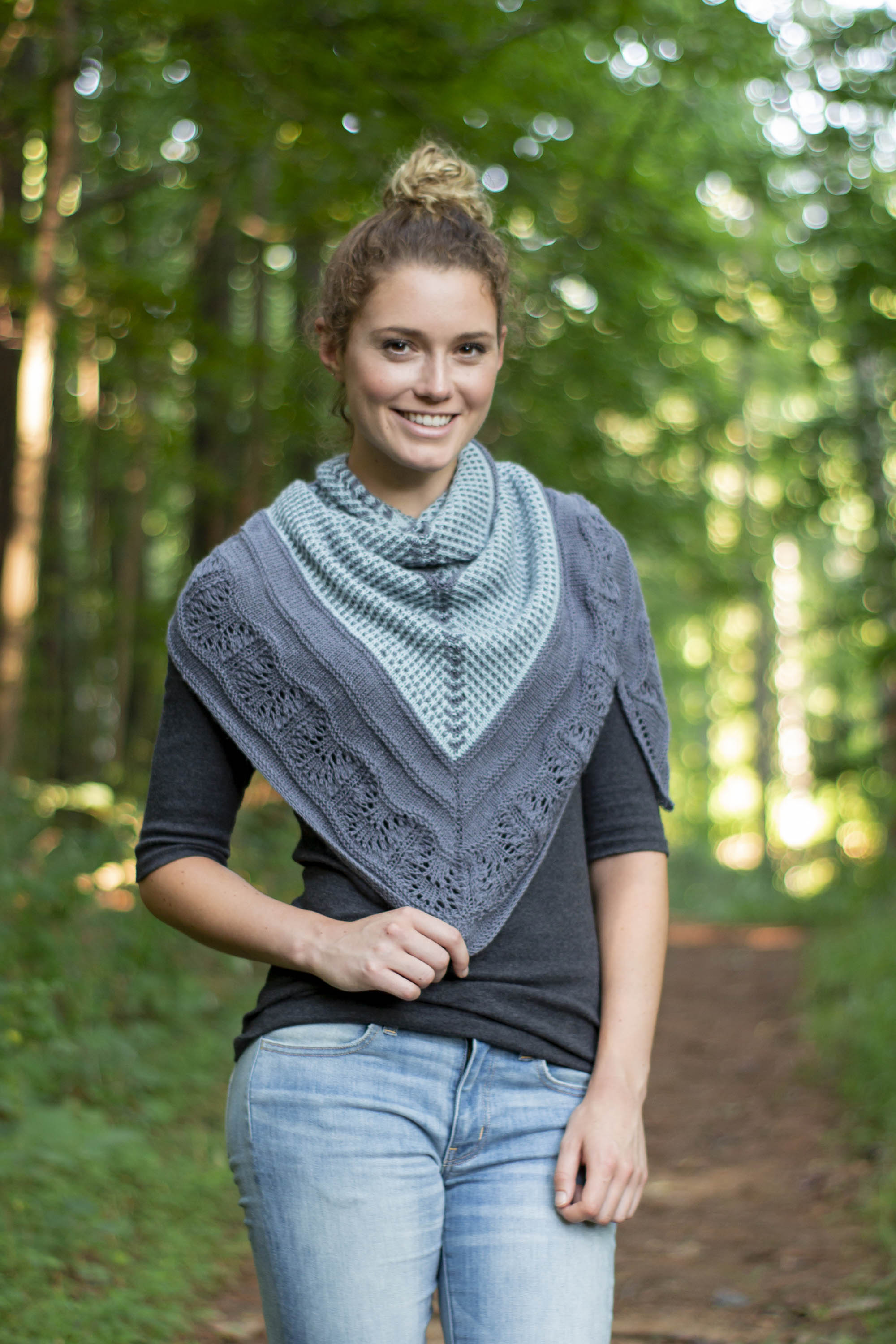
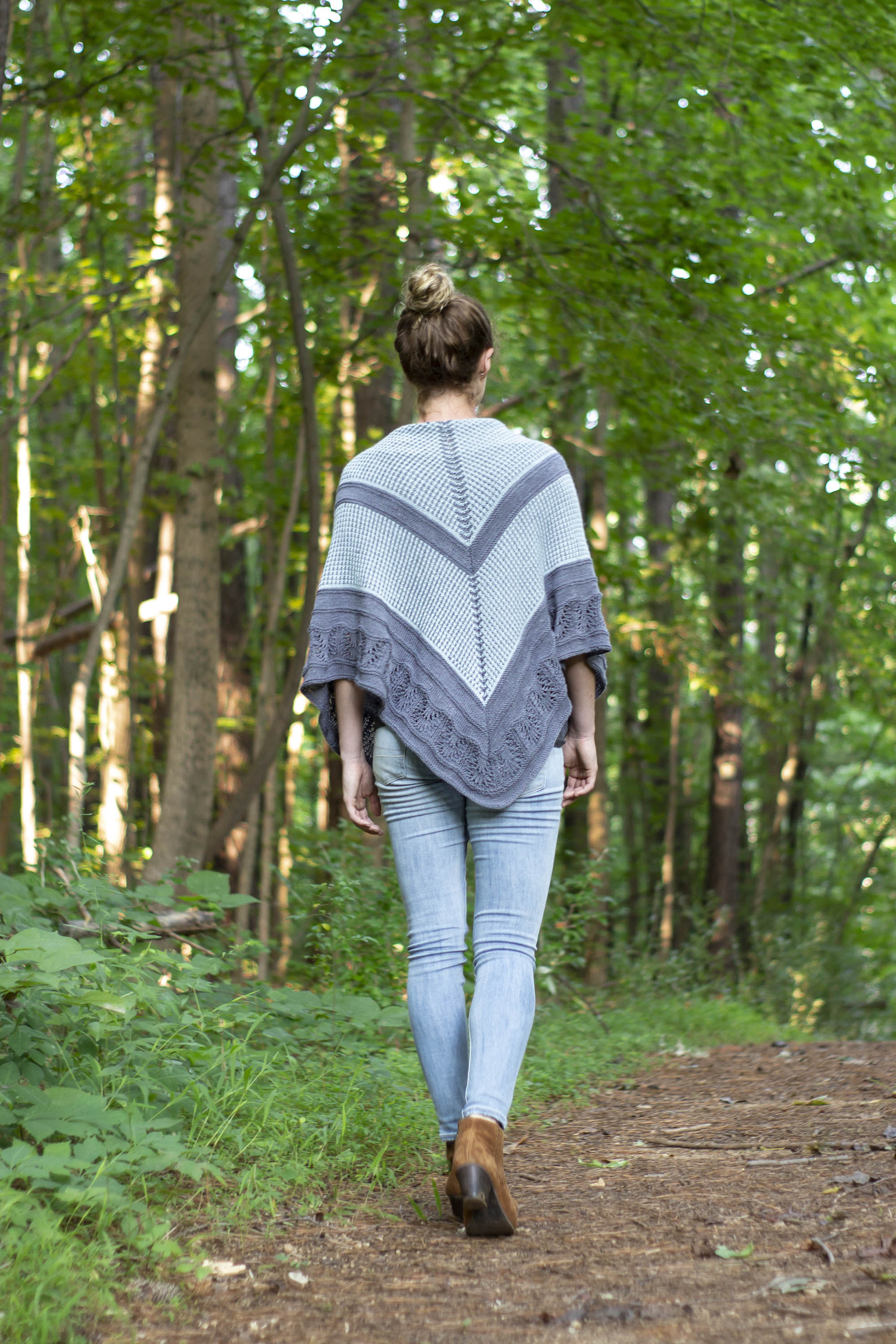
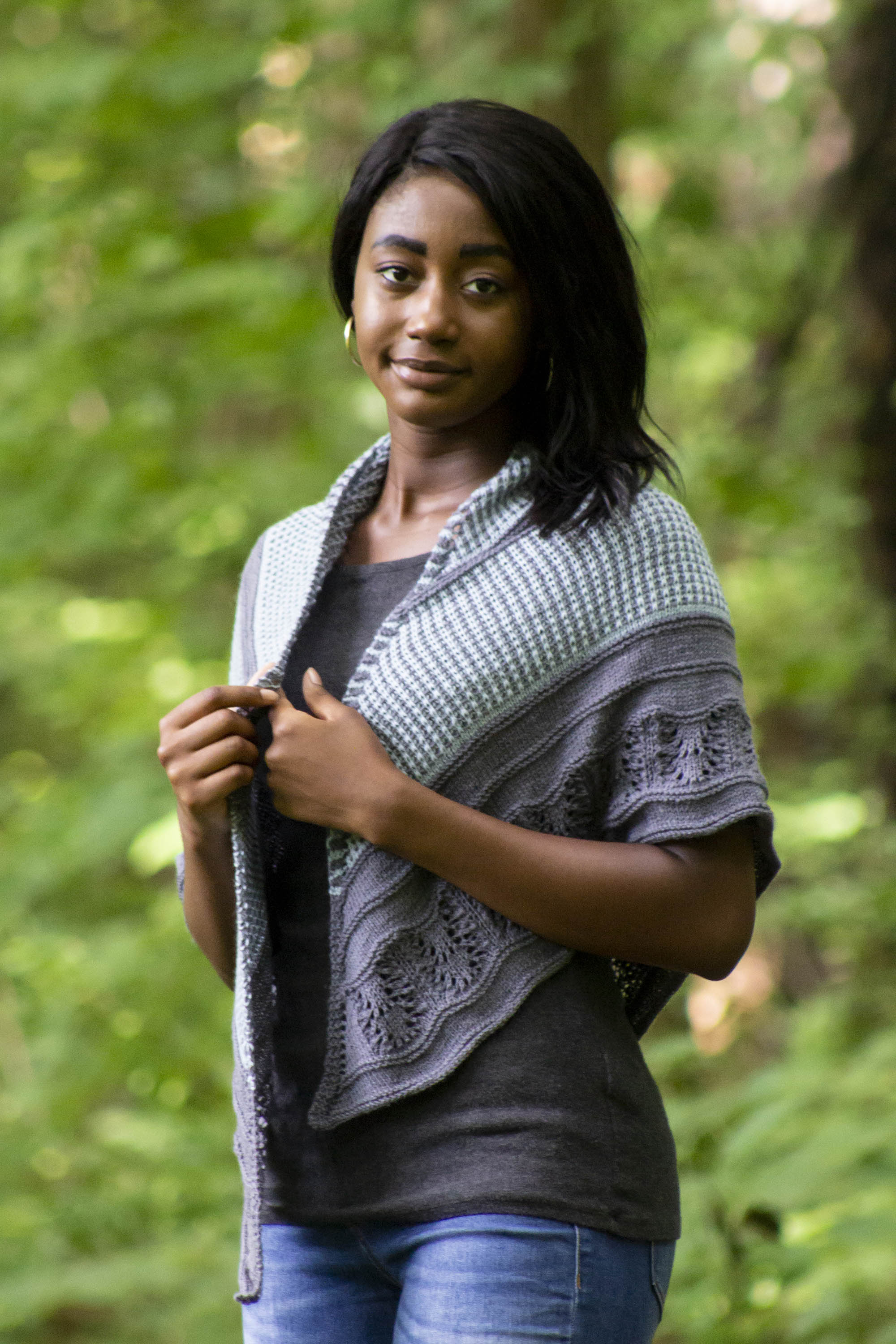
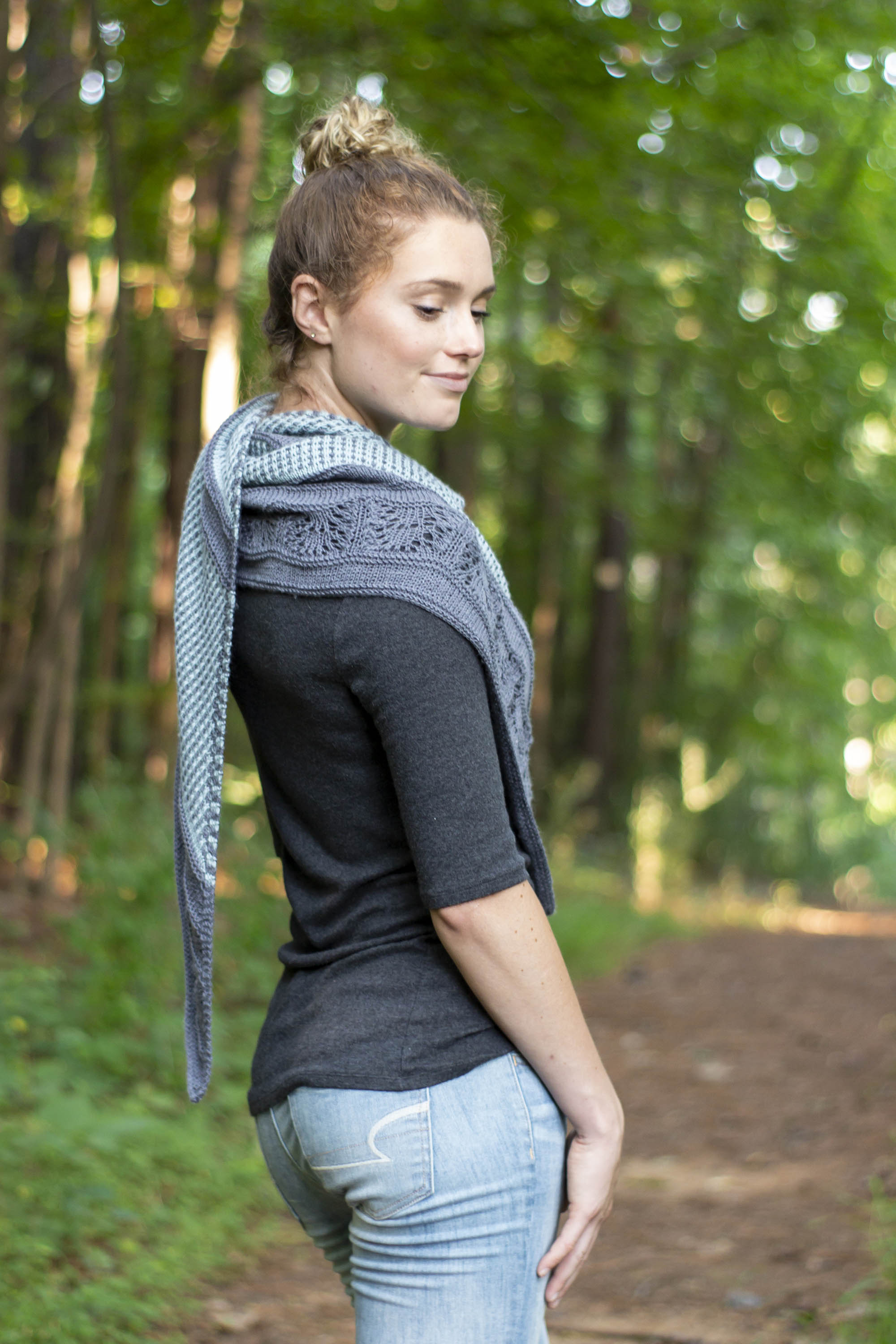
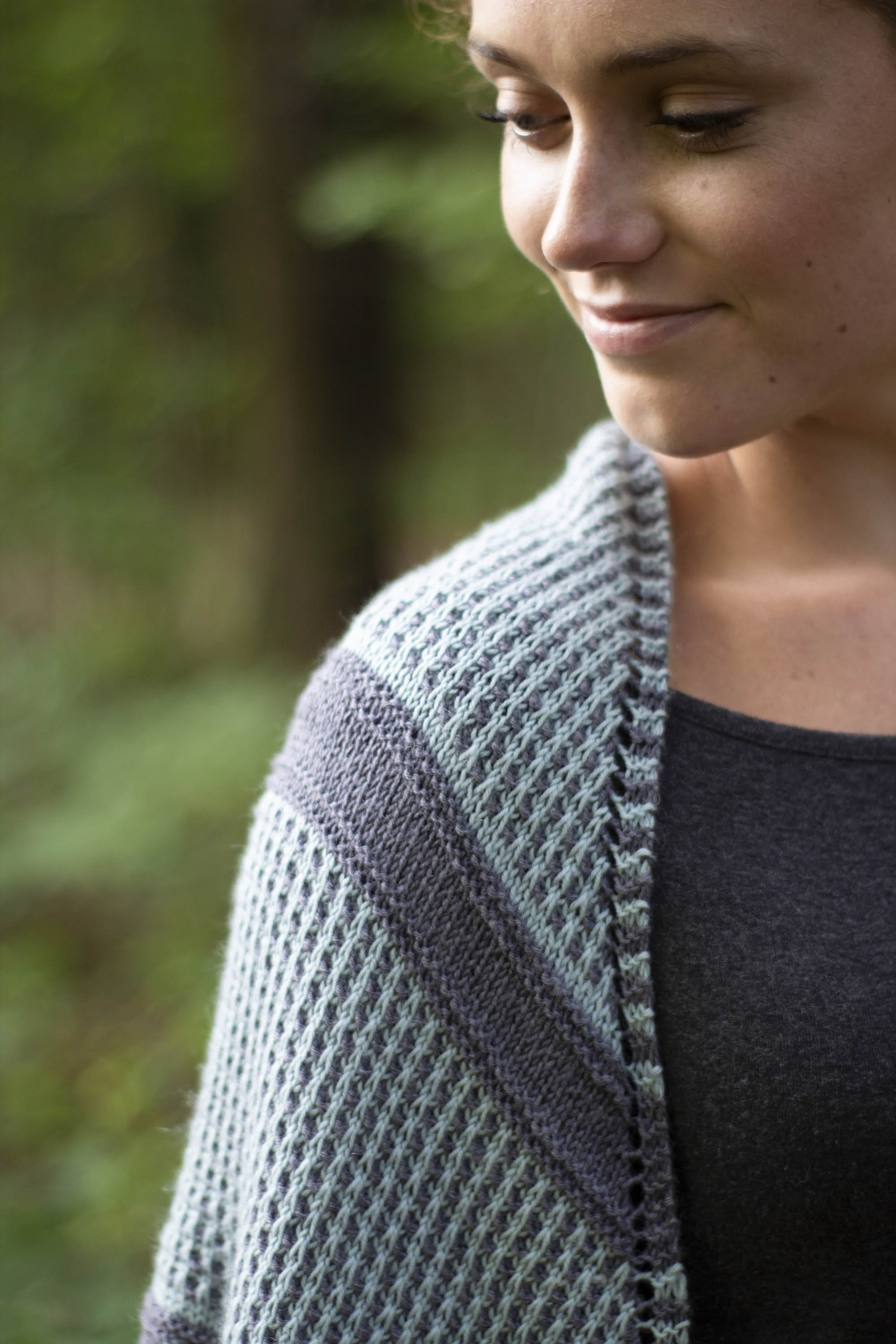
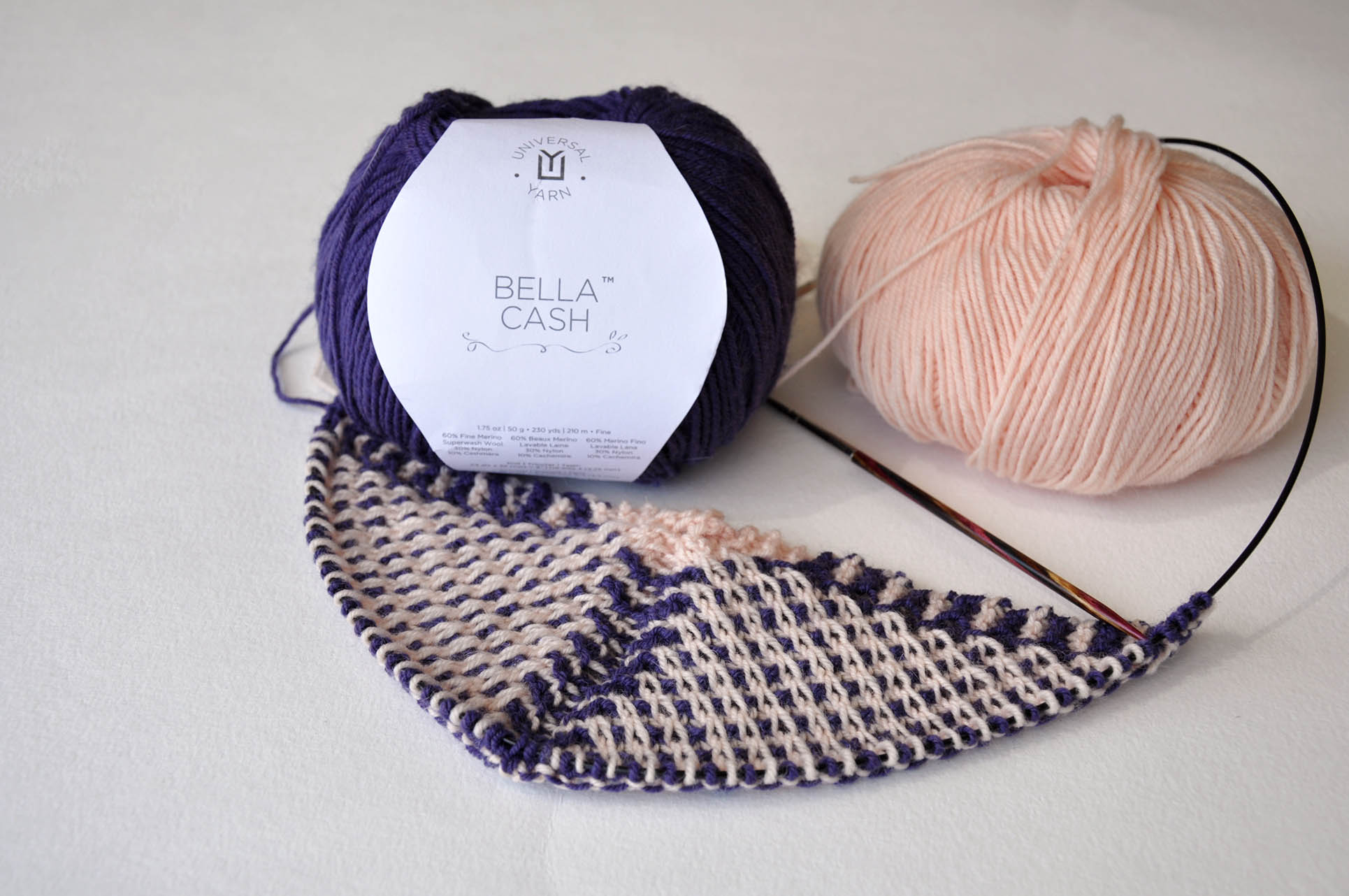
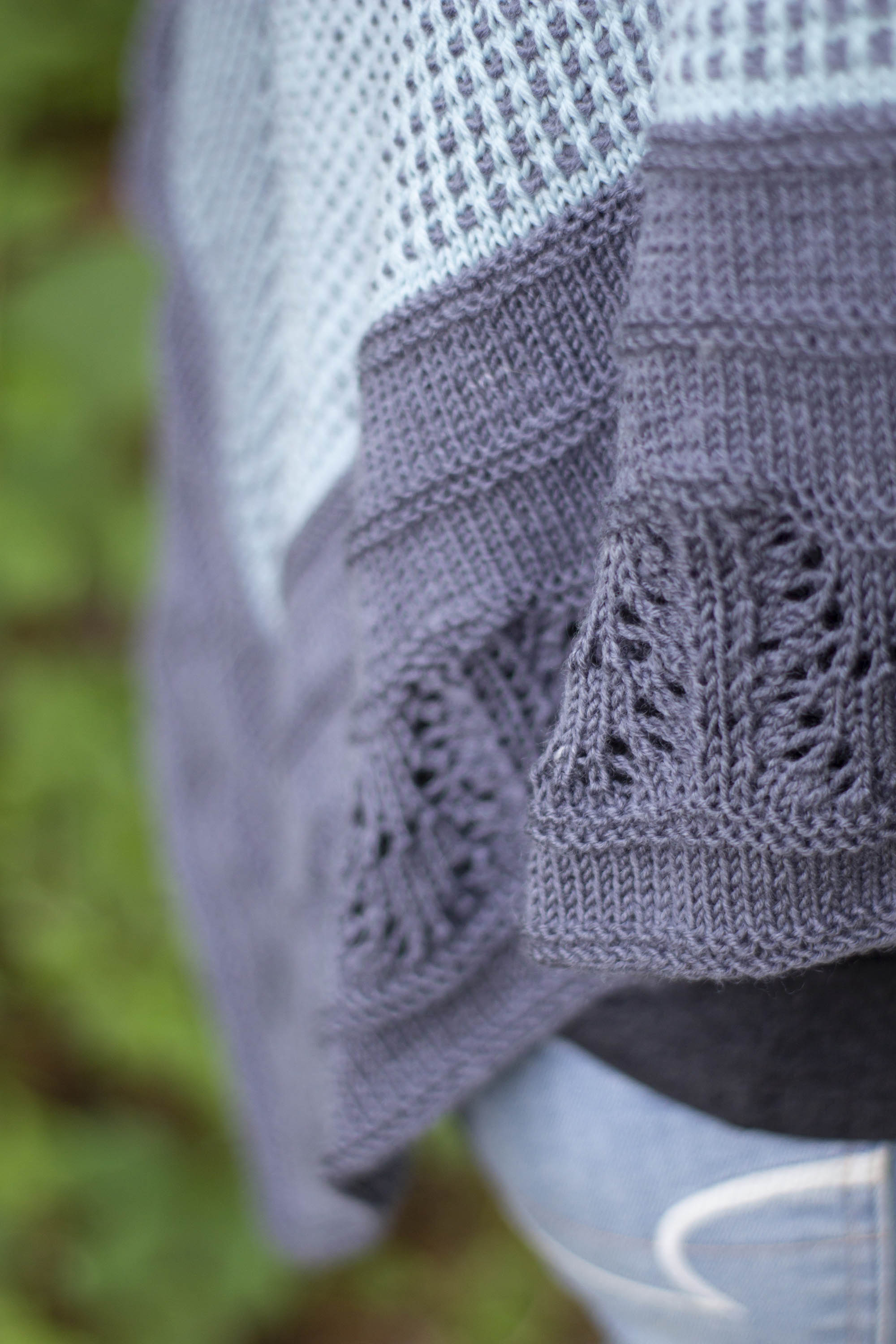
We couldn’t stop with just one Bella Cash pattern this week. The Dulcet Wrap is over six feet long, with a drapey fabric on size 5 needles. Bella Cash merino/cashmere/nylon gives it a lovely wispiness.
In order to knit the single stripes of the body, you’ll want circular needles. Knit a row in one color, then slide your stitches back to the end of the needle and knit a row in the second color. It gives a lovely effect. The wide mesh lace is a 4-row repeat. End it with Jenny’s Surprisingly Stretchy Bind Off for a nice elastic edge.
We hope you enjoy this charming, fine-weight shawl pattern.
Summertime can lead to a bit of crafting doldrums. We may not feel like covering our lap with a huge in-progress blanket when the days are long and warm. But there’s no reason to put down the hook and needles – there are plenty of great warm-weather yarns and projects out there!
Take today’s for instance. The Vane Shawl calls for an E-4 (3.5mm) hook and 6 balls of Cotton True Sport, a light 100% Pima cotton that practically radiates “cool.” The pattern itself is my favorite kind of shawl – worked from the top down. Fewer repeats on rows as you get to the final point means that progress gets faster as you go.
The fringe is a fun, summery detail. A nice touch on a pleasant project that won’t weigh you down.